


Causes And Management Of Stress At Work Powerpoint Presentation Slides




Try Before you Buy Download Free Sample Product
 Impress Your
 Audience
 100%
100% Editable
 Save Hours
 of Time


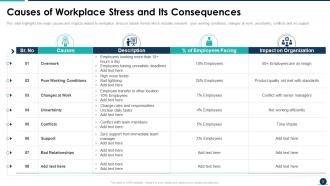
Occupational stress management strategies or programs are designed to prevent and cure the negative effect of job stress on employees. First, this module highlights the causes and dimensions of workplace stress, including overwork, poor working conditions, change at work, uncertainty, conflicts, and zero support from management as the main causes and its consequences on the organization and employees. Grab our professionally designed Causes and Management of Stress at Work template. Additionally, it covers the need for work-related stress, including the importance of managing stress, symptoms-based self-assessment of stress levels, and physical and emotional signs to evaluate stress. Further going, it highlights the different methods to reduce stress levels, including promoting supportive management, and covers various strategies and techniques to deal with stress, including behavioral techniques, diversion techniques, workplace techniques, and physical techniques. Lastly, it mentions the stress management training program along with positive effects, and in the final stage, it covers the dashboard to measure occupational stress management effectiveness. Get access now.
People who downloaded this PowerPoint presentation also viewed the following :
Content of this Powerpoint Presentation
Slide 1: This slide introduces Causes and Management of Stress at Work. State your company name and begin.
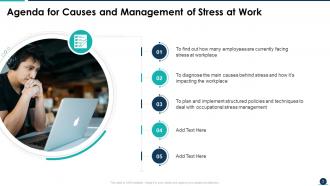
Slide 2: This slide states Agenda of the presentation.
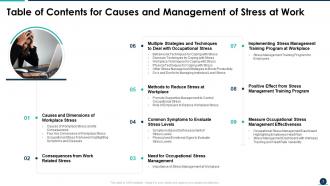
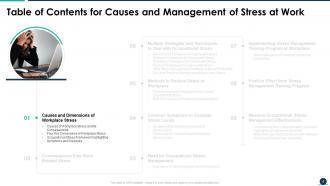
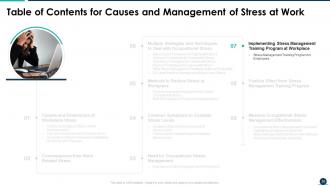
Slide 3: This slide presents Table of Content for the presentation.
Slide 4: This slide highlights title for topics that are to be covered next in the template.
Slide 5: This slide displays Causes of Workplace Stress and Its Consequences.
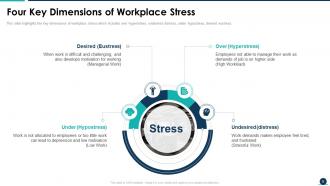
Slide 6: This slide highlights the key dimensions of workplace stress.
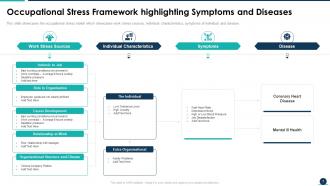
Slide 7: This slide represents Occupational Stress Framework highlighting Symptoms and Diseases.
Slide 8: This slide highlights title for topics that are to be covered next in the template.
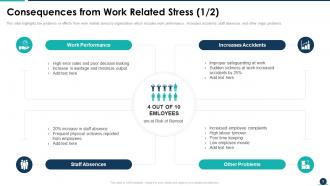
Slide 9: This slide showcases Consequences from Work Related Stress.
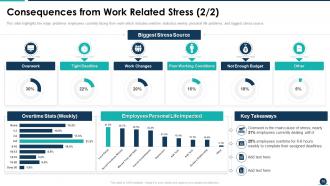
Slide 10: This is another slide continuing Consequences from Work Related Stress.
Slide 11: This slide highlights title for topics that are to be covered next in the template.
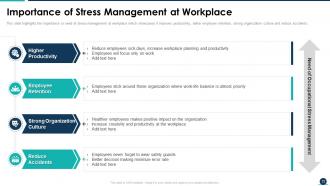
Slide 12: This slide shows Importance of Stress Management at Workplace.
Slide 13: This slide highlights title for topics that are to be covered next in the template.
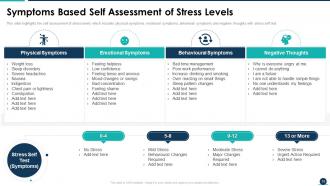
Slide 14: This slide presents Symptoms Based Self Assessment of Stress Levels.
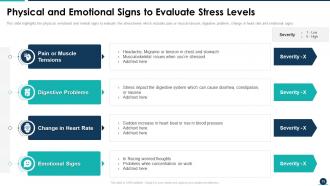
Slide 15: This slide displays Physical and Emotional Signs to Evaluate Stress Levels.
Slide 16: This slide highlights title for topics that are to be covered next in the template.
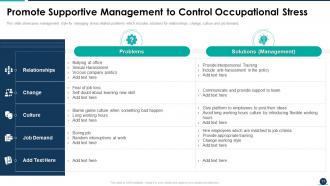
Slide 17: This slide represents Promote Supportive Management to Control Occupational Stress.
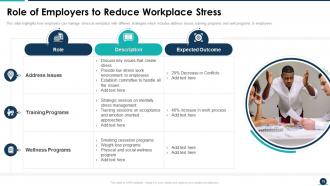
Slide 18: This slide showcases Role of Employers to Reduce Workplace Stress.
Slide 19: This slide highlights title for topics that are to be covered next in the template.
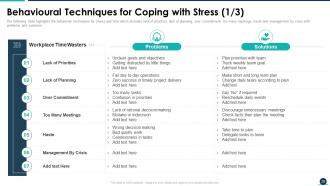
Slide 20: This slide shows Behavioural Techniques for Coping with Stress.
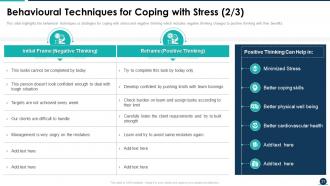
Slide 21: This is another slide continuing Behavioural Techniques for Coping with Stress.
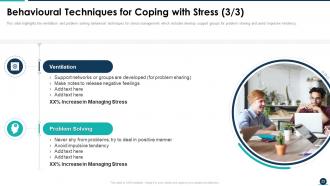
Slide 22: This is another slide continuing Behavioural Techniques for Coping with Stress.
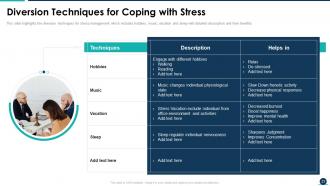
Slide 23: This slide presents Diversion Techniques for Coping with Stress.
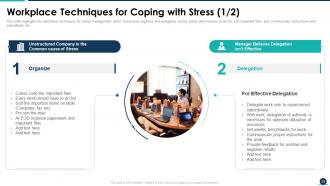
Slide 24: This slide displays Workplace Techniques for Coping with Stress.
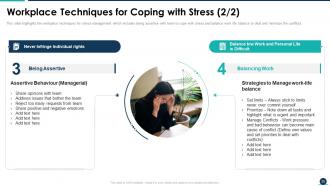
Slide 25: This is another slide continuing Workplace Techniques for Coping with Stress.
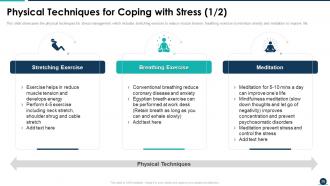
Slide 26: This slide showcases Physical Techniques for Coping with Stress.
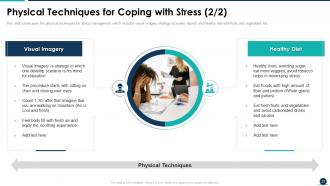
Slide 27: This slide shows Physical Techniques for Coping with Stress.
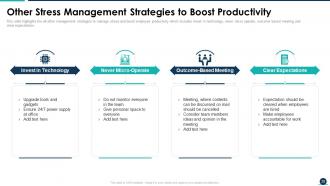
Slide 28: This slide presents Other Stress Management Strategies to Boost Productivity.
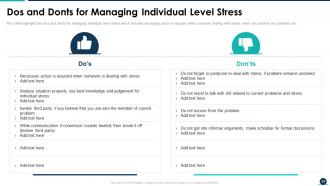
Slide 29: This slide displays Dos and Donts for Managing Individual Level Stress.
Slide 30: This slide highlights title for topics that are to be covered next in the template.
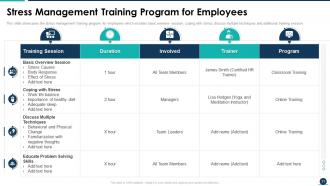
Slide 31: This slide represents Stress Management Training Program for Employees.
Slide 32: This slide highlights title for topics that are to be covered next in the template.
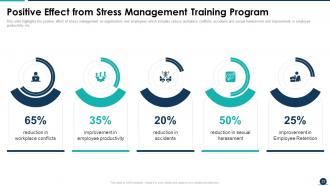
Slide 33: This slide showcases Positive Effect from Stress Management Training Program.
Slide 34: This slide highlights title for topics that are to be covered next in the template.
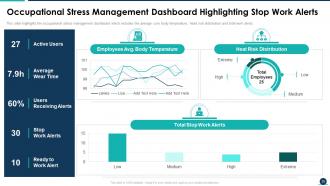
Slide 35: This slide shows Occupational Stress Management Dashboard Highlighting Stop Work Alerts.
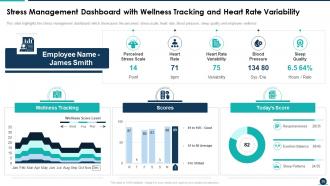
Slide 36: This slide presents Stress Management Dashboard with Wellness Tracking and Heart Rate Variability.
Slide 37: This slide contains all the icons used in this presentation.
Slide 38: This slide is titled as Additional Slides for moving forward.
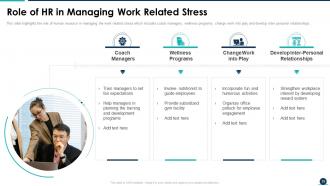
Slide 39: This slide represents Role of HR in Managing Work Related Stress.
Slide 40: This is Our Mission slide with related imagery and text.
Slide 41: This slide provides 30 60 90 Days Plan with text boxes.
Slide 42: This slide shows Linear Diagram with additional textboxes.
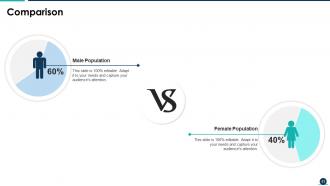
Slide 43: This is a Comparison slide to state comparison between commodities, entities etc.
Slide 44: This slide shows Post It Notes. Post your important notes here.
Slide 45: This is a Financial slide. Show your finance related stuff here.
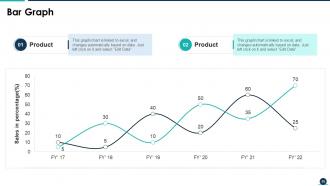
Slide 46: This slide presents Bar chart with two products comparison.
Slide 47: This is a Thank You slide with address, contact numbers and email address.
Causes And Management Of Stress At Work Powerpoint Presentation Slides with all 52 slides:
Use our Causes And Management Of Stress At Work Powerpoint Presentation Slides to effectively help you save your valuable time. They are readymade to fit into any presentation structure.





FAQs for Causes And Management Of Stress At Work
Honestly, time-blocking saved my sanity last quarter. Block out chunks for your biggest priorities and just say no to random stuff that doesn't matter. I know deep breathing sounds super basic, but it actually helps when you're stressed out of your mind. Also - and I'm guilty of skipping this - take actual lunch breaks away from your computer. Your brain needs that reset. The trick is starting these habits before everything goes crazy, not during. Pick one thing first, maybe the time-blocking? Once that feels automatic, add something else.
Honestly, you don't need to carve out extra time for this stuff. Before checking emails, just breathe deeply three times. When you're in the bathroom (weird but hear me out), do a quick mental body scan. Actually taste your lunch instead of doom-scrolling Instagram - it's surprisingly grounding. My go-to is this "STOP" thing: Stop whatever, Take a breath, Observe your feelings, then Proceed with intention. Or set random phone reminders to check in with yourself throughout the day. Start ridiculously small though - like 30 seconds max. Don't jump into some 20-minute meditation marathon. Pick one tiny thing and see what happens.
Your workplace culture basically determines whether you'll be stressed out of your mind or actually functional. Bad cultures push impossible deadlines and expect you to be available 24/7 - honestly, no amount of meditation apps can fix that mess. But when leadership actually has your back? When mistakes don't turn into witch hunts and you can take vacation without guilt? That's where people do their best work instead of burning out. Pay attention to how your boss talks to people and whether anyone actually uses their PTO. Those little things reveal everything about what you're dealing with.
Look for shifts in their normal behavior - someone who's suddenly staying super late every night, getting snappy in meetings, or missing deadlines they'd usually crush. Also watch for physical stuff like looking exhausted or calling out sick way more than usual. My biggest tip? Do quick check-ins regularly instead of waiting for formal reviews. Just ask "how's everything feeling workload-wise?" and actually listen. I swear, people will tell you if you just ask the right way. When you catch warning signs early, jump on fixing workload issues and get them connected to your company's support programs or flexible work options.
Ugh, chronic work stress is such a productivity killer. Your brain basically gets stuck in panic mode, so you can't focus and make way more mistakes. I've watched really smart coworkers just burn out completely - it's honestly depressing to see. The mental health stuff hits hard too: anxiety, depression, headaches, terrible sleep. What's wild is how it actually changes your brain's wiring over time. Short bursts of stress? Fine. But when it's constant, your cognitive performance just tanks. Definitely don't ignore the warning signs if you're seeing this pattern.
Okay so here's the thing - talk to people early and often. Seriously, I can't stress this enough because I've watched so many projects completely fall apart when everyone just assumes they're on the same wavelength. Ask those "stupid" questions right away, give real updates about what's actually happening (not just "everything's fine"), and don't wait until you're drowning to mention problems. Yeah, you might feel like you're bothering people with all the check-ins, but trust me - it's way better than dealing with those nightmare last-minute panics when deadlines hit.
Dude, flexible work is a game changer for stress. No more sitting in traffic for hours - that alone is worth it. You get to work when you're actually productive instead of forcing it during random office hours. Personal stuff becomes way easier to handle too, like doctor appointments or whatever. The best part? You're not chained to a desk all day feeling miserable. When you pitch it to your boss, definitely mention how much more productive you'll be. They eat that stuff up. Oh and honestly, once you have that control over your schedule, it's hard to go back to the old way.
Ugh, workspace stress is SO real. Crappy lighting and noisy open offices basically keep your cortisol pumping all day - whoever designed those clearly never worked in one. Natural light makes a massive difference though. Personal space helps too, even just having room for your coffee mug or a photo. Plants are surprisingly good for this stuff. Can't renovate your whole office? Start small. Maybe grab a desk lamp, throw up a little privacy screen, or sneak in some greenery. Even adjusting your chair so you're not hunched over helps you feel less trapped. Small changes add up way more than you'd think.
Start with breathing exercises - the 4-7-8 thing works great and people can try it right there. Throw in some stress identification stuff, like a quick checklist of warning signs. Boundaries are huge honestly, that's where most teams fall apart. The Pomodoro Technique is solid for time management, plus actually taking breaks (wild concept, I know). Cover team communication strategies too. Oh, and definitely include a resource list - Headspace, Calm, whatever. End with something concrete they can commit to trying this week. People need that actionable piece or they'll just forget everything.
Honestly, realistic goals are a game-changer because they stop that crushing "we'll never get this done" spiral. Break stuff into smaller pieces that don't make people want to hide under their desks. I've seen entire teams just... collapse when everything feels impossible, you know? Also helps when everyone actually knows what "done" looks like instead of guessing. Less stress, way better morale. Oh, and people stop feeling like failures every other week. Before jumping into anything big, just ask yourself - can we actually pull this off with what we've got? Saves so much drama later.
Honestly, you've gotta set boundaries or you'll burn out fast. Pick work hours and actually stick to them - I know it's tempting when your laptop's literally right there at 9pm, but don't do it. Make a workspace if you can, then physically shut everything down when you're done. Trust me, I answered emails until midnight for way too long and it sucked. Take real lunch breaks away from your screen too. Oh, and schedule random virtual coffee chats with coworkers since you're missing all that office small talk. Just tell your team when you're actually offline so they don't expect instant replies.
Honestly, feedback is a game-changer for work stress. Your brain loves to assume the worst when you don't know where you stand - mine does this constantly. Getting regular input from your manager stops those 3am spirals about whether you're screwing up. Plus it catches problems early before they snowball. I learned this the hard way at my last job lol. Try asking for quick 15-minute weekly check-ins if you're not getting enough. Sounds annoying but it actually saves time and sanity in the long run. Trust builds naturally when there's no guessing involved.
Dude, your body is literally your best defense against work stress. When I'm actually sleeping well and moving around, pressure doesn't hit me the same way. Exercise burns off all that cortisol buildup - plus good sleep helps your brain work through problems instead of just... spinning out, you know? Used to think all-nighters were the move but holy shit was that backwards thinking. Decent food keeps you from that brutal 3pm crash right when everything's due. Even weird little things help - like actually drinking water and walking around the office (or wherever). Pick one thing to focus on this week, don't try to fix everything at once.
Honestly, start by asking your people what's actually stressing them out - way better than guessing. Then build training around that stuff. Skip the death-by-PowerPoint approach though, nobody learns from sitting through slides for an hour. Make it hands-on with actual techniques they can use right away - breathing exercises, time management tricks, how to handle those awkward conversations we all hate. Oh, and don't make it a one-time thing! That never works. Maybe bring in someone from outside or set up little peer groups. Interactive workshops where people actually participate - that's where you'll see results.
Keep it small first - like 8-12 people tops or half will just zone out. Mix in stuff they can actually use right away (breathing exercises, basic time management tricks). Oh and please don't just lecture at them with slides for an hour straight! Create a space where people aren't worried about looking dumb in front of their boss. Timing matters too - maybe avoid Monday mornings when everyone's already stressed? Follow up afterwards with resources or just a quick "hey how's it going" email. The whole thing needs to feel real to what they're dealing with, not some generic wellness BS.
-
Been using SlideTeam for some time now…can’t imagine why I wasted all that time in front of the screen trying to make the perfect presentation.
-
Good research work and creative work done on every template.