


World continents powerpoint maps





Try Before you Buy Download Free Sample Product
 Impress Your
 Audience
 100%
100% Editable
 Save Hours
 of Time


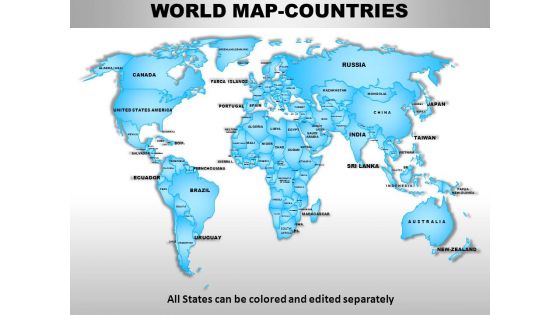
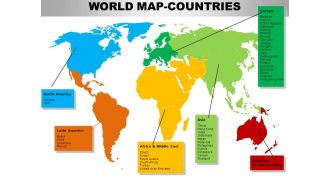
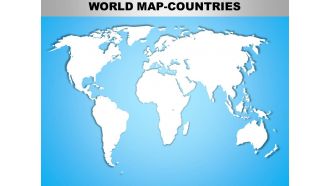
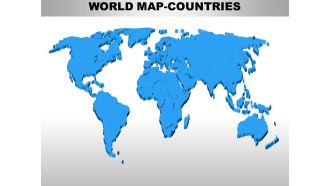
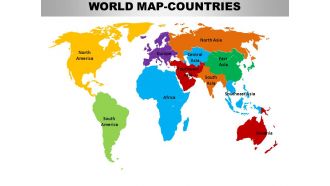
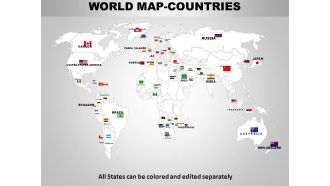
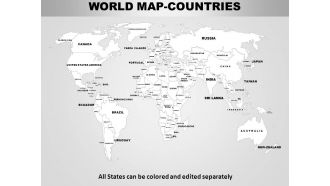
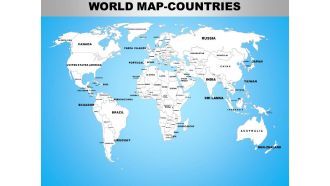
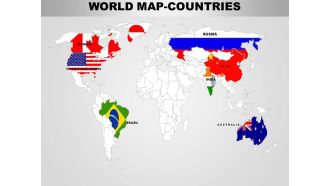
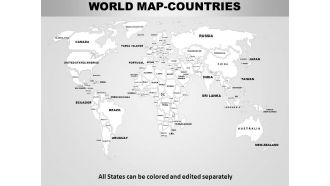
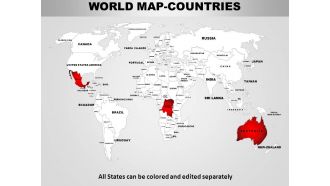
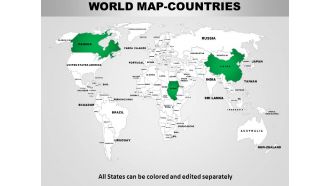
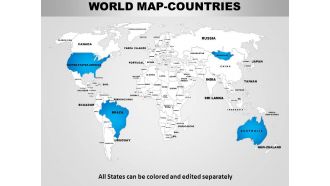
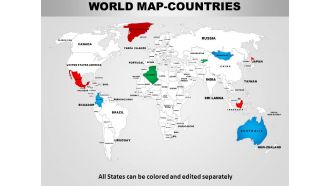
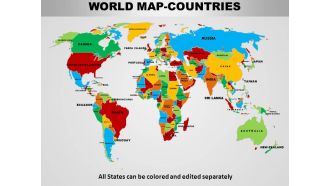
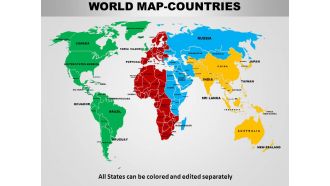
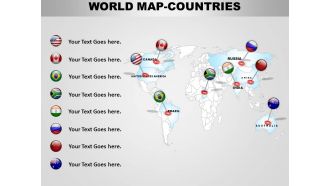
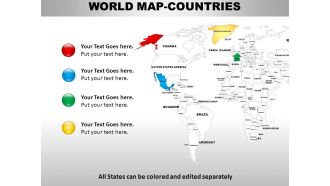
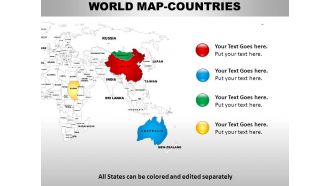
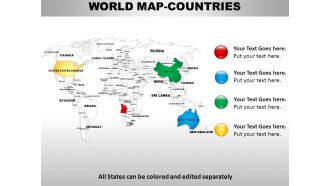
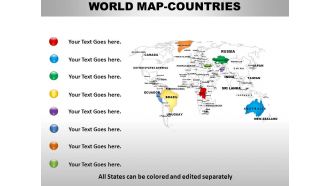
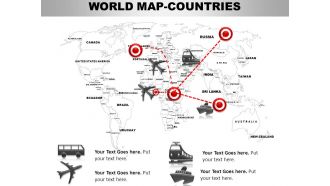
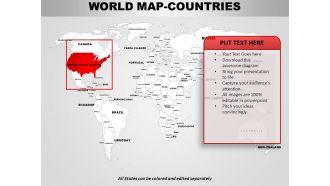
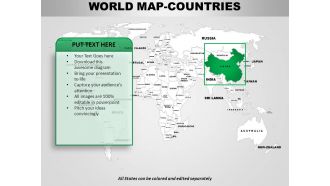
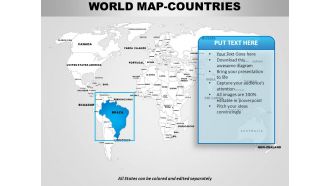
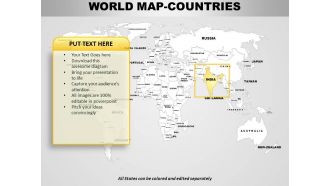
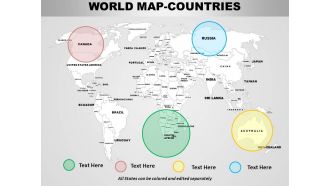
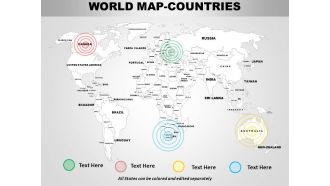
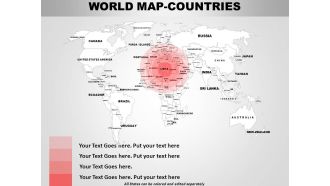
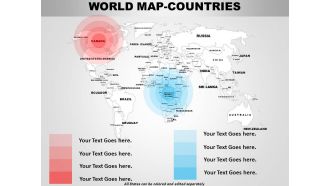
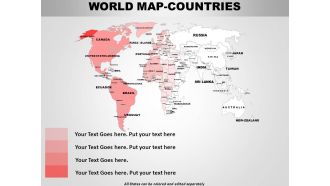
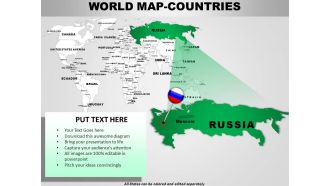
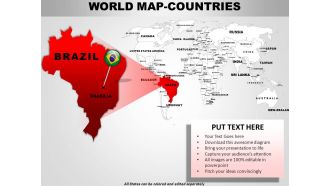
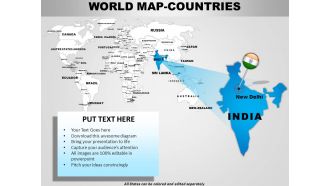
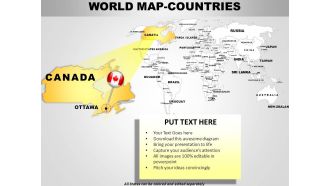
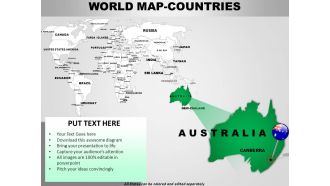
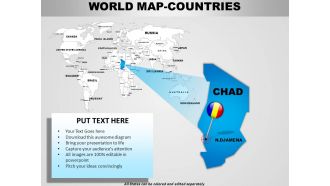
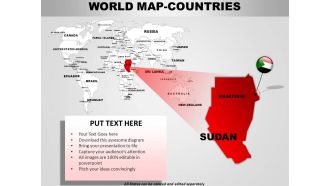
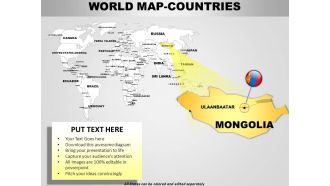
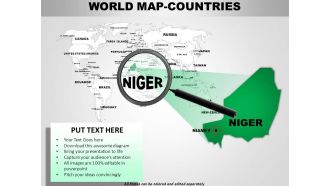
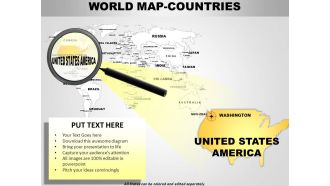
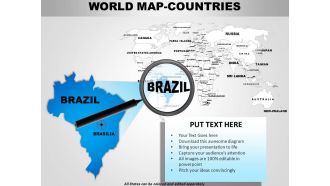
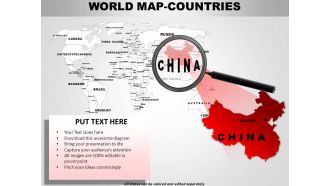
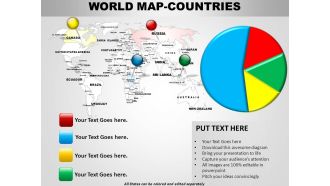
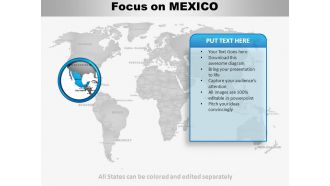
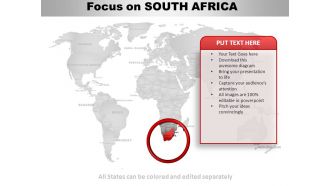
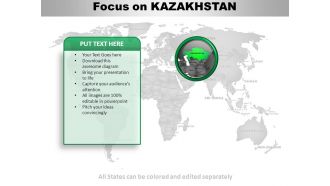
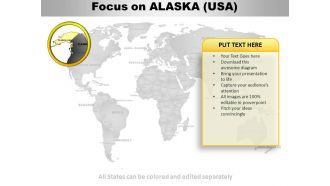
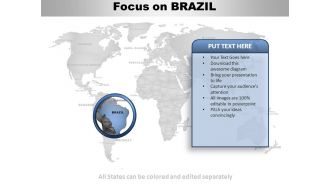
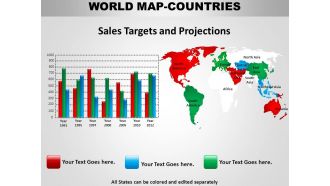
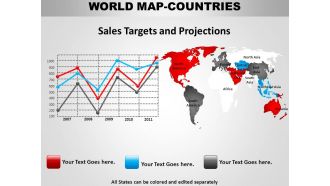
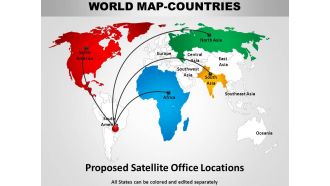
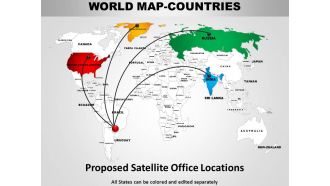
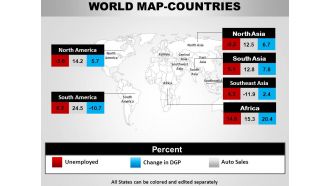
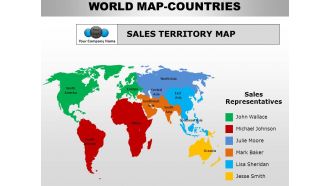
Highlight the presence of your business in different territories of the world with our world continents PowerPoint maps. This World Continents PPT template of world continents will help you outline your global presence, market covered by your business in different parts of the world. This template allows you to showcase your statistics which are a vital part of global strategy. This World Continents presentation template allows business to forecast how you are performing internationally, what your global strategies are and how your enterprise is able to adapt to different conditions of other countries. This presentation layout is also helpful to showcase global marketing; when it is done right can improve efficiency of your business and services. With the help of this different continents and countries PPT slide of world, you can outline your presence in different parts such as Asia, South America, North America, Australia and Europe. This presentation layout of continents of the world is helpful to chart out global marketing reach to develop global marketing campaign and to identify international market opportunities. Our World Continents PowerPoint Maps will abide with you. They will remain true to your faith in them.
People who downloaded this PowerPoint presentation also viewed the following :
World continents powerpoint maps with all 68 slides:
Even if you are not the apple of you organisation's eye let your presentations be. This can only happen when you make use of professionally created slides like our World Continents PowerPoint Maps.

FAQs for World
So basically each continent has its own signature features that make them super recognizable. Africa's got the massive Sahara and that huge Rift Valley. Asia's crazy diverse - you've got the Himalayas, steppes, monsoon areas, all of it. Europe's all about those peninsulas and mountain ranges like the Alps. North America has the Rockies and Great Plains, plus those giant river systems. South America? Andes, Amazon rainforest, Patagonia. Australia's mostly desert in the middle with mountains near the coasts. Antarctica is just... ice everywhere, obviously. Oh and definitely look at how these shaped where people actually settled - it's pretty fascinating how geography drives everything.
Look, climate is basically the main thing that determines what lives where. Take tropical rainforests - they're packed with insane biodiversity because of all that heat and rain near the equator. Antarctica? Totally opposite story. It's so cold that only super specialized animals like penguins can handle it. Australia's got those harsh desert areas that created completely unique ecosystems (kangaroos are wild when you think about it). Europe's more moderate weather let all those deciduous forests develop. Honestly, if you want to guess what kind of ecosystem you'll find somewhere, just check the climate first.
Honestly, geography shapes so much of how people think! Europe's all about preserving history and art. Asia somehow balances ancient traditions with crazy fast modernization. Africa has these amazing oral traditions - everything's super community-focused. North America? Total individualistic melting pot, which is weird but works. South America's got passionate social vibes mixed with indigenous influences. Australia and Oceania are interesting because they're juggling indigenous roots with colonial history. When you're dealing with international teams, knowing this stuff actually helps you connect better. Maybe look up specific cultural values before jumping into your next project? It makes a huge difference.
Wars and colonialism basically redrew the world map - look at Europe after WWI and WWII, totally different borders. Africa's weird straight lines? That's because Europeans literally sat around tables dividing it up without ever going there (the Berlin Conference was wild). Asian boundaries got shuffled around by imperial powers too. When countries gained independence later, they mostly just kept those artificial borders even though they made zero sense for the actual people living there. It's honestly crazy how much of today's map reflects old power grabs rather than geography or culture.
So continents basically control how global trade flows, right? Asia's the manufacturing powerhouse, while North America and Europe are where everyone wants to sell stuff. Africa and South America? They're supplying all the raw materials. Those massive oceans between continents create huge bottlenecks - shipping gets expensive and complicated fast. Geography matters more than people think though. Countries trade most with their neighbors, which is why you get things like NAFTA and the EU. When you're planning business stuff, just map out where you're buying from versus where you're selling. That geography will make or break your costs.
So Africa's got tons of minerals - gold, diamonds, oil, the works. Asia's your go-to for coal and rare earth metals. Europe? They've got some coal and natural gas but honestly import most of their stuff now. North America hit the jackpot with basically everything - oil, gas, timber, great farmland. South America's copper and iron ore game is strong, plus there's all that Amazon biodiversity (which is wild when you think about it). Australia ships out massive amounts of iron ore and coal. For your market analysis, just track how this uneven distribution creates those global trade dependencies.
Dude, the numbers are wild - Asia's got like 150 people per km² while Australia's sitting at 3. Europe's pretty crowded too at 75. For your business stuff, dense places like Asia mean huge markets but everyone's fighting for customers. Sparse areas? Fewer people but way less competition. Africa's population is exploding even though it's not super dense right now, which could be interesting. Oh and distribution costs get crazy expensive in spread-out places - learned that the hard way with a client once. Bottom line: don't sleep on population density when you're picking markets.
So basically Africa's getting hammered by droughts and desertification. Asia has insane air pollution plus water shortages. Europe's actually doing okay policy-wise but they're dealing with old infrastructure and climate goals. Wildfires and hurricanes are wrecking North America - though honestly the political mess there isn't helping. Brazil's Amazon situation is just depressing at this point. Australia's coral reefs are dying and the heat waves are brutal. If you're thinking global solutions, I'd focus on water security first. That's hitting like every continent right now. Renewable energy transitions too since that cuts across everything.
So basically tectonic plates are like Earth's construction crew - they've been moving continents around for billions of years. Look at South America and Africa, they literally fit together like puzzle pieces because they used to be connected. Mountains form when continents crash into each other, and new oceans open up when they split apart. It's crazy slow but incredibly powerful. That's why you'll find identical fossils on opposite sides of the planet. Definitely look up Pangaea if you haven't - it shows how all our continents were once stuck together in one massive supercontinent. Continental drift is honestly mind-blowing when you think about it.
Yeah so basically cities are sucking up all the people from rural areas - everyone's chasing better jobs and opportunities. Young people bail on farming communities in Africa, small American towns are ghost towns now, Asian villages lose workers to those massive cities. Honestly breaks my heart seeing traditional lifestyles just vanish like that. Rural infrastructure crumbles when no one's left. Local economies tank hard. Agricultural output drops too, which is ironic. At least urban workers usually send money back home to their families. Different continents handle this rural-urban mess in totally different ways though, so that's worth looking into.
So basically, continents are like massive heat sponges that mess with air and water currents everywhere. Land heats up way faster than oceans, creating these pressure differences that drive wind patterns. Mountains are total blockers too - they trap moisture on one side and leave the other side super dry. The shape of continents controls stuff like monsoons and ocean currents. Like, the Atlantic's weird shape is what pushes the Gulf Stream around. I never really thought about this until my geography prof mentioned it, but next time there's a storm on the news, check how it's following coastlines and mountain ranges!
Oh man, studying indigenous groups across different continents is fascinating stuff. Arctic communities figured out these amazing sharing economies while desert societies got super creative with water management - totally different solutions to survival. The variety is insane when you think about it. Each place developed unique ways of handling family structures, leadership, and honestly stuff about the environment that gets ignored way too often. Desert vs Arctic vs tropical - same human species, completely different approaches. I'd probably start by picking similar challenges (like food scarcity) and see how different continents tackled it. Really opens your eyes to human creativity.
So it really depends on where you're looking. Europe's big on renewable energy and super strict regulations. Africa does more community-based stuff - they have to balance protecting wildlife with people actually making a living, which honestly makes sense. Asia's throwing tons of money at green tech because of all the pollution from industrialization. South America is obviously fighting for the rainforests, though that's... well, you know how that's going. North America sticks with the national parks approach plus carbon policies. Australia's focused on marine conservation because of the reef crisis. Point is, if you're trying to work globally, you've got to get what each region actually cares about first.
So migration between continents is pretty wild when you break it down. Brain drain hits developing countries hard, but then you've got remittances flowing back - literally hundreds of billions every year. Host countries struggle with integration stuff while getting cultural diversity and workers for jobs nobody wants (honestly, it's kinda complicated). Countries losing people miss out on talent but gain these global networks. Oh, and when people eventually return, they bring knowledge back with them. The demographic changes reshape entire regions over decades. If this is for work though, I'd start with remittance flows - they're the easiest to actually measure and usually the biggest impact.
Yeah, it's crazy how much languages reflect where they came from! Europe's got like 200+ languages - you can totally trace back Roman influence or see how Nordic seafaring cultures developed differently. Geography and history basically shaped everything. Africa has all these tonal languages, Asia went with character-based systems, and indigenous American languages have these super complex verb structures. I find it fascinating honestly. Try guessing which continent a language is from next time you hear something unfamiliar - you'll start picking up on these cultural patterns pretty quickly.
-
Easily Editable.
-
Innovative and attractive designs.