

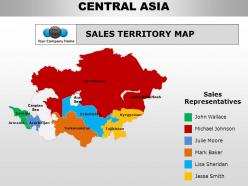
Central asia continents powerpoint maps




Try Before you Buy Download Free Sample Product
 Impress Your
 Audience
 100%
100% Editable
 Save Hours
 of Time


All the professionals know that powerful presentations are not about bullet points and unnecessary transitions and animations. If you are having problems creating awesome slides just make use of our Central Asia Continents PowerPoint maps.
People who downloaded this PowerPoint presentation also viewed the following :
Central asia continents powerpoint maps with all 59 slides:
Just come by our Central Asia Continents PowerPoint maps store. You will surely stop and shop for more.
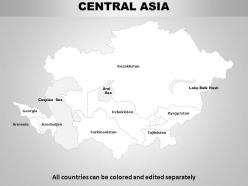
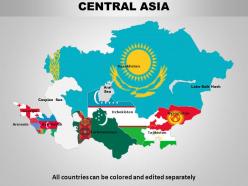
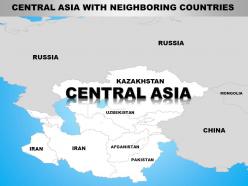
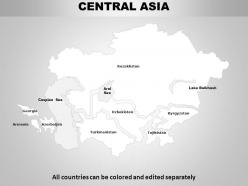
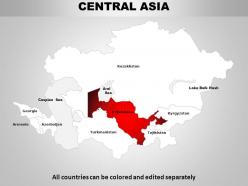
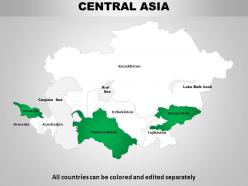
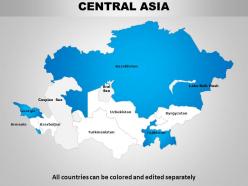
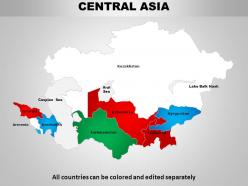
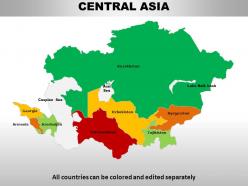
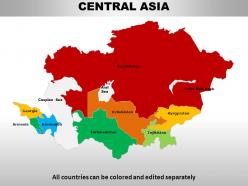



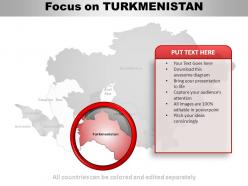
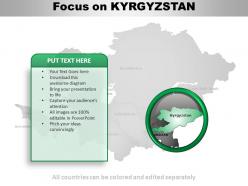
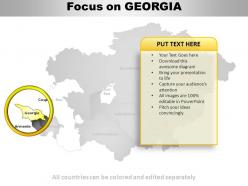
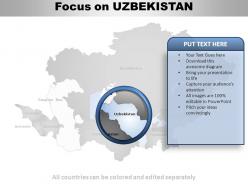



FAQs for Central asia
Yo so basically three big things shape identity there: Islam, Soviet stuff, and old nomadic traditions. Islam shows up everywhere - buildings, how people act, daily routines. Then you've got all that Soviet influence still hanging around in languages and education systems. Plus those awful block apartments are literally everywhere lol. The nomadic heritage is actually pretty cool though - it still affects how hospitable people are and storytelling culture. Oh and even some political stuff. Each country mixes these differently, so you'll want to figure out the local vibe before diving into business there. Makes a huge difference honestly.
Dude, the Silk Road made Central Asia THE trading center for like a thousand years. Merchants hauled silk, gold, spices - you name it - through cities like Samarkand and Bukhara. Those places got insanely rich. What's crazy though is how much culture spread too. Buddhism, Islam, different languages all mixing together. The art and architecture from that era? Still mind-blowing if you see it in person. Honestly, if you're ever thinking about visiting that region, those old trading cities will completely change how you think about ancient travel and connection. Way more globalized than most people realize.
So here's the deal with Central Asia - geography is basically their economic destiny. These countries are landlocked but sitting on insane oil and gas reserves (Kazakhstan and Turkmenistan especially). Problem is, no ocean access makes trade a nightmare. Mountains in Tajikistan kill farming but create hydroelectric opportunities. Uzbekistan grows tons of cotton where they can irrigate, though water's getting scarce everywhere. Oh, and transportation costs are brutal - like, that's probably the biggest factor shaping everything. When you're analyzing this stuff, always think location and resources first.
So basically Russia's been too busy with Ukraine to keep its usual tight grip on Central Asia. Kazakhstan and Uzbekistan are totally taking advantage - they're shopping around for new partners like China, the EU, even Turkey. China's Belt and Road thing is super appealing because it's just money for infrastructure, no political drama attached (unlike Western aid, which always comes with conditions). These countries have gotten really smart about playing everyone against each other to get better deals. It's honestly pretty impressive how they've flipped the script and made themselves the prize instead of just Russia's backyard.
Dude, the water situation there is absolutely fucked - the Aral Sea literally vanished because of Soviet cotton farming. Desertification is eating up huge chunks of Kazakhstan and Uzbekistan. Cities have this nasty air pollution problem, and don't get me started on how mining operations are poisoning everything. Climate change isn't helping either - temps are getting more extreme and nobody knows when it'll rain anymore. Honestly, if you're planning work there, just assume water will be an issue and that environmental rules are... let's say still figuring themselves out.
Oh man, the way they mix old and new there is pretty cool actually. People live in modern apartments but still do traditional tea ceremonies. You'll see someone scrolling Instagram while wearing traditional clothes for festivals. That whole nomadic hospitality thing? Still totally a thing - even in big cities like Almaty, people are incredibly welcoming. Lots of traditional crafts have become legit businesses now. Young folks study overseas but come back to keep family traditions alive. If you're working there, getting this balance will definitely help you click with locals better.
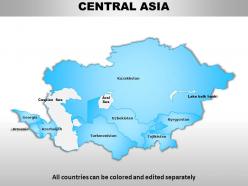
So the Caspian Sea is basically where all the money comes from in Central Asia. Kazakhstan and Turkmenistan are sitting on absolutely massive oil and gas reserves there - we're talking about funding huge chunks of their entire national budgets. There's fishing too, but honestly that's pretty minor compared to energy. Here's the catch though: they need pipelines to actually get their stuff to world markets, which creates some messy political situations. I mean, you can't really understand the region's economy without looking at how dependent everyone is on those Caspian exports.
So Central Asia is basically this crazy linguistic puzzle from all the conquests over the centuries. Turkic languages like Uzbek and Kazakh came from the old nomadic tribes. Then you've got Tajik with Persian influence from those ancient trade routes. Russian's everywhere because of Soviet times - honestly, it's wild how you can still trace old empire borders just by what people speak. Each country ended up with its own mix depending on their history. Oh, and if you're doing any business there? Learn some basic Russian. It'll help you way more than you'd think across most of the region.
Dude, remittances are crazy important for Central Asia - like 20-30% of GDP in places like Tajikistan and Kyrgyzstan. Workers go to Russia and Kazakhstan, then send money back to their families. It helps with poverty and keeps consumer spending up, which is good. But honestly? It's kinda scary how dependent they've become on it. Exchange rates tank or Russia's economy goes sideways, and these countries are screwed. Oh and if you're doing any analysis on the region, remittances matter way more than regular exports sometimes.
So Central Asia's basically a mess right now - conflicts there just spread everywhere and wreck the whole region's stability. Kyrgyzstan and Tajikistan keep having border flare-ups, ethnic stuff gets heated fast. Water's actually the biggest problem though. Countries literally go to war over rivers like the Amu Darya, which seems crazy but makes sense when you think about it. All this forces everyone to militarize their borders and kills trade. Regional cooperation? Forget it. Then outside powers swoop in to fill the gap. If you're watching this area, keep an eye on water disputes and border issues - they're like canaries in a coal mine for bigger security problems.
So basically these Central Asian countries are getting pretty serious about climate stuff. Kazakhstan's going big on solar and wind power. Uzbekistan finally started fixing their crazy wasteful cotton irrigation - took them long enough honestly. The mountain countries like Kyrgyzstan and Tajikistan have tons of hydropower potential they're tapping into. What's really smart though is how they're working together on water-sharing deals since droughts are hitting everyone hard. Cross-border environmental projects are where the real action is if you want to follow this space.
Central Asian art and music are like this crazy cultural melting pot - centuries of different groups mixing their styles together. Persian painting techniques got blended with nomadic designs. Traditional instruments like the dombra picked up influences from Russian, Chinese, and Islamic music over time. Kazakhstan's oral epics are seriously impressive, weaving together Turkic, Mongol, and Persian storytelling elements. Each country does its own thing, but they all have that fusion vibe going on. Oh, and definitely check out some Kyrgyz komuz music or Uzbek ceramics if you want to get a feel for the region's complexity.
Tourism's still pretty tiny for most Central Asian economies, but man, the potential is insane. Kyrgyzstan and Tajikistan have these jaw-dropping mountains. Uzbekistan's got Samarkand and Bukhara - the architecture there is unreal. Kazakhstan's really going all-in on building up their tourism game right now. The main issues have been visa hassles and getting there in the first place, though that's getting better. Oh, and the Silk Road history angle is huge too. If you're thinking about this space, adventure tourism and cultural stuff are where it's at - that's their competitive edge globally.
Ugh, Central Asian borders are such a mess! Stalin literally drew lines on maps in the 1920s-30s to split up ethnic groups on purpose - didn't want any one group getting too powerful. That's why you've got Uzbeks and Tajiks spread across like three different countries now. Before the Soviets, the Russian Empire was doing similar stuff, just carving up traditional territories however they wanted. It's actually pretty brilliant from a control perspective, but obviously terrible for the people living there. No wonder there's so much ethnic tension and border drama today - none of these boundaries match how communities actually exist.
So Central Asia's education scene is all over the place right now. Kazakhstan and Uzbekistan are going hard on digital stuff and university reforms. Other countries? Still dealing with basic infrastructure problems. Literacy's actually pretty solid because of the old Soviet system - though that's mostly the older folks, you know? The big thing I'd watch is schools dropping Russian for English, plus they're pumping crazy money into job training programs. Makes sense with their economies growing. But honestly, the real story is how different city schools are from rural ones. That gap is huge and tells you everything about where each country's really at.
-
Editable templates with innovative design and color combination.
-
Thanks for all your great templates they have saved me lots of time and accelerate my presentations. Great product, keep them up!