


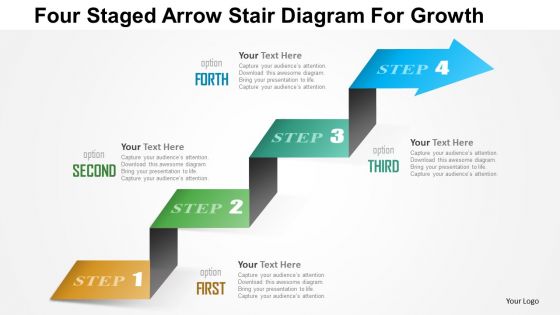
0115 four staged arrow stair diagram for growth powerpoint template




Try Before you Buy Download Free Sample Product
 Impress Your
 Audience
 100%
100% Editable
 Save Hours
 of Time


Ride the beam with our 0115 Four Staged Arrow Stair Diagram For Growth Powerpoint Template. Your thoughts will fly accurately to their target.
People who downloaded this PowerPoint presentation also viewed the following :
0115 four staged arrow stair diagram for growth powerpoint template with all 5 slides:
Click on "Share" with our 0115 Four Staged Arrow Stair Diagram For Growth Powerpoint Template. Work your ideas around the digital divide.





FAQs for 0115 four staged arrow stair diagram for
Track your revenue growth, customer acquisition cost, and lifetime value first - those are your bread and butter. If you're doing subscriptions, monthly recurring revenue is obviously huge. Retention rates matter way more than people think though. Seriously, it costs like 5x more to get new customers than keep current ones. Don't forget burn rate and runway so you know when you'll be eating ramen again. Pick maybe 4-5 metrics max that actually fit your business model. I've seen too many founders get lost in spreadsheet hell tracking everything. Just set up something simple you can check weekly with the team.
Ok so basically you want to look at "pro forma" numbers - that's just fancy talk for what your financials would've looked like if you owned those acquired companies the whole time. Strip out all the revenue from stuff you bought during that period. What's left? That's your organic growth. Most companies actually do this breakdown in their earnings reports anyway since investors want both numbers. Honestly once you do it a few times it clicks pretty fast. The whole point is seeing how your actual business is doing vs just buying growth, which... let's be real, some companies definitely try to do.
Dude, you gotta innovate or you're dead in the water. Markets change constantly and customers always want the next best thing. Sure, you can ride your current products for a bit, but that won't last forever. Look at Blockbuster - perfect example of what happens when you don't adapt. Innovation creates new ways to make money and helps you solve problems others can't. Don't just wing it though. Actually budget for R&D and pay attention to what's frustrating your customers. That's where the real opportunities are hiding.
Dude, presentation structure is everything - it shows investors you can organize complex stuff, which means you'll probably handle their cash well too. The story flow has to make sense from problem → solution → market without confusing anyone. I've literally watched amazing startups bomb because their pitch was a mess (so painful to see). Clean slides help, good data visualizations, momentum building toward your ask. Oh and practice those transitions between sections! Nothing worse than awkward pauses when you're trying to sound confident. Trust me on this one.
Honestly, nail these three things first: product-market fit, keeping customers around, and systems that can scale. Don't dump money into marketing until you're actually solving a problem people care about - seen way too many startups blow their budget on that mistake. Keeping current customers happy beats chasing new ones every time since it's so much cheaper. Oh, and build everything to handle like 3-5x what you're doing now. Track your unit economics obsessively. The whole game is growing revenue faster than costs without your quality going to shit.
Honestly, customer feedback is like having a cheat code for your business. It tells you what's actually broken instead of you just guessing. Your customers will literally tell you what they want - and it's usually not what you'd expect. Fix those pain points and you'll create loyal fans who recommend you to everyone. The whole "feedback loop" thing might sound cheesy but it genuinely works. Here's the thing though - most people collect feedback then do nothing with it. Don't be that person. Pick one complaint you got this week and make a quick fix. Even small changes show customers you're listening.
Honestly, digital marketing is perfect for small businesses - you can actually target your ideal customers instead of just hoping they'll see your ad. Social media, email, SEO... it's all way cheaper than traditional stuff and you can track what works. My cousin spent a fortune on radio ads last year and got maybe three calls from it. With digital you'll know exactly how many people clicked, bought, whatever. Don't try to do everything though. Pick one platform where your customers actually spend time and get good at that first. Way better than spreading yourself thin across every channel.
Oof, cash flow gets messy fast - that's probably the worst part. Finding good people quickly enough is brutal too. All your systems that worked perfectly? They'll just... break when volume hits. It's wild how fast everything falls apart honestly. Company culture gets weird with so many new faces, and customers start complaining because you can't keep up. Oh and customer service - yeah, that goes to hell first. Start building your team and infrastructure way before you think you need it. Like, way before. Trust me on that one.
Dude, culture is everything when it comes to scaling up. Strong culture means your team actually moves in the same direction instead of everyone doing their own thing. Decision-making gets so much faster too. The talent retention piece is massive - constantly hiring new people kills your momentum. I've literally watched companies with okay products crush competitors who had way better tech, just because their culture let them execute quickly. Oh and adapt when things go sideways, which they always do. Define your values early and don't just put them on a poster somewhere.
Honestly, going global is like switching from perfecting one thing to juggling ten balls at once. You'll burn through way more cash upfront - market research, making everything work locally, dealing with regulations in each country. The operational stuff gets messy fast (learned that the hard way). Currency swings and political drama become your new headaches, plus one cultural screw-up can kill your momentum. But yeah, the revenue potential is huge if you nail it. My advice? Pick one market that's similar to yours first. Test everything there before you go crazy expanding everywhere.
Honestly, just dig into what you already have first - most companies are sitting on goldmines of customer data they're not even using. Check out your best customers and see what they have in common, then hunt for more people like them. Sales spikes can tell you a lot too... like maybe there's seasonal stuff you're missing or products that could do way better with the right push. I always think it's weird how many businesses rush to buy expensive analytics tools when their existing data is basically screaming the answers at them. Focus on your most profitable segments and figure out how to either find more of those people or sell them extra stuff.
Dude, the economy basically calls the shots on your growth plans whether you like it or not. Good times? Go nuts with hiring and expansion. Recession hits? You're suddenly all about efficiency and keeping existing customers happy instead of chasing new ones. I swear it's like planning a beach day when the forecast keeps flip-flopping. Building flexibility into your strategy from day one is clutch though - that way you can pivot without totally screwing yourself over. Oh, and sometimes consolidation beats growth anyway, which sounds counterintuitive but whatever.
Honestly, it's all about knowing what each group actually gives a shit about. Executives want the big picture stuff - ROI, strategic impact, high-level numbers they can digest quickly. Your team needs the nitty-gritty: timelines, who's doing what, resource allocation. Customers? They just want to know what's in it for them. I always get caught up perfecting slides when I should be spending that time figuring out my audience first. Pro tip: before you even open PowerPoint, ask yourself what this specific group needs to hear to actually get behind your plan.
So diversification just means spreading your money around different stuff instead of going all-in on one thing. Like if tech crashes, maybe your healthcare stocks are doing fine. You're not trying to pick winners or time anything perfectly - just staying in the game across different areas. Honestly, broad index funds make this super easy without having to overthink which sectors to choose. The whole point is smoothing out those crazy ups and downs while still growing your money. You'll miss some of the wild gains but also dodge the brutal losses.
Honestly, partnerships are a total game-changer because you get access to stuff you don't have - their customers, expertise, whatever. Instead of burning through cash trying to build everything yourself, you can split costs and tap into their skills. Way less risky too. You can test new markets without going all-in financially, which is honestly just smart business. I mean, why reinvent the wheel if someone already has what you need? The trick is finding companies that fill your gaps. What's your biggest weakness right now? Start there and work backwards to find the right fit.
-
Great quality slides in rapid time.
-
Great designs, really helpful.