


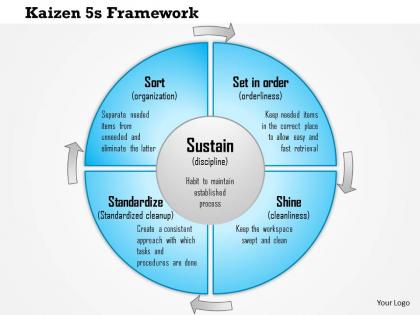
0614 kaizen 5s framework for standard business processes powerpoint presentation slide template




Try Before you Buy Download Free Sample Product
 Impress Your
 Audience
 100%
100% Editable
 Save Hours
 of Time


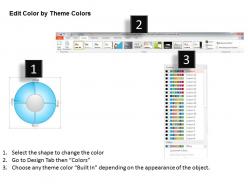
Craving for continuous business improvement? You may want to go through Kaizen 5s framework for standard business processes PowerPoint presentation slide template, designed by Slideteam professionals. This effective 5s methodology PPT slide template sort, organizes (set in an order), shine, standardize and sustain the business processes for the non-stop progress of your organization. These 5s process diagrams slides clearly set the standards and regularly work on galvanizing them. Since we know there are multiple 5s frame PPT slides scrolling on the web, this Kaizen process image PowerPoint presentation determines measurements against needs, innovate to achieve the set standards or to make improvements, standardize the activities and the operations and finally communicate the business processes, using 5s frames. Inspired to use this Productive PowerPoint Presentation Template for your organization? Why second thought, then? Download and go ahead with your business improvement. If you want your message to go through then your audience must tune into your message. Visually interesting 0614 Kaizen 5s Framework For Standard Business Processes Powerpoint Presentation Slide Template can help do that exactly the way you want it.
People who downloaded this PowerPoint presentation also viewed the following :
0614 kaizen 5s framework for standard business processes powerpoint presentation slide template with all 5 slides:
Develop greater goodwill with our 0614 Kaizen 5s Framework For Standard Business Processes Powerpoint Presentation Slide Template. Folks feel friendlier towards you.

FAQs for 0614 kaizen 5s framework for standard business processes powerpoint
So kaizen is all about tiny daily improvements instead of huge changes - like that "1% better every day" thing. Gets your whole team spotting problems and suggesting quick fixes. Works pretty much anywhere too - factories cut defects, hospitals speed up patient care, restaurants get faster service. My old manager was obsessed with it actually. The trick is picking one annoying process everyone hates and having people brainstorm small tweaks you can try right away. Don't overthink it - just find something that bugs your team this week and start there.
So with Kaizen, your employees are the ones spotting problems and fixing stuff daily - totally opposite from traditional management where executives call all the shots. Most companies wait for quarterly reviews or huge overhauls, but honestly? You've already lost so much efficiency by then. Small tweaks happening constantly work way better. Your team becomes actual problem-solvers instead of just following orders. I think the biggest difference is everyone starts feeling like they own the improvements, you know? Rather than sitting around waiting for management to swoop in and fix everything.
Oh totally, remote Kaizen can work great! Digital tracking actually makes improvements way more visible than before. We do virtual gemba walks through screen shares, and tools like Miro are perfect for mapping out processes together. Remote work kinda forces you to document everything anyway - which is exactly what Kaizen needs. Your team meetings become these focused improvement sessions instead of random complaints (which honestly was my experience before). Try picking one annoying workflow thing that bugs everyone and spend 15 minutes in your next call just brainstorming quick fixes. Those small wins add up fast.
Dude, Toyota's the classic example here - they built their whole thing around Kaizen. Workers constantly pitch tiny improvements that somehow add up to huge efficiency gains. Ford cut their assembly time by 25% just from listening to employee suggestions about the line setup. Even small manufacturers see wins from basic stuff like moving tools closer or adjusting workstation heights so people aren't as tired. What I love is none of this requires massive spending - it's just being smart about the details. Honestly? Start by asking your floor workers what annoys them every day. They'll have the best ideas since they're actually doing the work.
Look, engagement makes or breaks Kaizen - I've seen this play out so many times. Your frontline people will catch improvement opportunities that completely fly under management's radar. But here's the thing: without buy-in, it just becomes another corporate initiative everyone rolls their eyes at. The whole concept relies on workers feeling like their suggestions actually count for something. Honestly, focus way more energy on getting people pumped about contributing ideas than obsessing over perfect processes. That's where the real magic happens. Skip that step and you're basically dead in the water.
Before you start any Kaizen stuff, get your baseline numbers down - cycle times, defect rates, waste levels, that kind of thing. Employee engagement scores are huge too since you need people actually bought in (otherwise you're just wasting everyone's time). Check your data monthly or quarterly against where you started. Don't go crazy tracking every possible metric though. Pick like 4-5 things that actually matter for what you're trying to fix. The whole point is seeing real improvement, not drowning in spreadsheets.
Honestly? Resistance to change is your biggest enemy here. People get super comfortable with their routines and think Kaizen just means extra work. Leadership buy-in matters too - without it, you're basically screwed because this stuff needs time and resources. Companies mess up by throwing too many improvement projects at people simultaneously. That's just asking for burnout, trust me. Start with small wins and volunteers who actually want to participate. Make sure managers are doing the work themselves, not just telling others to do it. Oh, and give people actual work time for improvements - can't be an add-on responsibility.
Yeah, totally! Service businesses might actually be better suited for kaizen than manufacturing. You're working with processes and people interactions instead of physical stuff. Pick anything that's bugging your team - maybe customer onboarding takes forever, or your booking system is clunky. I know restaurants that used it for table turnover (smart move), and consulting firms for project delivery. Honestly, the magic happens when everyone starts spotting those little daily frustrations. Just grab one annoying process and have the team throw out quick fixes you could try this week. Small tweaks add up fast.
Oh man, culture is HUGE for Kaizen success. Hierarchical workplaces? Forget about it - nobody wants to critique their boss's processes. Some cultures are super individualistic too, which clashes with the whole team collaboration thing that makes it work in Japan. Plus there's this expectation problem - people want instant results but Kaizen is more like... slow and steady wins the race, you know? I've seen companies try to copy-paste the Japanese model and it totally backfires. Way better to figure out how your people actually communicate first, then tweak the approach to match that vibe.
So Kaizen works really well with stuff like 5S for organizing your workspace, plus value stream mapping to spot waste. PDCA cycles are huge - honestly, they're like peanut butter and jelly with Kaizen for testing changes step by step. Gemba walks let you actually see what's happening on the ground. Root cause tools like fishbone diagrams help figure out why things break. Oh, and kanban boards are great for visualizing workflow - though I feel like everyone's obsessed with those lately. Don't go crazy trying every tool though. Pick maybe 2-3 that actually make sense for your team and start there.
Honestly, just start tiny with this stuff. Have everyone spend like 5 minutes weekly pointing out one small thing that annoys them about work. Maybe it's how you guys handle customer emails or how messy the workspace gets - whatever. Your team already knows what's broken since they're the ones actually doing it. Skip the expensive consultants for now. When something goes wrong, try asking "why" five times in a row. Sounds dumb but it actually works to find the real problem. I've seen teams save hours just from fixing these little irritating things.
Dude, your leaders have to actually walk the walk or Kaizen's toast. I've watched so many companies where managers just talk about improvement but never actually do it themselves. Your leadership needs to admit when they screw up and genuinely ask "how do we fix this?" - then actually listen to answers. People won't suggest changes if they're scared of getting shut down. Celebrate the small stuff too. Oh, and give people time to try new things instead of just piling on more work. Bottom line: if leadership doesn't participate in improvements themselves, nobody else will either.
Honestly, tech is a game-changer for Kaizen because you get real numbers instead of guessing. Sensors show you exactly where things slow down. Real-time tracking means you'll catch problems as they happen, not weeks later. The collaboration part is huge too - way better than those sticky notes that always fall down (so annoying). AI can even predict issues before they blow up. My advice? Start with just one process you want to fix. Get some data flowing first. Once you see what patterns emerge, you can expand from there.
Here's the thing about Kaizen - it completely flips how people think. Instead of "we've always done it this way," your team starts asking "how can we make this better?" Pretty cool shift, honestly. People begin suggesting improvements without waiting for bosses to tell them what to do. They're not scared to bring up problems because you're fixing processes, not pointing fingers. The small changes add up fast too. Once teams get hooked on it (and they do get hooked), you celebrate trying new things as much as actual wins. Keeps everyone motivated to keep tweaking stuff.
Definitely celebrate wins publicly - that's huge for keeping people hooked. Rotate who's leading stuff so it doesn't just fall on the same person every time. I'd set up regular check-ins where everyone shares their projects. The death of momentum happens when teams think they're "done" after one success, which honestly drives me crazy. Don't let people get too comfortable! Always hunt for new problems to solve. Oh and this is key - give people actual work hours to participate, not just extra homework on top of everything else. Small pilots in different areas work great for testing things out.
-
Awesome use of colors and designs in product templates.
-
Nice and innovative design.