

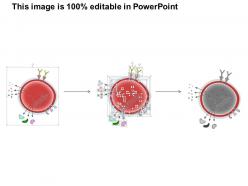
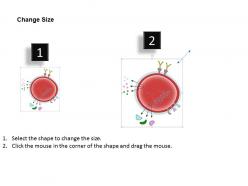
0814 staphylococcus aureus bacterium medical images for powerpoint





Try Before you Buy Download Free Sample Product
 Impress Your
 Audience
 100%
100% Editable
 Save Hours
 of Time


Create a friendly environment with our 0814 Staphylococcus Aureus Bacterium Medical Images For Powerpoint. Attract customers with an amiable approach.
People who downloaded this PowerPoint presentation also viewed the following :
0814 staphylococcus aureus bacterium medical images for powerpoint with all 10 slides:
Dwell on it with our 0814 Staphylococcus Aureus Bacterium Medical Images For Powerpoint. Go ahead with an elaborate explanation.


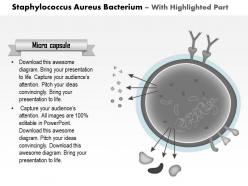
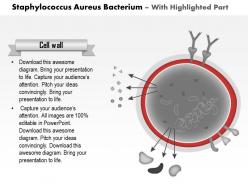
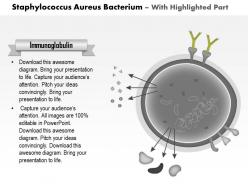
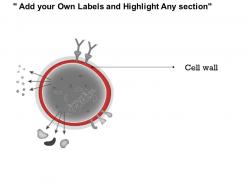


FAQs for 0814 staphylococcus aureus bacterium medical
So basically, coagulase test is your best friend here - S. aureus will clump up your plasma while other staph won't. Those golden colonies are a dead giveaway too (that's literally why they named it "aureus"). Most strains turn mannitol salt agar yellow and show beta-hemolysis on blood agar. Honestly, the coagulase test alone usually does the trick though. S. epidermidis and other coagulase-negative staph just can't pull off that clumping reaction. Oh, and they're catalase-positive but tbh most staph are anyway so that's not super helpful for narrowing it down.
So S. aureus is this sneaky bacteria that lives on pretty much everyone's skin and nose - like 30% of us have it just chilling there doing nothing. Most of the time it's totally harmless. But if you get a cut or your immune system takes a hit, that same harmless bacteria can suddenly cause serious problems. We're talking skin infections, pneumonia, even sepsis which is scary stuff. It's honestly wild how the same bug can be so chill one day and dangerous the next. Just depends on timing and how strong your defenses are. Good hygiene helps, especially around hospitals.
Staph aureus is honestly pretty versatile - it'll cause anything from basic skin infections like impetigo to scary stuff like blood infections and heart valve disease. The skin problems are usually no big deal, but when it gets invasive? That's when things get messy. MRSA makes everything harder since you're stuck with fewer antibiotic choices. Treatment totally depends on what you're dealing with - endocarditis needs weeks of IV meds while skin infections might just need some oral antibiotics. Oh, and always try to get cultures because resistance is all over the map depending where you are. Makes a huge difference in picking the right drug.
So basically S. aureus gets scary good at developing resistance through mutations and swapping genes with other bacteria - they're like little survival experts sharing notes. MRSA has this mecA gene that makes a protein (PBP2a) that just shrugs off methicillin and similar antibiotics. The real kicker? Misusing antibiotics creates pressure that helps resistant strains take over. Hospitals are breeding grounds for this stuff, honestly. Best defense is proper antibiotic use and solid infection control - though I know that's easier said than done in practice.
Okay so S. aureus is honestly everywhere in hospitals - causes like 20% of all healthcare infections. Surgical sites, bloodstream stuff, pneumonia from ventilators. MRSA is the real nightmare though since most antibiotics just bounce right off it. Hand hygiene is huge (I know, sounds basic but people still mess this up). Put colonized patients in contact precautions, clean everything with the right disinfectants. Antibiotic stewardship programs help too - can't just throw random meds at it. Screen patients regularly to catch carriers early. Basically assume it's there until proven otherwise. My ICU rotation taught me that paranoia actually pays off with this bug.
So basically S. aureus has all these nasty tricks that make it super pathogenic. Adhesins help it stick to stuff like catheters and heart valves. Then you've got toxins like hemolysins that literally punch holes through cell membranes - kinda terrifying when you think about it. Hyaluronidase breaks down tissue barriers so it can spread easier. There's also this clever protein A that binds antibodies the wrong way around, which totally confuses your immune system. Plus coagulase forms protective clots around the bacteria. That's why staph infections are such a pain to clear and form those stubborn biofilms.
Oh dude, your lab really needs to get with the times! MALDI-TOF is a total game-changer - it can ID S. aureus from blood cultures in literally minutes. Most places are also using multiplex PCR now, which is sweet because you get both the species identification AND the MRSA resistance info all at once. Way better than waiting around for days with old-school culture methods. Some labs have these chromogenic agars that actually change colors for different staph species, which is kinda neat I guess. Honestly, if you're still waiting 2-3 days for results, someone needs to have a conversation with your lab about upgrading their setup.
Yeah, so no approved staph vaccines exist yet - super frustrating actually since several looked really promising but bombed in late trials. The problem? Staph aureus is ridiculously sneaky at dodging immune responses. It's got multiple ways to mess with us, so those early single-target vaccines just didn't cut it. The bacteria basically found workarounds every time. Scientists are now trying multi-target approaches instead, plus fancy adjuvants to amp up immune reactions. Honestly though, if you're looking at antimicrobial stuff, I'd focus on combination therapies. Vaccines probably won't be our magic solution here.
Okay so basically you wanna watch out for crowded places with crappy ventilation - like gyms, schools, locker rooms. Those are the worst. S. aureus spreads through touching contaminated surfaces AND direct contact with people. Hot humid spots are terrible too since the bacteria just thrives in that gross environment. I swear gyms are like petri dishes sometimes. Your best bet is focusing on better air flow and cleaning surfaces way more often in risky areas. Don't forget it hangs around longer on surfaces when it's humid out.
So basically, you need surveillance programs tracking resistance patterns - catch outbreaks before they spread everywhere. Education is honestly the biggest game changer here. Healthcare workers AND regular people need to understand proper antibiotic use, because unnecessary prescriptions are what create these superbugs in the first place. Hand hygiene in hospitals is still weirdly underrated, plus contact precautions for infected patients. The tricky part? Getting all these different groups - hospitals, public health, doctors' offices - to actually coordinate instead of doing their own thing. It's like herding cats sometimes.
So basically S. aureus forms these protective slime layers on medical devices that act like shields. Antibiotics can't get through properly, and your immune cells can't reach the bacteria hiding inside. The biofilm also messes with oxygen levels which makes the bacteria super slow and even harder to kill with drugs. Pretty wild how they've evolved this defense system, right? That's why doctors often have to yank out infected devices instead of just pumping you full of antibiotics. The bugs are just too protected otherwise.
So basically these asymptomatic carriers are like walking germ dispensers - they spread S. aureus without even knowing it. Your colonized patients? They're way more likely to get nasty invasive infections during procedures or if their immune system tanks. MRSA carriers are obviously the worst nightmare for infection control. Here's the annoying part though - colonization comes and goes, so a negative swab doesn't mean you're in the clear. I'd definitely screen high-risk folks before surgery and think about decolonization protocols when it makes sense.
So basically your body tries to fight S. aureus the usual way - neutrophils show up first, then T-cells and antibodies kick in. But here's the thing: this bug is ridiculously good at dodging your immune system. It makes toxins, hides in biofilms, and can literally survive inside the cells that are supposed to kill it. That's why S. aureus infections look so different from person to person and why some just won't go away. You can't count on your immune system to clear it alone - you'll need strong antibiotics, maybe even combination therapy for the really stubborn ones.
Oh yeah, there's actually some cool stuff in development! Phage therapy is probably the most interesting - basically using viruses to hunt down and kill the bacteria. Sounds like something out of a movie, but it's real and working pretty well for MRSA. They're also working on vaccines and special antibodies to help your immune system fight back better. Plus there are these antimicrobial peptides that show promise. Honestly, the phage trials are what I'd watch - they seem legit. Some of these can even work alongside regular antibiotics too.
Honestly, the genetic stuff is a game changer for staph. You can spot resistance genes before they become a nightmare and track how outbreaks spread through your facility. Plus genomics shows you which strains are gonna be the real troublemakers - some are just nastier than others. It's wild how much you can predict about treatment response just from sequencing. Short version: bug your lab about getting genomic capabilities if they don't have it yet. Worth the investment since targeted therapy beats guessing every time.
-
Appreciate the research and its presentable format.
-
Enough space for editing and adding your own content.