

5 Step Approaches Ppt Visual Aids Infographic Template Perform Gap Analysis




Try Before you Buy Download Free Sample Product
 Impress Your
 Audience
 100%
100% Editable
 Save Hours
 of Time


Deliver irrefutable arguments with our 5 Step Approaches Ppt Visual Aids Infographic Template Perform Gap Analysis. The facts included have been fully investigated.
People who downloaded this PowerPoint presentation also viewed the following :
5 Step Approaches Ppt Visual Aids Infographic Template Perform Gap Analysis with all 14 slides:
Divide the burden with our 5 Step Approaches Ppt Visual Aids Infographic Template Perform Gap Analysis. They will definitely contribute their half.
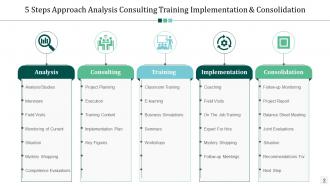
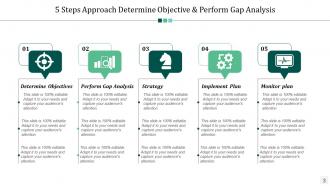
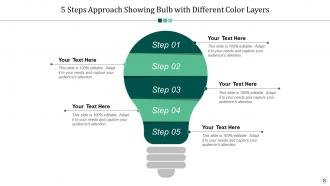
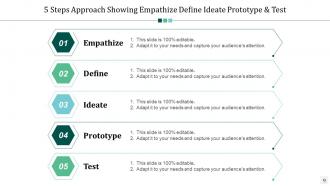
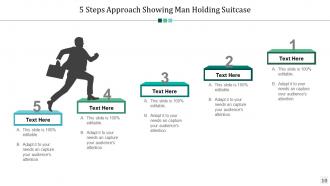
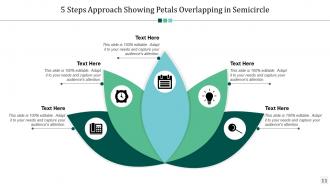

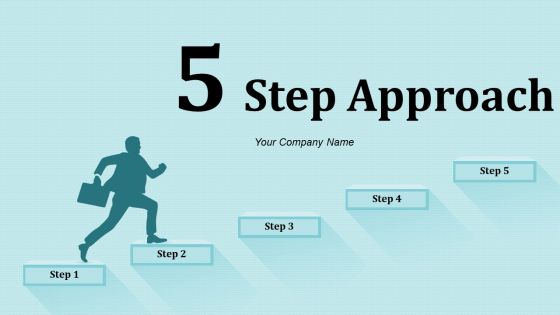
FAQs for 5 Step Approaches Ppt Visual Aids Infographic Template
Okay so for gap analysis you basically need four things. Figure out where you actually are right now - be honest, don't sugarcoat it. Then map out where you want to be with real numbers and goals. The fun part is finding what's missing between those two points. You'll probably discover stuff you weren't even thinking about, which is kinda the whole point. After that, just pick which gaps matter most and are actually doable. Oh and start with something small first - builds confidence and shows everyone it actually works.
Start by writing down how you actually do things now, step by step. Then stack that against what you want to happen or what others in your industry are doing. Hunt for bottlenecks and spots where stuff consistently breaks down - that's where your problems live. Customer complaints are honestly gold for this, plus your team will tell you straight up what's not working. Track your cycle times and error rates too. The trick is being real about what's actually going down versus what you think is happening. Oh, and document it all so you can figure out what to fix first - otherwise you'll just be spinning your wheels.
Honestly, most people jump straight to SWOT analysis or skills matrix stuff. Performance benchmarking works too if you've got the data. Process mapping is clutch for visualizing where you are vs where you wanna be - way easier to spot the gaps that way. You could do stakeholder interviews for the more touchy-feely insights. McKinsey's 7S thing is solid but feels kinda pretentious sometimes? For smaller projects though, I'd just do a basic current vs future state comparison in Excel. Don't overcomplicate it right off the bat - start simple and layer on fancier analysis if you need it later.
So gap analysis is basically your business GPS - it shows where you're at now versus where you wanna be. You can spot exactly what's missing in terms of resources, skills, or performance. Honestly, it's one of those things that sounds obvious but most people skip doing properly. The trick is being super honest about your current situation (no sugarcoating). Once you've got that clear picture, you'll know exactly what to prioritize and where to put your money. It's like having a roadmap instead of just wandering around hoping things work out.
Honestly, you really need stakeholder feedback or your gap analysis is pretty much useless. People on the ground see things way differently than what looks good on paper - and they're usually right. They'll catch gaps you totally missed and tell you which ones actually matter vs which are just nice-to-have fixes. Plus without their input, good luck getting anyone to act on your findings. The key is asking the right mix of people though. Don't just talk to managers - get different perspectives from various departments and levels. Otherwise you're missing half the story.
Honestly, tech makes gap analysis so much better - you're not stuck doing manual data collection that's bound to have mistakes. Analytics tools catch patterns you'd totally miss on your own. Real-time dashboards are game-changers too since you get current info instead of old data that's already useless. The AI prediction stuff is actually pretty impressive - it flags future gaps before they blow up. Survey platforms help standardize how different departments share info, which is clutch. Oh, and automated reporting saves tons of time. Just make sure whatever tools you pick play nice with your current systems or you'll create more headaches.
So quantitative gap analysis is all about the hard numbers - revenue drops, performance stats, missed deadlines, that kind of thing. Pretty straightforward stuff you can track. Qualitative is more about the squishy factors like company culture, employee attitudes, or broken processes that you can't really measure. Honestly, quantitative tells you *what's* wrong but not why. That's where qualitative comes in - interviews and surveys help you figure out the root cause. Like maybe your sales are down 20% (quantitative) because your team hates the new CRM system (qualitative). You really need both to get the full picture and actually fix things.
Okay so here's what I'd do - figure out which gaps are actually blocking your big goals or creating serious risks. Those are your top priority, obviously. Then think about timing because some stuff becomes urgent fast due to deadlines or compliance things. I usually make a simple scoring matrix (sounds fancy but it's basically just ranking each gap on impact vs. how doable it is). Don't try to fix everything at once though - that's a recipe for burnout. Pick a few high-impact wins you can actually pull off first. Builds momentum and makes the whole thing feel less impossible.
Track both the big picture stuff and the day-to-day metrics. Performance improvements, cost cuts, revenue bumps - those are your outcome measures that tie back to whatever gaps you found. Then add process metrics like how fast you're implementing things, adoption rates, quality scores. Before/after comparisons are clutch here. Honestly, don't sleep on stakeholder surveys either - sometimes the numbers look amazing but everyone's still pissed off. Pick maybe 3-5 metrics that actually connect to your business goals and stick with them. Consistency over time is where you'll see real impact.
Honestly? At least once a year, but it really depends on your industry. Tech and healthcare move so fast - I'd probably do quarterly checks if I were you. More stable industries can get away with annual reviews. The trick is timing it right. Do them before big planning sessions or after major market changes. Also when launching new stuff. Don't be like most companies and wait until you're already scrambling to catch up - that's just painful. I always tell people to set a calendar reminder and treat it like any other must-do business review.
So gap analysis shows you where your team's skills don't match what they actually need for their jobs. Then you build training around those specific gaps instead of doing generic programs that bore everyone to death. Pretty smart, right? Companies I've worked with saved serious cash this way. You'll want to prioritize which gaps hurt most - some need formal training, others just better mentoring or processes. The trick is mapping your findings to actual learning goals, then checking if the training worked. Way better than throwing random workshops at people and hoping something sticks.
Honestly, the worst thing you can do is be super vague about where you're at right now. Like saying "our customer service sucks" instead of actual numbers. I've watched teams set these crazy unrealistic goals too - then everyone gets bummed when the gap feels impossible. Oh, and don't just sit in a conference room figuring this out by yourself! Talk to the people actually doing the work every day. They'll catch stuff you'd never see from behind your computer. Pick maybe 2-3 gaps to focus on first because trying to fix everything at once? That's how you burn everyone out.
Look, gap analysis is basically your roadmap for figuring out where you are vs. where you need to be. Think of it like GPS but for work goals. You map out your current situation - skills, resources, whatever - then compare it to what leadership actually wants. The visual part is honestly kind of satisfying once you see it all laid out. It gets everyone on the same page about priorities, which is huge. Start with where you're at now, figure out the end goal, then work backwards. That way your daily stuff actually connects to the bigger picture instead of just... existing.
Honestly, you've got to look at what matters in your specific industry first. Healthcare? HIPAA gaps will kill you. Manufacturing focuses way more on safety and supply chain stuff. Financial services has its own nightmare of regulations to deal with. Start by figuring out what "good" actually looks like in your sector - like what benchmarks and standards everyone else is hitting. Then work backwards from the most common compliance frameworks. That'll show you what's genuinely missing versus just being different from other industries.
Honestly, visuals are a game-changer for gap analysis presentations. Bar charts showing current vs target state work great - way better than boring spreadsheets that make everyone zone out. Heatmaps are clutch too for showing exactly where your biggest problems are. I swear, I've watched C-suite folks completely check out during data-heavy meetings, but add some color-coding and they're suddenly asking questions. Templates help you stay consistent whether you're talking to your boss or the whole team. Oh, and before/after comparisons really drive the point home. Start simple then get fancier as you go.
No Reviews