


Artificial intelligence how it works ppt powerpoint presentation ideas smartart





Try Before you Buy Download Free Sample Product
 Impress Your
 Audience
 100%
100% Editable
 Save Hours
 of Time


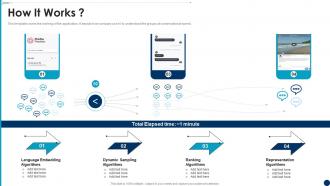
This template covers the working of the application. It depicts how company use AI to understand the groups at conversational speed.
People who downloaded this PowerPoint presentation also viewed the following :
Artificial intelligence how it works ppt powerpoint presentation ideas smartart with all 6 slides:
Use our Artificial Intelligence How It Works Ppt Powerpoint Presentation Ideas Smartart to effectively help you save your valuable time. They are readymade to fit into any presentation structure.





FAQs for Artificial intelligence how it works ppt powerpoint
Honestly, the biggest issues are bias, transparency, and who takes the blame when things go wrong. Your AI will basically learn from whatever data you feed it - so if that data's biased, congrats, you've got a biased AI making unfair decisions. Then there's this whole "black box" thing where nobody can actually explain why the AI chose what it did. That's terrifying when it affects real people's lives, right? And don't even get me started on accountability - like, if the AI screws up, is that on the developers? You? The algorithm itself? Definitely set up some human oversight and clear rules before rolling anything out.
So regular programming is basically you telling the computer exactly what to do step by step - like writing out every single rule. ML totally flips that around though. You dump a bunch of data into an algorithm and it figures out the patterns on its own. Pretty crazy if you ask me! Instead of coding "if this happens, do that" for everything, you're just training it to spot relationships and make good guesses on new stuff. Way less tedious than traditional coding honestly. You should mess around with some basic ML tutorials - seeing it work is kinda mind-blowing.
Honestly, AI can completely change how your customers experience your store. You know those "people also bought" suggestions on Amazon? That's AI figuring out buying patterns to drive more sales. Chatbots are getting ridiculously good at handling basic questions around the clock, which frees up your team for the trickier stuff. Plus AI can actually predict what people want before they realize it themselves - kind of wild when you think about it. I'd start small though, maybe with automated customer service first. Then you can expand from there based on what clicks with your customers.
So NLP is what makes chatbots actually get what you're saying instead of just matching keywords like it's 2005. It breaks down your text, figures out what you want, pulls out the important stuff, then spits back something that doesn't sound robotic. The smarter your NLP, the better it handles weird phrasing and when people jump between topics mid-conversation. Honestly, without decent NLP you're just building a fancy search function. If you're making one, get good training data and maybe start with something pre-built - saves you tons of headaches.
Honestly, most companies mess this up by not measuring anything before they start - then they can't prove it worked. Track the obvious stuff like cost savings and revenue, but also watch productivity and customer happiness scores. Pick metrics that actually match what your AI does - response times for chatbots, forecast accuracy for prediction tools, whatever. The annoying thing is ROI usually takes like 6-18 months to show up, so don't expect instant results. Just document everything from day one. Trust me, you'll need that data later when your boss asks if this whole thing was worth it.
Ugh, emotions are so messy and contextual - what looks happy to me might sound totally sarcastic to you. AI just can't handle cultural stuff or body language since it's mostly trained on text. Humans mix emotions all the time too, like being happy but anxious simultaneously. Plus there's irony and sarcasm (which honestly trips up humans half the time anyway). The AI has zero clue about your personal history or current mood that'd completely change how you'd read something. I'd definitely combine AI analysis with actual human reviewers, especially for customer stuff where you can't afford to mess up.
Dude, healthcare AI is getting crazy good at two main things. First, it's diagnosing stuff way faster - like spotting tumors in scans that doctors might miss, and doing it in minutes instead of hours. Second thing is personalized treatment. It can predict your health risks and figure out which meds will actually work for your specific DNA. What's cool is this expert-level diagnostic stuff isn't just for fancy hospitals anymore - it's spreading everywhere. Honestly, I think we're still just seeing the beginning of this. You should check if there are AI tools in your area already, they might save you tons of time.
Yeah, AI's definitely taking some jobs - the repetitive stuff like data entry and basic customer service gets hit first. Manufacturing too. But here's the thing: it's also creating jobs we never thought we'd need. Someone's gotta build and babysit these systems, right? Focus on what AI sucks at - creativity, reading people, making tough judgment calls. Those skills are golden. Don't try competing with robots at robot things. Instead, learn stuff that works WITH AI rather than against it. Honestly, the people who adapt early are gonna do fine. Start learning now though - waiting isn't really an option anymore.
So basically, AI learns from whatever data you throw at it. Feed it biased hiring records where men got picked more? Congrats, you've trained a sexist robot. The whole "garbage in, garbage out" thing but way worse since it actually affects people's jobs and lives. You can fix this though - mix up your training data, test how the algorithm treats different groups, get diverse teams checking your work. Oh and run bias audits regularly. Honestly, the hardest part is catching this stuff before you've already screwed people over rather than finding out later.
So basically, supervised learning means you're giving the algorithm examples with answers already attached - like "this photo is a cat, this one's a dog." Pretty straightforward stuff. Unsupervised is way weirder though. You just dump raw data on it and hope it finds something interesting. No labels, no guidance. It's like asking someone to organize your junk drawer without telling them what anything is. Customer groupings, weird data patterns - that kind of thing. If you've got clear examples to work with, definitely go supervised first. Way less headache.
So basically AI watches your spending patterns and catches stuff humans would totally miss. Your bank's algorithms know if you're suddenly buying expensive shit in another country while your phone's still at home - instant red flag. Machine learning gets better over time too, adapting as scammers try new tricks. The whole thing happens in milliseconds - either blocks the transaction or alerts someone to check it out. Honestly, if you're dealing with any financial data at work, you should probably see how your current fraud detection compares to these AI systems. Makes a huge difference.
So the big concerns are safety glitches, hacking, and job losses. These cars might freeze up in weird situations they've never seen before - like construction zones or whatever. Hackers could mess with entire fleets, which is terrifying honestly. Millions of truck drivers and cab drivers are gonna lose work too. Then there's the whole moral thing about how AI decides who to hit in a crash scenario. Kinda dark but important. Regulations are all over the place right now, so things'll probably change fast. Worth keeping an eye on.
Honestly, AI tools are pretty great for speeding up the boring stuff and sparking new ideas. Think rapid prototyping - concept art, rough drafts, music loops, whatever. It's like having this weird insomniac creative buddy who throws random ideas at you. Don't let it do everything though. I'd use it for background elements or initial sketches, then add your own flavor for the emotional bits. Oh, and start with just one tool that actually fits what you're already doing. No point overwhelming yourself with every shiny new app out there. Treat it as your assistant, not your replacement.
Dude, AI is crushing it for climate stuff right now. It's optimizing energy grids and helping predict weather patterns so renewable energy works better. Plus machine learning designs more efficient solar panels and wind turbines - pretty sick honestly. Your smart thermostat? That's AI learning your habits to save energy. It also processes massive environmental datasets way faster than humans ever could. Even helps optimize supply chains to cut emissions and makes buildings way more energy efficient. Oh, and carbon capture tech uses AI modeling too. If you're thinking careers or investing, definitely check out clean tech companies using AI.
So AI's getting way more sophisticated - we're talking complex decisions, not just basic stuff. Personalized assistants are about to be everywhere (think beyond Siri). Customer behavior prediction is becoming ridiculously accurate, honestly kind of creepy how good it's getting. Regulation's coming fast too, so you'll need to think about data compliance. The cool part? Smaller specialized models mean it won't cost a fortune anymore, especially for mid-size companies. My advice - just pick one process that's driving you nuts and test AI there first. Don't overthink it.
-
Easy to edit slides with easy to understand instructions.
-
Excellent template with unique design.
-
Understandable and informative presentation.
-
Awesomely designed templates, Easy to understand.
-
Qualitative and comprehensive slides.