


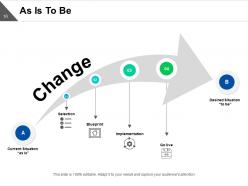
As Is To Be Develop Analysis Business Strategy Management Process Improve





Try Before you Buy Download Free Sample Product
 Impress Your
 Audience
 100%
100% Editable
 Save Hours
 of Time


Cut across boundaries with our As Is To Be Develop Analysis Business Strategy Management Process Improve. For them geography is no barrier.
People who downloaded this PowerPoint presentation also viewed the following :
As Is To Be Develop Analysis Business Strategy Management Process Improve with all 17 slides:
Cultivating ideas is their forte. Our As Is To Be Develop Analysis Business Strategy Management Process Improve allow them to germinate.

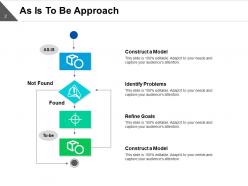
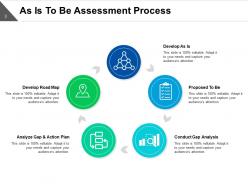
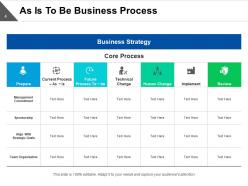
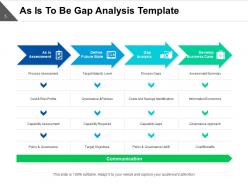
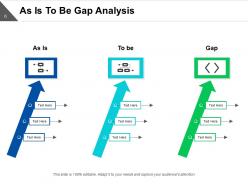
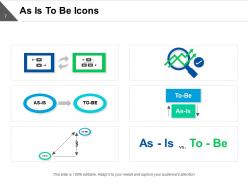
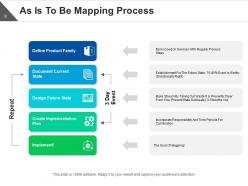
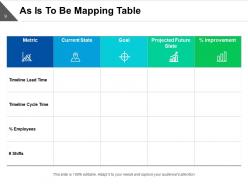



FAQs for As Is To Be Develop Analysis Business Strategy
Honestly, look for the stuff that makes everyone groan. Bottlenecks that happen every single time, crazy high error rates, or when work gets passed around like hot potato between teams. Customer complaints are obviously a dead giveaway. Does your team feel like they're always putting out the same fires? That's a massive red flag right there. I'd also check if people have built their own little workaround systems - usually means your official process sucks. Oh, and all that rework nobody talks about? Yeah, that counts too. Start by mapping your worst process and timing each step. You'll spot the pain points pretty quick.
Honestly, the biggest screwup I see is people not measuring their starting point properly - like, you can't prove anything worked if you don't know where you began. Pick 3-5 metrics that actually matter to your boss and customers, not just stuff that makes you look busy. Track things like cycle time, error rates, costs, customer satisfaction. Set real targets and check monthly. I learned this the hard way on a project once - we improved tons of internal processes but couldn't show leadership any meaningful impact because we'd been tracking the wrong things. Focus on outcomes that move the needle, not vanity metrics.
Tech basically just makes everything run smoother - automates the boring stuff and gives you actual data to work with instead of guesswork. I've watched teams literally cut their processing time in half with the right setup. Workflow tools, analytics platforms, even basic project management software can be game changers. Don't just grab whatever's trendy though (learned that one the hard way). Map out what's actually slowing you down first. Then find tech that fixes those specific problems. It's way more effective than randomly throwing tools at everything.
Don't wait until the end to ask for feedback - build it right into the whole process. Quick surveys work great, or just grab people for informal focus groups. Honestly, the people actually doing the work every day usually have the best solutions anyway. Pick maybe 3-4 processes where you really need their input and start there. Here's the thing though - you've gotta circle back and show them what happened with their ideas. Even if you can't use something, tell them why. Otherwise people stop caring and won't bother next time.
Honestly, the biggest mess-ups I see are teams trying to overhaul everything at once - recipe for disaster. Leadership loves dropping changes from above without getting people on board first. Huge mistake. Your team needs to be part of it from the start or they'll just resist. Also, don't get obsessed with some trendy methodology when you haven't even figured out what you're actually trying to fix. Document where you are now before changing anything. Start with one process, track what actually moves the needle for your business, and build from there. Way less sexy but it works.
First thing I'd do is just ask your team what pisses them off every day - that's where the real problems are. Map out your current processes and find the worst bottlenecks or error-prone stuff that's bleeding time and money. Don't overthink it initially. Make a simple scoring system: customer impact, potential savings, and how realistic it is to fix. Go after easy wins first to build some momentum, then hit the bigger headaches. Oh, and honestly? Sometimes the most obvious problems are the ones leadership totally misses because they're not in the weeds daily.
Honestly, it depends what you're trying to fix. Lean's amazing for cutting out waste - like those annoying steps that don't actually add value. Six Sigma helps when quality's the problem and you need hard data to prove it. Most projects benefit from Agile since requirements change constantly anyway (which, let's be real, they always do). Kaizen's more about tiny improvements that snowball over time. I'd probably start with Lean though - easier to get going and you'll see results fast. Then you can add other stuff once your team's used to thinking about processes differently.
Get your stakeholders involved from the start - don't just dump a finished design on them. Figure out who's affected and run workshops where you actually work through problems together. Honestly, people hate being told what to do but they'll back something they helped build. Show them what's in it for THEM personally, not just some corporate benefits. Keep talking to them throughout the process too. Address their complaints head-on and make a big deal about small wins. Oh, and map out all the pain points together first - that part's crucial. Make them feel like partners, not victims of change.
Dude, culture makes or breaks everything with process stuff. People will sabotage the best ideas if they feel like changes are getting shoved down their throats. Your team needs to feel safe calling out what's broken without getting blamed for it. I've watched brilliant process designs crash and burn because nobody bothered getting people on board first - it's painful to see. But when your culture actually embraces tweaking things? Even tiny changes can blow your mind with results. Honestly, figure out how change-resistant your team is before you start messing with big overhauls.
Honestly, data analytics is a game-changer for finding those hidden bottlenecks that drive you crazy. Track your cycle times, error rates, and how well you're using resources - the numbers will tell you exactly where things keep breaking down. Way better than just guessing based on what feels wrong day-to-day. Map out your process first, then figure out what metrics actually matter. I learned this the hard way on a project last year. Once you've got baseline data, you can track improvements and prove they're worth the effort. Numbers don't lie about where the real problems are.
Honestly, collaborative tools totally change the game because people actually start communicating instead of doing their own thing in isolation. Miro and Slack work great for mapping workflows with everyone involved - you'll spot bottlenecks way quicker and brainstorm fixes together. When teammates can drop comments right on process diagrams or ping quick updates, you catch issues before they blow up (beats sitting through another boring meeting, right?). The trick is finding something your team won't abandon after two weeks. Start simple with one platform and grow from there.
Honestly, customer feedback is like your cheat sheet for fixing the right stuff first. Look at where people are actually struggling - waiting forever, getting confused, or falling through cracks between departments. Those pain points hit both their experience and your profits. I always think of it as having insider info on where your business is secretly broken. Don't just guess what needs fixing based on what bugs your team internally. Map out where customers actually touch your processes, then let their complaints guide which projects you tackle. Some feedback will be way more valuable than others for moving things forward.
Dude, update those process maps right now while everything's still fresh. Seriously, don't wait - I made that mistake once and spent hours trying to remember what we actually changed. Document WHY you made each change, not just the new steps. Trust me on this one. Six months from now you'll thank yourself. Keep it simple with screenshots and examples if you can. Oh, and make sure you note who does what and any new tools you're using. Get your team to look it over before you call it done - they'll probably catch stuff you missed anyway.
You gotta bake this stuff right into how people already work - otherwise it just becomes another forgotten to-do. Set monthly check-ins to catch backsliding (trust me, it happens). Your team will actually spot issues way before you do, so get them watching for problems too. Honestly, I've watched so many good changes just... die because the hype faded. Track the metrics that actually matter and make noise when things go right. Oh, and set up some basic alerts in whatever systems you're already using - keeps it simple.
So basically incremental is like tweaking what you already do - maybe shaving off a few approval steps or automating some boring data entry stuff. You're looking at 10-15% improvements, nothing crazy. Transformational though? That's when you say "screw it, let's rebuild this whole thing from scratch." Way riskier and costs more upfront, but the payoff can be huge. Honestly, I'd start small with the incremental wins first. Gets people on board and shows results. Then once leadership's happy, that's when you can pitch the big scary changes that'll actually move the needle.
No Reviews