


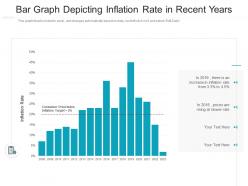
Bar graph depicting inflation rate in recent years





Try Before you Buy Download Free Sample Product
 Impress Your
Audience
 100%
Editable
 Save Hours
of Time


Our Bar Graph Depicting Inflation Rate In Recent Years are topically designed to provide an attractive backdrop to any subject. Use them to look like a presentation pro.
People who downloaded this PowerPoint presentation also viewed the following :
Bar graph depicting inflation rate in recent years with all 2 slides:
Use our Bar Graph Depicting Inflation Rate In Recent Years to effectively help you save your valuable time. They are readymade to fit into any presentation structure.

FAQs for Bar graph depicting inflation rate
Dude, it's basically a perfect storm right now. Supply chains are still screwed up from covid, companies can't find workers so they're throwing money at people, and don't even get me started on rent prices. Gas keeps bouncing around too which doesn't help. The Fed printed so much money over the past few years and we're still feeling that. Housing and wages are probably gonna stick around the longest - those don't fix themselves overnight. Oh and shipping delays are still making everything cost more. Wild times honestly.
Ugh, inflation basically means your money doesn't go as far anymore. Like that $100 grocery run? Same exact stuff now costs $103 when inflation hits 3%. Your paycheck stays the same but everything gets pricier. What really sucks is how it hits people differently. Buy lots of groceries and gas? You're gonna feel it way more than someone splurging on random luxury stuff. I swear it's always the essentials that jump up first too. Definitely worth tracking your monthly spending when this happens - might need to tweak your budget.
So basically, central banks are the government's go-to for fighting inflation. They mess with interest rates - bump them up when prices get crazy, drop them when the economy needs a boost. They also control money supply through bond buying (quantitative easing and all that). Honestly, the timing is tricky since there's always a delay before you see results. Sometimes they nail it, sometimes... not so much. If you're curious where rates are headed, just watch Fed meetings - they're pretty telling. It's like economic whack-a-mole but with way higher stakes.
Get your pricing and supplier contracts sorted before inflation smacks you. Lock in deals where you can, but throw in some escalation clauses so you're not eating losses later. Cash flow forecasting is honestly a lifesaver here - run different inflation scenarios to see what breaks. Diversify your suppliers too because price shocks are sneaky like that. Stay flexible with pricing but be upfront with customers about increases (they usually get it). Oh, and stress-test your margins against various inflation rates now. Better to find problems on spreadsheets than in real life.
Ugh, inflation is such a pain for investing. Your stocks will probably bounce around like crazy in the short run because everyone's panicking about rate hikes. Bonds? They're gonna tank as rates go up. Cash is obviously getting destroyed right now. But here's the thing - decent companies can usually raise their prices eventually, so quality stocks tend to bounce back. REITs and commodities are solid hedges too. Growth stocks get hit way harder than value stocks though, which honestly makes sense. Maybe think about moving some money into inflation-protected stuff if this mess continues.
Honestly, inflation hits different sectors in totally opposite ways. Energy and commodity companies usually crush it since their prices just go up with everything else. Real estate's pretty solid too - property values climb. But utilities and some retail companies? They're screwed because they can't easily raise prices or their margins are already razor-thin. Tech's been all over the place lately (those rate hikes are brutal). Banks sometimes do okay with higher rates, but anything consumer-related gets destroyed when people stop spending. The real question is which companies in your portfolio can actually pass their higher costs onto customers. That's what separates the winners from the losers.
So basically when unemployment drops, inflation usually goes up - it's called the Phillips Curve. Low unemployment means workers can demand better pay, which drives prices higher. High unemployment? Less wage pressure, so inflation cools off. Though the 1970s totally broke this pattern with stagflation (weird times). The relationship isn't set in stone and other stuff can mess with it. But yeah, tight job markets generally mean you're gonna pay more for everything. Economics is fun like that.
Inflation and rates usually move together - when prices spike, the Fed jacks up rates to cool things down. Makes borrowing pricier so people spend less. Think of it like tapping the brakes on a car that's going too fast. Bond markets are pretty smart though, they'll often price in rate hikes before they even happen. So you'll see yields climb ahead of Fed meetings. Honestly, I just watch the CPI reports now since they're basically a crystal ball for where rates are going next. Way easier than trying to guess what Powell's thinking.
Honestly, keeping everything in regular savings is kinda pointless when inflation's eating 3-4% of your money each year. I-bonds are super boring but they actually work - they adjust with inflation automatically. TIPS do the same thing if you want something fancier. Real estate and stocks are obviously riskier, but historically they've beaten inflation over the long haul. Maybe look into some inflation-focused funds too, or even commodities if you're feeling adventurous. Just don't let your whole emergency fund sit there earning like 0.5% while everything gets more expensive. Move at least some of it into stuff that can actually keep up.
So basically inflation messes with currency values and makes trade costs go crazy. Your currency gets weaker when you've got higher inflation than other countries. Exports become cheaper for foreigners but imports cost way more - it's honestly like watching a seesaw. Supply chains get all wonky because businesses can't afford the same foreign goods anymore. Companies start going nuts with currency hedging too. Oh, and trade relationships can get pretty strained. Watch inflation differences between big economies though - they'll usually tell you which way trade flows are gonna shift before it actually happens.
So basically hyperinflation happens when governments go crazy printing money to pay off huge debts. Germany did this after WWI with those brutal reparation payments. Zimbabwe's economy totally collapsed in the 2000s, same thing. Venezuela's been a mess since oil prices tanked - honestly feel bad for people there. Hungary after WWII was the worst case ever recorded, which is wild. You'll see warning signs like massive government deficits, foreign investors fleeing, and people hoarding stuff instead of keeping cash. It's always the same recipe: too much money printing plus some major crisis that kills trust in the currency.
So basically, emerging markets get screwed when inflation hits - they have to jack up rates way faster than places like the US. Their currencies are too shaky to mess around. America can just chill through temporary price spikes, but developing countries? Investors bolt at the first sign of trouble. I learned this the hard way watching my Brazil ETF tank in 2021. Anyway, if you're investing internationally, emerging market central banks are like canaries in a coal mine. They'll start hiking rates aggressively before anyone else when real inflation pressure builds.
So inflation basically screws with government budgets in a few ways. Prices go up, but their money doesn't stretch as far anymore - kinda like when your usual grocery run suddenly costs way more. They end up having to either raise taxes, cut programs, or borrow more money. All pretty unpopular moves, obviously. There's one weird silver lining though - if they already have debt, they're technically paying it back with dollars that are worth less now. It's like paying back a loan with Monopoly money (sort of). Watch how your city handles budget meetings during times like this - it gets messy.
So inflation data is actually super useful for business decisions - pricing, inventory, hiring, all that stuff. When it's climbing, you'll want to adjust prices more often or lock in supplier deals before costs jump. Honestly, way too many businesses ignore this and get burned later. High inflation makes people hunt for cheaper options, so maybe push your budget products or lean into value messaging. Oh, and definitely look at forecasts too, not just current numbers - they'll help with salary talks and big investments. CPI comes out monthly so that's a good starting point.
Dude, inflation totally screws with people's minds. Everyone gets that "buy now before it costs more" panic, which honestly just makes everything worse. You see it everywhere - people hoarding stuff, rushing to buy cars or appliances they've been putting off. Remember the whole toilet paper thing? Same energy, different products. Most folks start buying cheaper alternatives and skip non-essential stuff, which can really shake up different markets. Here's what's wild though - customer behavior shifts way faster than actual prices do. So if you're running a business, that psychological shift hits before the real price changes even show up.
-
Visually stunning presentation, love the content.
-
Good research work and creative work done on every template.
-
Thanks for all your great templates they have saved me lots of time and accelerate my presentations. Great product, keep them up!
-
Good research work and creative work done on every template.
-
Great quality slides in rapid time.
-
Top Quality presentations that are easily editable.