


Budgeting Techniques Methods And Strategies Powerpoint Presentation Slides
Explore our content-ready budgeting techniques methods and strategies PowerPoint presentation slides. This financial plan PPT show helps you set long-term financial goals. Furthermore, our predesigned zero-based budgeting presentation illustrations help you determine the cash inflows and project investment. These versatile flexed capital methodology PPT visuals cover all the necessary slides such as financial planning, the requirement of data collection form, cash flow analysis, resource capacity planning, risk tolerance analysis, investment flow chart and tax planning. These venture strategy and techniques PowerPoint presentation templates can also be used for evaluating the capital investment proposals. If you aim to deliver a presentation on similar affairs such as rolling cost, financial blueprint, real options valuation, price forecasting and modeling, revenue tracking, incremental expenses, static finance, cost and expenses, expenditure tracing and investment strategy, then this cost allocation PPT diagram will turn out to be useful. So without wasting more time, download our ready-made budgeting techniques methods and strategies PPT template!. Allow folks to indulge in fun filled activities with our Budgeting Techniques Methods And Strategies Powerpoint Presentation Slides. Conduct joyful gatherings.




















-

- Google Slides is a new FREE Presentation software from Google.
- All our content is 100% compatible with Google Slides.
- Just download our designs, and upload them to Google Slides and they will work automatically.
- Amaze your audience with SlideTeam and Google Slides.
-

Want Changes to This PPT Slide? Check out our Presentation Design Services
-

- WideScreen Aspect ratio is becoming a very popular format. When you download this product, the downloaded ZIP will contain this product in both standard and widescreen format.
-

- Some older products that we have may only be in standard format, but they can easily be converted to widescreen.
- To do this, please open the SlideTeam product in Powerpoint, and go to
- Design ( On the top bar) -> Page Setup -> and select "On-screen Show (16:9)” in the drop down for "Slides Sized for".
- The slide or theme will change to widescreen, and all graphics will adjust automatically. You can similarly convert our content to any other desired screen aspect ratio.
Compatible With Google Slides

Get This In WideScreen
You must be logged in to download this presentation.


Do you want to remove this product from your favourites?
PowerPoint presentation slides
Completely editable PPT slides. Instantly downloadable templates. This illustration consists of 55 slides and encompasses only necessary information. High-resolution template layout. This visual can be easily converted to PDF and JPG formats. Standardized position, color, and style which contrast and complement. 100% risk-free templates. These slides can be used by program administrators, business professionals, sales, investors, etc. The stages in this process are financial planning, budget forecasting, capital budgeting, budget process, personal budget, financial management, financial plan.

People who downloaded this PowerPoint presentation also viewed the following :
Content of this Powerpoint Presentation
Slide 1: This slide introduces BUDGETING TECHNIQUES, METHODS AND STRATEGIES. State your company name and begin.
Slide 2: This slide shows AGENDA. Add the agenda of the company and business.
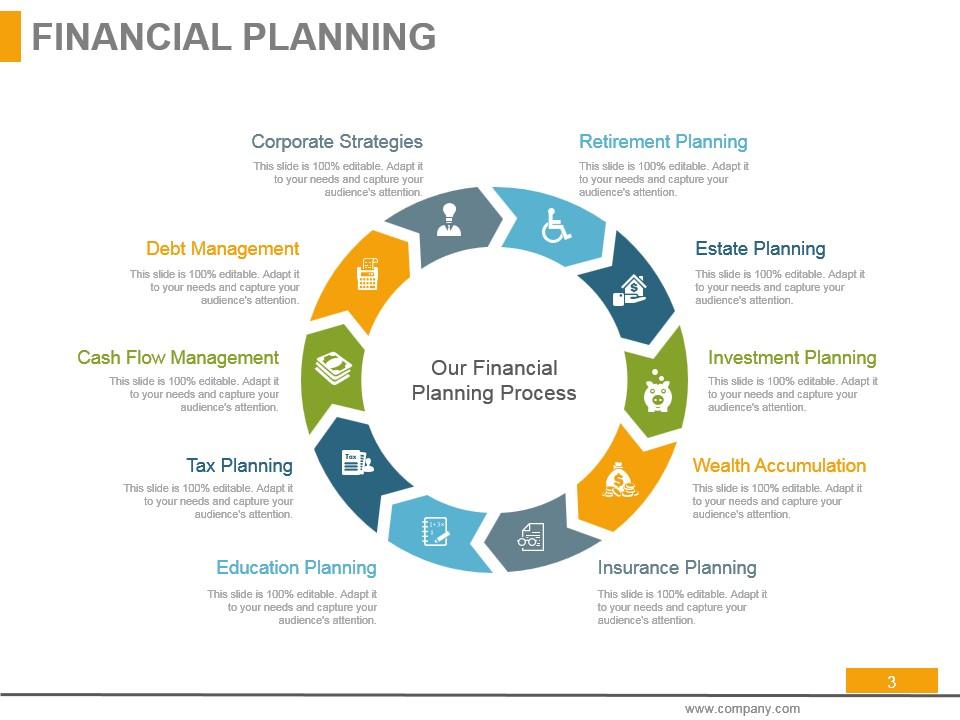
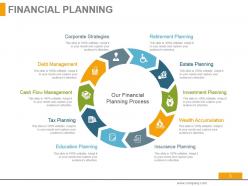
Slide 3: This slide showcases financial planning with these of the sources- Our Financial Planning Process, Insurance Planning, Education Planning, Wealth Accumulation, Tax Planning, Investment Planning, Cash Flow Management, Estate Planning, Debt Management, Retirement Planning, Corporate Strategies.
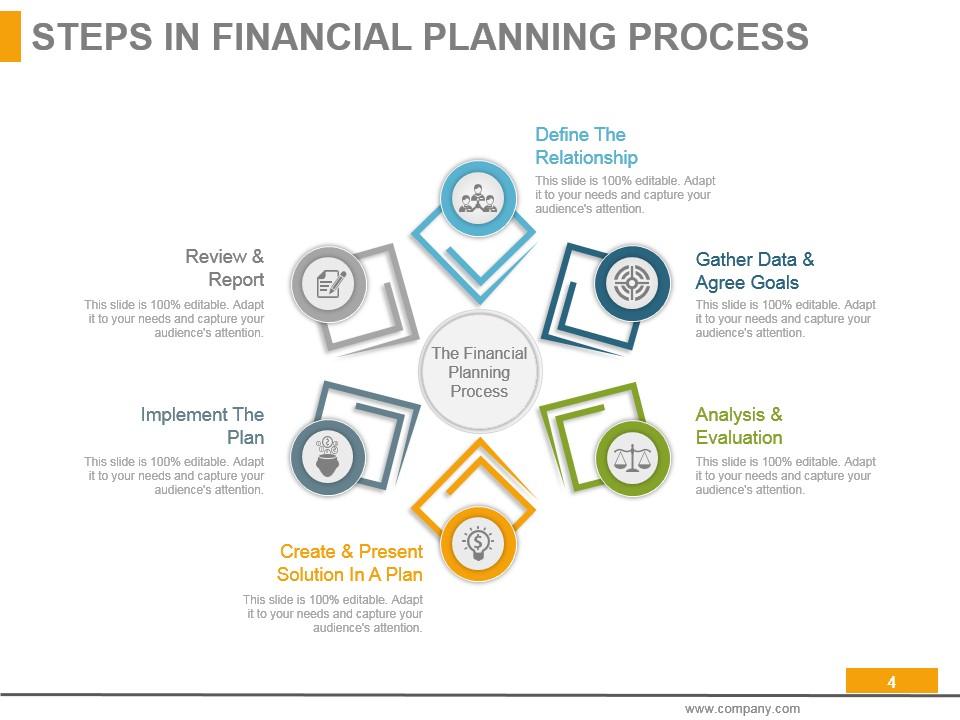
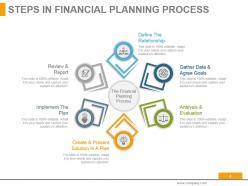
Slide 4: This slide showcases steps in financial planning process which furher showcases the Financial Planning Process, Define The Relationship, Gather Data & Agree Goals, Analysis & Evaluation, Create & Present Solution In A Plan, Review & Report, Implement The Plan.
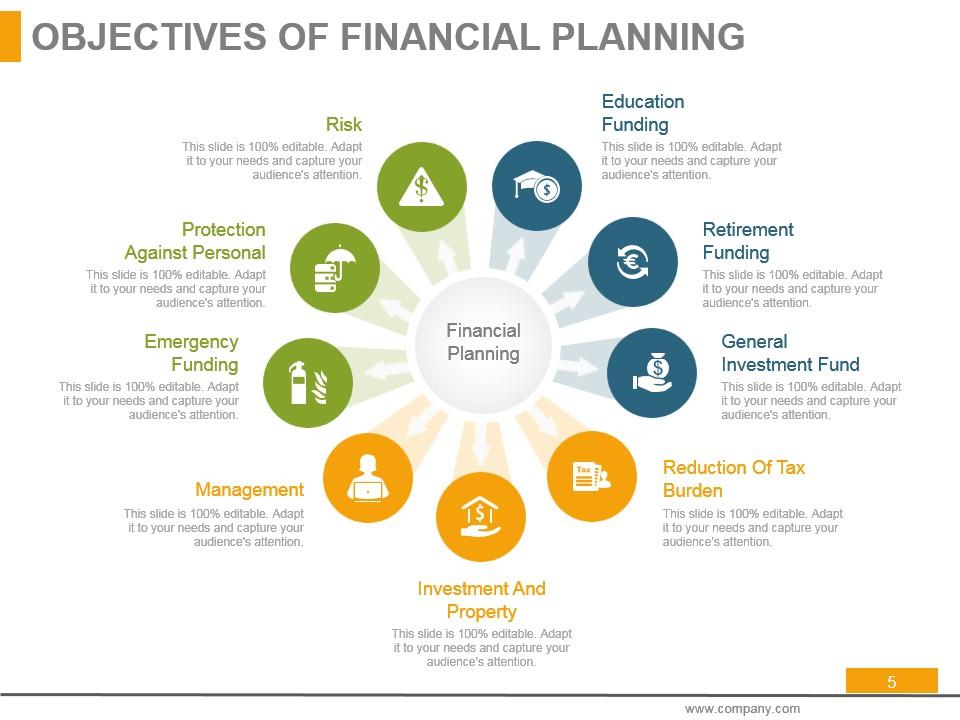
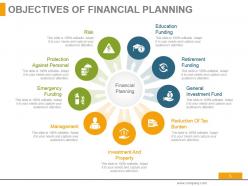
Slide 5: This slide presents objectives of planing process- Financial Planning, Investment And Property, Management, Education Funding, Risk, Retirement Funding, General Investment Fund, Reduction Of Tax Burden, Emergency Funding, Protection Against Personal.
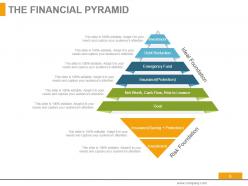
Slide 6: This slide presents the financial pyramid with these of the following factors- Investment, Debt Reduction, Emergency Fund, Insurance(Protection), Net Worth, Cash Flow, Risk to Lerance, Goal, Investment, Insurance(Saving + Protection), Ideal Foundation, Risk Foundation.
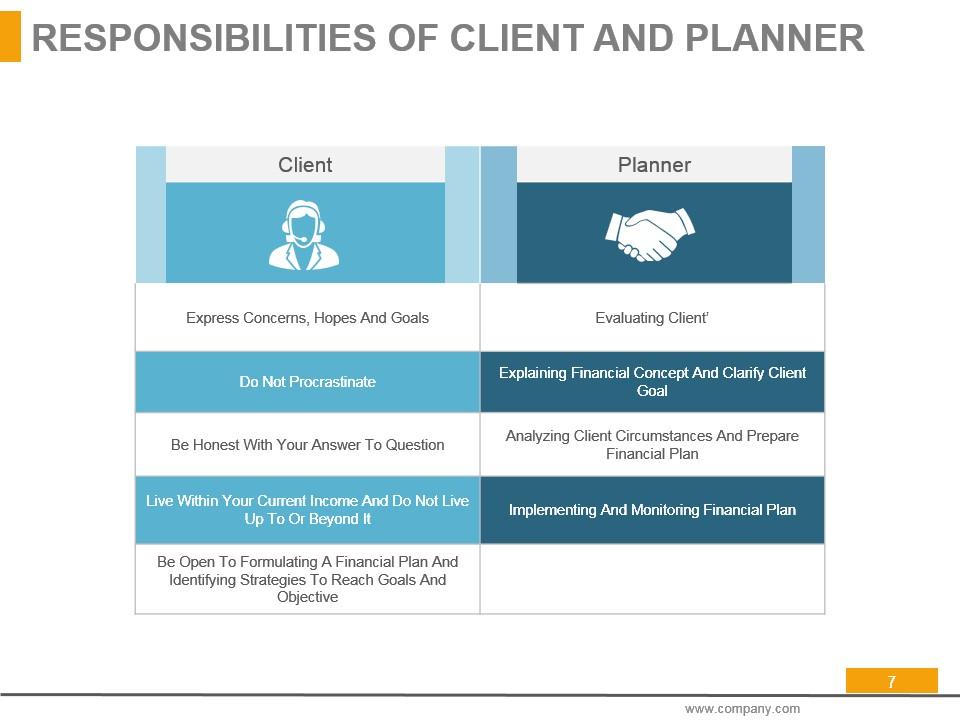
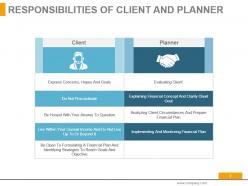
Slide 7: This slide showcases responsibilities of client and planner.
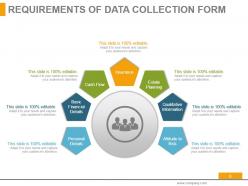
Slide 8: This slide presents requirement of data collection form with these of the six categories- Personal Details, Basic Financial Details, Cash Flow, Insurance, Estate Planning, Qualitative Information, Attitude to Risk.
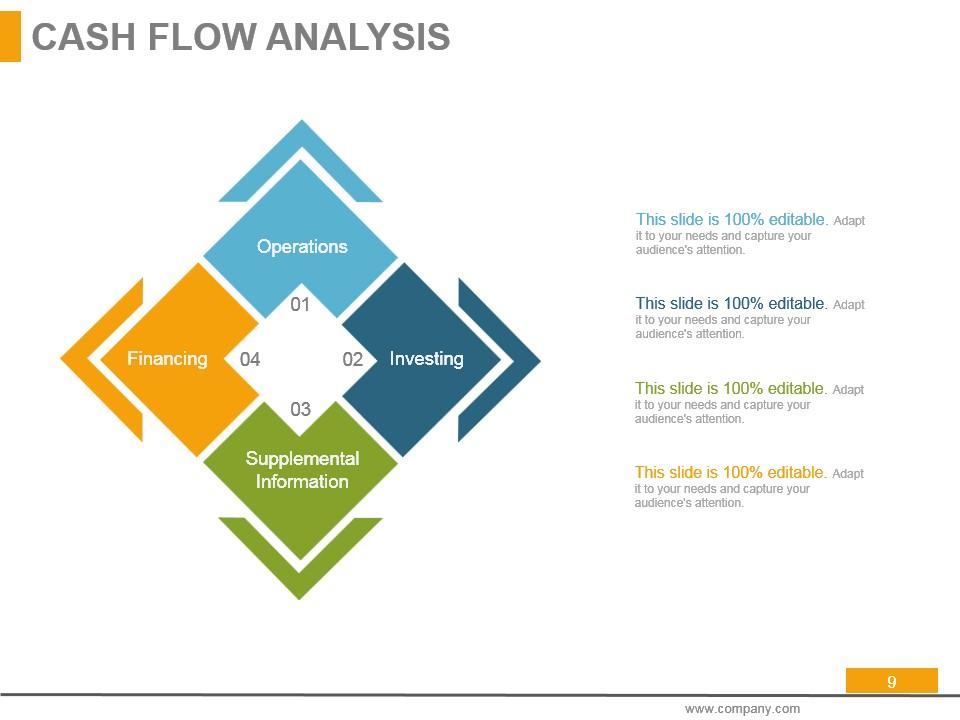
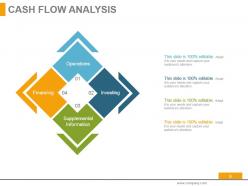
Slide 9: This slide presents cash flow analysis with four of the types- Investing, Operations, Supplemental Information, Financing.
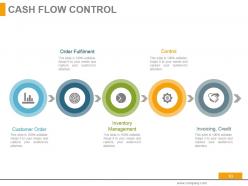
Slide 10: This slide showcases CASH FLOW CONTROL with these of the five parameter- Customer Order, Inventory Management, Invoicing, Credit, Order Fulfilment, Control.
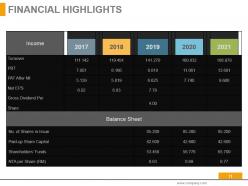
Slide 11: This slide presents FINANCIAL HIGHLIGHTS. Add the data and use it.
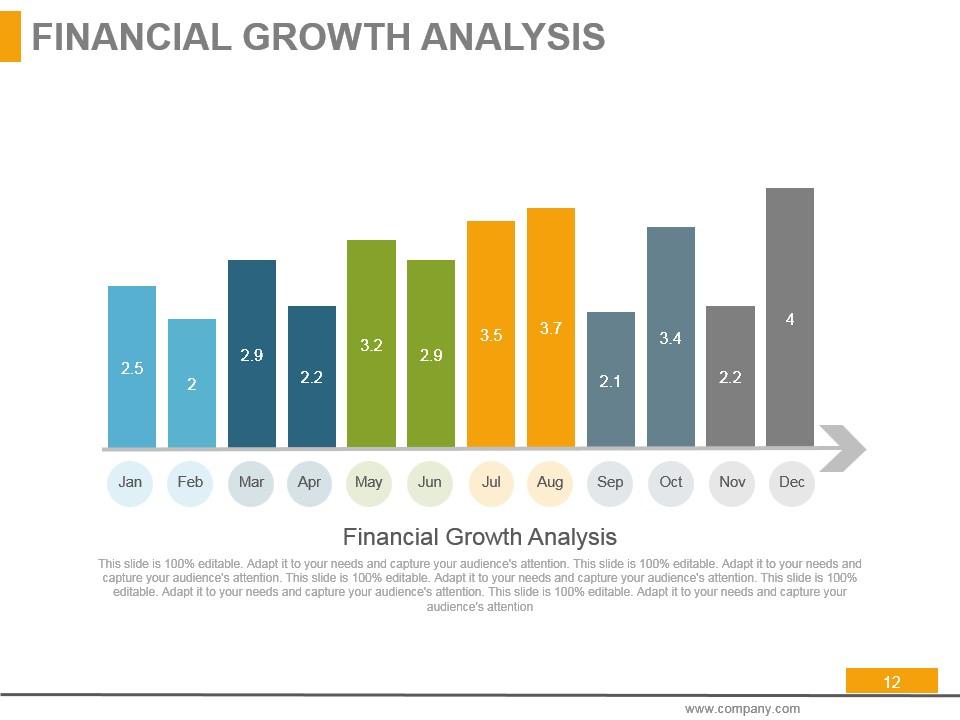
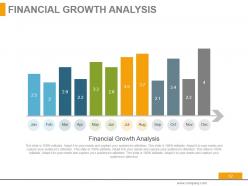
Slide 12: This slide showcases financial growth analysis which further presents Financial Growth Analysis table and use it.
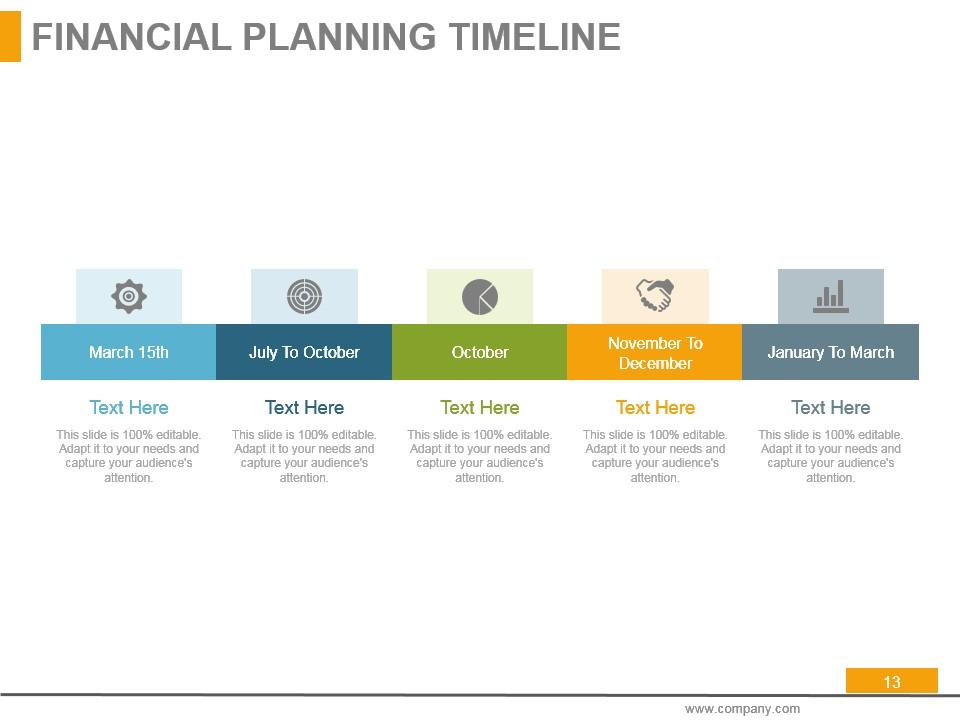
Slide 13: This slide presents financial planning timeline.
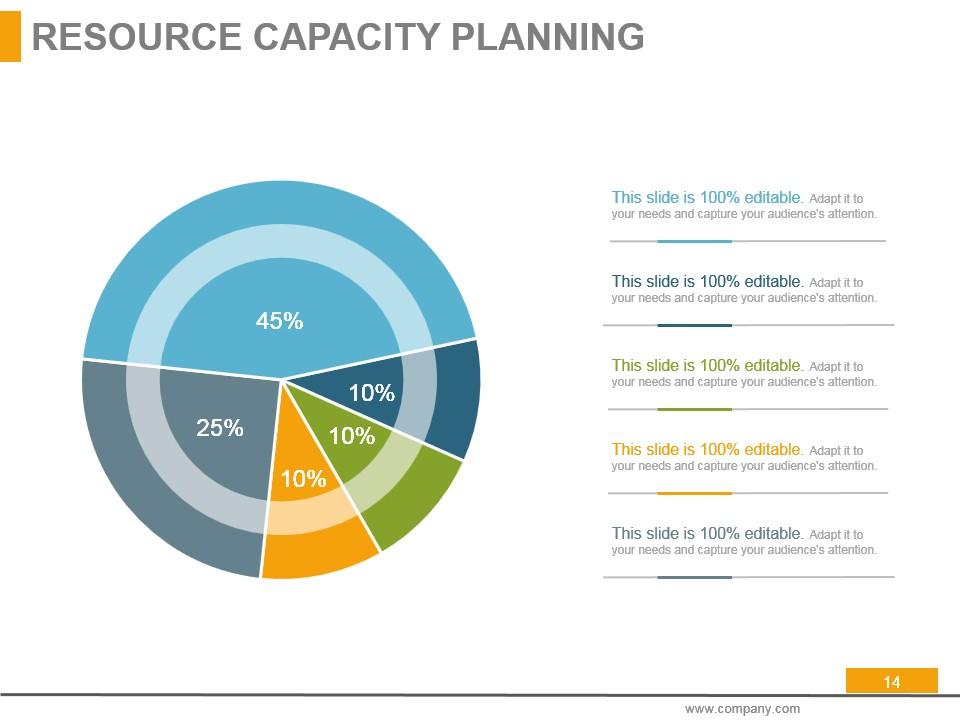
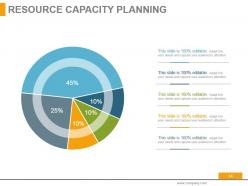
Slide 14: This slide showcases resourse capacity planning.
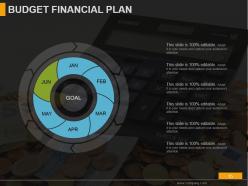
Slide 15: This slide presents budget financial plan.
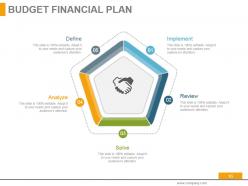
Slide 16: This slide shows budget financial plan with these of the stages- Implement, Define, Review, Analyze, Solve.
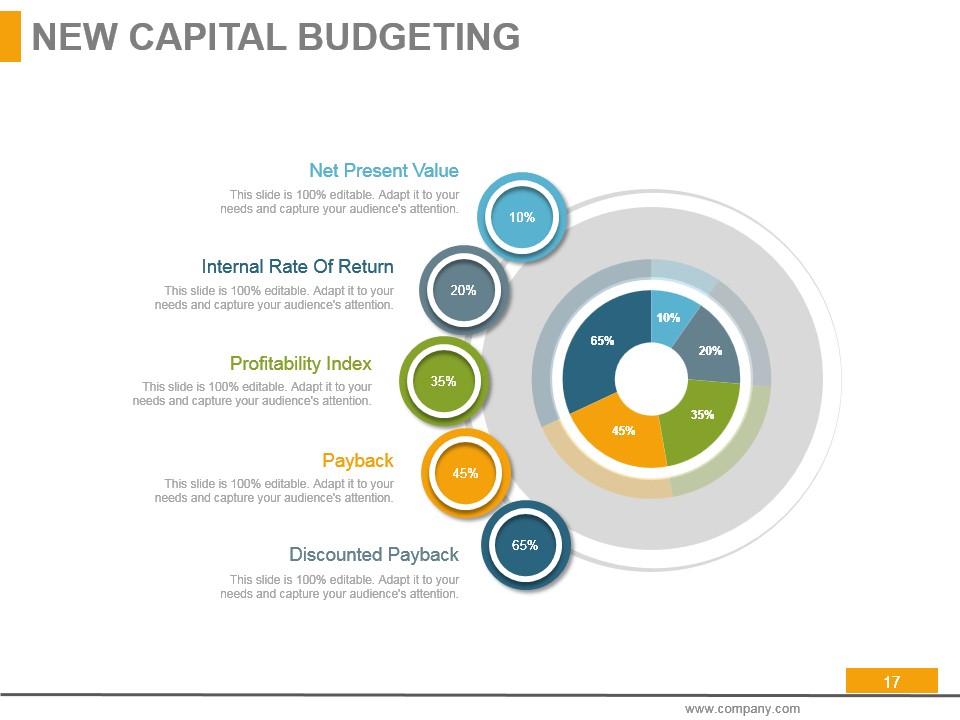
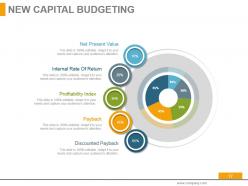
Slide 17: This slide presents new capital budgeting with these important factors- Net Present Value, Internal Rate Of Return, Profitability Index, Payback, Discounted Payback.
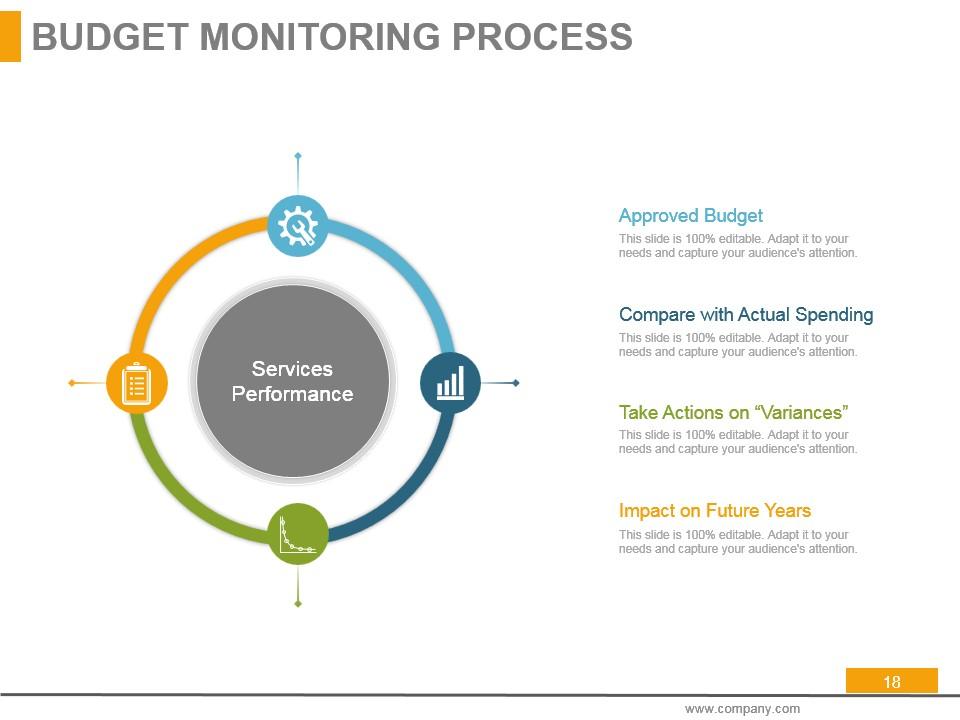
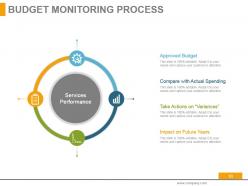
Slide 18: This slide showcases budget monitoring with these of the four factors- Approved Budget, Compare with Actual Spending, Take Actions on “Variances”, Impact on Future Years, Services Performance.
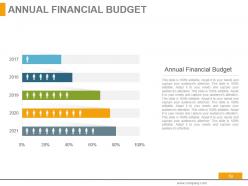
Slide 19: This slide shows Annual Financial Budget. Add the annual financial budget in this slide and make use of it.
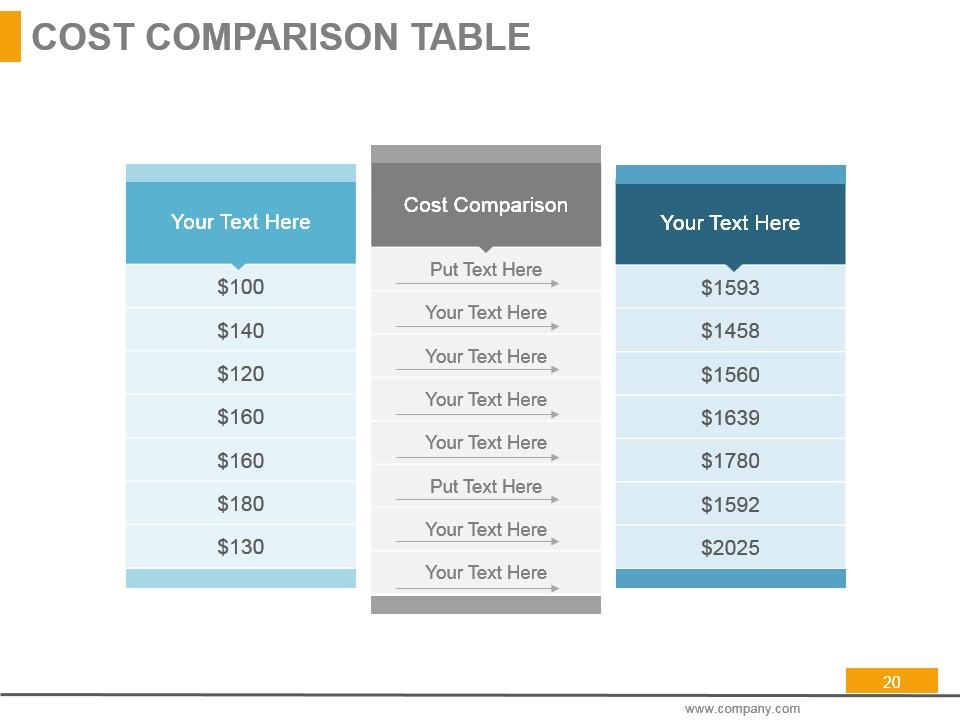
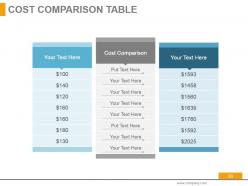
Slide 20: This slide showcase cost comparison table.
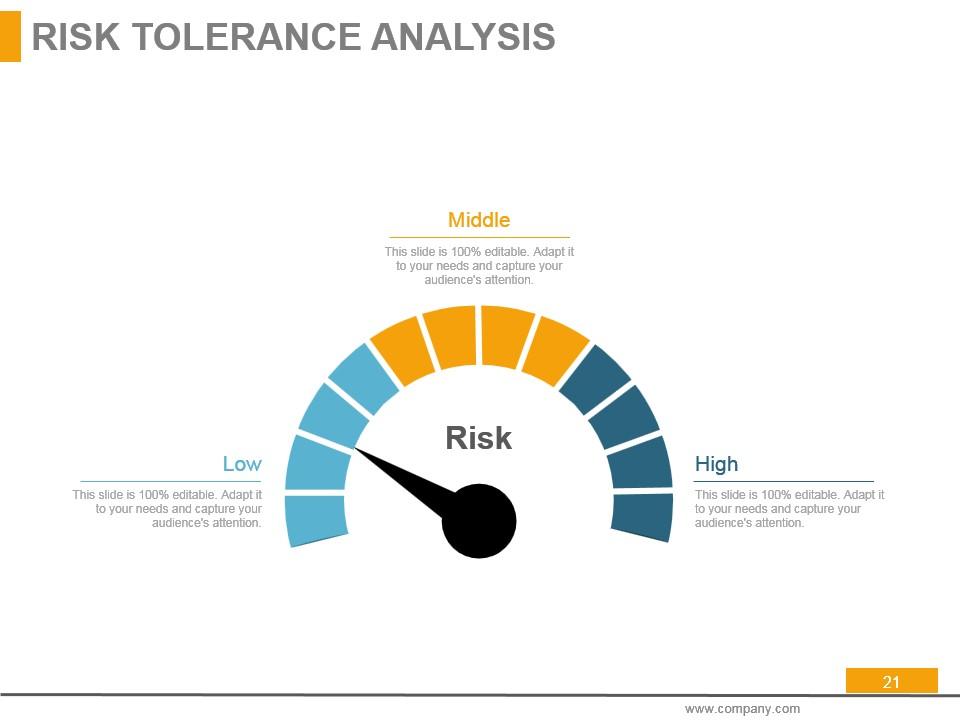
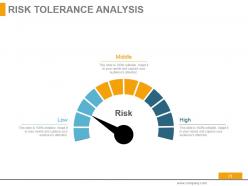
Slide 21: This slide presents RISK TOLERANCE ANALYSIS with these four parameter- Low, High, Middle, Risk.
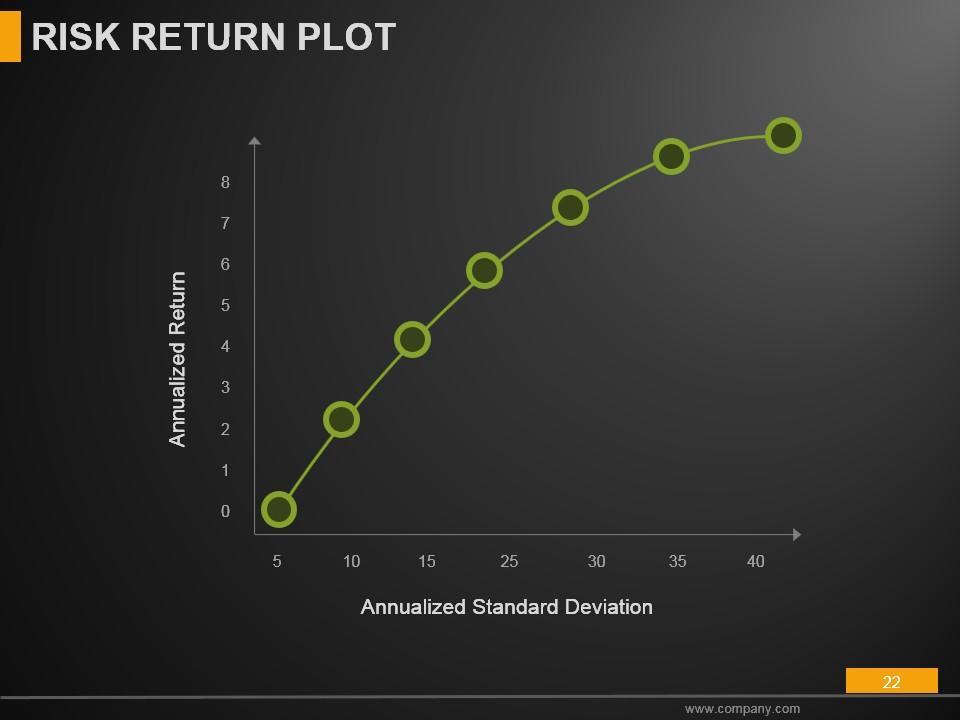
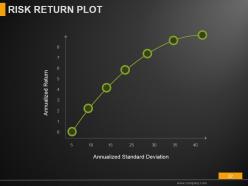
Slide 22: This slide shows risk return plot with these two parameters- Annualized Return, Annualized Standard Deviation.
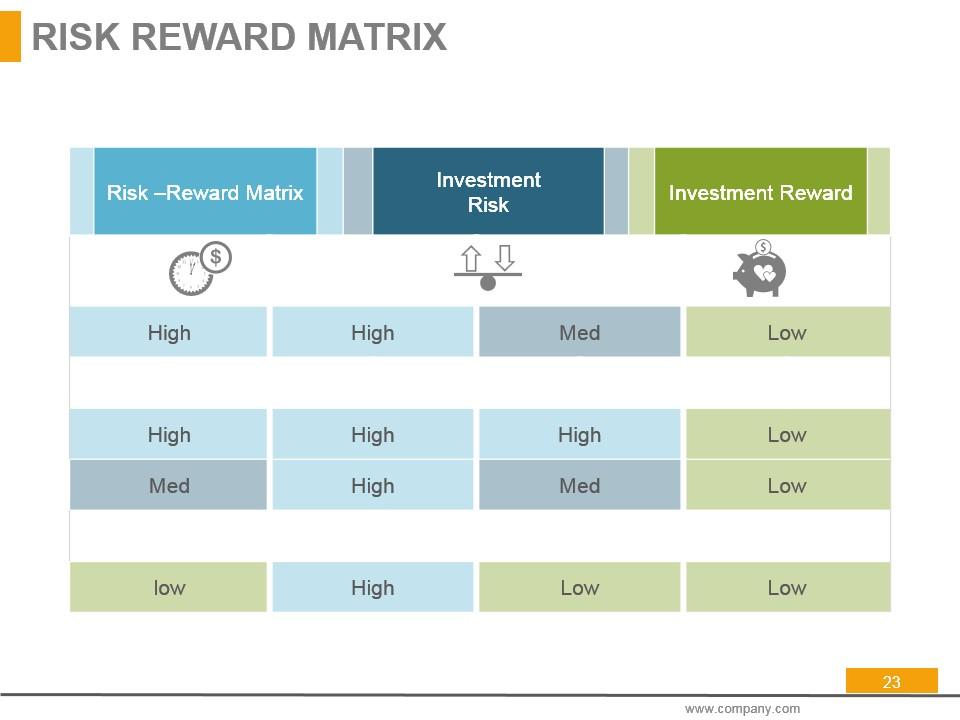
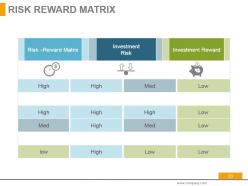
Slide 23: This slide showcases risk reward martrix.
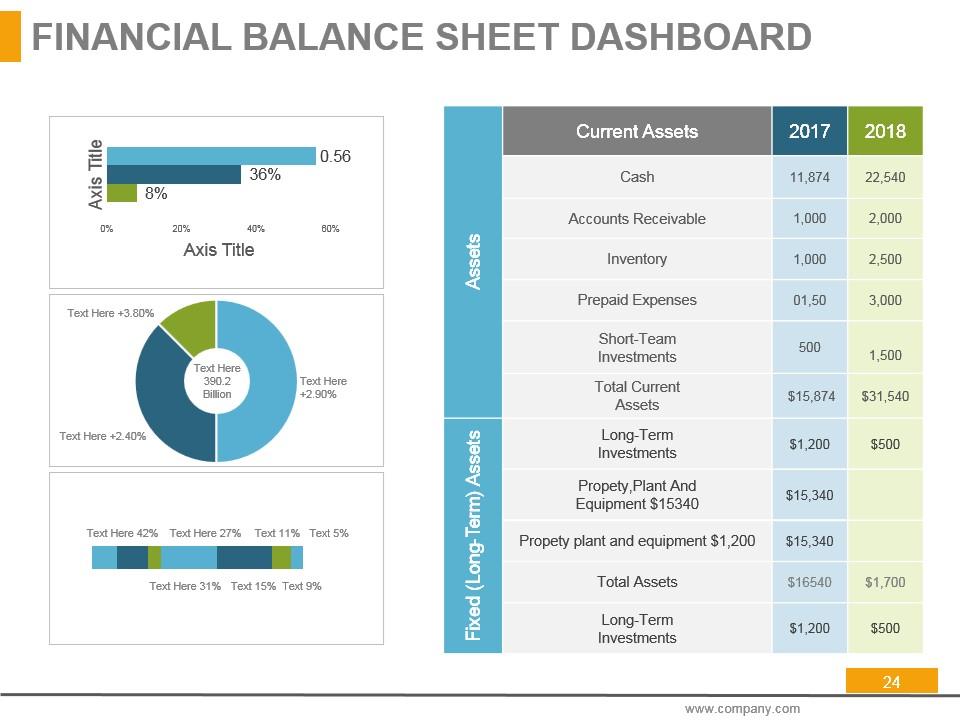
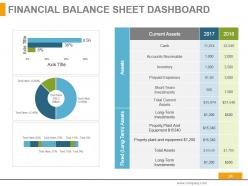
Slide 24: This slide shows financial balance sheet dashboard.
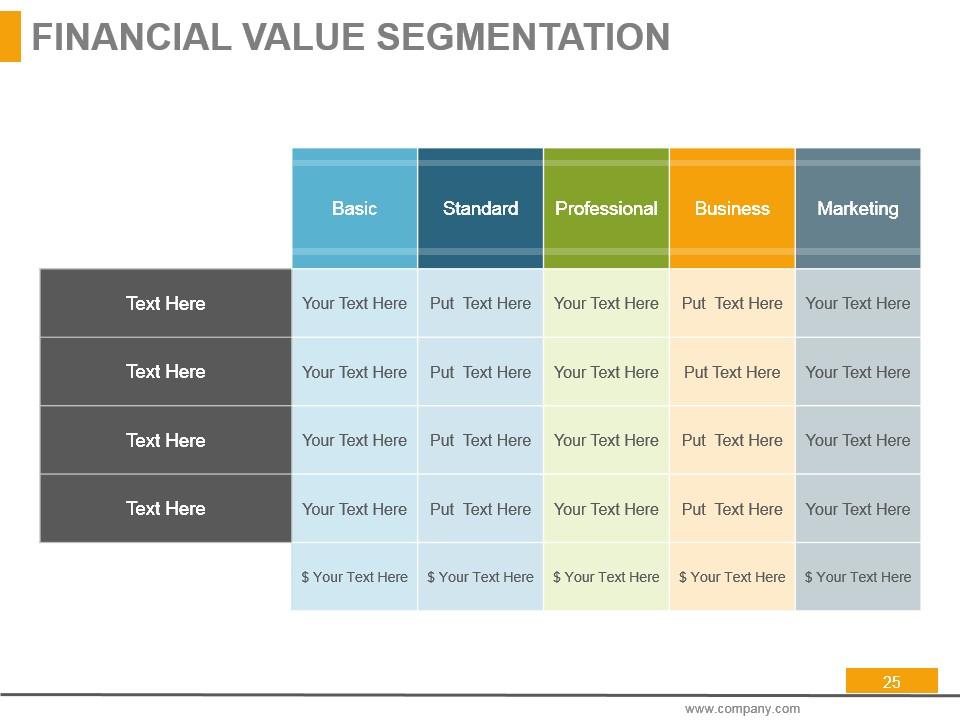
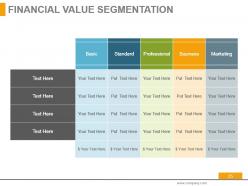
Slide 25: This slide presents financial value segmentation.
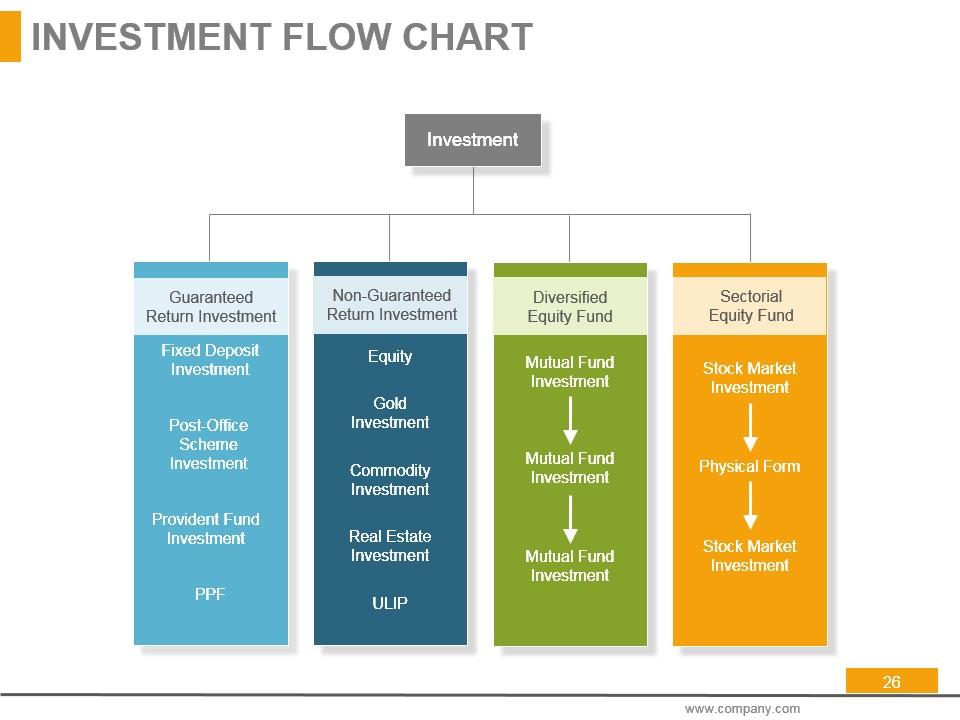
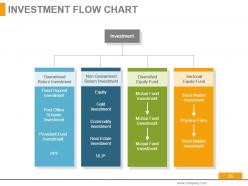
Slide 26: This slide showcases investment flow chart which further shows the four of the main categories.
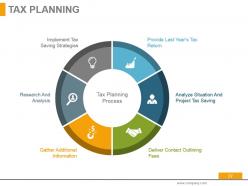
Slide 27: This slide shows TAX PLANNING with these of the following steps- Research And Analysis, Analyze Situation And Project Tax Saving, Implement Tax Saving Strategies, Provide Last Year’s Tax Return, Deliver Contact Outlining Fees, Gather Additional Information, Tax Planning Process.
Slide 28: This slide is titled Additional Slides.
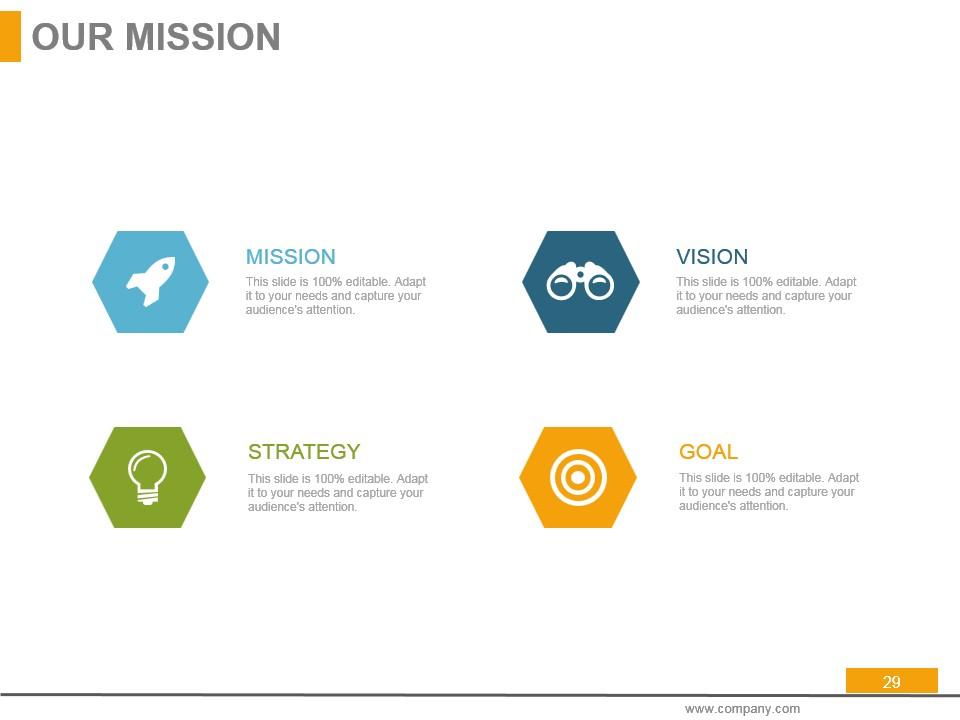
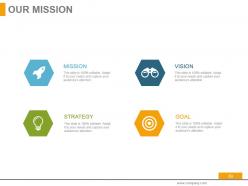
Slide 29: This slide represents Our Mission. State your mission, goals etc.
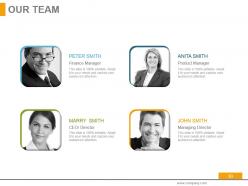
Slide 30: This slide showcases Our Team with Name and Designation to fill.
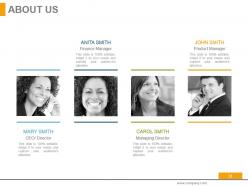
Slide 31: This slide helps show- About Our Company. The sub headings include- Creative Design, Customer Care, Expand Company
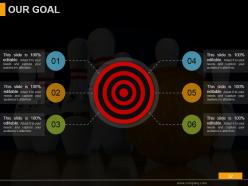
Slide 32: This is an Our Goal slide. State your important goals here.
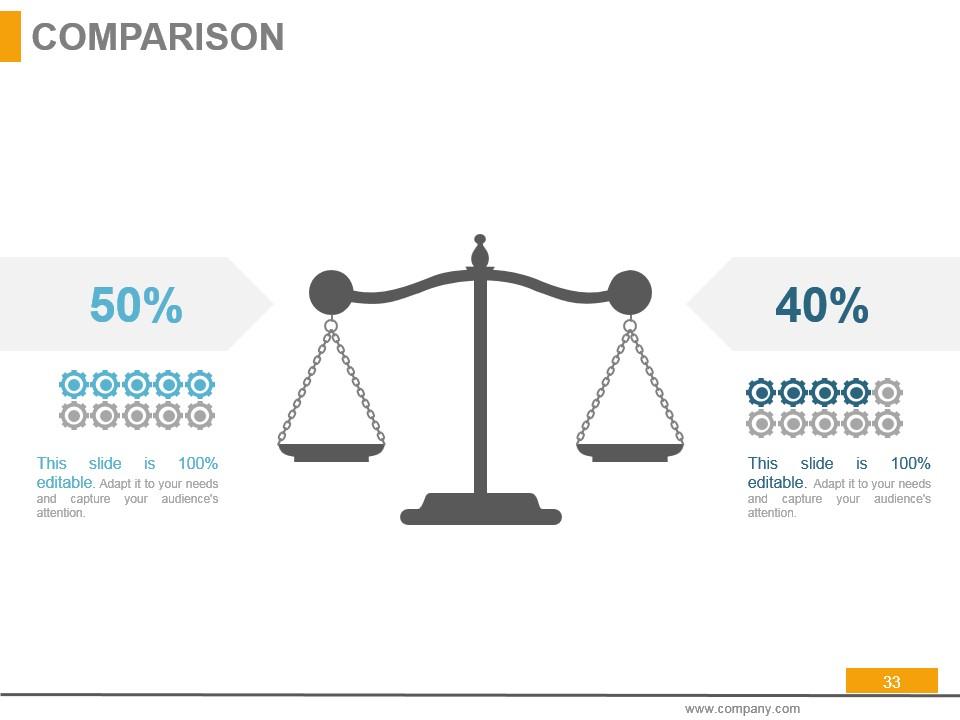
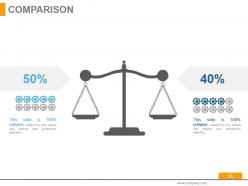
Slide 33: This slide shows Comparison of Positive Factors v/s Negative Factors with thumbs up and thumb down imagery.
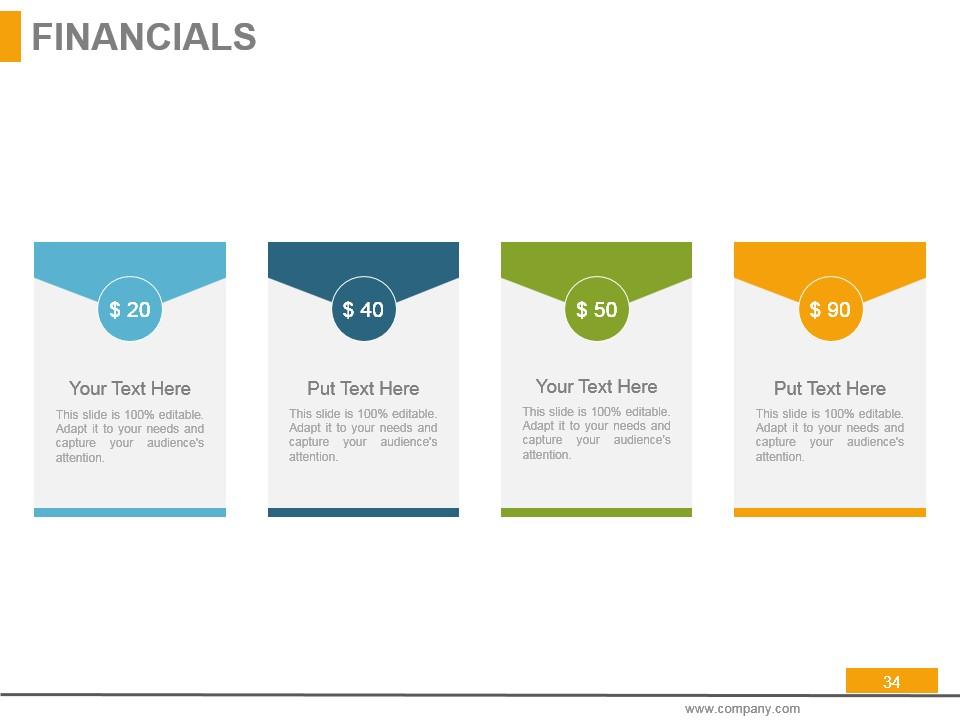
Slide 34: This slide is titled as Financials. Show finance related stuff here.
Slide 35: This is a Quotes slide to highlight, or state anything specific.
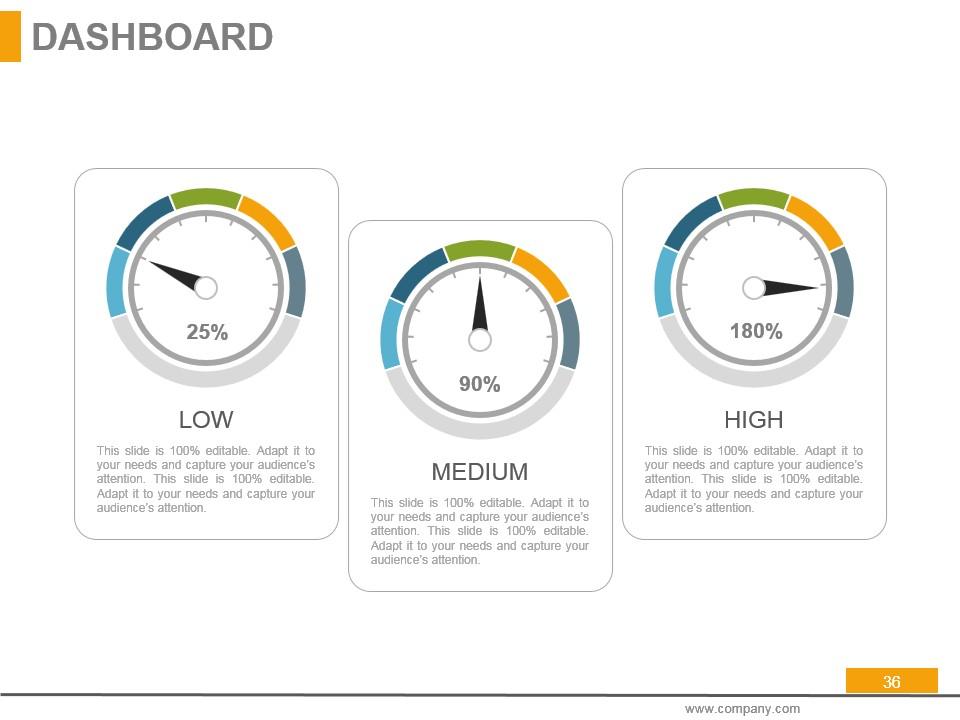
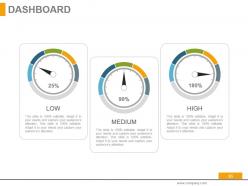
Slide 36: This is a Dashboard slide displaying- Revenue, Purchase Value, Units Sold.
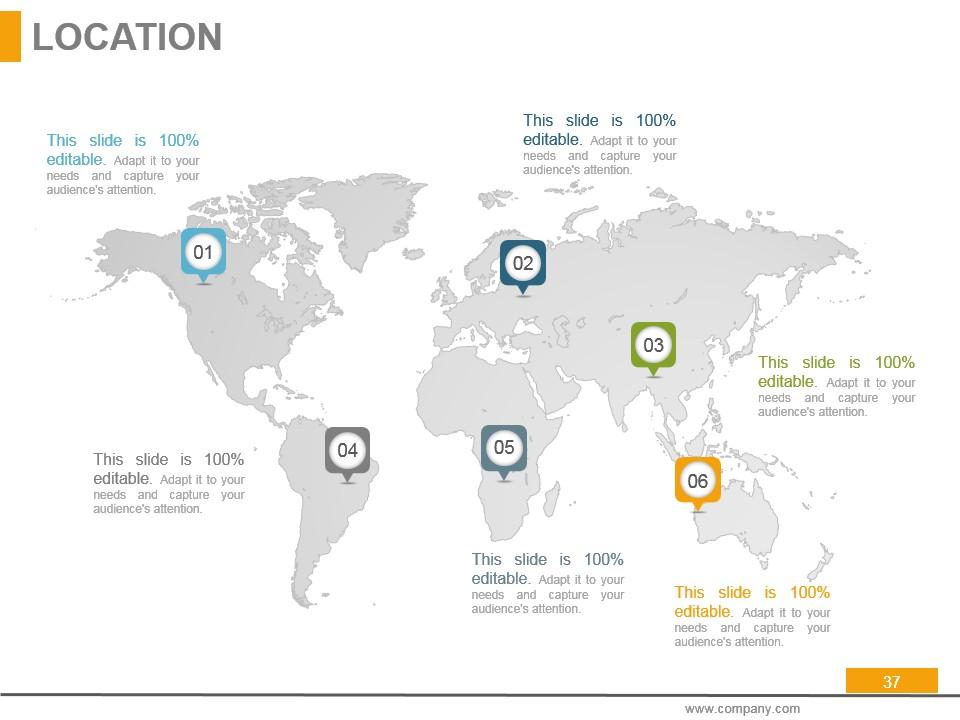
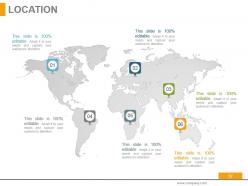
Slide 37: This slide showcases Global Project Locations with a World map and text boxes to make it explicit.
Slide 38: This slide showcases Global Project Locations with a World map and text boxes to make it explicit.
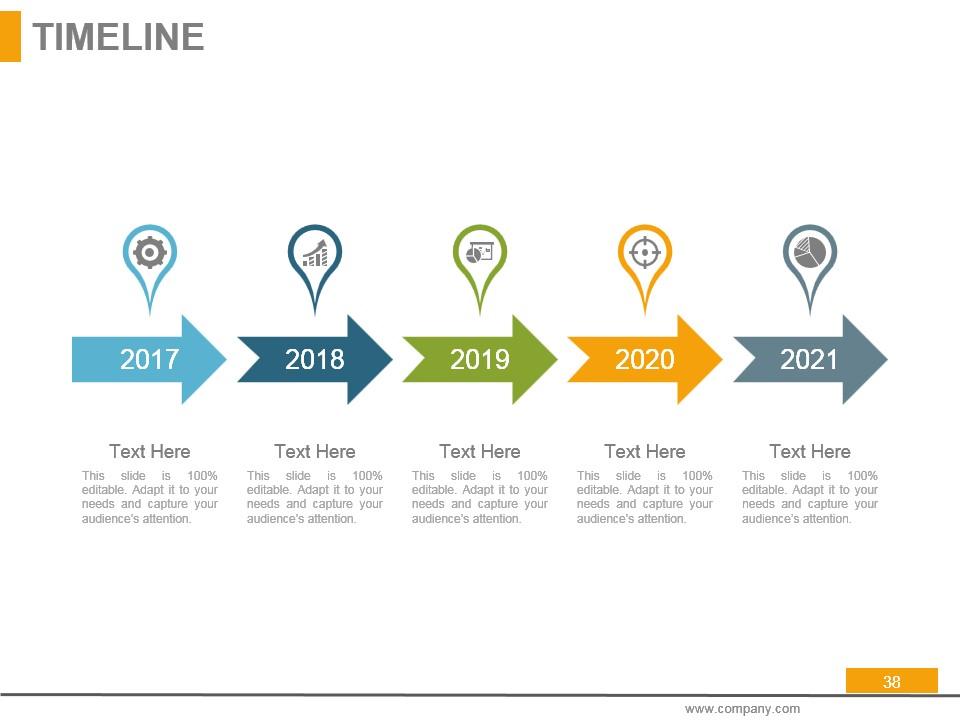
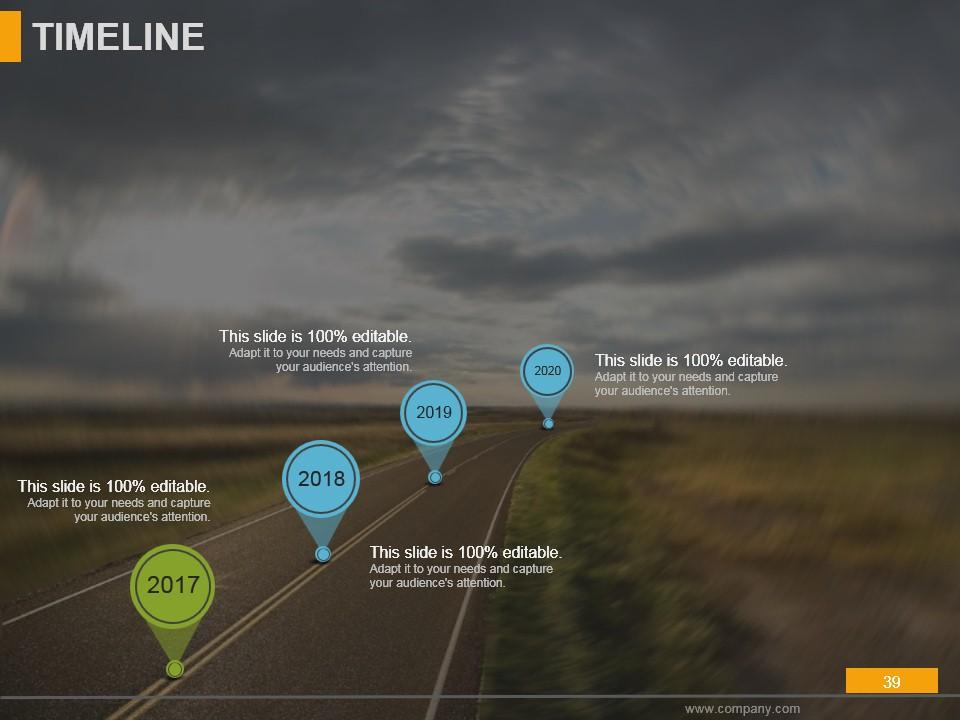
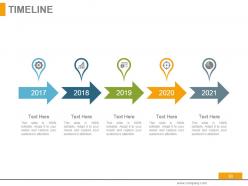
Slide 39: This slide shows Project Events Timeline with icons and text boxes.
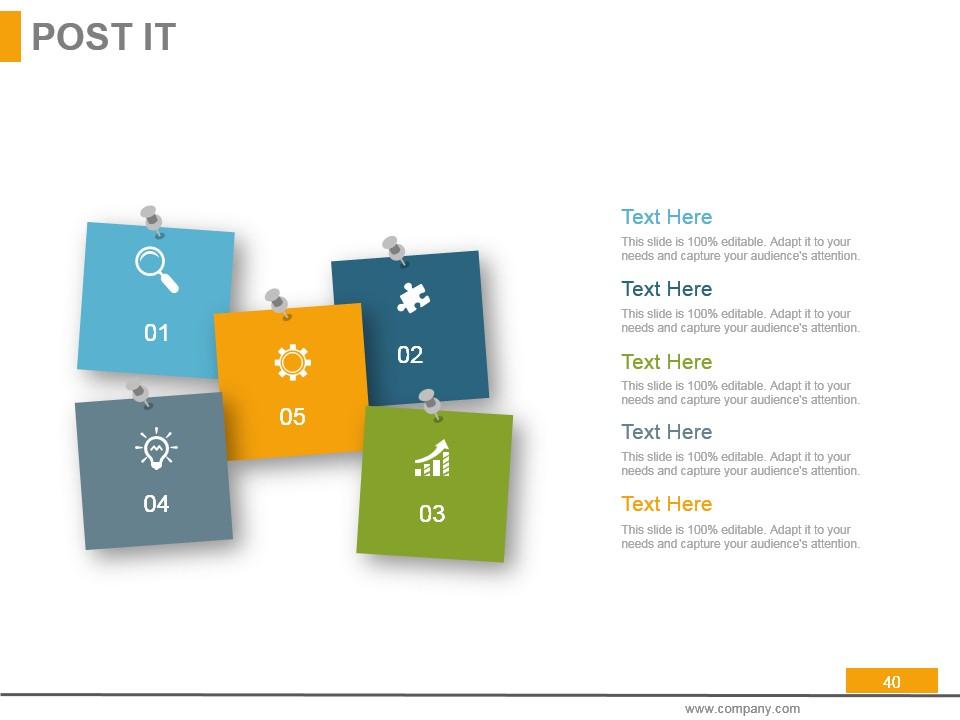
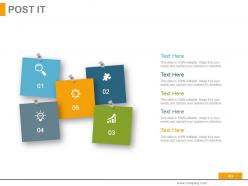
Slide 40: This slide shows an image with text boxes titled Business Person with Post It notes.
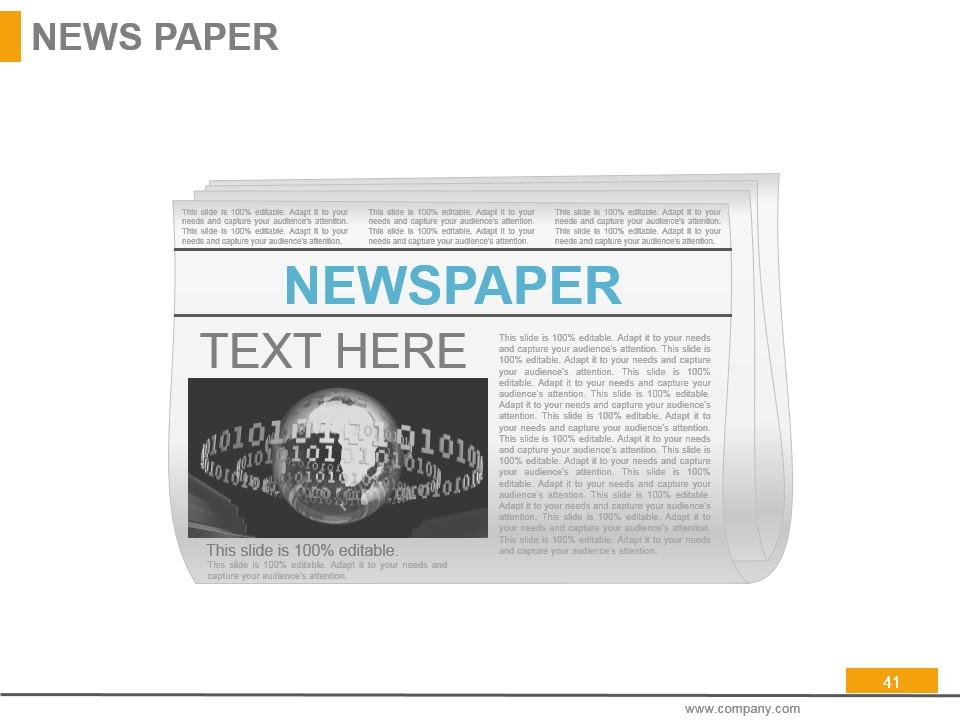
Slide 41: This slide presents a Newspaper image with text boxes to flash company news, position etc.
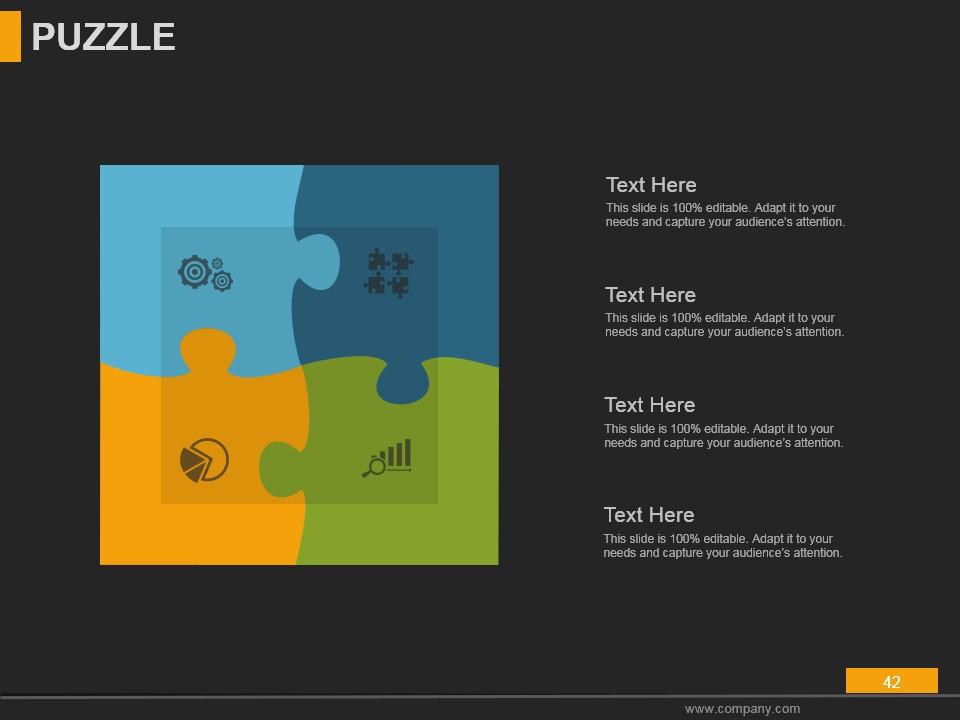
Slide 42: This is a Puzzle image slide to show information, specification etc.
Slide 43: This slide displays Our Target with a background image.
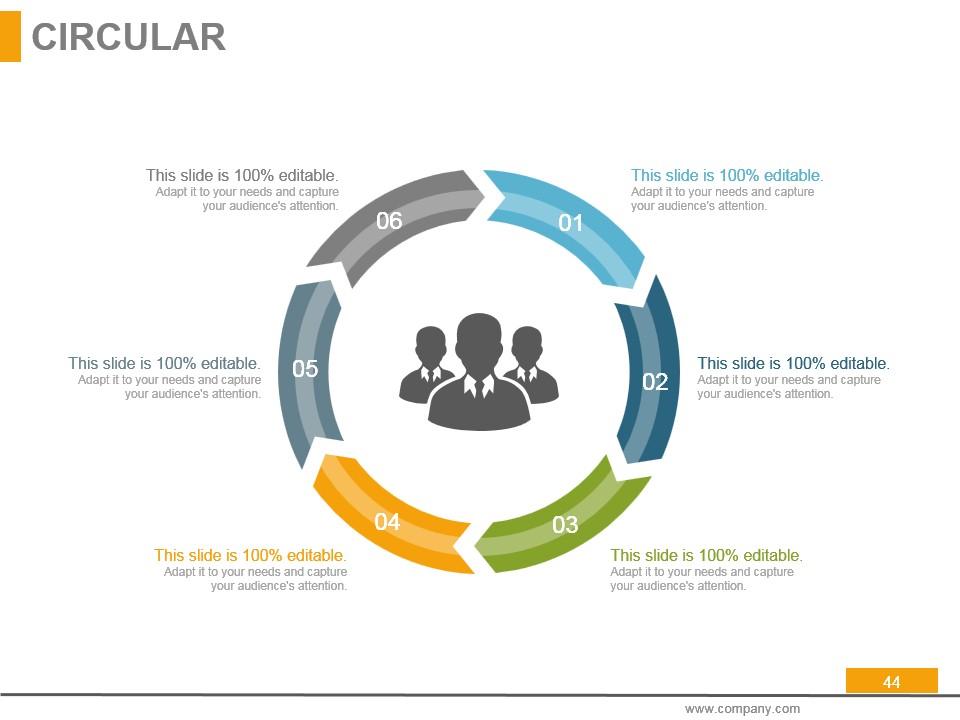
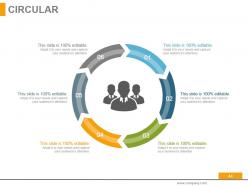
Slide 44: This is a Circular image slide to show information, specifications etc
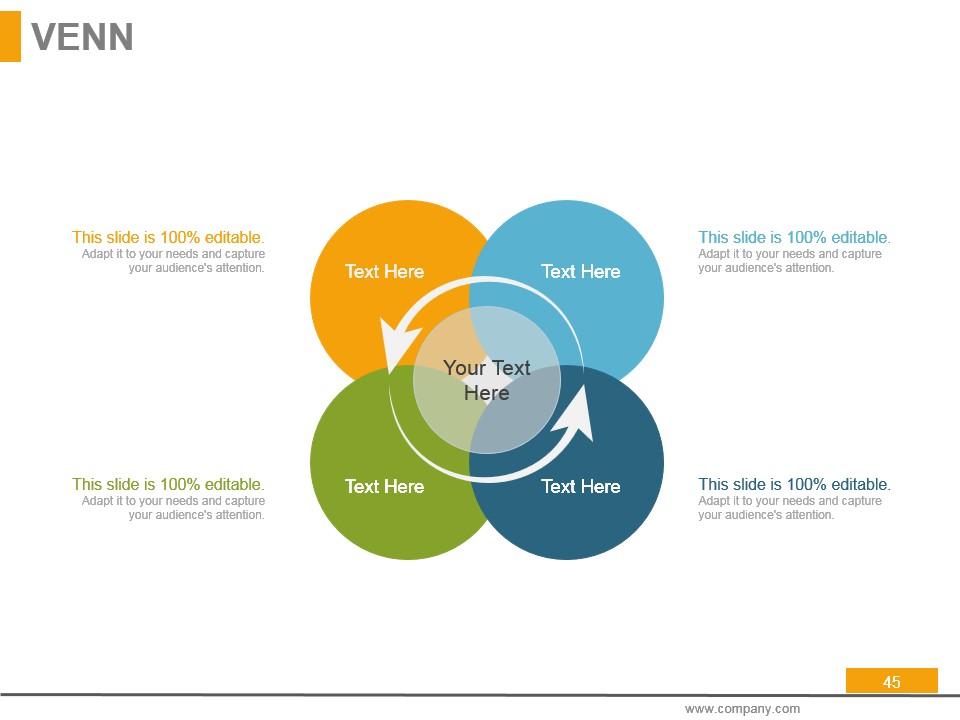
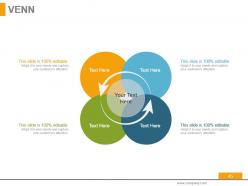
Slide 45: This is a Venn diagram image slide to show information, specifications etc.
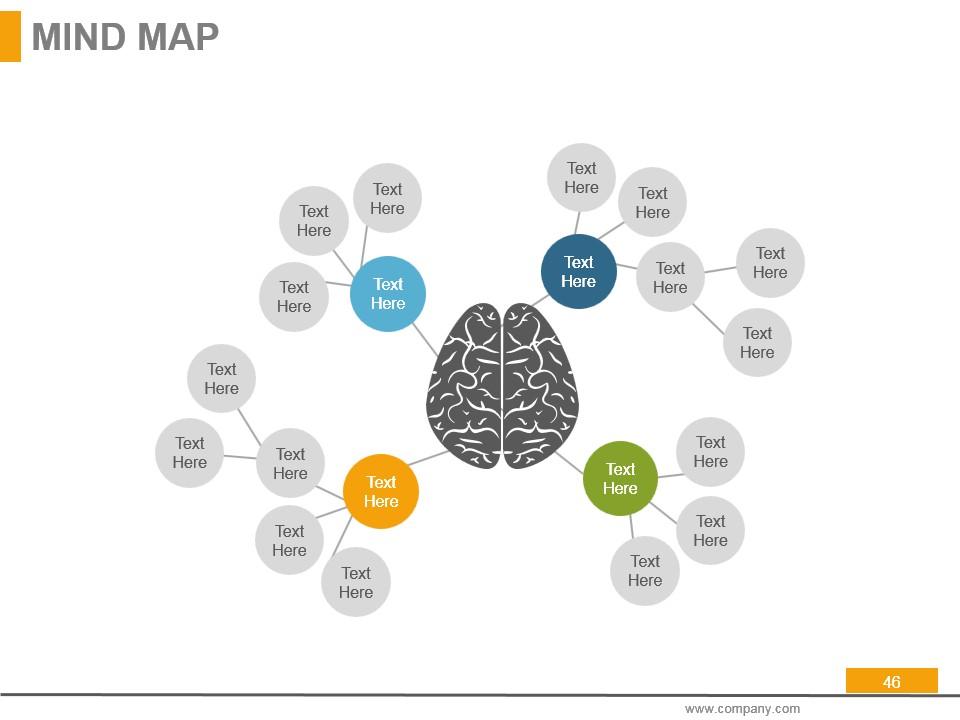
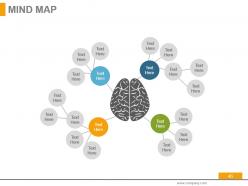
Slide 46: This slide shows a Mind map for representing entities.
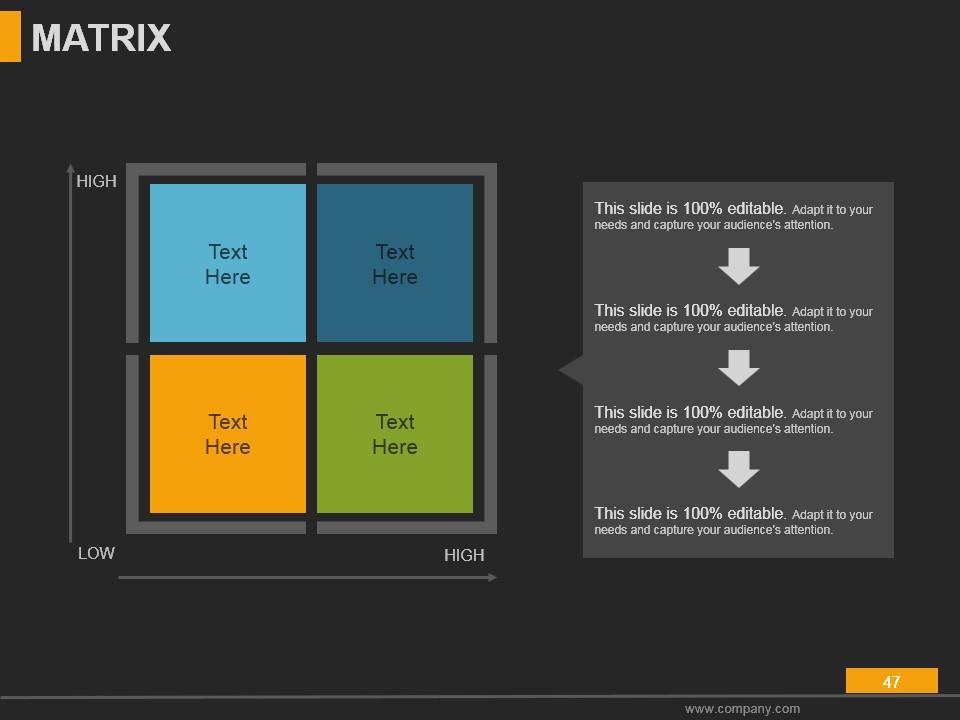
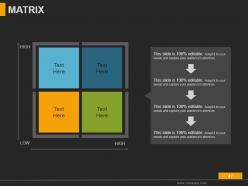
Slide 47: This slide shows a Matrix in terms of High and Low.
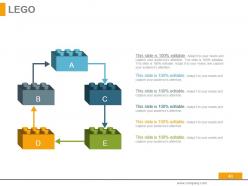
Slide 48: This is a LEGO slide with text boxes to show information.
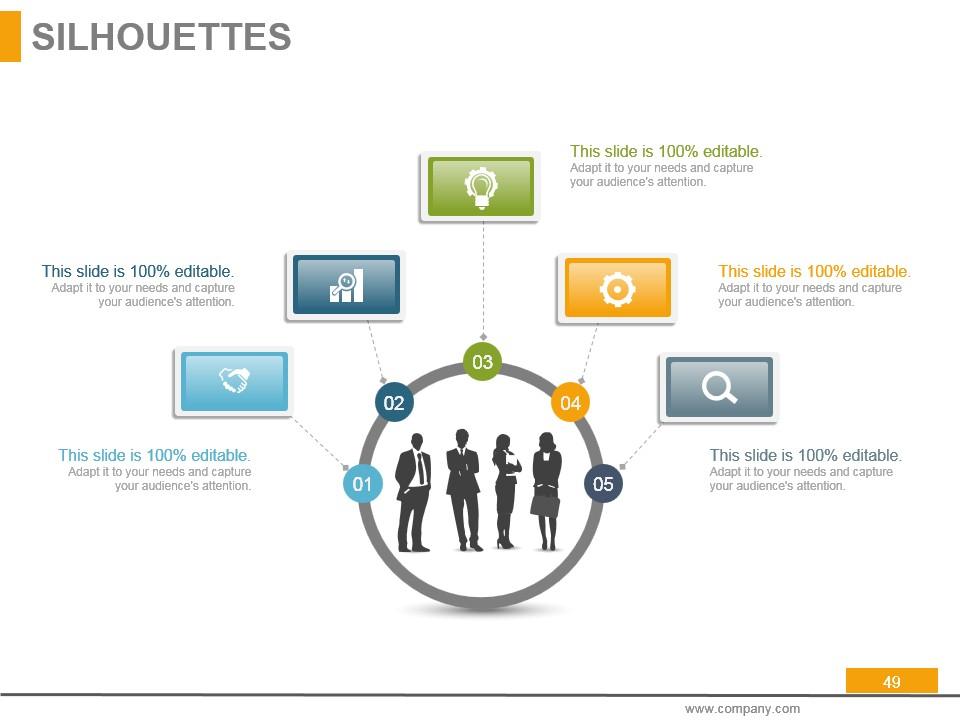
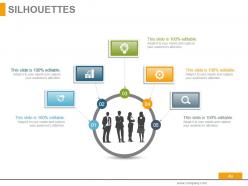
Slide 49: This is a People's silhouettes slide. Use it the way you want to show solutions etc.
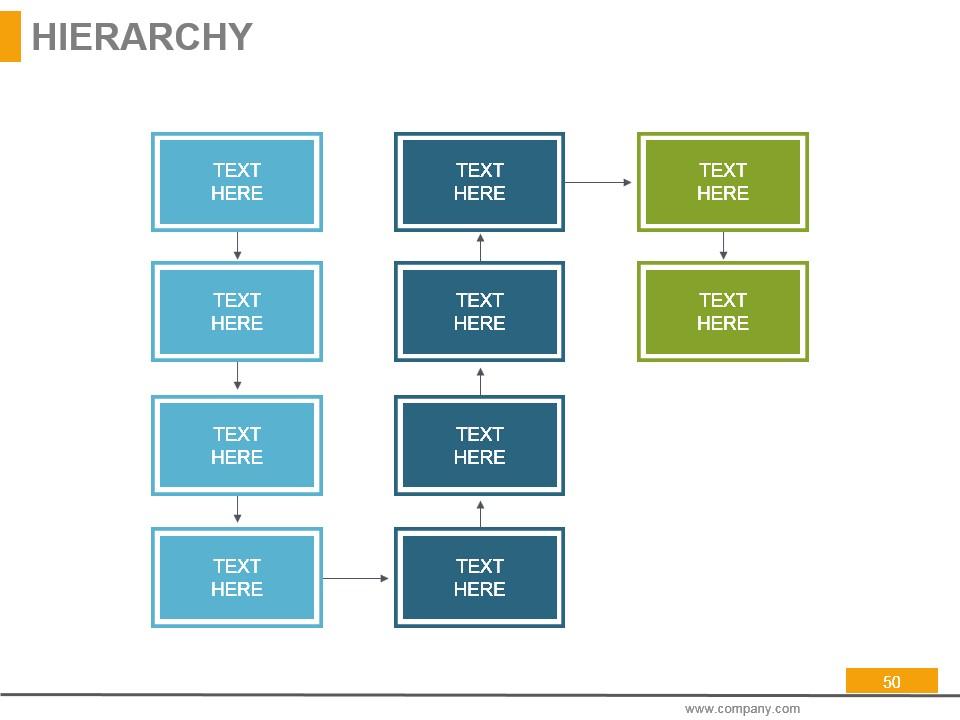
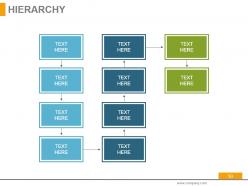
Slide 50: This is a Hierarchy slide showing- Supply Chain Manager, Supply Chain Council, Sourcing, Supplier Quality Engineer, Procurement, Logistics & Management, Supplier Management, Student, Contract Management
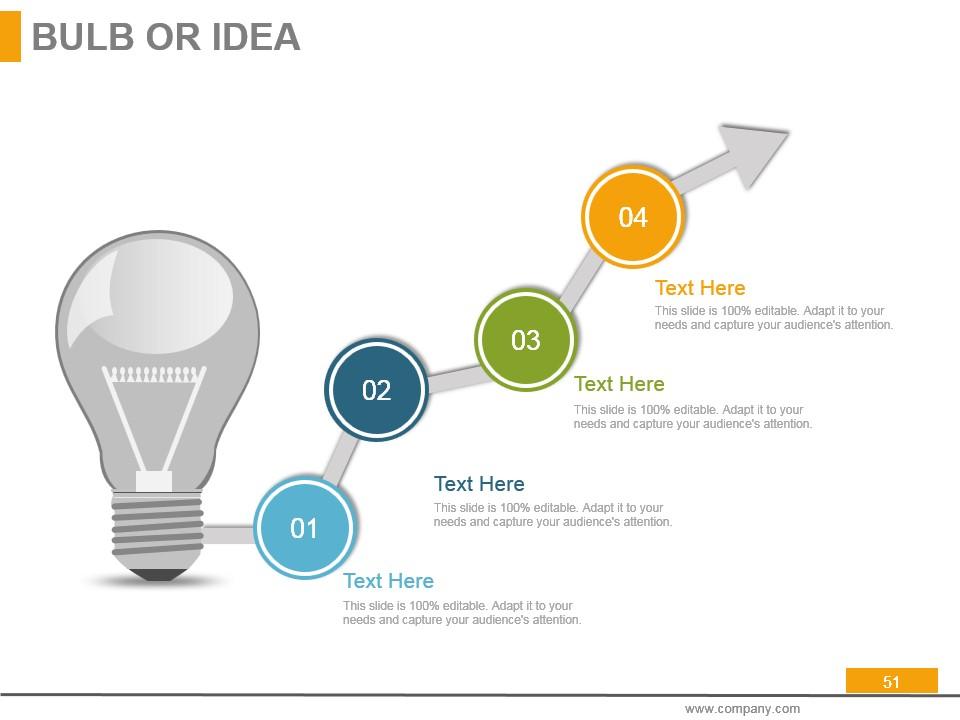
Slide 51: This is a Bulb Or Idea image slide to show information, innovative aspects etc.
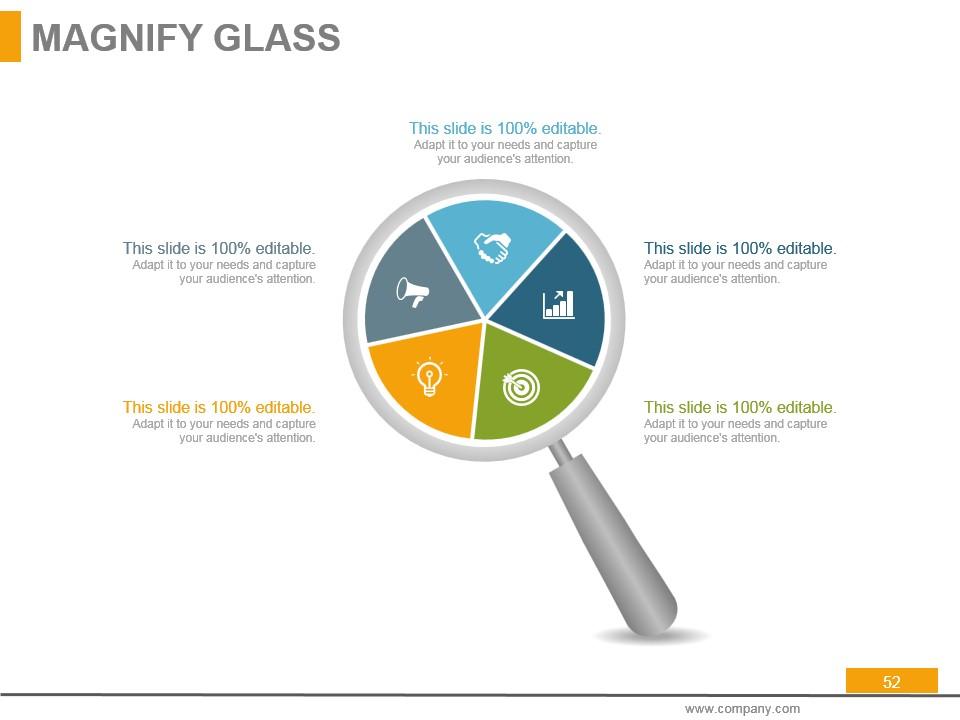
Slide 52: This is a Magnifying glass image slide to show information, scoping aspects etc.
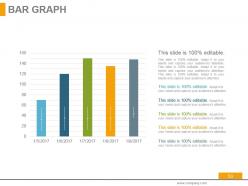
Slide 53: This is a Bar Graph image slide to show product comparison, growth etc.
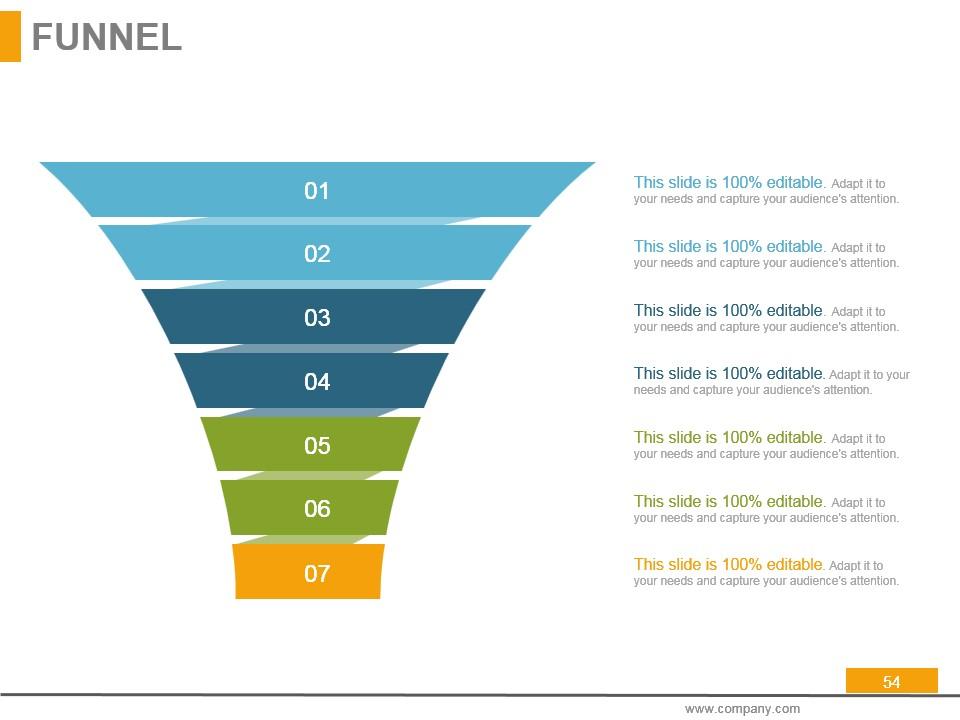
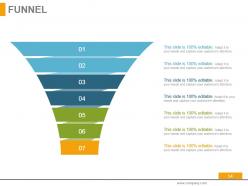
Slide 54: This is a Funnel image slide showing: Calls-to-action, Reachability, User Experience, Color Schemes, Engagement, Simplicity
Slide 55: This is a Thank You image slide with Address, Email and Contact number.
Budgeting Techniques Methods And Strategies Powerpoint Presentation Slides with all 55 slides:
Identify the cause of inhibitions with our Budgeting Techniques Methods And Strategies Powerpoint Presentation Slides. Eliminate any gnawing doubts.
-
Innovative and Colorful designs.
-
Design layout is very impressive.
