


Business Alignment Powerpoint Presentation Slides





Try Before you Buy Download Free Sample Product
 Impress Your
 Audience
 100%
100% Editable
 Save Hours
 of Time


Strategic management of resources is a significant process in order to achieve the fundamental objectives. Our design ninjas have inscribed significant steps to guide you through the process by our business alignment PowerPoint presentation slides. Business and information technology alignment is a progressive state in which a business establishment is able to use information technology to accomplish business objectives, typically for increased financial performance or marketplace competitiveness. Through different staged processes, we have covered up major aspects of business alignment, like, identifying key business & IT drivers, review application technology & organization, identify future state requirements, identify future state technical & application architecture, review application technologies, and organization and develop implementing road business alignment framework. Engaging icons and flat designs give a better idea of the subject in concern. Further targets, location, financial aspects can be shown through a timeline view and bar charts and pie charts can be used for comparisons. Download and use this PPT stack for a prolonging experience.
People who downloaded this PowerPoint presentation also viewed the following :
Content of this Powerpoint Presentation
Slide 1: This slide introduces Business Alignment. State Your Company Name and begin.
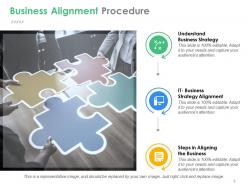
Slide 2: This slide shows Business Alignment Procedure with these three parameters- Understand Business Strategy, IT- Business Strategy Alignment, Steps in Aligning the Business.
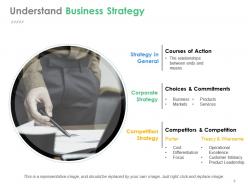
Slide 3: This slide showcases Understand Business Strategy. Add the details and make use of it.
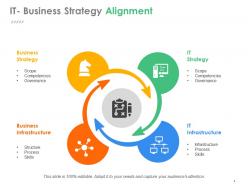
Slide 4: This slide shows IT- Business Strategy Alignment with these four factors- IT Strategy, Business Infrastructure, Business Strategy.
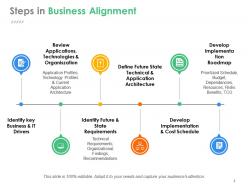
Slide 5: This slide presents Steps in Business Alignment with these six points- Identify key Business & IT Drivers, Develop Implementation & Cost Schedule, Define Future State Technical & Application Architecture, Review Applications, Technologies & Organiszation, Identify Future & State Requirements, Develop Implementation Roadmap.
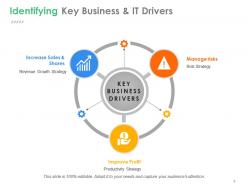
Slide 6: This slide presents Identifying Key Business & IT Drivers which further includes KEY BUSINESS DRIVERS Increase Sales & Shares, Revenue Growth Strategy, Manage risks, Risk Strategy, Improve Profit, Productivity Strategy.
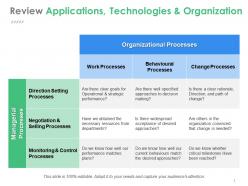
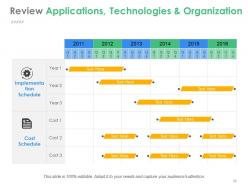
Slide 7: This slide showcases Review Applications, Technologies & Organization. This further showcase the organizational processes and managerial process.
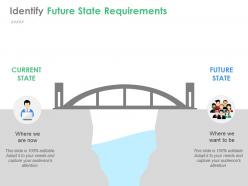
Slide 8: This slide presents Identify Future State Requirements these mentioned factors- FUTURE STATE, CURRENT STATE.
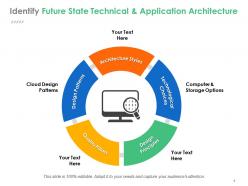
Slide 9: This slide showcases Identify Future State Technical & Application Architecture with five of the parameters.
Slide 10: This slide presents Review Applications, Technologies & Organization.
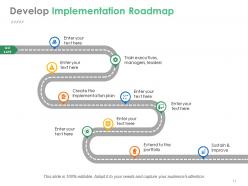
Slide 11: This slide showcases Develop Implementation Roadmap which further helps you to add the information.
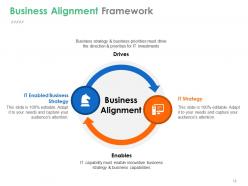
Slide 12: This slide showcases Business Alignment Framework with these parameters- Drives, Business Alignment, IT Enabled Business Strategy, IT Strategy.
Slide 13: This slide is a Coffee Break image for a halt.
Slide 14: This slide is titled Additional slides.
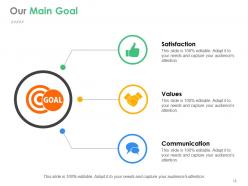
Slide 15: This slide shows Our Goals for your company.
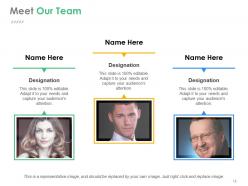
Slide 16: This slide showcases Our Team with Name and Designation to fill.
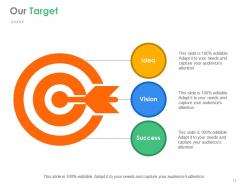
Slide 17: This slide displays Our Target with a background image
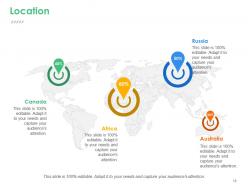
Slide 18: This is a Location slide to show global growth, presence etc. on world map.
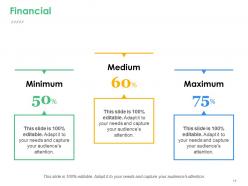
Slide 19: This is a Financial Score slide to show financial aspects here.
Slide 20: This slide shows Comparison of Positive Factors v/s Negative Factors with thumbsup and thumb down imagery.
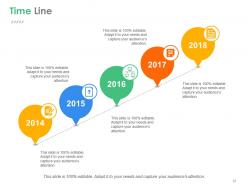
Slide 21: This is a Timelines slide to show- Plan, Budget, Schedule, Review.
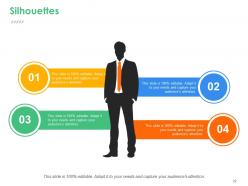
Slide 22: This is a Silhouettes image slide with the subheadings- INVENTORY, PAYMENT, CASH, CREDITCARD, CHECKOUT.
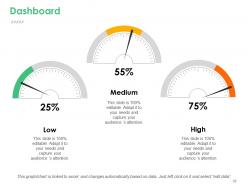
Slide 23: This is a Dashboard slide to show- Strategic System, Success, Goal Process, Sales Review, Communication Study.
Slide 24: This slide forwards to Charts & Graphs.
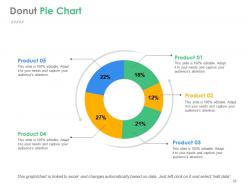
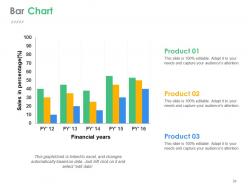
Slide 25: This slide shows Donut Pie Chart. You can comapare the five products and make use of it.
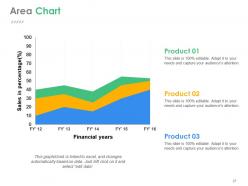
Slide 26: This slide showcases Area Chart. You can add the product the details.
Slide 27: This slide showcases Radar Chart. You can add the product the details.
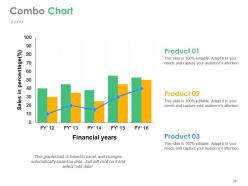
Slide 28: This slide showcases Combo Chart. You can add the product the details.
Slide 29: This is a Thank You image slide with Address, Email and Contact number.
Business Alignment Powerpoint Presentation Slides with all 29 slides:
Our Business Alignment Powerpoint Presentation Slides ensure that attention doesn't drift. Everyone continues to focus on the goals.






FAQs for Business Alignment
Honestly, most companies totally bomb the communication piece - they'll do some big strategy announcement and then wonder why nothing changes. You need three key things though: goals everyone actually gets, communication that doesn't suck, and metrics connecting daily work to the big picture. Regular check-ins help, but focus on where alignment's breaking down instead of boring status stuff. Oh and definitely audit whether your goals actually cascade down properly through the org - that's usually where things fall apart first. People should be able to connect their random Tuesday tasks to company objectives.
Honestly, the biggest game-changer is just getting everyone looking at the same stuff. Tools like Asana or Monday are clutch for this - suddenly your whole team can see deadlines and priorities without playing phone tag. Slack keeps those random conversations from disappearing into email hell (we've all been there). But here's the thing - don't just track tasks. Pick something that actually shows how your daily work connects to the big picture goals. Could be an OKR platform or honestly even a basic shared Google sheet. Start with one tool though. Get people actually using it first before you add more.
Honestly, leadership is like the GPS for the whole company - when it's broken, everyone just drives in circles. Your leaders can't just throw out some generic vision statement once a quarter and call it good (those meetings are the worst anyway). They've got to constantly talk about the big picture and actually create goals that make departments collaborate instead of compete. The incentive structure matters too - if people only get rewarded for their own team's wins, why would they help anyone else? Push for shared metrics that force everyone to work toward the same stuff.
Dude, cultural stuff can totally derail business projects - I've watched it happen so many times. Teams will interpret the same goal completely differently based on their background. Like, being direct works amazing in Germany but you'll absolutely offend Japanese colleagues who expect subtle, indirect feedback. Plus time means different things everywhere - your "urgent" deadline might not feel urgent at all to some regions. Honestly, the whole polite agreement thing gets me every time. Someone nods along in a meeting but they're actually disagreeing, just being polite about it. You've gotta build those cultural bridges upfront and create frameworks that actually account for these differences.
Honestly, I'd focus on both the numbers and the softer stuff. Revenue from cross-functional projects is obvious but crucial - you need to see if this alignment actually moves the needle. Employee engagement scores matter too, plus how often teams are actually collaborating (this one gets ignored way too much). Customer satisfaction and faster time-to-market are good indicators as well. Here's what I've learned though - don't go crazy measuring everything. Pick maybe 3-4 metrics and stick with them for a few quarters. Way better than drowning in data you can't act on.
Don't think of them as competing against each other - they're actually connected. Map out how your quick wins tie into the bigger picture so you can catch which "fixes" might screw you over later. I've watched teams obsess over hitting their quarterly numbers while completely forgetting where they're supposed to be going (happens more than you'd think). Check in monthly - ask yourself if today's moves still make sense for tomorrow's goals. When there's a clash, the question is simple: will this short-term win end up costing us more? Those regular checkpoints help you pivot before things get messy.
Honestly, the worst part is when departments think they're working toward the same goals but they're completely not. Communication breaks down everywhere. Leadership says one thing but does another - that's always fun to deal with. People get super comfortable in their little bubbles and hate changing anything. Plus nobody can agree on what success actually looks like, so how do you even know if things are improving? My advice? Don't try to fix everything at once. Pick one project where teams have to work together and focus on getting that communication right first. Way easier than overhauling your whole company.
Honestly, the biggest win is just getting people to actually talk to each other instead of working in their own little bubbles. Marketing, sales, product - they all need to see how their stuff connects to the bigger goals. Otherwise you end up with teams pulling in totally different directions, which is exhausting for everyone. Regular check-ins work way better than only meeting when something's on fire. Monthly cross-team meetings are a good start - nothing fancy, just align on what matters and catch problems early. You'll be surprised how much faster decisions happen when everyone's working off the same info instead of playing telephone.
Honestly? Communication is everything when you're going through big changes. Weekly updates, all-hands meetings, the whole deal - but make sure leadership is actually being transparent about what's happening and why. Don't go radio silent like so many companies do (seriously, it's the worst). Set up ways for people to ask questions and voice concerns. Your managers need to be ready for tough conversations too. Oh, and having clear success metrics helps everyone stay focused on the same goals. Change sucks and gets messy - just own that reality instead of pretending it's all sunshine and rainbows.
Honestly, customer feedback is like having a cheat code for business strategy. It shows you exactly where you're off track - like when you think people want feature A but they're actually begging for feature B. I've watched whole companies flip their entire roadmap just from listening to users (wild, right?). The trick isn't just gathering feedback though. You need regular review sessions where you actually dig into what customers are saying and let it guide your decisions. Otherwise you're just hoarding opinions in a spreadsheet somewhere, which helps nobody.
Honestly, just go with visual stuff that people will actually bother updating. Lattice or 15Five are solid for OKR dashboards - they show how personal goals connect to the bigger picture. Strategy maps work too, though sometimes a simple PowerPoint does the trick if it's clear enough. For cross-team projects, Miro's pretty decent for mapping out who depends on what. I've also seen Lucidchart work well. The real trick? Pick something your team won't abandon after week two. Half the tools out there are beautiful but end up collecting digital dust because they're too complicated or nobody remembers to check them.
Pick 2-3 things that actually move the needle money-wise. Don't overthink it. Weekly check-ins work great - just have everyone say what they're doing and why it matters. People work in their own bubbles way more than you'd think, honestly. Google docs or Slack are fine for staying connected (nothing fancy needed). Your team has to get the reasoning behind stuff, not just their tasks. Oh and small wins definitely beat spending forever on the perfect plan. You'll see momentum build pretty quickly once everyone's actually talking to each other.
Yeah, misalignment is brutal for team morale. People start feeling completely lost when they can't see how their daily work actually matters to the bigger picture. You'll notice them just going through the motions, constantly questioning what they should prioritize. It's exhausting, honestly. Teams end up spinning their wheels on stuff that conflicts with each other too. I read somewhere that misaligned teams drop about 30% in effectiveness - which sounds about right from what I've seen. The fix? Help everyone connect their specific role to your main goals. Once people get that connection, their energy usually comes back pretty quick.
Look, trends move so fast now that you can't just set goals once a year and call it good. New tech pops up, customers change their minds, and suddenly your whole strategy feels outdated. Your teams need to stay nimble and ready to pivot when stuff changes - which honestly happens way more than it used to. Build in quarterly check-ins instead of waiting twelve months to course-correct. The trick is staying flexible without completely losing sight of your main objectives. Regular alignment reviews will save you from scrambling when the next big shift hits your industry.
Dude, you need those teams actually talking to each other instead of just blaming each other when things go wrong. Weekly meetings where marketing shows lead quality numbers and sales explains what's actually closing deals. Both sides should see the same dashboard - marketing gets to see close rates, sales sees where leads come from. Define what makes a lead "sales-ready" upfront so nobody can point fingers later. Oh and definitely do joint goal-setting sessions next quarter. I swear, most companies would fix 70% of their problems if departments just... communicated regularly.
-
Unique research projects to present in meeting.
-
Perfect template with attractive color combination.