


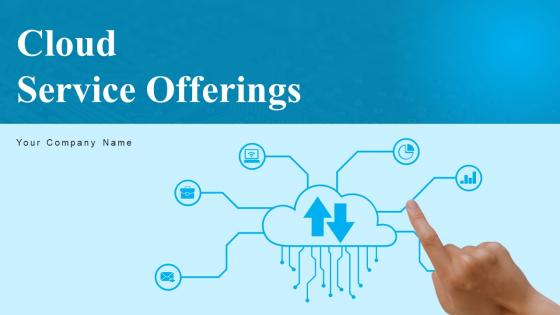
Cloud Service Offerings Powerpoint Ppt Template Bundles




Try Before you Buy Download Free Sample Product
 Impress Your
 Audience
 100%
100% Editable
 Save Hours
 of Time


Our Cloud Service Offerings Powerpoint Ppt Template Bundles are topically designed to provide an attractive backdrop to any subject. Use them to look like a presentation pro.
People who downloaded this PowerPoint presentation also viewed the following :
Cloud Service Offerings Powerpoint Ppt Template Bundles with all 17 slides:
Use our Cloud Service Offerings Powerpoint Ppt Template Bundles to effectively help you save your valuable time. They are readymade to fit into any presentation structure.





FAQs for Cloud Service Offerings Powerpoint
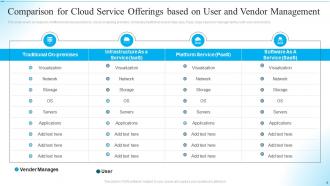
So IaaS is like renting a bare computer - you get AWS EC2 but handle all the OS stuff yourself. PaaS takes care of the server headaches for you. Heroku's great for this, just push your code and go. Then there's SaaS which is just the finished app - Gmail, Salesforce, whatever. Higher up the stack means less work but you're also more locked in. I'd honestly just think about whether you want to spend time coding features or babysitting servers first.
Honestly, just look at what your team can actually handle first. Got solid IT people who want full control? Go IaaS. PaaS is clutch if you want to code without dealing with server headaches - I'm kinda biased but it's usually the sweet spot for most stuff. SaaS makes sense when you literally just need the app to work and don't want any tech drama. Budget matters too obviously. Oh and compliance stuff if that's your world. Map out what's actually driving you crazy right now, then pick whatever fixes the biggest problems.
So it depends on what type of cloud service you're using. With IaaS, you handle OS and app security yourself. SaaS means you're basically trusting the vendor with everything - which honestly makes me nervous sometimes. PaaS is somewhere in between. Data breaches get all the headlines, but misconfigurations and weak access controls will bite you too. The whole "shared responsibility" thing is confusing as hell. First step? Figure out what you're actually responsible for versus what they handle. Then you can build your security around that. Don't forget compliance stuff either.
Dude, cloud services are seriously a lifesaver for scaling. Instead of waiting weeks for new hardware, you can spin up resources in minutes. I've watched startups go from hundreds to millions of users without major headaches. The flexibility is insane - scale up when you're busy, scale back when it's quiet to save money. You're not stuck with huge upfront investments either. Plus you get access to enterprise tools without the crazy costs. Honestly, just start small with basic stuff and grow from there. No point burning cash early on infrastructure you might not even need.
Honestly, multi-cloud is pretty smart if you can handle the complexity. Instead of getting stuck with one vendor, you pick the best stuff from each - like AWS for compute power, Google for their ML tools, Azure for enterprise stuff. It's way better than just going all-in on one platform, though yeah it gets messy to manage. But you'll have way more negotiating power when contracts come up, and you're not screwed if one provider has issues. I'd start by figuring out what you actually need, then see which cloud does each thing best. Don't just default to the biggest name.
Figure out what you actually need first - your workloads, compliance stuff, budget, how fast you'll grow. Make a scorecard comparing uptime guarantees, security certs, pricing, and support quality. Honestly their marketing is all BS anyway, so dig into the real SLAs and talk to customers in your space. Test their APIs too - you don't want integration headaches later. Oh and definitely run a pilot project before going all-in. I can't tell you how many times that's saved my ass by catching issues nobody thinks to mention upfront. Way better than finding out after you've migrated everything.
Dude, serverless is pretty sweet - no dealing with servers at all, just throw your code up there and it scales automatically. You only pay when stuff actually runs, which beats paying for idle servers sitting around doing nothing. Traffic spikes? Not your problem anymore, it just handles it. The built-in reliability is solid too. Honestly, I wish I'd started using it sooner instead of dealing with all those 3am server meltdowns. Try it out with simple stuff first - maybe an API endpoint or some basic data processing to see how you like it.
Data center location is huge for two reasons - speed and legal stuff. Physics hasn't changed, so closer to your users = faster performance. But here's where it gets messy: data sovereignty laws are everywhere now. GDPR means EU data has to stay in approved regions, and other countries have similar rules. I learned this the hard way once. You can't just pick the cheapest or newest data center anymore. Check where your users are, then figure out what regulations actually allow before you commit to anything.
Honestly, cloud stuff is everywhere now. Retail companies run their online stores and track inventory with it. Hospitals store patient files in the cloud - way better than those old filing cabinets. Banks use it for detecting fraud and mobile apps. Manufacturing? They're tracking supply chains and all that IoT sensor data. Even government agencies finally figured it out and moved services online (about time, right?). The cool thing is you can start super small and just grow as needed. I'd say figure out what's driving you crazy operationally first - that's usually where you'll see the biggest win right away.
Honestly, cloud stuff is a game changer for working with people remotely. Your whole team can jump into the same document and edit together without that weird back-and-forth email thing. Video calls work right in your browser now too - no downloads needed. Files sync automatically so you won't have those "wait, which version is the latest?" moments we've all been there with. Works from anywhere too, which is clutch. I'd start simple with shared folders and Google Docs or whatever, then maybe add project management tools once everyone's not confused by the basics.
Honestly, the money side is kinda all over the place. You'll save upfront since no more buying servers or dealing with maintenance headaches - that stuff adds up fast. But your monthly bills will definitely go up because now you're paying as you go. The cool part is scaling up or down based on what you actually need instead of just guessing. Though I've seen people get burned because it's so easy to spin up resources and forget about them. Costs can get out of hand quick if you're not watching. I'd crunch the numbers comparing what you spend now versus projected cloud costs over like 3-5 years to see the real deal.
So cloud services are like having backup locations everywhere - if your main stuff crashes, you're back up in hours instead of days. No more waiting around to rebuild servers or mess with physical backups. You can literally spin up your apps in a different region in minutes, which still blows my mind tbh. The cost thing is nice too - you only pay during actual disasters, not for standby equipment sitting around all year. I'd probably start with your most critical systems and just test cloud recovery on those first. Way less overwhelming that way.
Check if your cloud provider meets your industry's compliance stuff first - GDPR, HIPAA, whatever applies to your data. Here's the kicker though: you're still on the hook for compliance even when it's their servers. I've seen companies get burned by this. Look at where they store data geographically and what certs they have. Get their audit reports if possible. The shared responsibility thing is crucial too - some compliance tasks fall on you, others on them. Don't assume they handle everything just because it's "in the cloud."
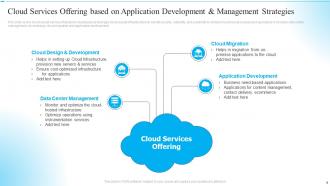
So managed services are clutch - they handle all the boring server maintenance while your team works on actual features. No more 2am alerts about crashed instances (seriously, the worst). The provider does monitoring, updates, scaling, all that tedious stuff. You get solid uptime without hiring more people or stressing your current team. Costs are way more predictable too since it's typically flat monthly pricing. Just make sure whoever you pick has good SLAs that match what you need uptime-wise. Oh and find someone who gets your industry - makes a huge difference.
Edge computing is exploding right now - companies want that faster processing closer to users. AI features aren't extras anymore, they're just standard. Most places are going multi-cloud because nobody wants to get stuck with one vendor (totally get that). Serverless is catching on since you only pay for actual usage, which is pretty smart. Oh, and sustainability stuff? That's actually becoming a dealbreaker for a lot of organizations now. The AI integration thing is moving crazy fast though, so definitely keep an eye on that when you're planning your strategy.
-
Requested a complete pitch deck. Delivered immediately and with high quality well researched content.
-
The team is highly dedicated and professional. They deliver their work on time and with perfection.