

Company management powerpoint presentation slides




Try Before you Buy Download Free Sample Product
 Impress Your
 Audience
 100%
100% Editable
 Save Hours
 of Time


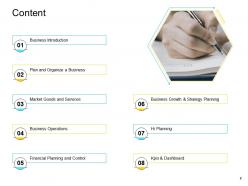
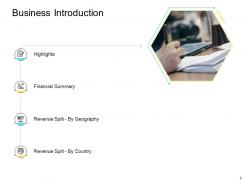
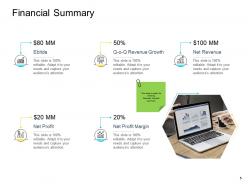
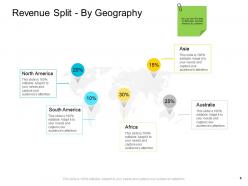
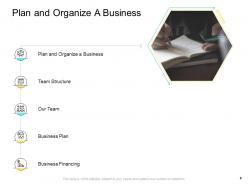
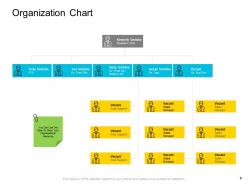
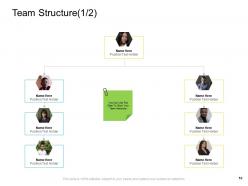
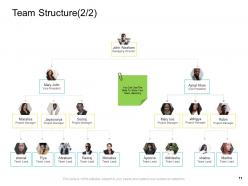
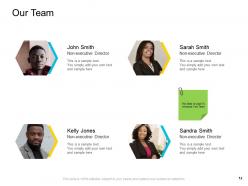
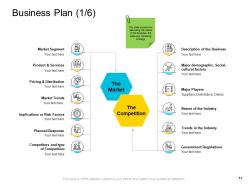
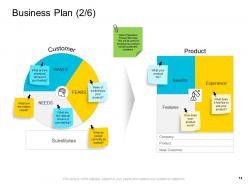
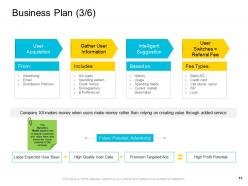
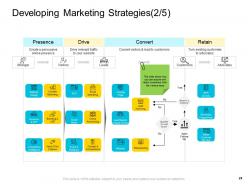
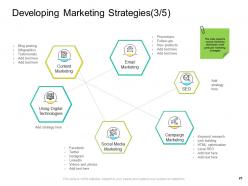
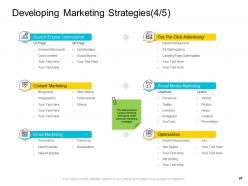
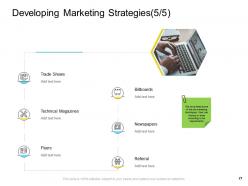
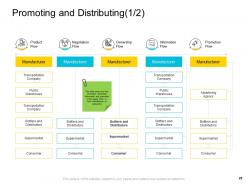
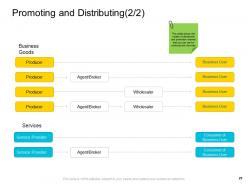
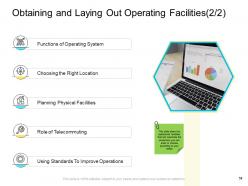
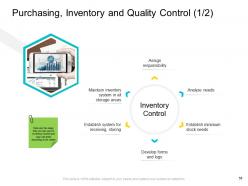
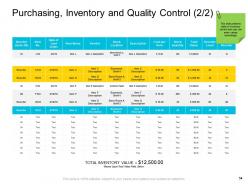
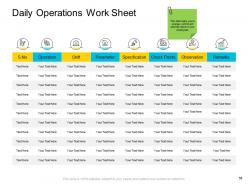
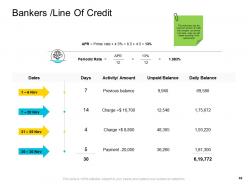
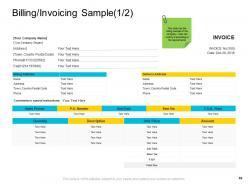
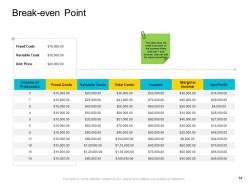
Introducing Company Management PowerPoint Presentation Slides. The presentation showcases business highlights, financial summary, and business revenue by continents. Utilize our readily available enterprise management PPT visuals to depict the company’s organization chart and team structure. With the help of these attention-grabbing PPT layouts, describe the sales and marketing strategies. You can easily explain the business model, which will help showcase the company’s future. Discuss the types of enterprise strategies with the use of these eye-catching business management PowerPoint templates. Present the effective growth strategies of the organization by using these PPT visuals. The slides allow you to choose the type of online marketing strategies. Also, discuss various marketing techniques by using corporate management PowerPoint slideshow. Showcase the models of distribution and promotion channels that you can use for products and services by incorporating our ready-to-use PPT infographics.
People who downloaded this PowerPoint presentation also viewed the following :
Company management powerpoint presentation slides with all 93 slides:
Use our Company Management Powerpoint Presentation Slides to effectively help you save your valuable time. They are readymade to fit into any presentation structure.

FAQs for Company management
Honestly, start with strategic planning and communication - those are make-or-break. Good leadership ties everything together, plus you'll need decent financial management (duh). Team building matters more than people think. Your org structure should actually help decisions happen faster, not create more red tape. Risk management is huge too, though it's kinda boring to think about. Adaptability is non-negotiable since everything changes constantly now. Here's what I'd do: audit your weak spots first, then fix one thing at a time. Don't try changing everything - that's how you burn out your team.
First, figure out what values you actually want - sounds obvious but so many places skip this part completely. Then make sure your hiring and promotions match those values. People notice what gets rewarded way more than what's in company emails, trust me. You'll want regular check-ins to catch when things go sideways. Don't just hope culture happens naturally - be deliberate about it. Actually, start by looking at what your current systems reward vs. what you say you want. That gap is usually pretty telling.
Honestly, communication makes or breaks everything in management. Your team can't read your mind - they need to know what you actually want from them. When people feel heard and get clear direction, work flows so much better. But mess up the communication? Everything falls apart fast. Morale tanks, people get confused, and suddenly simple tasks become impossible. I'd say start checking in more often instead of assuming everyone's on the same page. Be super specific about what you need. Oh, and create those safe spaces where people can actually speak up without worrying about backlash.
Honestly, your leadership style makes or breaks team morale. Authoritarian bosses get fast results but crush creativity - nobody wants to work under constant pressure. When you involve people in decisions (democratic style), they actually care more because they feel heard. Transformational leaders are amazing for motivation and innovation, though keeping up that inspirational energy 24/7 is brutal. Don't even get me started on micromanagers - they think they're helping but just make everyone miserable and less productive. The trick is reading your team and switching styles based on what's actually happening, not just sticking to one approach forever.
Honestly, start with whatever's causing the biggest headache right now and fix that first. Regular cross-department meetings help a ton - people need to actually talk to each other, you know? Slack or Asana are solid for keeping everyone on the same page. Make sure people understand how their stuff fits into the bigger goals. Clear roles are huge so nobody's accidentally duplicating work or getting territorial. And this might sound cheesy, but those random virtual coffee chats actually work. Sometimes the best ideas come from just shooting the breeze with someone from accounting or whatever.
Honestly, data analytics just takes all your hunches and shows you if they're actually right. You know how you're always wondering if that marketing campaign worked or why sales dipped last month? Numbers tell the real story. I used to think it was overhyped tech nonsense, but it genuinely helps you catch problems early and spot what customers actually want. The prediction stuff is pretty wild too - like seeing trends before they smack you in the face. My advice? Don't go crazy with it right away. Pick something you're always stressed about and start there.
Honestly, you've got to over-communicate like crazy. I'd start with weekly team check-ins, then adjust based on what actually works. Video calls are clutch for reading the room - way better than just phone or Slack. Set expectations early about when people respond and how you'll track stuff. Regular one-on-ones become super important since you can't just walk over anymore. Oh, and don't forget the casual conversations! Not everything needs to be about work deadlines. Trust your people but focus on what they deliver, not whether they're online at 9am sharp. Async updates work well for progress tracking too.
Honestly, both frameworks are game-changers for cutting through BS and actually shipping stuff. Agile breaks everything into bite-sized pieces so when things inevitably change (and they will), you're not scrambling. Lean's all about ditching the time-wasting activities - you know, those meetings that could've been emails. Your team communication gets way better too. They help you pivot fast when customers want something different. My advice? Don't overthink it - just grab one messy project and test either approach there first.
Dude, you've gotta start doing regular check-ins with your team. I'm talking like 5 minutes a week with each person - sounds like nothing but it's game-changing. People hate being left in the dark about their performance. They'll actually feel way more confident when they know how they're doing instead of wondering for months. Catching problems early beats dealing with massive issues later, trust me. I've watched people get completely blindsided during yearly reviews and it's honestly painful to see. Quick feedback builds trust too. Your team will know you're invested in helping them grow, not just waiting to drop bombs on them once a year.
Look, you've gotta catch this stuff early before people start losing their minds. Train your managers on how to actually listen and mediate - most of them suck at it tbh. Set up clear escalation paths so people know where to go. HR for the big blowups, peer mediation for petty stuff. I mean, ideally everyone would just talk it out like adults, but we both know that's not happening. Create a conflict resolution policy that's actually easy to find and use. Half these workplace disasters could be prevented if someone just stepped in when things were still fixable instead of waiting until Karen's ready to burn the place down.
Dude, emotional intelligence is seriously what makes the difference between managers people actually respect vs ones they just tolerate. Like, you can be super smart technically but if you can't read the room or handle your own stress reactions, you're gonna struggle hard. I've watched brilliant people crash and burn because they had zero people skills. Pay attention to how your team reacts to stuff you say. Can you tell when someone's frustrated before they explode? Do you stay level-headed when everything's on fire? That's the stuff that actually matters. Your team's happiness (and whether they stick around) depends way more on this than you'd think.
Look, D&I stuff totally changes how you manage - hiring, promotions, team meetings, all of it. Yeah, it's pretty overwhelming at first with the trainings and new processes (honestly felt like drinking from a fire hose). But it actually makes you a better manager because you're not stuck in your own perspective bubble anymore. Your communication style needs tweaking, performance reviews get more nuanced. Conflict resolution becomes trickier too. My advice? Don't try to overhaul everything at once. Just start with simple stuff like making sure your interview panels aren't all the same type of people and watch how meetings flow differently.
Honestly, the biggest pain is getting people on board when they can't see the point of changing. Most folks are creatures of habit - I mean, aren't we all? Plus coordinating between departments becomes this massive headache. Communication gets messy too. Your message starts clear at the top but by the time it reaches everyone else, it's like a game of telephone gone wrong. Oh, and timeline pressure just makes everything worse because rushed changes almost always blow up in your face. Best bet? Get people involved early and actually explain why you're doing this stuff.
Honestly, just track the basics first - turnover rates, engagement scores, and productivity numbers. Those don't lie. Customer satisfaction and financial stuff are obvious choices too. But here's the thing - sometimes you learn more by literally walking around and actually listening to conversations. 360 feedback is clutch for getting the whole picture. Don't do those one-off surveys though, they're pretty useless. Set up maybe 5-6 key metrics on a dashboard and check them monthly. Consistency beats perfection here. The patterns over time will tell you way more than any single snapshot ever could.
Honestly, the whole game's changing. AI matching people to skills they didn't even know they had. Companies are ditching those awful annual reviews for regular check-ins that actually matter. Career paths aren't these weird ladder climbs anymore - they're personalized based on what YOU want. Internal talent marketplaces are everywhere now, letting people basically window-shop for cool projects in other departments. Reverse mentoring's pretty sweet too - Gen Z teaching executives about TikTok and whatnot. But here's the thing: just ask your people what they actually want first. Don't assume you know.
-
Great product with highly impressive and engaging designs.
-
Easily Understandable slides.
-
Much better than the original! Thanks for the quick turnaround.