


Compliance Strategy Business Minimization Opportunities Documentation





Try Before you Buy Download Free Sample Product
 Impress Your
 Audience
 100%
100% Editable
 Save Hours
 of Time


Our Compliance Strategy Business Minimization Opportunities Documentation are topically designed to provide an attractive backdrop to any subject. Use them to look like a presentation pro.
People who downloaded this PowerPoint presentation also viewed the following :
Compliance Strategy Business Minimization Opportunities Documentation with all 12 slides:
Use our Compliance Strategy Business Minimization Opportunities Documentation to effectively help you save your valuable time. They are readymade to fit into any presentation structure.
-

Compliance Strategy Business Minimization Opportunities Documentation
-
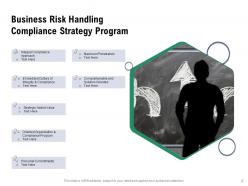
Compliance Strategy Business Minimization Opportunities Documentation
-
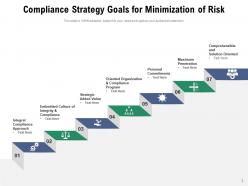
Compliance Strategy Business Minimization Opportunities Documentation
-
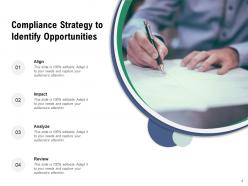
Compliance Strategy Business Minimization Opportunities Documentation
-

Compliance Strategy Business Minimization Opportunities Documentation
-
Compliance Strategy Business Minimization Opportunities Documentation
-
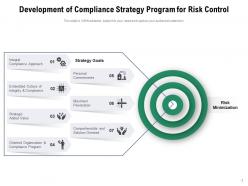
Compliance Strategy Business Minimization Opportunities Documentation
-
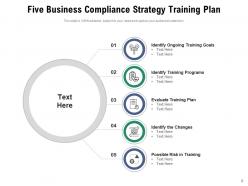
Compliance Strategy Business Minimization Opportunities Documentation
-
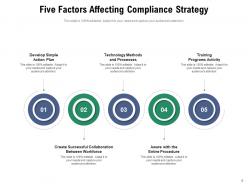
Compliance Strategy Business Minimization Opportunities Documentation
-
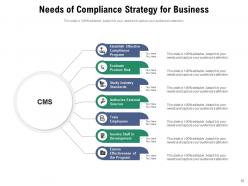
Compliance Strategy Business Minimization Opportunities Documentation
-
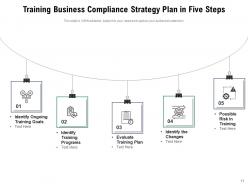
Compliance Strategy Business Minimization Opportunities Documentation
-

Compliance Strategy Business Minimization Opportunities Documentation
FAQs for Compliance Strategy Business
So you need four main things for compliance that actually works: policies people can understand (not legal gibberish), risk assessments to catch problems early, decent training, and monitoring with real teeth. Honestly, most places totally bomb the training part - everyone just clicks through those awful modules. Leadership has to give a damn or it's pointless. Document everything as you go. Oh, and regulations change constantly so you'll be updating stuff forever. I'd start by looking at what you have now and fixing the biggest mess first.
Honestly, you've gotta start with auditing what you already have - map your current policies against what regulations actually require. Sounds boring as hell, but it's the foundation everything else builds on. Talk to people in different departments about where things aren't working smoothly. Check old audit reports and any regulatory feedback you've gotten too. Your compliance training might be trash (most companies' is), so evaluate that alongside your documentation quality. Review any incidents that happened - those usually reveal weak spots. Once you see the full mess, rank the gaps by how much risk they create and tackle the worst ones first.
Think of risk management as your compass for compliance stuff. Figure out which regulations could actually hurt your business first. Then rank them by how likely they are to bite you and how bad it'd be if they did. Honestly, trying to be perfect at everything just burns you out. Focus your energy on the big scary risks with solid controls, and don't stress as much about the smaller ones. I'd start by listing your top 5-10 regulatory nightmares and work from there. Way better than spreading yourself too thin across everything.
Dude, automation is seriously your best friend here. Set up monitoring systems that catch violations as they happen - saves you from scrambling later. Those compliance platforms that centralize everything? Total lifesaver. AI can even scan your team's emails for sketchy language now, which honestly feels a bit Big Brother but whatever, it works. Digital trails make documentation painless compared to those awful spreadsheet days. Just don't go crazy buying every tool out there - pick stuff that plays nice with what you already have. Map out what's driving you nuts first, then find tech that fixes those specific problems.
Ugh, regulations change constantly - it's like they're trying to drive us crazy. Data privacy stuff like GDPR is a nightmare too. Then you've got industry rules that shift every few months... honestly who has time for this? Most teams I know are totally understaffed for compliance work. Nobody wants to fund it until something breaks. Plus different departments handle things their own way, which makes everything messier. Here's what I'd do: map out where you're actually vulnerable right now. Sounds boring but it'll help you figure out what to tackle first instead of just panicking about everything.
Training your people is honestly the best defense you've got. When employees know the rules and procedures inside out, they catch problems early instead of creating violations. Regulators notice this stuff during audits too - they can tell when a company actually cares about prevention. But here's the thing: you can't just do some generic one-day session and call it done. That's useless, frankly. Build training around your actual risk areas and make it specific to what each role does. Keep doing refreshers because people forget. It really does turn potential headaches into your compliance allies.
Honestly, you gotta make this systematic or you'll get blindsided. Subscribe to those boring regulatory newsletters and follow the main agencies on social media. Google alerts are clutch here - set them up for compliance terms in your industry because they catch random stuff you'd never see otherwise. Industry associations help too, plus they're good for networking. I'd definitely build relationships with compliance lawyers who can tip you off early. Oh, and create some kind of quarterly review thing where you actually go through new regs and update your stuff. The whole point is staying ahead instead of freaking out when something drops.
Track both types of metrics - leading ones like training rates and hotline reports, plus the scary lagging stuff (actual fines, violations). Most companies obsess over lagging indicators, which is backwards honestly. It's like weighing yourself after gaining 20 pounds instead of tracking daily habits. Set up monthly dashboards for both. Also survey employees to see if they actually get your policies - surprising how often they don't. Oh, and prioritize metrics that match your biggest risks first. Don't try measuring everything at once or you'll go crazy.
So here's what works: standardized templates save your team tons of time since they won't be starting from scratch constantly. Document the why behind decisions, not just what happened - trust me, you'll need that context later. Version control is critical because working off outdated policies is a nightmare I wouldn't wish on anyone. Store everything in one searchable system and set up regular reviews to catch outdated stuff. Oh, and make sure whoever needs access can actually find things easily. I'd start by seeing what docs you already have, then figure out what's missing.
Don't treat compliance like some annoying checkbox you deal with later. Map out which regulations actually matter for what you're trying to build, then bake those requirements right into how you operate. I've watched so many startups get blindsided by this stuff. Think of it more like guardrails that let you move fast without crashing, not speed bumps slowing you down. Your risk tolerance should match your growth plans - compliance can actually become a competitive edge if you do it right. Start by figuring out where it overlaps with what you're already prioritizing anyway.
Look, if your bosses don't actually care about compliance, nobody else will. Simple as that. They can't just talk about it - they need to bring it up in meetings, celebrate when teams do the right thing, and actually deal with violations fast. I've worked places where management would preach compliance then turn around and say "just make it happen" when crunch time hit. Total nightmare. Your leaders have to walk the walk and back people up when following rules creates friction with deadlines or whatever. Otherwise you're basically setting everyone up to fail.
So basically, more people looking at compliance stuff = catching problems early. IT, HR, finance, and ops all see different risks that others miss. Makes total sense when you think about it. Everyone stops assuming compliance is just legal's problem too, which is huge. Issues get fixed faster, and nobody's scrambling during audits trying to figure out what went wrong. Honestly, the finger-pointing thing alone makes it worth doing. I'd start with monthly meetings where each department just shares what sketchy stuff they're noticing. Nothing fancy, just regular check-ins.
External audits are total game-changers for compliance stuff. They catch blindspots you'd never see internally - like when your controls look good on paper but aren't actually working. Auditors also show you where you stack up against everyone else in your industry, which is super helpful. Honestly, I've seen companies waste so much time on the wrong priorities. The findings become your blueprint for what to tackle next year. Don't just stick their report in a drawer though - use it to get budget approval and sell process changes to your boss. Worth every penny.
Honestly, once a year is the absolute minimum - but that's kinda risky if you ask me. Big regulatory changes or business shifts? Review immediately, don't wait around. I'd do lighter quarterly check-ins too since stuff changes fast these days. The whole point is staying ahead instead of playing catch-up later when you're stressed. Set those calendar reminders now and get someone watching for regulatory updates year-round. Trust me, you don't want to be scrambling when something major hits.
Don't just tick boxes - actually weave compliance into how you work day-to-day. Keep it simple too. Nobody reads those massive manuals that sit on shelves collecting dust (learned that one the hard way). Get your bosses on board early or you'll have zero power when it's time to enforce anything. Oh, and here's what kills me - people love copying other companies' frameworks word-for-word. Bad move. Figure out YOUR specific risks first. Then build around those actual problems, not some generic template that doesn't fit your situation.
-
Nice and innovative design.
-
Best Representation of topics, really appreciable.