

Strategy Action Plan Mission Corporate Strategy Competitive Strategy






Try Before you Buy Download Free Sample Product
 Impress Your
 Audience
 100%
100% Editable
 Save Hours
 of Time


Our Strategy Action Plan Mission Corporate Strategy Competitive Strategy are topically designed to provide an attractive backdrop to any subject. Use them to look like a presentation pro.
People who downloaded this PowerPoint presentation also viewed the following :
Strategy Action Plan Mission Corporate Strategy Competitive Strategy with all 13 slides:
Use our Strategy Action Plan Mission Corporate Strategy Competitive Strategy to effectively help you save your valuable time. They are readymade to fit into any presentation structure.
-

Strategy
-
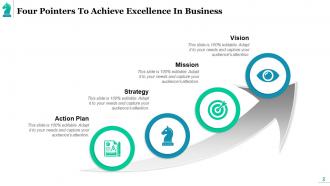
Four Pointers To Achieve Excellence In Business
-
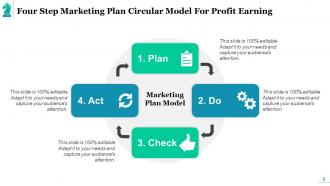
Four Step Marketing Plan Circular Model For Profit Earning
-
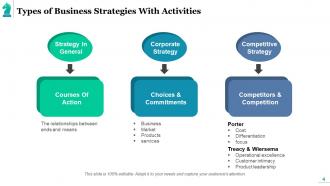
Types of Business Strategies With Activities
-
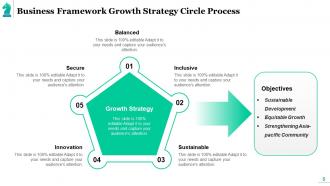
Business Framework Growth Strategy Circle Process
-
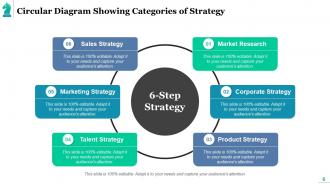
Circular Diagram Showing Categories of Strategy
-

Company Research Strategy For Goal Achievement
-
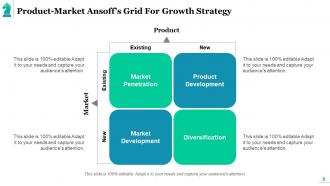
Product Market Ansoff s Grid For Growth Strategy
-
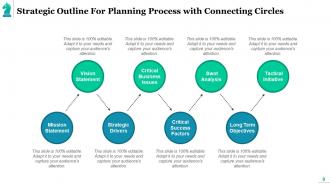
Strategic Outline for Planning Process with Connecting Circles
-
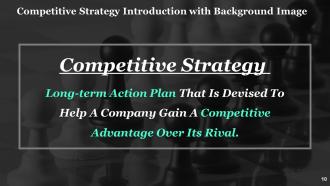
Competitive Strategy Introduction with Background Image
-
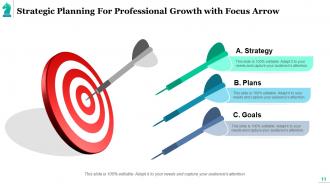
Strategic Planning for Professional Growth with Focus Arrow
-

Successful Strategy Execution for Business with Direction Arrows
-

Thank You
FAQs for Strategy Action Plan Mission Corporate
Honestly, most corporate strategies crash because they're missing basic stuff. You need a clear vision first - like, where are you actually going? Then figure out where you stand against competitors. I've watched so many teams get the strategy part right but then can't get budget or people allocated properly, which is super frustrating. Your goals have to be measurable too. Leadership buy-in is huge - without it you're dead in the water. Oh, and build in flexibility because everything changes anyway. I'd start by checking what you already have in each area.
So here's what works: break down your big strategy into specific targets for each team. Monthly check-ins are way better than those yearly meetings that nobody remembers anyway. Your metrics should actually track what matters strategically, not just random busy work stuff. Everyone needs to see how their daily tasks connect to the bigger goals - and I mean really see it, not just hear about it once. Dashboards help a lot if you track both the strategic wins and day-to-day numbers together. Communication is honestly the make-or-break thing here.
Think of market analysis as your roadmap before diving into any business move. It tells you what customers actually want, who you're up against, and whether your idea will flop or fly. Honestly, skipping this step is like gambling with your money. You'll figure out which markets are worth entering and where the real gaps are. Plus it helps you avoid wasting resources on stuff nobody needs. Start by checking out your competition and talking to potential customers - that's where the gold is. The whole point? Don't launch blind when you can be smart about it.
Look, digital transformation isn't just about getting shiny new tech - it's gotta solve actual problems. Figure out what's really bugging your customers or slowing you down internally first. Then see where technology can genuinely help, not just because everyone else is doing it. I'd honestly focus on maybe 2-3 big wins initially instead of going crazy and trying to change everything. Could be improving customer experience, making better decisions with data, whatever moves the needle for your specific business. Just make sure it actually connects to your bigger goals, you know?
Honestly, the biggest risks are usually being way off about what you can actually pull off and thinking there's more demand than there really is. Resource allocation gets messy fast - you'll either spread too thin or panic-pivot when stuff gets rough. Even smart strategies tank if your team can't execute properly. Oh, and competitors love to mess up your plans at the worst possible times. I'd do regular check-ins on your strategy and definitely have backup plans. Sounds boring but it's saved my ass more than once.
Dude, M&A totally flips your strategic planning upside down. You stop thinking small and start asking bigger questions - should we buy this capability instead of building it? Makes more sense to acquire our way into that new market, right? The tricky part is you've gotta nail the integration stuff and make sure cultures actually mesh. I've seen too many deals fall apart because people got starry-eyed about "synergies" without doing the real work. My take? Figure out your core priorities first. Then see if buying someone gets you there faster than the slow build.
So you'll want to track both money stuff and the other metrics too. Revenue growth, profit margins, ROI - the usual suspects. But honestly those numbers only show part of what's happening. Customer satisfaction scores matter a ton, plus how engaged your employees actually are. Oh and operational efficiency improvements - though that one can be tricky to measure sometimes. Innovation metrics work too if that's your focus, like new product launches or how effective your R&D spend is. Don't go crazy though - pick maybe 5-7 that actually connect to your goals. Figure out what winning looks like first, then find the right ways to measure it.
Honestly, culture will make or break whatever strategy you're trying to pull off. Think about it - if everyone's used to working together but suddenly you need them in separate departments doing their own thing, good luck with that. Your team filters everything through the company vibe, you know? How they prioritize stuff, make calls, spend their time. When culture and strategy actually match up, things move fast. But when they don't? You'll hit a wall every time. I'd take a real hard look at what you're working with first, then either tweak the strategy or accept you're in for a long culture shift.
Look for stuff that's actually hard to copy - like tech that took you years to build or relationships that can't be bought overnight. Network effects are gold if you can get them working. Real talk though? Most advantages don't last as long as people think they will. Markets move too fast now. Your best bet is making it expensive or painful for customers to switch, or getting so big that new players can't compete on cost. I'd start by asking yourself what you do that would take a competitor at least two years to figure out. If the answer is "nothing," well... there's your homework.
Look, when markets get crazy, you've basically got a few solid options. Diversify what you're selling or switch up your pricing - that's the obvious stuff. But honestly? Strategic partnerships are where it's at right now, way more than people realize. You could also target different customers or go hard on digital transformation. Oh, and geographic expansion if your local market's tanking. Don't get married to old processes though. Figure out what's most at risk first, then tackle those problems. The whole "we've always done it this way" mentality will kill you. Stay flexible.
Look, governance isn't just bureaucratic nonsense - it actually shapes what strategies you can pull off. Your board controls the big stuff: risk limits, budgets, strategic direction. They're literally deciding what's even possible for you to pursue. The structure also determines who makes calls and how fast you can change course when things go sideways. Here's the thing though - good governance makes you faster, not slower. Clear authority lines mean less confusion and better execution. Bad governance? Total nightmare of bottlenecks and mixed messages. Plus all that oversight forces you to think harder about your plans, which honestly isn't the worst thing.
You can't just lock yourself in a room and come up with strategy - that's honestly a recipe for disaster. Map out who matters: customers, employees, investors, whoever. Set up regular check-ins with them because they see stuff you'll miss from the top. Early input means better decisions and way less "oh crap, why didn't we know about this?" situations down the road. Plus people actually support initiatives when they feel heard. It's like... you wouldn't plan a party without asking what people want, right? Same concept here.
Honestly, nail down what makes you strong at home first - that's your whole foundation. Way too many companies just chase shiny new markets without thinking it through. Find places that actually match what you're good at, not just wherever looks profitable. Joint ventures usually beat going solo, especially when regulations get messy (learned that one the hard way). Oh and don't expand just because everyone else is doing it - your strategy needs to make sense for YOUR business. Pick one market, figure out what works, then roll it out from there.
Look, without innovation your strategy just becomes this stale playbook that competitors will demolish. Markets shift constantly - you've gotta anticipate those changes and build new revenue streams before someone else does. And honestly, it's not just about flashy products. Innovation should reshape how you operate, treat customers, maybe even restructure teams. Companies that actually fund innovation (not just mention it in meetings) can pivot way faster when everything goes sideways. Which it will. So don't just talk about it - put real money and people behind innovative thinking in your strategic planning.
Honestly, most companies screw this up because they treat short-term and long-term like they're completely separate things. Break your big vision into quarterly chunks that actually make money now while still moving you forward. Track stuff that covers both sides - revenue growth AND customer lifetime value works great. Cost savings paired with how strong your innovation pipeline is getting. Your team needs to see how hitting today's numbers connects to where you're going next year, otherwise they're just going through the motions. Sounds simple but you'd be surprised how many places miss this.
-
great
-
nice job
-
Very Good
-
Very Good
-
Very Good
-
Very Good
-
Design layout is very impressive.
-
Great product with highly impressive and engaging designs.
-
Good research work and creative work done on every template.