


Comprehensive Guide To Effective Business Environment Analysis Powerpoint Presentation Slides




Try Before you Buy Download Free Sample Product
 Impress Your
 Audience
 100%
100% Editable
 Save Hours
 of Time


Business environment analysis is a vital process for organizations to gain a comprehensive understanding of the internal and external factors that impact their operations. Grab our insightfully designed Comprehensive Guide to Effective Business Environment Analysis PowerPoint presentation. It provides an overview of the stages, objectives, elements, challenges, and critical drivers of organizational environment scanning. Our Business Factors Assessment deck highlights the significance of conducting methods such as PESTEL analysis, SWOT analysis, survey approaches, perceptual mapping, and evaluation techniques like CATWOE, VRIO, and MOST analysis. These tools aid in identifying opportunities, anticipating threats, and gaining a competitive edge. Additionally, our Organizational External Factors PPT emphasizes the importance of measuring overall business performance through impact assessment and tracking Key Performance Indicators KPIs to monitor the effectiveness of implemented strategies. By engaging in thorough business environment analysis, organizations can make informed decisions, adapt to changing market dynamics, and position themselves for success in their respective industries. Get instant access.
People who downloaded this PowerPoint presentation also viewed the following :
Content of this Powerpoint Presentation
Slide 1: This slide introduces Comprehensive Guide to Effective Business Environment Analysis. Commence by stating Your Company Name.
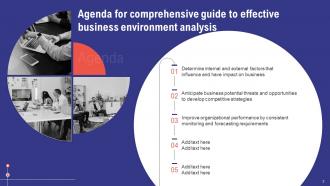
Slide 2: This slide depicts the Agenda fof the presentation.
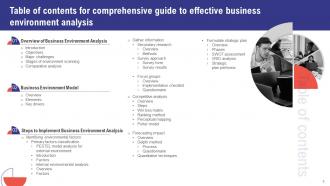
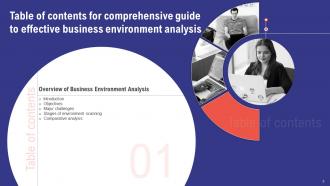
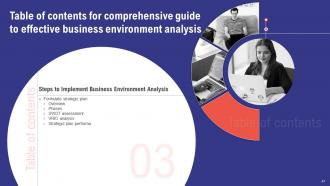
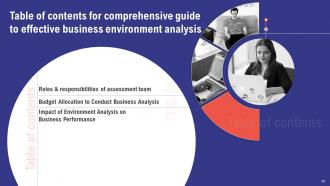
Slide 3: This slide includes the Table of contents.
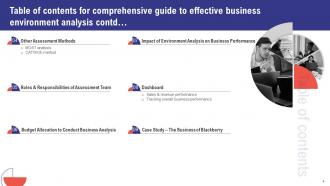
Slide 4: This is yet another slide continuing the Table of contents.
Slide 5: This slide highlights the Title for the Topics to be covered further.
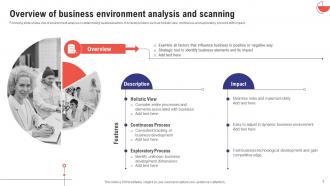
Slide 6: This slide presents the Overview of business environment analysis and scanning.
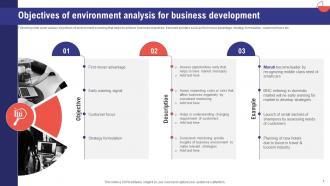
Slide 7: The Following slide cover various objectives of environment scanning that helps to achieve business objectives.
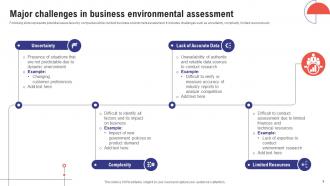
Slide 8: This slide exhibits the Major challenges in business environmental assessment.
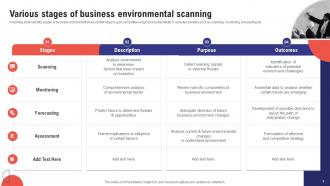
Slide 9: The Following slide exhibits stages of business environment analysis that helps to gain competitive edge and sustainability.
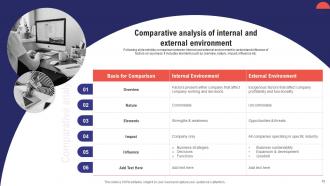
Slide 10: This slide reveals the Comparative analysis of internal and external environment.
Slide 11: This slide includes the Heading for the Contents to be discussed next.
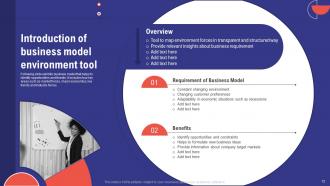
Slide 12: This slide reveals the Introduction of business model environment tool.
Slide 13: This slide states the Elements of business model environment model.
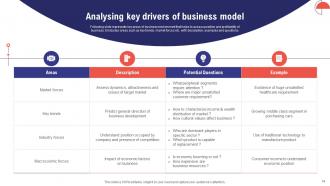
Slide 14: This slide deals with Analysing key drivers of business model.
Slide 15: This slide includes the Title for the Ideas to be covered in the upcoming template.
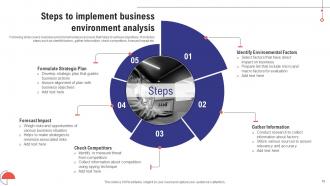
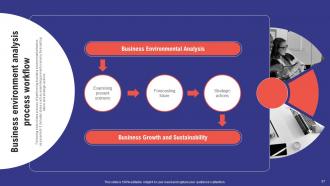
Slide 16: The Following slide covers business environment analysis process that helps to achieve objectives.
Slide 17: This slide portrays the Heading for the Ideas to be discussed in the upcoming template.
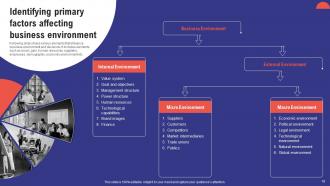
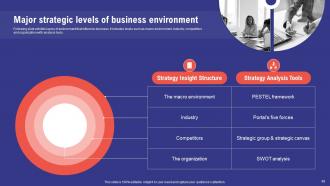
Slide 18: This slide focuses on Identifying primary factors affecting business environment.
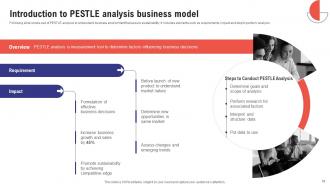
Slide 19: The Following slide shows use of PESTLE analysis to understand business environment that assure sustainability.
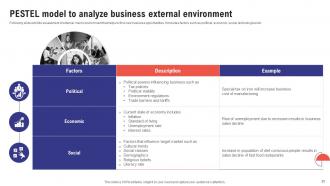
Slide 20: This slide displays the PESTEL model to analyze business external environment.
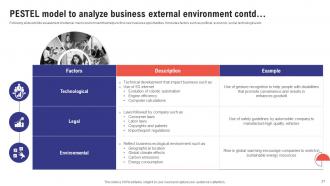
Slide 21: This slide continues the PESTEL model to analyze business external environment.
Slide 22: This slide depicts the Title for the Contents to be covered in the upcoming template.
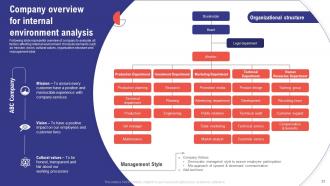
Slide 23: This slide showcases the Company overview for internal environment analysis.
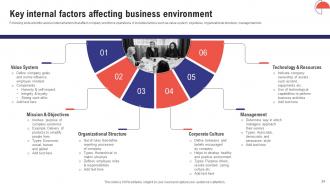
Slide 24: This slide highlights the Key internal factors affecting business environment.
Slide 25: This slide mnetions the Heading for the Topics to be discussed in the next template.
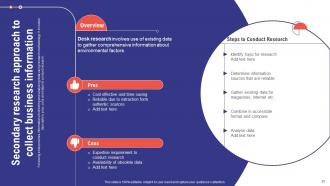
Slide 26: This slide revals the Secondary research approach to collect business information.
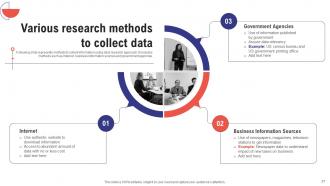
Slide 27: This slide states the Various research methods to collect data.
Slide 28: This slide indicates the Title for the Topics to be covered in the upcoming tempalte.
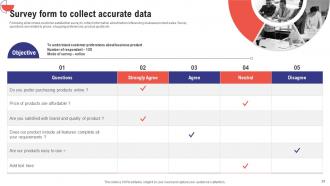
Slide 29: The Following slide shows customer satisfaction survey to collect information about factors influencing business product sales.
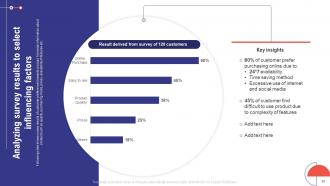
Slide 30: This slide focuses on Analyzing survey results to select influencing factors.
Slide 31: This slide contains the Heading for the Contents to be discussed further.
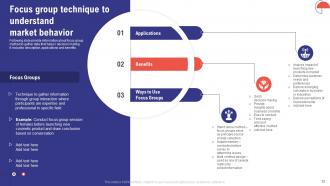
Slide 32: This slide displays the Focus group technique to understand market behavior.
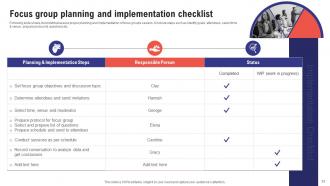
Slide 33: The Following slide shows checklist that assure proper planning and implementation of focus groups session.
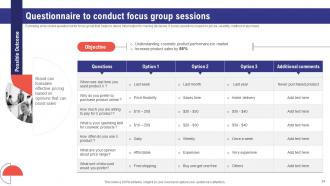
Slide 34: This slide portrays the question list for focus group that helps to derive information for making decisions.
Slide 35: This slide exhibits the Title for the Ideas to be covered in the next template.
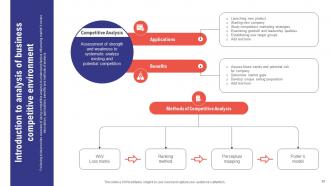
Slide 36: This slide reveals the Introduction to analysis of business competitive environment.
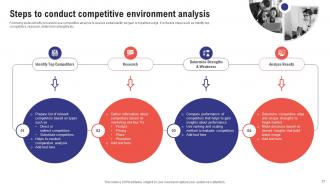
Slide 37: This slide highlights the Steps to conduct competitive environment analysis.
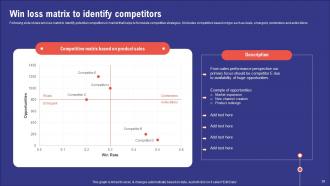
Slide 38: The Following slide shows win loss matrix to identify potential competitors in market that helps to formulate competitive strategies.
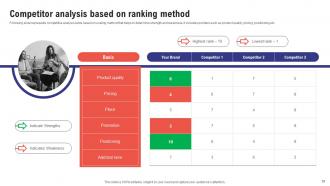
Slide 39: This slide reveals the Competitor analysis based on ranking method.
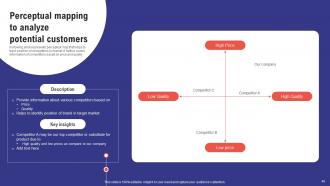
Slide 40: The Following slide represents perceptual map that helps to track position of competitors in market.
Slide 41: Thsi slide highlights porter five forces model that helps companies to conduct systematic competitive analysis.
Slide 42: This slide presents the Heading for the Ideas to be discussed next.
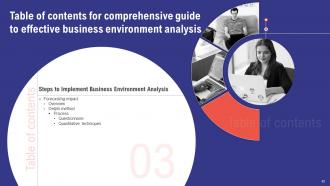
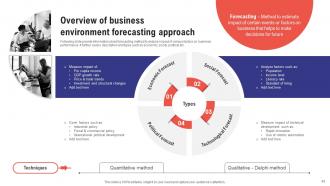
Slide 43: This slide provides information about forecasting method to analyze impact of various factors on business performance.
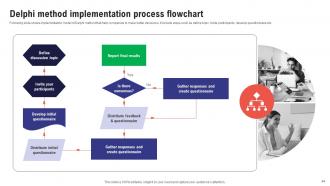
Slide 44: This slide shows implementation model of Delphi method that help companies to make better decisions.
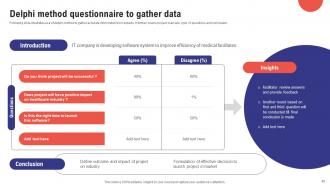
Slide 45: This slide indicates the Delphi method questionnaire to gather data.
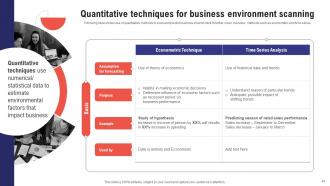
Slide 46: This slide exhibits the Quantitative techniques for business environment scanning.
Slide 47: This slide portrays the Title for the Contents to be covered in the upocming template.
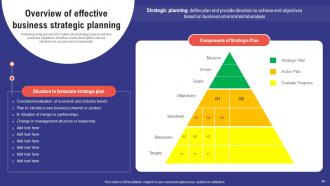
Slide 48: This slide presents the Overview of effective business strategic planning.
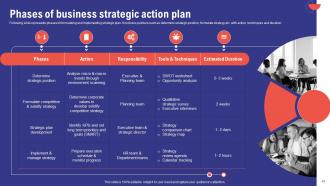
Slide 49: This slide states the Phases of business strategic action plan.
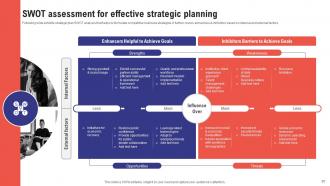
Slide 50: This slide displays the SWOT assessment for effective strategic planning.
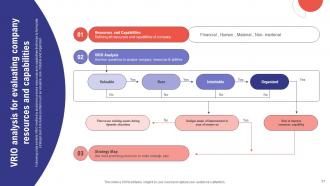
Slide 51: This slide exhibits the VRIO analysis for evaluating company resources and capabilities.
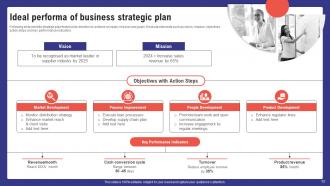
Slide 52: This slide presents the Ideal performa of business strategic plan.
Slide 53: This slide depicts the Heading for the Topics to be discussed in the upcoming template.
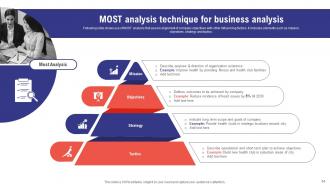
Slide 54: The Following slide shows use of MOST analysis that assure alignment of company objectives with other influencing factors.
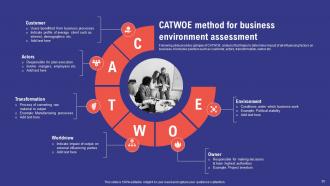
Slide 55: This slide provides glimpse of CATWOE analysis that helps to determine impact of all influencing factors on business.
Slide 56: This slide depicts the Title for the Topics to be covered in the next template.
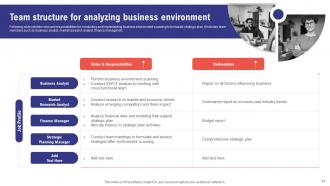
Slide 57: This slide displays the Team structure for analyzing business environment.
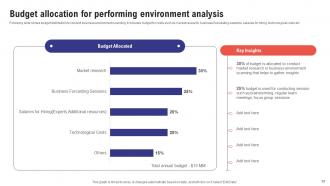
Slide 58: This slide showcases the Budget allocation for performing environment analysis.
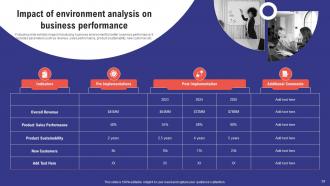
Slide 59: This slide highlights the Impact of environment analysis on business performance.
Slide 60: This slide displays the Heading for teh Contents to be discussed in the following template.
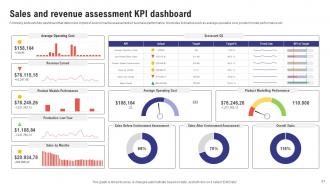
Slide 61: This slide shows the Sales and revenue assessment KPI dashboard.
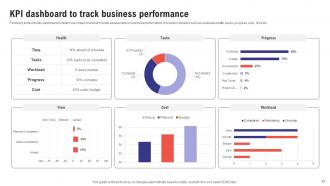
Slide 62: This slide reveals the KPI dashboard to track business performance.
Slide 65: This is the Icons slide containing all the Icons used in the plan.
Slide 66: This slide is used for depicting some Additional information.
Slide 67: The Following slide shows process of performing business environmental factors assessment.
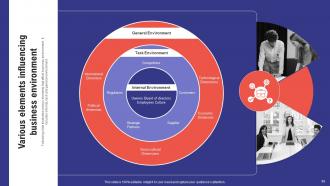
Slide 68: This slide exhibits layers of environment that influence business.
Slide 69: The Following slide illustrates various elements that affect business environment.
Slide 70: This is the About us slide. State your company-related information here.
Slide 71: Thsi is Meet our team slide. State your team-related information here.
Slide 72: This slide includes the company's Vision, Mission, and Goal.
Slide 73: This is the Puzzle slide with related imagery.
Slide 74: This is the Venn diagram slide.
Slide 75: This slide contains the Post it notes for reminders and deadlines.
Slide 76: This slide exhibits teh company's Timeline.
Slide 77: This is the 30 60 90 Days plan slide for effective planning.
Slide 78: This is the Thank You slide for acknowledgement.
Comprehensive Guide To Effective Business Environment Analysis Powerpoint Presentation Slides with all 83 slides:
Use our Comprehensive Guide To Effective Business Environment Analysis Powerpoint Presentation Slides to effectively help you save your valuable time. They are readymade to fit into any presentation structure.








FAQs for Comprehensive Guide To Effective Business Environment Analysis
So there are two main buckets to think about. Internal stuff is your company's strengths, weaknesses, what resources you actually have. External gets trickier - you're looking at competitors, suppliers, customers in your immediate space, plus all the macro trends like economic shifts, politics, tech changes. SWOT and PEST frameworks if you're into that sort of thing. Honestly, I'd tackle whatever's hitting your day-to-day operations first, then zoom out to those longer-term trends that might blindside you later. Way less overwhelming that way.
Honestly, big economic shifts will mess with your whole business strategy whether you like it or not. Rising inflation, changing interest rates, slowing GDP - you can't just ignore that stuff and stick to your original plan. Your costs go up, customers have less spending money, demand shifts. Currency changes are brutal if you're selling internationally too. I learned this the hard way watching some startups crash in 2022. You've got to build in flexibility from day one. Keep an eye on employment numbers and consumer confidence. When things start moving, be ready to change course fast.
Dude, tech changes everything about who comes out on top. New companies can basically appear overnight with better tools than companies that've been around forever. It's wild how fast things shift. Automation flips cost structures upside down, and suddenly some random startup is eating your lunch. Digital stuff creates these winner-take-all situations where being first matters way more than experience. Customers expect different things now too - adapt fast or you're done. I'd watch what's happening in related industries, not just yours. The biggest disruptions usually blindside everyone because they come from weird directions nobody saw coming.
Dude, political stuff basically controls what your business can and can't pull off. New regulations or tax changes? They'll mess with your costs and operations fast. GDPR hit and suddenly every company scrambled to fix their data handling - total chaos. Government shifts mess with trade rules and labor laws too, so you might have to change direction completely. Honestly, I think most people underestimate how much this stuff matters. You gotta watch for regulatory updates in your markets though. Miss something important and you're either breaking rules or losing out on opportunities.
So your customers' values and spending habits are totally shaped by their social and cultural world. Millennials care about sustainability, boomers want quality that lasts - it's wild how different generations think. Instagram completely changed how people shop too. Family dynamics, social trends, even what their friends are doing - all of it affects buying decisions. You can't just look at demographics anymore, you need to dig into what people actually value. And honestly? What worked last year might be dead now. Keep watching those shifts because culture moves fast and your marketing needs to move with it.
Honestly, just pick 5-7 metrics that actually matter for your biz and track those religiously. I use SEMrush for competitor stuff - costs money but worth it. Google Alerts are free and decent for catching trends early. LinkedIn's obviously huge for following industry people, though I spend way too much time scrolling through posts there lol. Trade publications help too. Block out maybe 2-3 hours each week for this instead of doing it randomly. Oh, and virtual conferences quarterly if you can swing it. Document everything in a basic spreadsheet so you can spot patterns over time.
Get your team together for some structured brainstorming - pull people from different departments so you're not stuck in an echo chamber. I'd tackle the internal stuff first (strengths and weaknesses) since that's way easier than trying to predict market trends. Here's what actually works: use the "5 Whys" method to dig deeper into each point. Otherwise you'll end up with useless generic answers like "good customer service." Don't overthink the initial dump - just get everything down first. But here's the thing everyone forgets: you HAVE to prioritize afterward and make real action items. I've seen too many SWOTs that just sit there looking pretty.
Okay so don't just tack sustainability onto what you're already doing - weave it right into your strategic planning from the start. Look for environmental stuff that actually hits your wallet, like supply chain issues or new green markets popping up. Set real goals with numbers you can track. The smart companies are honestly making bank doing this, which is wild but makes sense. Build it into everything - product dev, daily operations, all of it. Track your wins with actual data and share those wins around. My advice? Pick one area and nail it first, then expand from there. Way less overwhelming that way.
So for PESTEL analysis, I'd honestly just start with Excel or Google Sheets - sometimes the basic route works best. MindTools has decent templates if you want something more guided, and Creately's pretty solid too. There are fancier options like Strategic Planning Software that'll show connections between factors, but honestly? Your team needs to actually want to use whatever you pick. I made the mistake once of choosing something too complicated and nobody touched it. Start simple with a template, see how it goes, then maybe upgrade later if you need more bells and whistles.
Honestly, you've gotta look at who's already in the market before picking your strategy. Big established players? You'll need to find a niche or do something different - don't try to outspend them. Markets with tons of smaller competitors are way easier to break into with better prices or service. I remember this one startup that completely changed direction after realizing the competition was brutal (they originally thought it'd be a cakewalk). Map out what everyone's doing well and where they're missing the mark. Those gaps are your opening.
Dude, globalization is crazy for local businesses. You can suddenly sell to customers halfway around the world and get supplies dirt cheap from anywhere. But then again, now you're fighting for attention with literally everyone. Like, your neighborhood coffee shop is up against some boutique roaster shipping from Colombia or whatever. The trick is doubling down on what makes you special locally - maybe it's your vibe, your relationships, whatever. Then you can use all those global platforms and tools to get that uniqueness in front of more people. Don't try competing on price with some massive operation overseas.
Your customers are basically free market researchers - they'll flag shifting preferences and new problems before they hit everyone else's radar. Way cheaper than paying some fancy consulting firm thousands! Listen for patterns in complaints and feature requests during sales calls. Casual comments matter too. The trick is actually capturing this stuff consistently, not just when you think about it. I'd start categorizing feedback themes every month - sounds boring but it works. Short complaints often reveal the biggest opportunities. Set up a simple system and stick to it.
Look at GDP growth, unemployment rates, and inflation - those hit your costs and customer spending hard. Interest rates matter too. Consumer confidence is honestly one of the best predictors of whether people will actually buy stuff. If you're dealing internationally, currency swings can mess with your margins. Housing starts and manufacturing data help depending on your industry. Stock market craziness usually signals bigger economic changes coming. Oh, and set up Google alerts for this stuff so you're not caught off guard when things shift.
So basically you're mapping out different "what if" scenarios ahead of time - best case, worst case, all that stuff in between. Think of it like having backup plans ready instead of panicking when things inevitably go wrong. Start with your biggest external risks first. Then work backwards to figure out how you'd actually handle each situation. The whole point is building flexibility into how you operate. Honestly, most companies skip this step and then act surprised when uncertainty hits. Short sentences work. Longer ones with natural flow keep people engaged and help you avoid that robotic sound.
Look, stakeholder analysis is basically figuring out who matters to your business - customers, suppliers, government folks, even the community around you. Companies get wrecked all the time because they ignore someone important. Like this one place I heard about got slammed by regulations they never saw coming because they didn't pay attention to the right government people. Pretty brutal, honestly. You gotta map out who has power and who cares about what you're doing. Start with a list of everyone, then figure out who can actually mess with your plans or help you succeed.
-
Placing an order on SlideTeam is very simple and convenient, saves you a lot of your time.
-
It’s really cool, and you can find pretty much everything you could need for your work or school.