

Consumer behavior powerpoint template slide




Try Before you Buy Download Free Sample Product
 Impress Your
 Audience
 100%
100% Editable
 Save Hours
 of Time


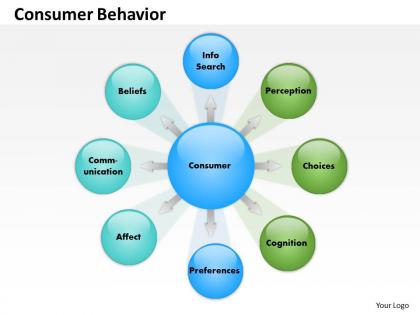
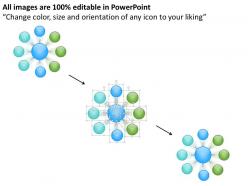
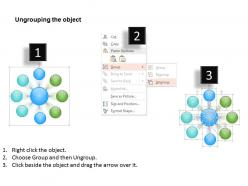
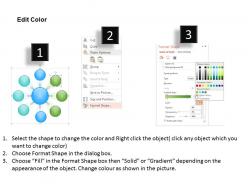
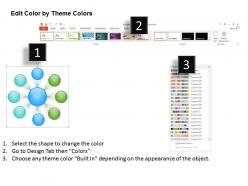
Feeling that too many things are going on at the same time? Showcase consumer behavior related to your business by using our consumer behavior PowerPoint template slide. This is Business Development Process PowerPoint Template with Textboxes is a PowerPoint template that you can download to describe a business process using textboxes. Multiple topics can be showcased using this remarkable PPT diagram like info search, perception, choices, cognition, preferences, affects, communication, beliefs and many more. Pack a punch with our PowerPoint Presentation design and capture the attention of your audience. This slide template can also fit your business strategies, customer relations management successes, marketing campaign results, initiatives. Use our exquisitely crafted PPT slide to rivet your audience. This PowerPoint Slide is useful for professionals from all backgrounds. The best part about this PPT template is that it is fully editable right from the text, color, shape and size, so the presenter can easily modify the design as per his or her requirement and need. Generate business to business communication. Connect up through our Consumer Behavior Powerpoint Template Slide.
People who downloaded this PowerPoint presentation also viewed the following :
Consumer behavior powerpoint template slide with all 7 slides:
Folks come closer with our Consumer Behavior Powerpoint Template Slide. They become extremely cohesive.
FAQs for Consumer behavior
Key factors influencing consumer purchasing decisions include online reviews and ratings, social media recommendations, personalized digital experiences, price comparison tools, and mobile accessibility. These digital touchpoints work together by building trust through peer validation, enabling instant research capabilities, and creating seamless omnichannel experiences, with retailers finding that integrated digital strategies significantly enhance customer engagement and drive higher conversion rates.
Brand loyalty significantly influences consumer behavior by creating predictable purchasing patterns, reducing price sensitivity, and increasing word-of-mouth advocacy across diverse market segments. In competitive sectors like smartphones and automobiles, loyal customers demonstrate repeat purchases and premium willingness, while in retail and hospitality, they deliver consistent revenue streams, ultimately enabling businesses to achieve sustainable growth and competitive advantage.
Social media platforms shape consumer perceptions through targeted advertising, influencer endorsements, user-generated content, peer reviews, and algorithmic content curation that personalizes shopping experiences. These digital touchpoints enable brands to build authentic relationships, drive purchase decisions, and gather behavioral insights, with retail, fashion, and hospitality industries leveraging social commerce to enhance customer engagement and accelerate sales conversions.
Emotional branding significantly influences consumer decision-making by creating psychological connections that transcend product features, establishing trust, loyalty, and preference through storytelling, values alignment, and memorable experiences. Companies like Apple, Nike, and Coca-Cola leverage emotional narratives to drive purchasing decisions, with consumers increasingly choosing brands that resonate with their identity and aspirations, ultimately delivering stronger customer relationships and competitive advantage.
Cultural differences significantly influence consumer behavior through varying values, communication styles, purchasing patterns, and brand preferences across regions. In collectivist cultures like Asia, consumers often prioritize group harmony and family recommendations, while individualistic Western markets emphasize personal choice and self-expression, with companies increasingly adapting their marketing strategies and product offerings to resonate with local cultural nuances, ultimately delivering more personalized customer experiences.
Psychological triggers that compel impulsive purchases include scarcity messaging, social proof, emotional appeals, time-limited offers, and strategic product placement. These techniques work by creating urgency, leveraging fear of missing out, and tapping into immediate gratification desires, with many retail and e-commerce businesses finding that combining multiple triggers significantly increases conversion rates and sales.
Price perception significantly influences consumer purchasing habits by shaping value judgments, brand positioning expectations, and purchase timing decisions. While higher prices often signal premium quality and exclusivity, driving luxury purchases, lower prices can trigger volume buying or raise quality concerns, with many retailers finding that strategic pricing psychology, promotional timing, and competitive positioning ultimately determine consumer response patterns.
Businesses can address changing consumer preferences through personalization engines, real-time feedback systems, agile product development, cross-channel integration, and predictive analytics. These strategies enable companies to anticipate market shifts, customize offerings, and deliver seamless experiences across touchpoints, with retailers and service providers finding that responsive adaptation ultimately drives customer loyalty and competitive advantage.
Environmental concerns significantly influence consumer purchasing decisions by driving demand for sustainable products, eco-friendly packaging, and ethically responsible brands. This shift enables companies to differentiate themselves through green initiatives, sustainable sourcing, and transparent environmental practices, with many retailers and manufacturers finding that environmentally conscious positioning ultimately delivers stronger customer loyalty and competitive advantage.
Reviews and testimonials serve as powerful social proof that significantly influences consumer trust, purchase decisions, and brand perception by providing authentic peer experiences and validation. These user-generated endorsements help reduce purchase anxiety, accelerate decision-making processes, and build credibility, with many businesses finding that positive reviews increase conversion rates, enhance brand reputation, and ultimately deliver stronger customer acquisition and retention.
Data analytics helps businesses understand consumer behavior by analyzing purchase patterns, social media interactions, website navigation, and demographic preferences to identify emerging trends and predict future actions. Through predictive modeling and real-time data processing, retailers and service providers can anticipate demand shifts, personalize marketing campaigns, and optimize inventory management, ultimately delivering enhanced customer experiences and competitive advantage.
E-commerce has fundamentally transformed consumer behavior by enabling 24/7 shopping convenience, increasing price comparison capabilities, and shifting purchasing decisions from impulse-based to research-driven processes. Through digital platforms, consumers now expect personalized recommendations, instant gratification through same-day delivery, and seamless omnichannel experiences, with many retailers finding that integrating online and offline touchpoints delivers significantly enhanced customer loyalty and competitive advantage.
Scarcity and urgency messaging significantly accelerate consumer purchasing decisions by triggering fear of missing out, creating perceived value through limited availability, and compelling immediate action over deliberation. These psychological triggers enhance conversion rates across retail, e-commerce, and hospitality sectors, with many brands finding that strategic scarcity campaigns increase sales velocity while building customer engagement and brand desirability.
Generational differences significantly influence consumer behavior through distinct digital preferences, shopping habits, value systems, and communication styles. Millennials prioritize convenience and brand loyalty through established platforms, while Gen Z emphasizes authenticity, social responsibility, and mobile-first experiences, with retailers increasingly adapting marketing strategies, product offerings, and engagement approaches to capture these diverse generational preferences and maximize cross-demographic appeal.
User experience significantly influences consumer satisfaction and loyalty by creating seamless interactions, reducing friction points, and delivering personalized services that meet evolving expectations. Through intuitive design and responsive interfaces, businesses across retail, banking, and healthcare enhance customer retention, increase repeat purchases, and build competitive advantage, with many organizations finding that superior UX directly correlates with revenue growth and brand advocacy.
-
Understandable and informative presentation.
-
Nice and innovative design.