


Continual Service Improvement Powerpoint Presentation Slides





Try Before you Buy Download Free Sample Product
 Impress Your
 Audience
 100%
100% Editable
 Save Hours
 of Time


Generate applause from the experts with our Continual Service Improvement Powerpoint Presentation Slides. You will become a favorite of the connoisseurs.
People who downloaded this PowerPoint presentation also viewed the following :
Content of this Powerpoint Presentation
Slide 1: This slide presents Continual Service Improvement.State your company name and begins.
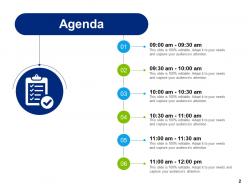
Slide 2: This slide shows Agenda. Use it to show the agenda o company.
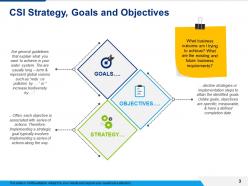
Slide 3: This slide displays CSI Strategy, Goals and Objectives. What business outcome am I trying to achieve? What are the existing and future business requirements?
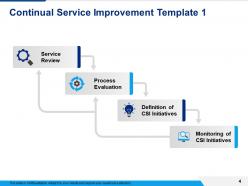
Slide 4: This slide presents Continual Service Improvement Template 1 with these steps- Service Review, Process Evaluation, Definition of CSI Initiatives, Monitoring of CSI Initiatives.
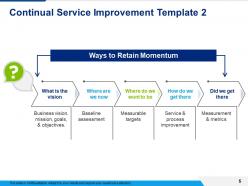
Slide 5: This slide showcases Continual Service Improvement Template 2- What is the vision, Where are we now, Where do we wont to be, How do we get there, Did we get there, Ways to Retain Momentum, Business vision, mission, goals, Measurable targets, Baseline assessment, Service & process improvement, Measurement & metrics.
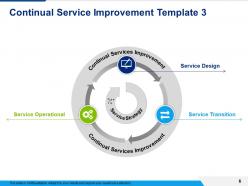
Slide 6: This slide presents Continual Service Improvement Template 3 with these six steps- Continual Services Improvement, Continual Services Improvement, Service Design, Service Transition, Service Operational, Service Strategy.
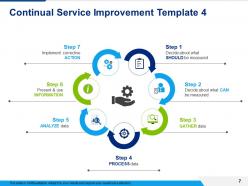
Slide 7: This slide shows Continual Service Improvement Template 4 which further includes- Decide about what SHOULD be measured, Decide about what CAN be measured, GATHER data, PROCESS data, ANALYZE data, Present & use INFORMATION, Implement corrective ACTION.
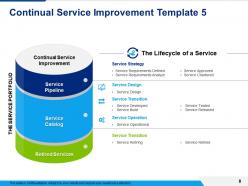
Slide 8: This slide showcases Continual Service Improvement Template 5. Use it as per requirement.
Slide 9: This slide shows Coffee Break image.
Slide 10: This slide shows Continual Service Improvement Icons Slide
Slide 11: This slide is titled Additional slides.
Slide 12: This slide helps show- About Our Company. The sub headings include- Creative Design, Customer Care, Expand Company .
Slide 13: This slide showcases Our Team with Name and Designation to fill.
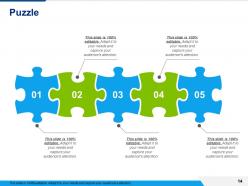
Slide 14: This is a Puzzle slide with the following subheadings- PPC Advertising, Media Marketing, Print Marketing, E-mail Campaigns.
Slide 15: This slide shows Target image with text boxes.
Slide 16: This slide displays a Bulb or idea image.
Slide 17: This is a Quotes slide to convey message, beliefs etc.
Slide 18: This is a Magnifying glass image slide to show information, scoping aspects etc.
Slide 19: This is a Post It slide for reminders of Direct Marketing.
Slide 20: This is a Lego Box slide with the following subheadings- Teach, Encourage, Increase, Build.
Slide 21: This slide displays the title Charts & Graphs.
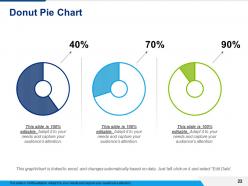
Slide 22: This slide showcases Donut Pie Chart. Compare the products with this chart.
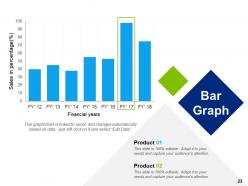
Slide 23: 'This is a Bar Graph image slide to show product comparison, growth etc.
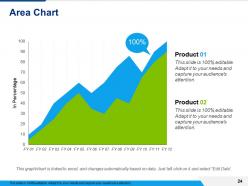
Slide 24: This slide showcases Area Chart. You can add the information.
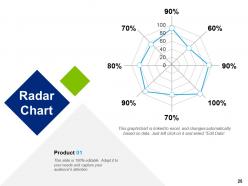
Slide 25: This slide presents a Radar Chart graph/chart. Compare Product 01, Product 02 and use as per required.
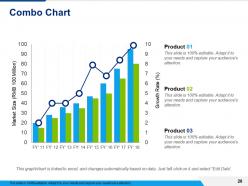
Slide 26: This slide showcases Combo Chart with these chart you can add or edit as per your requirement.
Slide 27: This is a Thank You slide with Address:# street number, city, state, Contact Numbers and Email Address.
Continual Service Improvement Powerpoint Presentation Slides with all 27 slides:
Geographical boundaries blur with our Continual Service Improvement Powerpoint Presentation Slides. They are adept at cutting across borders.







FAQs for Continual Service Improvement
So basically you measure everything first, then figure out what's broken compared to what you actually want. Pick the improvements that'll make the biggest business impact - don't waste time on tiny stuff. Plan-do-check-act is honestly pretty solid, even though it sounds like corporate buzzword hell. You gotta review things regularly and actually DO something with the data instead of just hoarding spreadsheets. Oh, and make sure people aren't scared to speak up with ideas. I'd start with whatever service is driving everyone crazy right now and test it there.
Honestly, you'll want to grab baseline numbers before you start changing anything - that's your starting point. Track the obvious stuff like how fast you're solving tickets and customer satisfaction scores. But here's the thing - numbers alone won't tell you if things are actually better. Talk to your team regularly about what's working and what still sucks. The real win is when you can point to concrete improvements, like "hey, we cut resolution time by 30%" AND people are telling you it feels smoother. Set up monthly check-ins to see how you're doing and pivot if needed.
Honestly, data analytics is like having x-ray vision for your service issues. You'll spot incident patterns way faster and catch bottlenecks before they blow up into disasters. Plus you can actually see if your fixes are working or if you're just spinning your wheels. Without solid data, you're basically flying blind. Set up dashboards tracking stuff like resolution times, customer satisfaction, and repeat problems - that's where the gold is. Oh, and start simple with maybe 3-4 metrics that your team actually cares about. You can always add more fancy stuff later once you get the hang of it.
Oh, you're probably already doing PDCA without knowing it! Plan means figuring out what's broken and setting some goals. Do is trying the fix on a small scale first - seriously, don't go big right away. Check your results against what you expected would happen. Then Act by either making it standard if it worked, or tweaking your approach if it bombed. Honestly, the secret sauce is treating each round like you're learning something new instead of checking boxes. Pick one messy process to start with and just keep going through the cycle. Teams catch on pretty fast once they get into the groove.
Your employees see the stuff you don't - they're dealing with broken processes daily. Set up surveys or just ask during meetings what's driving them crazy. Most people have solid ideas for fixes too, since they know what'd actually help. Just make sure they won't get in trouble for being honest (learned that one the hard way). Suggestion boxes work, but I've found casual conversations get better results. Start this month with something simple. You'll be surprised how many obvious problems surface once people feel comfortable speaking up.
Think of SLAs as your performance GPS - they'll show you exactly what's working and what's broken. Breach reports are honestly where the magic happens for spotting improvement opportunities. I'd start with your worst performers first since those usually have the biggest business impact. Look for patterns too, like certain services that always tank or specific times when everything goes sideways. Don't forget SLAs aren't set in stone - review if your metrics actually make sense anymore and adjust from there. It's way more effective than just randomly picking improvement projects.
Monitoring tools are your starting point - think Nagios or SolarWinds for tracking performance. Then you'll want analytics stuff like Splunk or ELK stack to actually understand what all that data means. ITSM platforms like ServiceNow are honestly a must-have for incident management. Trying to do continuous improvement without decent ITSM is just setting yourself up to fail. Grafana's great for dashboards so you can spot patterns. Oh, and don't skip user surveys - people will tell you exactly what's broken if you ask. Automation tools like Ansible help roll out fixes faster. Start with monitoring and ITSM though, build from there.
Here's what worked for me - map every CSI project straight to business results your execs actually care about. Revenue, cost savings, customer scores, whatever. Don't just fix stuff because it's broken (trust me on this one). Each project needs a solid business case with clear ROI. Check in with stakeholders regularly since priorities change constantly. The magic happens when you translate tech improvements into executive language. They want to hear about dollars saved, time gained, competitive edge - not how much smoother your processes run. Always connect your metrics back to the KPIs they're already watching anyway.
Honestly, getting people on board is the hardest part - everyone hates change even when it helps them. Teams always end up measuring the wrong stuff too because it's way easier to track simple metrics instead of what actually moves the needle. Plus you need dedicated resources which feels crazy expensive at first. Oh, and companies have this annoying habit of jumping to new initiatives before finishing the current one. My take? Pick one small process, nail it completely, then use those wins to convince everyone else. Works way better than trying to boil the ocean from day one.
Dude, you absolutely need stakeholder buy-in or your improvements will just die a slow death somewhere. Map out who matters early and keep them in the loop - not just when you're done but throughout the whole thing. Dashboards work great, quick updates too. Show them small wins along the way because people love seeing progress. I've watched so many solid projects crash and burn simply because folks felt ignored. Oh, and create that feedback loop where they actually see their suggestions getting used. Honestly, regular check-ins with each group will save you tons of headaches later.
Definitely! Netflix is constantly tweaking their recommendations based on what people actually watch - basically their whole platform is one massive experiment. Amazon does this too with their obsession over customer metrics (plus that weird two-pizza team thing). Toyota's probably still the best example though - every single employee can suggest improvements through their kaizen process. Even smaller stuff works. Like Spotify cut their playlist loading times by 40% just by watching how users behaved and making tiny adjustments. Honestly, just pick one thing about your service to measure and review it monthly with your team. That's where most people start.
Honestly? Make people feel safe to speak up first. Celebrate when someone points out a problem - even tiny stuff. I'd do regular team check-ins where you can talk about what's broken without getting blamed. Too many places I've seen where everyone just keeps their mouth shut, you know? Give them actual time to test ideas, not just "oh that's interesting" and move on. Share wins with other teams. But here's the big one - own your screwups openly and show how you're fixing them. Once people see you're not just paying lip service to change, they'll start believing it's real.
Document what happened, why it went sideways, and what to do next time - but don't bury it where no one will find it. Standard templates help but honestly? The best sessions I've been in had pizza and people actually admitting their screwups. Share this stuff where your team actually looks - meetings, Slack, wherever. Oh and assign someone to follow up on the recommendations. Otherwise you're just paying for group therapy that changes nothing. Multiple channels work better than hoping people check SharePoint.
ITIL gives you a solid framework so you don't have to reinvent the wheel with CSI. You get the Plan-Do-Check-Act cycle plus it forces you to actually measure stuff before changing it - saves tons of "I think this worked better" arguments later. The whole thing helps you spot improvement opportunities systematically and prioritize based on what matters to the business. Makes CSI continuous instead of just putting out fires all the time. Oh and you'll actually know if your changes worked since there's built-in tracking. Honestly, their seven-step improvement process is a good place to start if you want something proven.
AI and automation are worth paying attention to - they're great for spotting problems before they blow up. Real-time monitoring is getting pretty sophisticated too. Honestly, I'm kind of envious of people starting fresh with this stuff now since the tools are so much better. There's also this shift happening where companies care more about customer experience metrics than just boring IT numbers. Oh, and sustainability is becoming a bigger deal somehow. The main thing though? Moving from fixing issues after they happen to preventing them entirely. My advice would be to pick one process and try adding some basic automation to it. You'll get a feel for where this is all heading.
-
Excellent template with unique design.
-
Helpful product design for delivering presentation.