


Diapositivas de presentación de powerpoint de la tarjeta de puntuación de crédito




Try Before you Buy Download Free Sample Product
 Impress Your
 Audience
 100%
100% Editable
 Save Hours
 of Time


Las tarjetas de puntuación de crédito determinan las tasas de interés que paga por los préstamos, se utilizan para pagar primas para la cobertura de los propietarios de viviendas, verifican su confiabilidad para pagar la deuda, etc. Aquí hay una plantilla diseñada profesionalmente en una tarjeta de puntuación de crédito que evaluará el riesgo de un individuo y activo y proporcionar detalles de ingresos y estatus. Mediante el uso de una matriz de cumplimiento, una empresa puede demostrar sus parámetros clave, como el cuadro de mando histórico, la solicitud de un préstamo por parte de un nuevo cliente, etc. La propuesta muestra el cuadro de mando individual de la calificación crediticia, las puntuaciones crediticias del cliente, etc. tiene el mismo peso al decidir el valor del crédito. La propuesta incluye los detalles más mínimos de la línea de tiempo para cada puntaje de crédito. Los aspectos destacados están ahí para enfatizar las métricas de análisis de puntaje, métricas de crédito, barómetros de crédito, etc. El cuadro de mando muestra los detalles sobre los puntajes de crédito de los clientes, las calificaciones de puntaje y más. El formato subraya los puntos críticos del crédito. Obtenga acceso a nuestra plantilla de cuadro de mando 100 % editable y descárguela ahora.
People who downloaded this PowerPoint presentation also viewed the following :
Contenido de esta presentación de Powerpoint
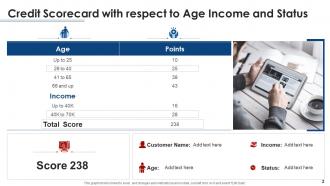
Diapositiva 1 : esta diapositiva presenta el Credit Scorecard con respecto a la edad, los ingresos y el estado. Indique el nombre de su empresa y comience.
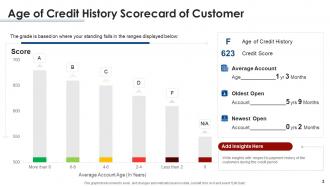
Diapositiva 2 : esta diapositiva muestra la antigüedad del historial crediticio del cliente.
Diapositiva 3 : Esta diapositiva presenta el cuadro de mando crediticio de un nuevo cliente que solicita un préstamo.
Diapositiva 4 : esta diapositiva muestra el cuadro de mando de calificación crediticia individual en comparación con años anteriores.
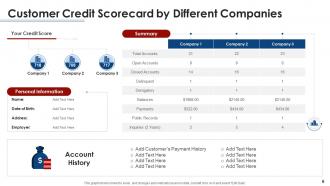
Diapositiva 5 : esta diapositiva muestra el cuadro de mando de crédito del cliente de diferentes empresas.
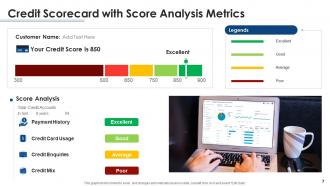
Diapositiva 6 : esta diapositiva representa el cuadro de mando crediticio con métricas de análisis de puntuación.
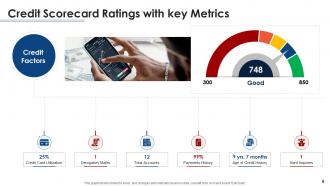
Diapositiva 7 : esta diapositiva muestra las calificaciones de la tarjeta de puntuación crediticia con métricas clave.
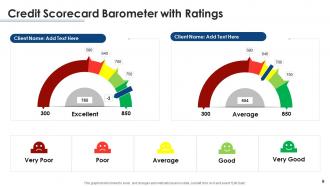
Diapositiva 8 : Esta diapositiva presenta el Barómetro del Cuadro de Mando de Crédito con Calificaciones.
Diapositiva 9 : esta diapositiva muestra las métricas clave para medir el cuadro de mando crediticio del consumidor.
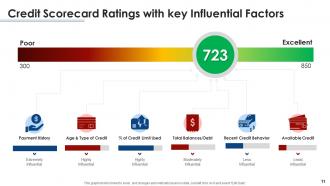
Diapositiva 10 : esta diapositiva muestra las calificaciones de la tarjeta de puntuación crediticia con factores influyentes clave.
Diapositiva 11 : Esta diapositiva representa los íconos para Credit Scorecard.
Diapositiva 12 : esta diapositiva se titula Diapositivas adicionales para avanzar.
Diapositiva 13 : Esta diapositiva presenta un plan de 30 60 90 días con cuadros de texto.
Diapositiva 14 : esta diapositiva muestra la hoja de ruta con cuadros de texto adicionales.
Diapositiva 15 : Esta es una diapositiva financiera. Muestre sus cosas relacionadas con las finanzas aquí.
Diapositiva 16 : esta es una diapositiva de la línea de tiempo. Mostrar datos relacionados con los intervalos de tiempo aquí.
Diapositiva 17 : Esta diapositiva muestra el diagrama de Venn con cuadros de texto.
Diapositiva 18 : Esta diapositiva presenta Post-It Notes. Publique sus notas importantes aquí.
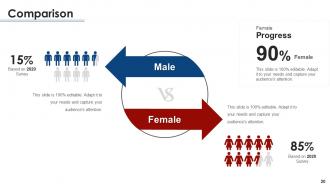
Diapositiva 19 : Esta es una diapositiva de comparación para establecer la comparación entre productos básicos, entidades, etc.
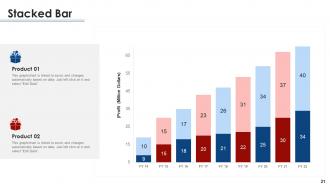
Diapositiva 20 : esta diapositiva muestra un gráfico de barras apiladas con una comparación de dos productos.
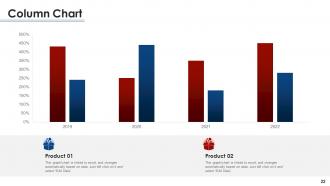
Diapositiva 21 : Esta diapositiva representa un gráfico de columnas con una comparación de dos productos.
Diapositiva 22 : Esta es una diapositiva de agradecimiento con dirección, números de contacto y dirección de correo electrónico.
Diapositivas de presentación de powerpoint de tarjeta de puntuación de crédito con las 28 diapositivas:
Utilice nuestras diapositivas de presentación de Powerpoint de Credit Scorecard para ayudarlo a ahorrar su valioso tiempo de manera efectiva. Están listos para encajar en cualquier estructura de presentación.













FAQs for Credit scorecard
So credit scores break down into a few key things. Payment history is huge - like 35% of the whole thing, so don't miss payments if you can help it. Credit utilization matters too (that's how much of your limit you're using). Your credit history length counts, plus what types of accounts you have. New inquiries affect it but honestly not as much as everyone freaks out about. I'd focus on paying on time and keeping your balances low if you want to see changes fast. Those two will give you the biggest bang for your buck.
Yeah, every lender basically builds their own scorecard based on who they usually lend to. Banks love steady income above everything else. Credit unions? They're more about your history with them as a member. Fintech companies are doing some crazy stuff now - like looking at your app usage or social media (kinda creepy if you ask me). Traditional banks stick to the boring basics: payment history, how much debt you've got. Don't get discouraged if one place says no though. Their models are totally different, so you might have better luck somewhere else.
So credit scores are basically lenders' cheat sheet for figuring out if you'll pay them back. They take your payment history, how much debt you're carrying, how long you've had credit - all that stuff - and turn it into one number. Way better than the old days when loan officers just went with their gut, honestly. Higher score means you're less risky, which gets you better interest rates. It's pretty straightforward but makes a huge difference when you're trying to get a mortgage or whatever. Your score literally determines what you qualify for and how much it'll cost you.
Honestly, just focus on paying bills on time - that's like 35% of your score right there. Keep credit card balances super low, maybe 10% of your limit if you can swing it. I learned this the hard way, but don't close old cards even if you're not using them anymore. Your credit history length actually matters. Also avoid opening a bunch of new accounts at once because that looks sketchy to lenders. Having different types of credit helps too - cards, maybe a car loan, whatever. It takes a few months to see changes, so don't expect overnight miracles.
Honestly, don't stress about it too much. Hard inquiries only ding your score like 5-10 points and it's temporary anyway. Soft ones (like when you check your own score) don't even count. Here's the thing though - if you're shopping for a car loan or mortgage, multiple inquiries within a couple weeks usually just count as one. Pretty smart system actually. The hit basically disappears after a year, and they fall off completely after two. I used to worry about this stuff way more than I needed to. Just don't go crazy applying for credit cards every month and you'll be fine.
So basically your credit score works like a weighted average - some stuff matters way more than others. Payment history is huge, like 35% of your score, so missed payments will absolutely wreck you. Credit utilization is almost as important at 30%. I always thought that one was weird but apparently keeping your balances low is critical. The other factors - how long you've had credit, new inquiries, credit mix - they matter but not nearly as much. My advice? Don't stress about the small stuff. Just pay your bills on time and keep those credit card balances low. That's like 65% of your score right there.
Logistic regression is probably your best bet starting out - it's what FICO still uses and regulators actually understand it. Decision trees and random forests are pretty common too. Honestly, a lot of fintech companies are playing with gradient boosting and neural networks now, but good luck explaining those to compliance lol. Weight of Evidence scorecards are another option if your risk team needs something super interpretable. There's always that accuracy vs explainability trade-off though. I'd mess around with ensemble methods later if you need the performance boost, but logistic regression covers most regulatory boxes and actually makes sense when you're presenting results.
Check your credit score every 3 months minimum - monthly's even better if you're trying to fix it. I used to be lazy about this and only looked twice a year. Terrible idea. Random errors show up all the time, and if you catch them fast you can dispute before they tank your score. Also helps you spot if someone's using your info for sketchy stuff. Oh, and you'll actually see whether paying off that credit card or whatever is helping. Definitely set a phone reminder though because I always forgot otherwise.
Ugh, late payments are brutal for your credit. Payment history is like 35% of your score, so missing payments really messes things up. One 30-day late payment? That can tank your score by 60-110 points depending where you started. Honestly, it's kind of ridiculous how harsh they are about it. The damage sticks around for 7 years too, though it hurts less as time goes on. Recent late payments are way worse than old ones. My advice? Set up autopay for at least the minimums so you don't accidentally screw yourself over again.
So basically credit scorecards let you set automatic approval cutoffs and catch risky applicants early. They turn stuff like payment history, debt ratios, and income into actual numbers instead of just going with your gut - which honestly makes way more decisions. You'll need to update the scorecard regularly with new data and tweak those cutoff scores based on how many people actually default. Oh, and definitely look at your current customers first to figure out what warning signs matter most for your specific business.
Dude, credit scoring is getting wild right now. Lenders aren't just looking at your payment history anymore - they're pulling data from everywhere. Social media, utility bills, even how you use your phone. It's honestly kind of creepy but also opens doors for people with thin credit files. Cloud tech means they can update these models constantly instead of once a year, which is huge. The tricky part? Regulators still want explanations for decisions, so companies are using AI that can actually show its work. These new scorecards basically learn and adjust themselves automatically.
So credit companies basically split people into different groups when scoring them. A 22-year-old college grad isn't gonna have the same spending patterns as someone in their 40s with a mortgage, you know? They create separate models based on stuff like income, where you live, how long you've had credit. Young people might get dinged less for having short credit history but more weight on whether they actually pay on time. It's honestly pretty smart. Just gotta make sure you're testing across all groups so you don't accidentally screw over certain demographics.
Honestly, the fairness stuff is gonna be your biggest headache. Can't use anything that ties back to race, gender, age - even if it seems predictive (spoiler: some definitely will). Your model might pick up on zip codes or income patterns that basically discriminate without saying it outright. Transparency's tricky too - people want to know how you're scoring them, but you can't just hand over your secret sauce. I'd say get different people reviewing your models before launch. Oh, and build in bias testing from day one, not as an afterthought.
So predictive analytics is pretty much a game-changer for credit scoring. You're pulling in way more data than just the usual stuff - like spending patterns, seasonal changes, even social media behavior (which honestly feels a bit creepy but whatever). Machine learning keeps getting better as it processes new info, so you catch risky borrowers faster. The cool part? Way fewer mistakes on approvals and rejections. Your loan decisions improve and customers aren't as pissed off. I'd start by figuring out what alternative data you can actually get your hands on first.
Just go straight to whichever credit bureau sent you the scorecard - Experian, Equifax, or TransUnion. Online's your best bet since it's way faster than calling or mailing stuff. Tell them exactly what's wrong and attach any proof you've got. They have to get back to you within 30 days, and if they find the mistake, they'll fix your report and send an updated scorecard. Oh, and if the same error shows up on reports from different bureaus, you'll need to dispute it with each one separately - they're weirdly bad at talking to each other about corrections.
-
It saves your time and decrease your efforts in half.
-
Use of icon with content is very relateable, informative and appealing.