


Developing an effective imc plan powerpoint presentation slides




Try Before you Buy Download Free Sample Product
 Impress Your
 Audience
 100%
100% Editable
 Save Hours
 of Time


Our developing an effective IMC plan PowerPoint template helps FMCG companies in assessing their product launch marketing campaign performance through customer engagement activities and after-sales revenue. This PPT will assist you in developing an integrated marketing campaign to make the new product launch successful. Our integrated marketing communication plan PPT slideshow starts by offering you a glimpse of your business performance, followed by a post-campaign performance analysis. It helps you understand the extent of effort you’ll have to put in. SlideTeam has designed this developing an effective integrated marketing campaign PPT slideshow on the foundation of customer experience measurement to ensure everything’s in place. To support the effective implementation of the plan, our IMC plan PPT theme addresses every roadblock in integrated marketing. Finally, you get a dashboard to measure your business performance from the strategies you implemented. Download our IMC planning process PPT set today and get started.
People who downloaded this PowerPoint presentation also viewed the following :
Content of this Powerpoint Presentation
Slide 1: This is the title slide for Developing an Effective IMC Plan. Simply add Your Company Name to get started.
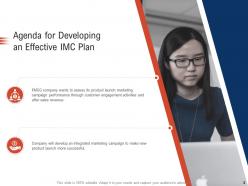
Slide 2: This slide shows the Agenda for Developing an Effective IMC Plan. It covers key points such as FMCG company wants to assess its product launch marketing campaign performance through customer engagement activities and after-sales revenue, and the company will develop an integrated marketing campaign to make new product launch more successful.
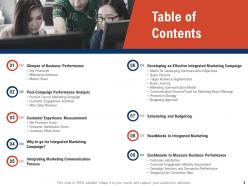
Slide 3: This slide covers the Table of Contents and includes headings such as Post-Campaign Performance Analysis, Glimpse of Business Performance, Why to go for Integrated Marketing Campaign, Integrating Marketing Communication Process, Customer Experience Measurement, Developing an Effective Integrated Marketing Campaign, Roadblocks in Integrated Marketing, Dashboards to Measure Business Performance, and Scheduling and Budgeting
Slide 4: This slide features the Glimpse of Business Performance section of the presentation with three sub-headings including Key Financials, Milestones Achieved, and Market Share.
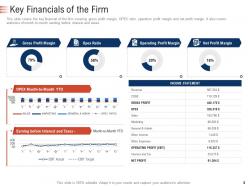
Slide 5: This slide shows the Key Financials of the Firm in terms of gross profit margin, OPEX ratio, operating profit margin, and net profit margin. It also covers statistics of month-to-month earnings before interest and taxes.
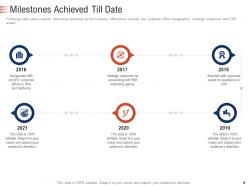
Slide 6: This slide presents the Milestones Achieved Till Date over six years from 2016 to 2021.
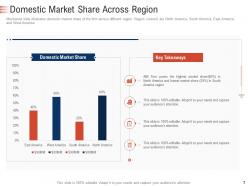
Slide 7: This slide displays the Domestic Market Share Across Region with key takeaways. Regions covered are North America, South America, East America, and West America.
Slide 8: This slide introduces the Post-Campaign Performance Analysis section of the presentation covering Customer Engagement Activities, After Sales Revenue, and Product Launch Marketing Campaign.
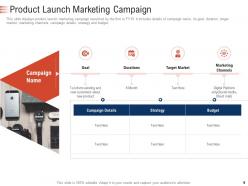
Slide 9: This slide shows the Product Launch Marketing Campaign. It includes details of the campaign name, its goal, duration, target market, marketing channels, campaign details, strategy, and budget.
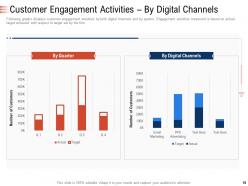
Slide 10: This slide displays the Customer Engagement Activities By Digital Channels and by the Quarter. Engagement activities measured are based on the actual target achieved with respect to the target set by the firm.
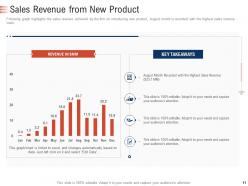
Slide 11: This slide covers the Sales Revenue from New Product with a bar graph that is linked to excel and changes automatically based on data. Just left-click on it and select “Edit Data”.
Slide 12: This slide introduces the Customer Experience Measurement section of the presentation with 3 sub-topics including Net Promoter Score, Customer Satisfaction Score, and Customer Effort Score.
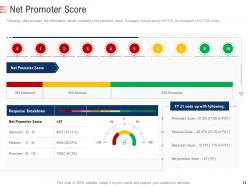
Slide 13: This slide covers the Net Promoter Score on a scale of 1 to 10 with response breakdown and FY21 parameters.
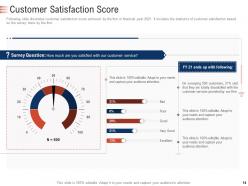
Slide 14: This slide shows the Customer Satisfaction Score on a meter from 0 to 100 with key conclusions from FY21.
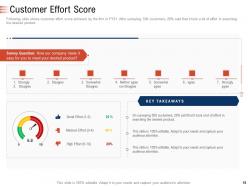
Slide 15: This slide displays the Customer Effort Score on a scale of 1 to 10 with a survey question and key takeaways.
Slide 16: This slide covers the introduction of Why to go for Integrated Marketing Campaign and Integrating Marketing Communication Process.
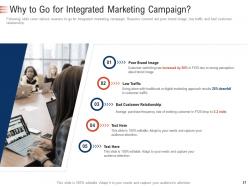
Slide 17: This slide introduces Why to Go for Integrated Marketing Campaign including reasons such as Poor Brand Image, Low Traffic, and Bad Customer Relationship.
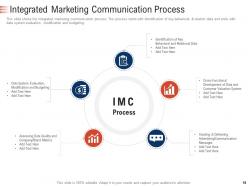
Slide 18: This slide shows the Integrated Marketing Communication Process covering identification of Key Behavioral and Relational Data, Cross-Functional Development of Data and Customer Valuation System, Data System Evaluation, Modification, and Budgeting, Assessing Data Quality and Company/Brand Metrics and Creating & Delivering Advertising/Communication Messages.
Slide 19: This slide displays the stages for Developing an Effective Integrated Marketing Campaign including Matrix for Developing Communication Objectives, Buyer Persona, Target Audience Segmentation, and Buyer Journey.
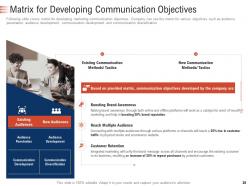
Slide 20: This slide demonstrates the Matrix for Developing Communication Objectives with Existing Communication Methods/ Tactics and New Communication Methods/ Tactics. The company can use the matrix for various objectives such as audience penetration, audience development, communication development, and communication diversification.
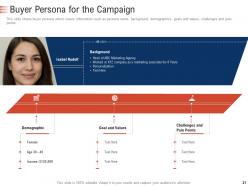
Slide 21: This slide shows the Buyer Persona for the Campaign with details about their Background, Demographic, Goal, and Values, and Challenges, and Pain Points.
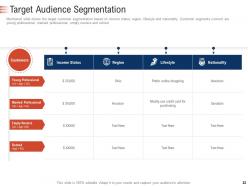
Slide 22: Mentioned slide shows the target customer segmentation based on income status, region, lifestyle, and nationality. Customer segments covered are young professionals, married professionals, empty nesters, and retired.
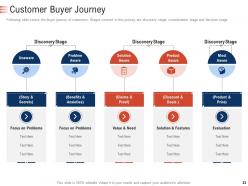
Slide 23: The following slide covers the buyer journey of customers. The stages covered in this journey are the discovery stage, consideration stage, and decision stage.
Slide 24: This slide introduces Developing an Effective Integrated Marketing Campaign with four subheadings including Marketing Communication Model, Communication Channel/Tools for Delivering Brand Message, Promotion Strategy, and Budgeting Approach.
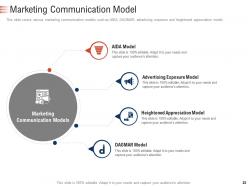
Slide 25: This slide shows the Marketing Communication Model including AIDA Model, Advertising Exposure Model, Heightened Appreciation Model, and DAGMAR Model.
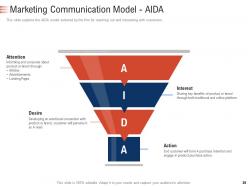
Slide 26: This slide explains the AIDA Marketing Communication Model with a funnel chart for Attention, Interest, Desire, and Action.
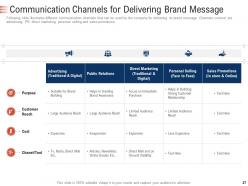
Slide 27: The following slide illustrates different communication channels that can be used by the company for delivering its brand message. Channels covered are advertising, PR, direct marketing, personal selling, and sales promotions.
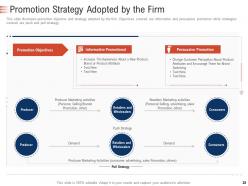
Slide 28: This slide illustrates the promotion objective and strategy adopted by the firm. Objectives covered are informative and persuasive promotion while strategies covered are push and pull strategies.
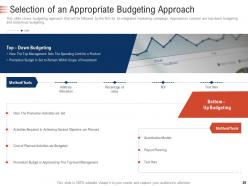
Slide 29: This slide covers the selection of a budgeting approach that will be followed by the firm for its integrated marketing campaign. Approaches covered are top-down budgeting and bottom-up budgeting.
Slide 30: This slide presents Developing an Effective Integrated Marketing Campaign covering 2 sub-topics Scheduling and Budgeting, and Roadblocks in Integrated Marketing.
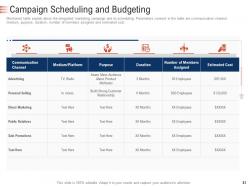
Slide 31: This slide displays a table to explain the integrated marketing campaign and its scheduling. Parameters covered in the table are communication channel, medium, purpose, duration, number of members assigned, and estimated cost.
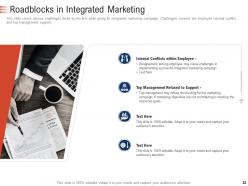
Slide 32: This slide covers various roadblocks and challenges faced by the firm while going for an integrated marketing campaign. Challenges covered are employee internal conflict and top management support.
Slide 33: This slide lists the Dashboards to Measure Business Performance such as Customer Satisfaction, Customer Engagement Maturity Assessment, Campaign Sessions and Conversation Performance, and Shopping Cart Conversion Rate.
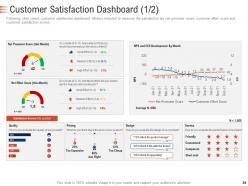
Slide 34: This slide shows the Customer Satisfaction Dashboard. Metrics included measuring the satisfaction are net promoter score, customer effort score, and customer satisfaction scores.
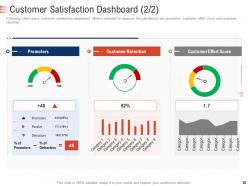
Slide 35: This slide is a continuation of the Customer Satisfaction Dashboard. Metrics included measuring the satisfaction are promoters, customer effort score, and customer retention.
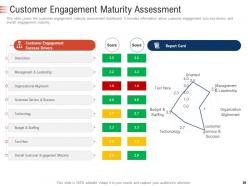
Slide 36: This slide displays the Customer Engagement Maturity Assessment. It includes information about customer engagement success drivers and overall engagement maturity.
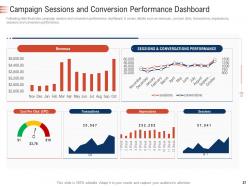
Slide 37: This slide illustrates the campaign session and conversion performance dashboard. It covers details such as revenues, cost per click, transactions, impressions, sessions, and conversion performance.
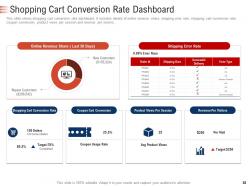
Slide 38: This slide shows the shopping cart conversion rate dashboard. It includes details of online revenue share, shipping error rate, shopping cart conversion rate, coupon conversion, product views per session, and revenue per visitor.
Slide 39: This slide shows the additional icons provided with the presentation on Developing an Effective IMC Plan.
Slide 40: This slide intrduces the Additional Slides provided.
Slide 41: This is the 'Our Mission' slide showing details about your company's Vision, Mission, and Goals.
Slide 42: This slide is titled 'About Us'. It has dedicated sections to add text and details about Target Audience, Preferred by Many, and Value Clients.
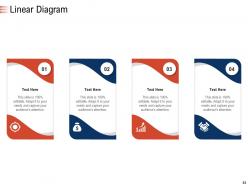
Slide 43: This slide shows the Linear Diagram with four sections to add text and details.
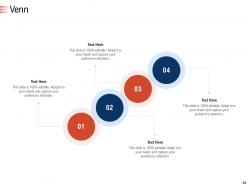
Slide 44: This slide presents a four-stage Venn diagram.
Slide 45: This slide shows details about 'Our Team' with their Name, Designation, and Job Profiles.
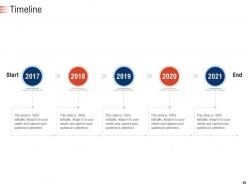
Slide 46: This slide shows a five-year Timeline from 2017 to 2021.
Slide 47: This slide presents a four-stage Roadmap with text boxes to add details.
Slide 48: This is an Idea slide with three points and a light-bulb icon.
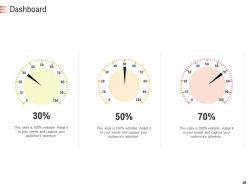
Slide 49: This is a Dashboard slide with three meter icons for different levels such as 30%, 50%, and 70%.
Slide 50: This slide shows three Post It Notes sections to highlight key points.
Slide 51: This slide concludes the presentation with a Thanks for watching, the message, Address, Contact Number, and Email Address.
Developing an effective imc plan powerpoint presentation slides with all 51 slides:
Use our Developing An Effective IMC Plan Powerpoint Presentation Slides to effectively help you save your valuable time. They are readymade to fit into any presentation structure.
-
Developing an effective imc plan powerpoint presentation slides
-
Developing an effective imc plan powerpoint presentation slides
-
Developing an effective imc plan powerpoint presentation slides
-
Developing an effective imc plan powerpoint presentation slides
-
Developing an effective imc plan powerpoint presentation slides
-
Developing an effective imc plan powerpoint presentation slides
-
Developing an effective imc plan powerpoint presentation slides
-
Developing an effective imc plan powerpoint presentation slides
-
Developing an effective imc plan powerpoint presentation slides
-
Developing an effective imc plan powerpoint presentation slides
-
Developing an effective imc plan powerpoint presentation slides
-
Developing an effective imc plan powerpoint presentation slides
-
Developing an effective imc plan powerpoint presentation slides
-
Developing an effective imc plan powerpoint presentation slides
-
Developing an effective imc plan powerpoint presentation slides
-
Developing an effective imc plan powerpoint presentation slides
-
Developing an effective imc plan powerpoint presentation slides
-
Developing an effective imc plan powerpoint presentation slides
-
Developing an effective imc plan powerpoint presentation slides
-
Developing an effective imc plan powerpoint presentation slides
-
Developing an effective imc plan powerpoint presentation slides
-
Developing an effective imc plan powerpoint presentation slides
-
Developing an effective imc plan powerpoint presentation slides
-
Developing an effective imc plan powerpoint presentation slides
-
Developing an effective imc plan powerpoint presentation slides
-
Developing an effective imc plan powerpoint presentation slides
-
Developing an effective imc plan powerpoint presentation slides
-
Developing an effective imc plan powerpoint presentation slides
-
Developing an effective imc plan powerpoint presentation slides
-
Developing an effective imc plan powerpoint presentation slides
-
Developing an effective imc plan powerpoint presentation slides
-
Developing an effective imc plan powerpoint presentation slides
-
Developing an effective imc plan powerpoint presentation slides
-
Developing an effective imc plan powerpoint presentation slides
-
Developing an effective imc plan powerpoint presentation slides
-
Developing an effective imc plan powerpoint presentation slides
-
Developing an effective imc plan powerpoint presentation slides
-
Developing an effective imc plan powerpoint presentation slides
-
Developing an effective imc plan powerpoint presentation slides
-

Developing an effective imc plan powerpoint presentation slides
-
Developing an effective imc plan powerpoint presentation slides
-
Developing an effective imc plan powerpoint presentation slides
-
Developing an effective imc plan powerpoint presentation slides
-
Developing an effective imc plan powerpoint presentation slides
-
Developing an effective imc plan powerpoint presentation slides
-
Developing an effective imc plan powerpoint presentation slides
-
Developing an effective imc plan powerpoint presentation slides
-
Developing an effective imc plan powerpoint presentation slides
-
Developing an effective imc plan powerpoint presentation slides
-
Developing an effective imc plan powerpoint presentation slides
-
Developing an effective imc plan powerpoint presentation slides
FAQs for Developing an effective imc plan
Okay so first things first - figure out who you're actually talking to and what you want them to do. Everything else builds from there. You'll need message strategy, picking your channels, budget stuff, and how you're gonna measure if it worked. Oh and timeline/creative execution too obviously. The tricky part is making sure your social, email, PR - all of it sounds like the same brand talking. I swear some companies sound like they have multiple personality disorder across platforms lol. Without nailing your audience and goals upfront though? You're basically just throwing money at random tactics and hoping something sticks.
Honestly, measuring IMC is kinda a pain but you've gotta do it. Set up your baseline metrics first - don't make my mistake of forgetting this step! Track engagement rates, conversions, brand awareness surveys, all that good stuff. UTM codes are your friend here, plus Google Analytics will show you how people move between your touchpoints. The annoying thing? Some campaigns take months to actually show results. But mix quantitative data with qualitative feedback so you can see if your unified message is actually hitting. Sales attribution gets tricky across channels, but it's worth figuring out.
Honestly, segmentation is everything for IMC - without it you're just shouting into the void. Break down your audience by age, behavior, whatever actually matters for your product. A college kid and some C-suite exec need totally different approaches, obviously. Your brand voice stays the same but how you deliver it? That's gotta change. Don't go crazy trying to hit every possible segment though - pick your top 2 or 3 and nail those first. I learned this the hard way when I tried targeting literally everyone at once. Keep your core message consistent across channels but tweak the tone and format for each group.
Social media's basically your conversation starter with people - and honestly, it's probably where they'll find you first anyway. You want the same message across Instagram, Twitter, whatever platforms you're using that matches your email campaigns and ads. Don't let your social stuff just exist on its own island, you know? If something's crushing it on Instagram, why not test that same vibe in your paid ads or email? The whole point is amplifying your main campaign goals. Plus social gives you real data about what actually resonates with people. Way better than guessing what'll work in other channels.
Oh man, coordination is gonna be your worst enemy - departments love doing their own thing instead of actually collaborating. Budget fights get messy fast since everyone thinks they deserve the biggest slice. ROI tracking across channels? Way more of a headache than anyone admits. Plus timing everything so campaigns launch together while keeping the messaging consistent... ugh. Honestly though, start with solid communication rules and definitely assign someone to be the integration cop. Otherwise you'll just have chaos with a fancy name.
Think of content marketing as your secret weapon for keeping everything consistent. I always tell people to create one solid piece of content, then slice it up for different channels. Your blog post becomes Instagram stories, email content, whatever. Same core message, just reformatted. Honestly, it's way easier than trying to come up with fresh ideas for every single platform - who has time for that? Just make sure your brand voice stays the same whether someone finds you on social or through email. Try to stretch each piece across at least three channels.
Track your whole funnel - reach and impressions for awareness, then engagement rates, website traffic, conversions, sales. Brand sentiment surveys are super helpful but honestly such a hassle to set up right. I always forget this part but measure how your channels work together too. Consistency across touchpoints matters more than people think. Set your baselines before you launch though - otherwise you can't prove ROI or optimize while it's running. Oh and don't just focus on the pretty vanity metrics. The boring stuff like leads generated usually tells the real story.
Oh man, cultural differences can totally make or break your campaign. What works great here might bomb somewhere else - I've seen some cringe fails from big brands who didn't get this. You'll need to switch up your messaging, visuals, even which platforms you use. Colors mean different things, humor doesn't always translate, and timing matters too (like don't launch during their major holidays, obviously). Honestly the best approach is working with local people who actually know the market instead of just translating your stuff. Do your homework first though - cultural research isn't optional.
So start with your main message and what makes you special - that stuff doesn't change. But then you can totally switch up how you say it depending on where you're posting. Your Instagram can be way more chill than your email newsletter, you know? Make a simple brand guide your team can actually use. Include your key messages, how things should look, and examples of your tone for different platforms. Oh and definitely have someone check everything before it goes live - I've seen brands get super off-message when everyone's just winging it. Trust me, consistency is everything.
Look, AI and machine learning are letting brands personalize messages in real-time now - it's pretty wild. AR/VR stuff is opening up crazy immersive experiences too. Voice search is huge right now (my mom literally asks Alexa everything), so you better start optimizing for that if you haven't already. Predictive analytics can actually help you figure out what customers want before they do. The whole IMC landscape is shifting fast. I'd say pick one new tech thing to test this quarter - maybe start small with voice optimization? Don't try to do everything at once though.
Honestly, brand consistency makes or breaks IMC campaigns. Your audience needs to see the same messaging and visuals whether they're scrolling Instagram or driving past a billboard - otherwise you're just confusing people. I've watched teams completely waste their budget because nobody coordinated. Each channel should amplify the others, not compete. Short sentences work. Longer ones with natural flow keep people reading without feeling robotic or sales-y. Create brand guidelines that everyone can actually follow (not some 50-page document nobody opens). When everything clicks together, your marketing dollars stretch way further and people actually remember you.
Honestly, consumer insights are everything when you're building an IMC plan. They show you what messages actually hit home with people and where your audience spends their time online. Plus when they're most likely to pay attention - which is huge. Without this stuff, you're basically guessing and wasting money. Your creative strategy comes from these insights. So does your budget allocation across different platforms. Everything speaks the same language your customers get. Oh, and definitely collect both hard data and actual feedback from people before you start brainstorming campaign ideas. Trust me on this one.
Honestly, storytelling is what holds your whole marketing strategy together. You're not just throwing random ads and emails at people - there's actually a narrative connecting everything. Your Instagram post should feel related to your website copy, which connects to your sales pitch. It's like... I guess being a movie director but for boring business stuff lol. Define your main story first. Then tweak it for each platform while keeping the same emotional vibe. Way better than just listing features and hoping something sticks.
Look, you gotta match your approach to where people are in the buying process. Social media ads and content work great for getting on their radar initially. Once they're interested, that's when you hit them with helpful emails and educational stuff - but don't be annoying about it (seriously, so many companies blow it here by being way too aggressive). When they're ready to buy? That's your cue for testimonials, product demos, maybe some direct outreach. After they purchase, focus on keeping them happy with loyalty perks and good customer service. The whole point is speaking to them differently at each stage instead of using the same boring approach everywhere.
Honestly, start small or you'll go crazy trying to manage everything at once. Asana's pretty solid for keeping your campaigns organized - way better than spreadsheets, trust me. For social stuff, Hootsuite lets you schedule posts ahead of time so you're not scrambling every day. Mailchimp handles email campaigns without being too complicated. Google Analytics is a must for tracking what's actually working, though fair warning - the data gets messy fast. Canva keeps your visuals looking consistent, which matters more than people think. Pick one tool per channel first, then build from there.
-
Innovative and Colorful designs.
-
Colors used are bright and distinctive.
-
Illustrative design with editable content. Exceptional value for money. Highly pleased with the product.
-
Easily Understandable slides.
-
Great product with effective design. Helped a lot in our corporate presentations. Easy to edit and stunning visuals.
-
Editable templates with innovative design and color combination.
-
Content of slide is easy to understand and edit.
-
Great experience, I would definitely use your services further.
-
Visually stunning presentation, love the content.
-
Graphics are very appealing to eyes.
-
Page:
- You're currently reading page 1
- Page 2
-
