

Dissertation Proposal Powerpoint Presentation Slides






Try Before you Buy Download Free Sample Product
 Impress Your
 Audience
 100%
100% Editable
 Save Hours
 of Time


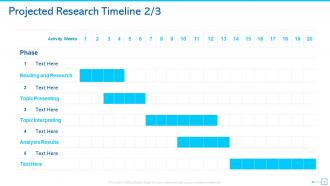
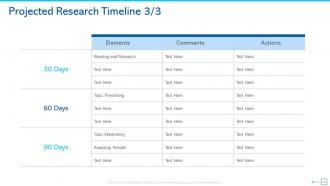
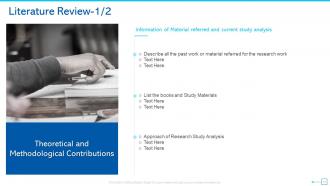
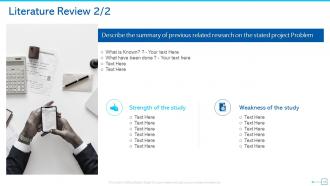
Want to attract more sponsors for your dissertation? An absence of a professionally-designed dissertation proposal can make you lose sponsors fast. Therefore, SlideTeam developers have come up with an impressive design to help you close more deals. Check out the all-new Dissertation Proposal PowerPoint Presentation Slides. Industry experts curate the content, design, and the sequence of our research proposal PowerPoint theme. Researchers collect and insightful polish data, which is then organized in a visually-gripping manner. Understanding the ingredients to a responsive PowerPoint proposal demands trial and error. SlideTeam designers are equipped with a combined experience of 1M+ PowerPoint slideshows like this research sponsorship proposal. This is what makes our PPT proposal templates a cut above the rest. Communicate the project to prospective sponsors by highlighting the background of the study. Elaborate on the main research questions, challenges, and solutions. Elucidate your research proposal’s motives and goals for the dissertation using the state-of-the-art graphics of this PowerPoint layout. Illustrate the primary hypothesis statement as well as the expected outcome. Explain the dissertation methodology that you shall adopt for your research. It may include key details like a list of resources, data collection types, data analysis methods, and approaches to data collection. Walk your client chronologically through the thesis timeline. Throw light on reading and research to other tasks and milestones. Represent different stages involved in the completion of the study using cutting-edge data visualizations. Employ this PPT thesis proposal layout to showcase a 30-60-90 days plan projection. Offer a glimpse of the narrative or literature review. Demonstrate the theoretical and methodological contributions to the topic. This presentation also helps you in explaining the strengths and weaknesses of the study. Widen the perspective by elucidating the constraints of the research. Use these PPT slides to gain access to a variety of diagrams. It will make your proposal aesthetically-pleasing. Moreover, you can easily express sophisticated data. So, hit the dissertation ppt download button, make final edits, and build an engaging presentation.
People who downloaded this PowerPoint presentation also viewed the following :
Dissertation Proposal Powerpoint Presentation Slides with all 24 slides:
Use our Dissertation Proposal Powerpoint Presentation Slides to effectively help you save your valuable time. They are readymade to fit into any presentation structure.




FAQs for Dissertation Proposal
Okay so for your proposal slides you'll want: problem statement, research questions, lit review showing what gap you're filling, and your methodology with reasoning. Timeline's crucial too. Start with something engaging because honestly, committees sit through so many boring presentations. Include any preliminary findings if you've got them, plus limitations and how you'll contribute to the field. Each slide should focus on one main thing - don't cram everything together. Practice those transitions between slides! Oh and definitely end with your next steps so they know what you're tackling first.
Keep your research objectives simple and jargon-free - nobody wants to decode academic gibberish. Use strong verbs like "examine" or "determine" to make them punchy. Bullet points are your friend here. I've seen too many people drone on in paragraph form and lose everyone by slide two. Each objective should build logically toward your main research problem. Don't forget to explain why this work actually matters to your field. Oh, and practice out loud beforehand! You'll catch weird phrasing and sound way more natural when it's showtime.
Honestly, white space is your best friend - don't cram everything onto one slide. One idea per slide, that's it. Arial or Calibri work fine, just pick something people can actually read. I made the mistake once of using 12pt font and half the room was squinting like they needed glasses lol. Make your text big enough that even someone in the back can follow along. Simple color scheme with good contrast. Headlines should pop, body text stays short. Oh and definitely time yourself beforehand - you don't want to be flying through slides at the end.
Open with your research question and why anyone should care. Then hit the lit review - show what gap you're actually filling. Your methodology comes next, and don't be vague here. Spell out exactly what you're doing and your reasoning. After that, cover your expected contributions and timeline. Oh, and definitely include a slide on challenges and limitations - committees eat that stuff up when you're upfront about potential problems. Wrap it all up by circling back to your opening question. Think of it like telling a story where each part flows into the next. Honestly, nailing those transitions is what separates the good presentations from the ones that lose people.
Stick with clean, simple visuals that actually back up your points - don't just throw stuff on there to fill space. Flowcharts are perfect for showing methodology. Timelines work great for research plans. Maybe add a conceptual framework if it fits your study. Tables? Super useful for lit reviews or comparing approaches. Whatever you do, skip those cheesy stock photos of people pointing at charts - honestly, they're just annoying. Keep slides uncluttered with tons of white space. Use the same font throughout and make sure people in the back row can actually read everything. Trust me, less is more here.
Honestly, just group everything into 3-4 main themes that actually connect to your research question. Don't try cramming every paper you've read in there - nobody wants to sit through that torture session. Pick the biggest debates and contradictions, then show how they lead straight to your work. I'd do one slide per theme, tops. Use bullet points for the key findings so people can actually follow along. The whole point is showing where the gaps are and why your research matters. Oh, and make sure those themes directly point to your specific question - that's what ties everything together and makes your case.
Look at people when you're talking and throw in questions like "So what does this actually mean for the field?" Tell stories when you can, especially about your research problem. Everyone zones out during methodology slides - I swear it's universal - so toss in a real example or analogy to wake them up. Don't just read bullet points off slides. Practice your transitions so they're smooth. Also, pause sometimes and see if anyone has questions instead of bulldozing through everything. Your committee genuinely wants to discuss your work with you.
Aim for 15-20 minutes with maybe 12-15 slides tops. Cover your research question, lit review, methodology, and timeline - but don't go overboard. I've watched students try cramming 30 slides into 15 minutes and honestly, it's brutal to sit through. One main point per slide works best. Practice your timing! The real magic happens during Q&A anyway, so don't eat up all that time. Oh, and definitely start with an outline slide so they know what's coming. Tech always breaks at the worst moment, so have a backup ready.
Hey! So first thing - don't cram paragraphs onto slides. People literally can't read and listen at the same time. Make sure you nail the "why should anyone care" part too, not just the knowledge gap stuff. Skip most methodology details (honestly, save that for when they ask). Your lit review should hit the key sources, not show off your entire bibliography. Oh and timing is huge - I've seen people completely butcher their conclusions because they spent forever on background. Definitely do some practice runs beforehand, trust me on this one.
First thing - nail down your approach in one sentence. Qualitative, quantitative, or mixed methods. After that, just bullet point the basics: how you're collecting data, your sample size, and how you'll analyze everything. Don't get fancy with academic jargon (honestly, nobody wants to sit through that). Stick to what you're doing and how you're doing it. Keep bullets super short - one line tops. If you've got multiple phases, throw in a flowchart or something visual. Practice saying it out loud first because if you can't explain it simply, your slide's way too complicated.
Dude, you gotta practice out loud - like, actually saying the words, not just thinking through it in your head. Your mouth needs to get used to it. Time yourself too because you'll probably go way over at first. I'd record yourself or grab some friends to drill you with hard questions since your committee definitely won't be gentle. Try explaining your research like you actually love this stuff instead of just rattling off bullet points. Learn your main arguments so well that even if you panic and skip slides, you can still nail the important parts. Oh, and prep for Q&A! They'll ask about your methods, limitations, all that obvious stuff. Practice those answers until they don't sound rehearsed.
Just listen and jot down notes - don't jump to defend yourself right away. Thank them for the specific stuff and ask questions if you're confused about something. Yeah, some of it might hurt to hear, but they actually want you to do well! When they bring up problems, own it and explain your plan to fix each thing. Honestly, if you need time to think through big changes, just say "Good point - let me work on that and get back to you." I always write everything down because I'll forget otherwise. Send them a quick summary email after so you're both on the same page.
Dude, storytelling is everything for dissertation proposals. Your committee needs to actually give a damn about your research, not just sit there checking their phones. Frame it like you're solving some compelling mystery - what's bugging you, why it matters, how you'll crack it. Even genius-level research falls flat if presented badly (I've seen it happen). Think story arc when structuring slides: problem setup, build that tension around what's missing, then your methodology swoops in to save the day. Oh, and make them root for you to succeed - that's half the battle right there.
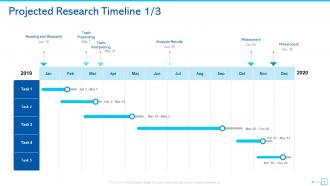
Make a visual timeline - Gantt chart works great or just a simple graphic. Break it into chunks: lit review, data collection, analysis, writing, all that stuff. Honestly, don't just slap dates on there and call it done (seen way too many terrible ones). Buffer time is crucial because everything takes forever. I always add extra weeks for revisions and random disasters. Color-coding helps your committee see what's happening at a glance. Oh, and match it up with your program deadlines or funding dates - shows you actually thought about the real constraints you're working with.
First thing - repeat their question back to yourself. Buys you time and shows you're actually listening. Don't know something? Just say "good point, I'll have to dig into that more" instead of word-vomiting nonsense. Honestly, most questions will be stuff you already thought about but just forgot to cover. For weird hostile ones, acknowledge briefly then pivot: "Interesting, but today I'm focused on X." Always thank them first - makes everything way smoother. Oh and grab a notepad for jotting down follow-ups you promise to check on later.
-
Best way of representation of the topic.