


Example Dissertation Proposal Presentation Powerpoint Presentation Slides
Select our Example Dissertation Proposal Presentation PowerPoint Presentation Slides to interpret and explain results. The structure of dissertation PowerPoint complete deck includes slides on agenda, outline, project title, introduction, literature review, purpose statement, hypothesis, methods, statically analysis, results, bar graph, pie chart, discussion, study limitations, conclusion findings, the implications for future research, reference, etc. This is also useful for academic purposes, MBA student can use this to present their final project, it can reduce their time and effort. Furthermore, the research proposal Presentation template can portray concepts like survey results, data analysis and interpretation, dissertation structure, statistical consulting, research structure thesis proposal and many more. The thesis proposal Presentation slide outline results, discussions, and conclusion, the presenter can save their time and efforts on making their presentation from scratch. Download our professionally designed dissertation ppt slides to explain the dissertation in a logical flow. Facilitate jovial banter with our Example Dissertation Proposal Presentation Powerpoint Presentation Slides. Enable folks to have a good hearted discussion.
Select our Example Dissertation Proposal Presentation PowerPoint Presentation Slides to interpret and explain results. The ..


















-

- Google Slides is a new FREE Presentation software from Google.
- All our content is 100% compatible with Google Slides.
- Just download our designs, and upload them to Google Slides and they will work automatically.
- Amaze your audience with SlideTeam and Google Slides.
-

Want Changes to This PPT Slide? Check out our Presentation Design Services
-

- WideScreen Aspect ratio is becoming a very popular format. When you download this product, the downloaded ZIP will contain this product in both standard and widescreen format.
-

- Some older products that we have may only be in standard format, but they can easily be converted to widescreen.
- To do this, please open the SlideTeam product in Powerpoint, and go to
- Design ( On the top bar) -> Page Setup -> and select "On-screen Show (16:9)” in the drop down for "Slides Sized for".
- The slide or theme will change to widescreen, and all graphics will adjust automatically. You can similarly convert our content to any other desired screen aspect ratio.
Compatible With Google Slides

Get This In WideScreen
You must be logged in to download this presentation.


Do you want to remove this product from your favourites?
PowerPoint presentation slides
Presenting Example Dissertation Proposal Presentation PowerPoint Presentation Slides. The deck contains a complete set of 44 high-resolution presentation slides. Users can edit PPT background, font, text, etc. You can download the presentation, in both widescreen (16:9) and standard (4:3) aspect ratio. From text to video, animation to logo insert anything. The PPT templates are compatible with Google Slides, PDF and JPG formats.

People who downloaded this PowerPoint presentation also viewed the following :
Content of this Powerpoint Presentation
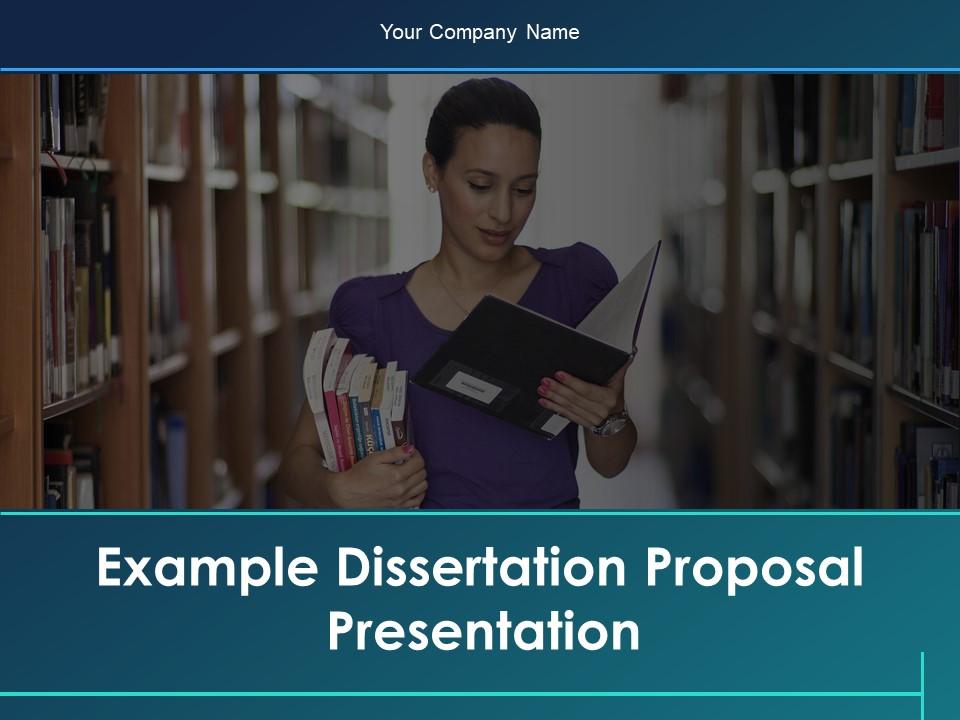
Slide 1: This slide introduces Example Dissertation Proposal Presentation. State Your Company Name and get started.
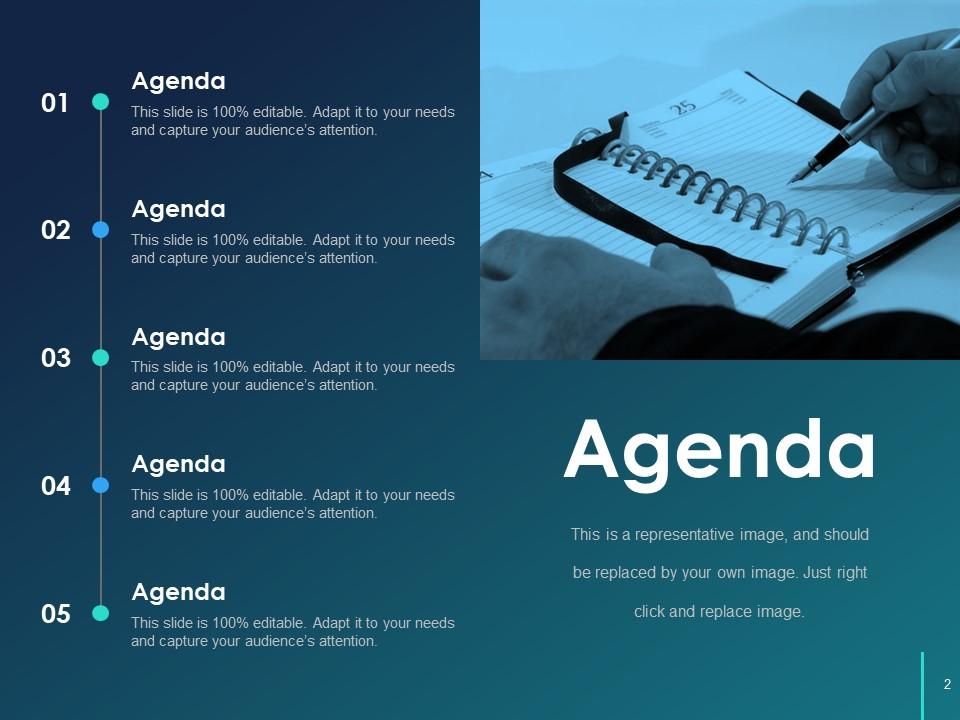
Slide 2: This slide shows Agenda. You can add the company agenda as per your requirement.
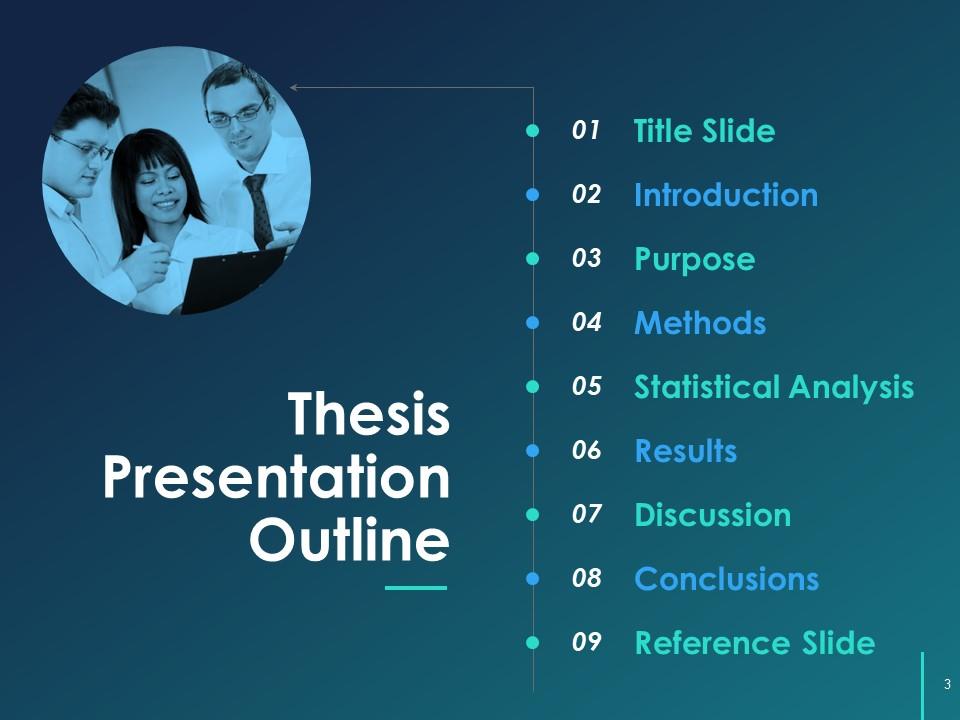
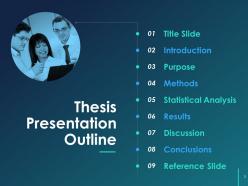
Slide 3: This slide presents Thesis Presentation Outline with these nine points- Title Slide, Introduction, Purpose, Methods, Statistical Analysis, Results, Discussion, Conclusions, Reference Slide.
Slide 4: This slide showcases Your Title Project Title Slide, Your Name, Degrees/Certification, Thesis Advisor Name.
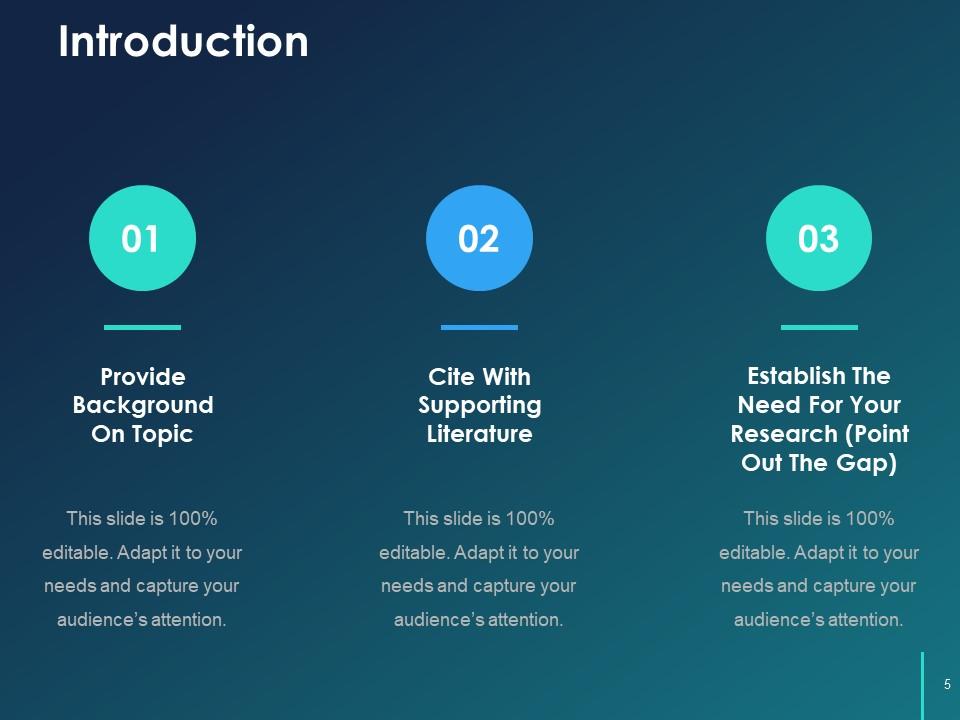
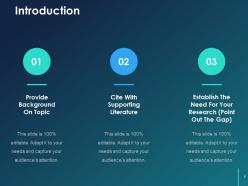
Slide 5: This slide shows Introduction which further provide these three categories- Provide Background On Topic, Cite With Supporting Literature, Establish The Need For Your Research (Point Out The Gap).
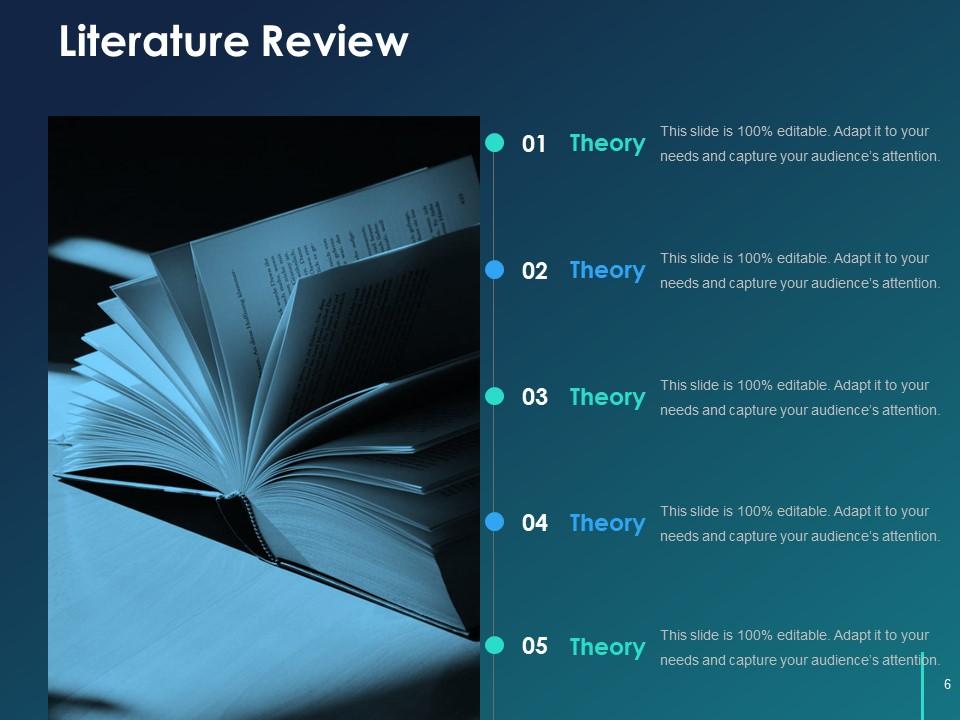
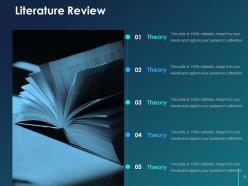
Slide 6: This slide presents Literature Review. You can add the theory as per your requirement.
Slide 7: This slide shows Purpose Statement. You can use this for your company to add statement.
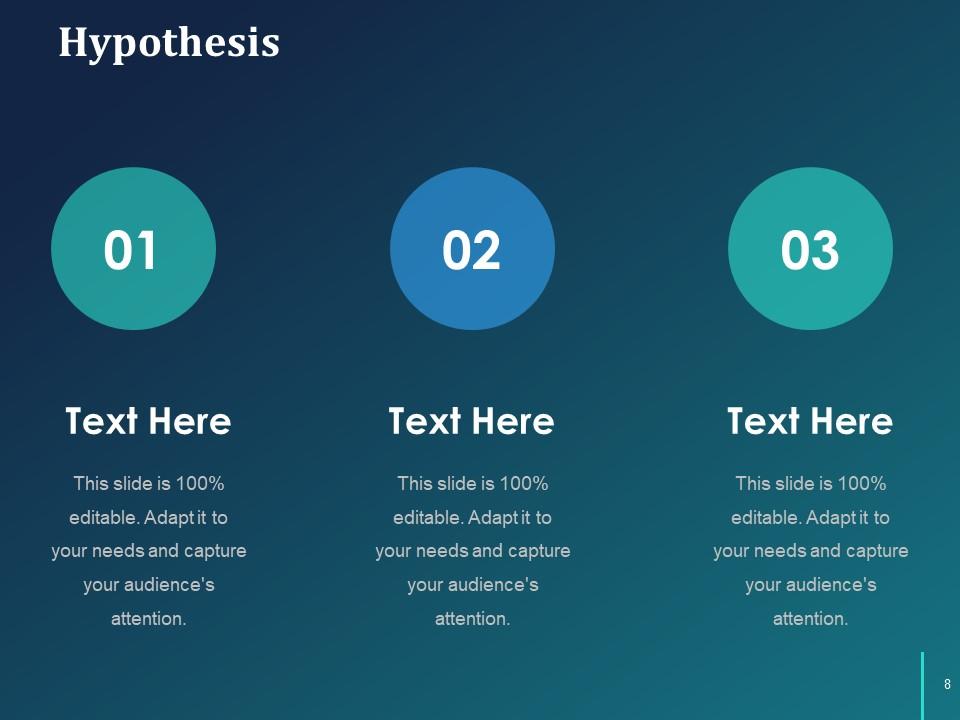
Slide 8: This slide showcases Hypothesis. You can add the hypothesis in these three boxes.
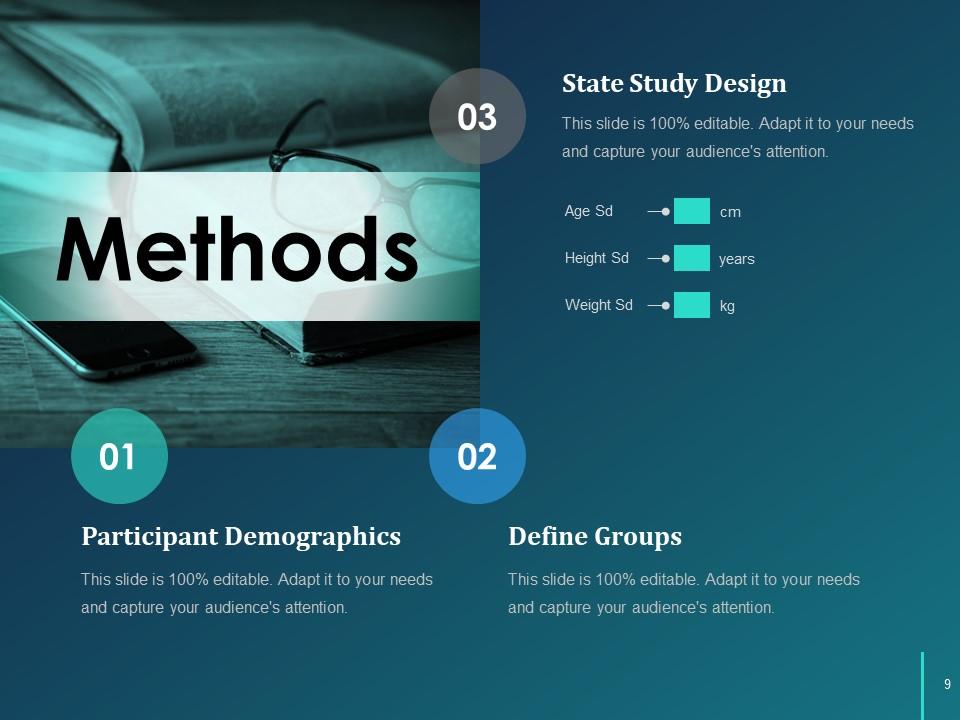
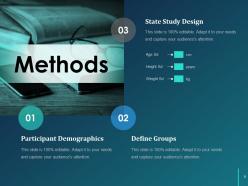
Slide 9: This slide presents Methods. You can add the content related to the business.
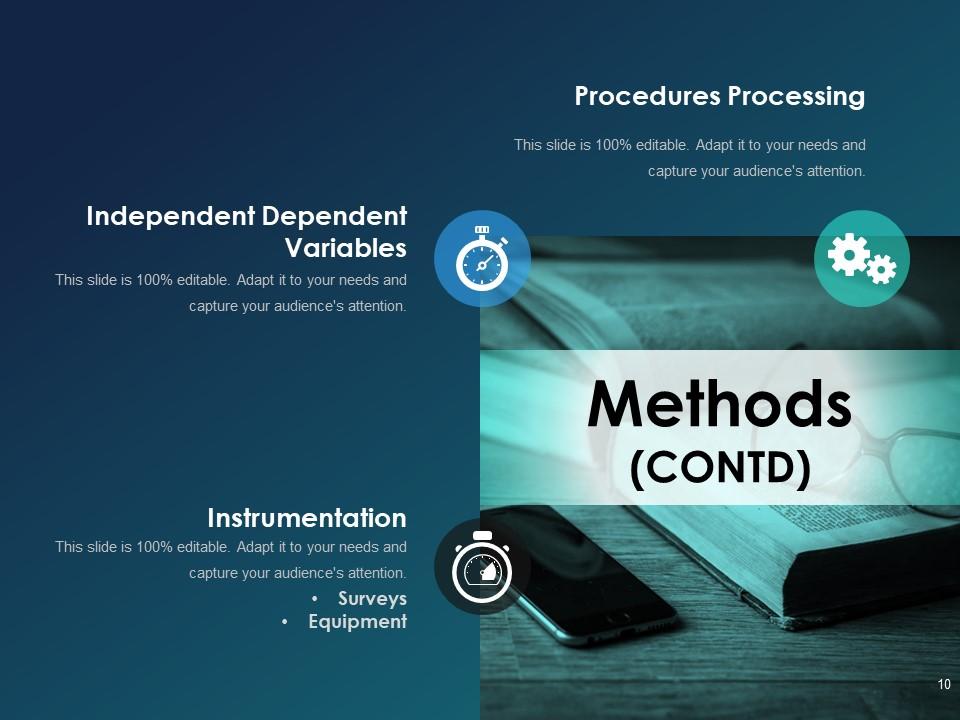
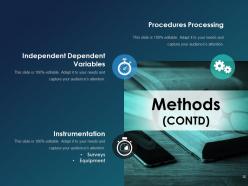
Slide 10: This slide showcases Methods (CONTD) which further includes- Procedures Processing, Independent Dependent Variables, Instrumentation, Surveys, Equipment.
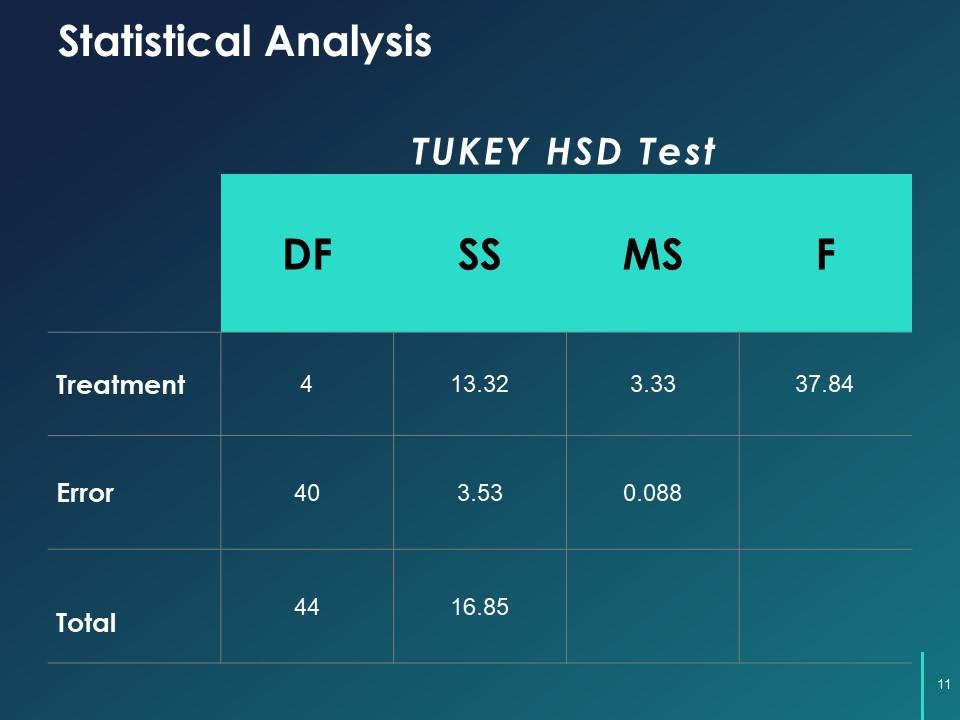
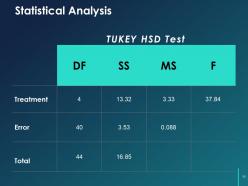
Slide 11: This slide showcases Statistical Analysis table. You can add the your business content.
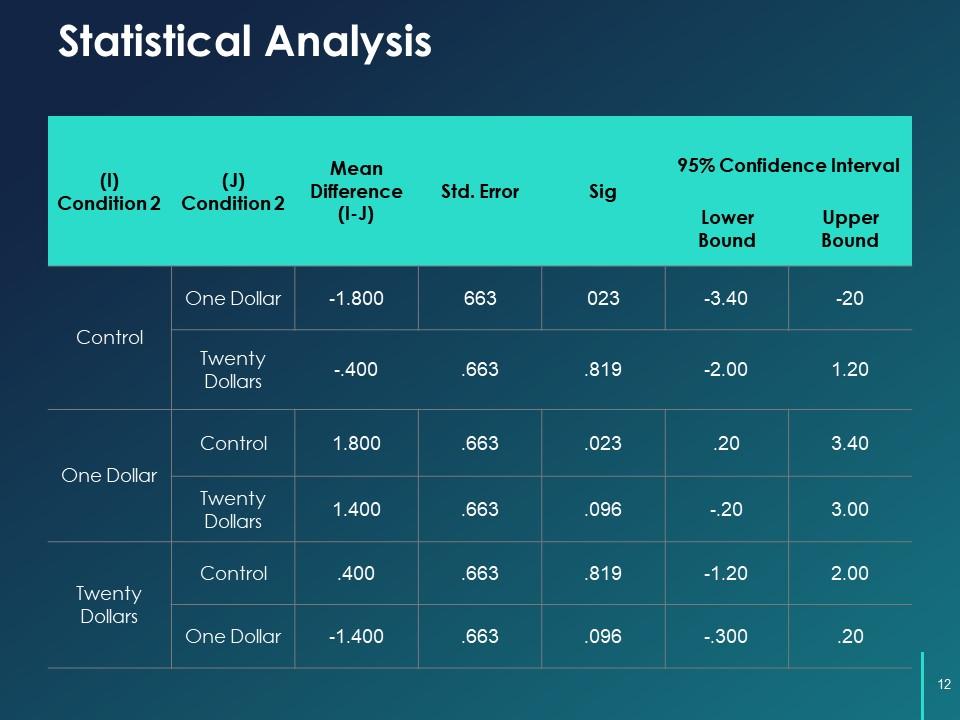
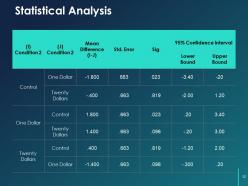
Slide 12: This slide presents Statistical Analysis which further include a table for analysis.
Slide 13: This slide shows Results. You can add your own results in this and make the best use .
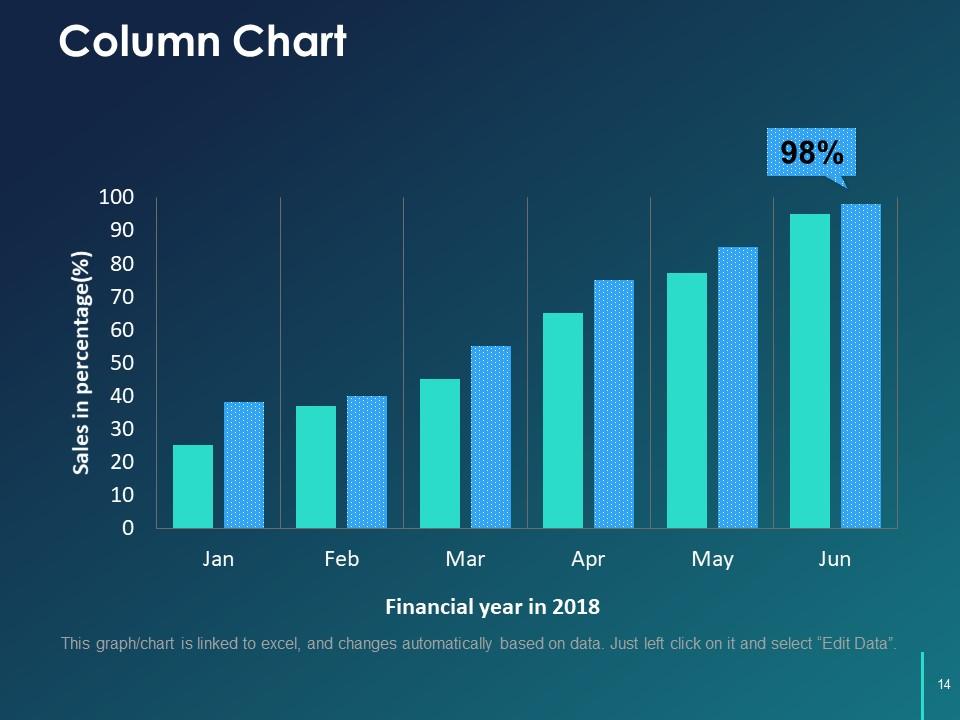
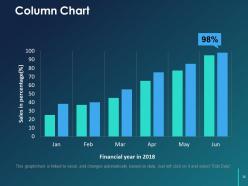
Slide 14: This slide showcases Column Chart. Use this for the comparison of the product.
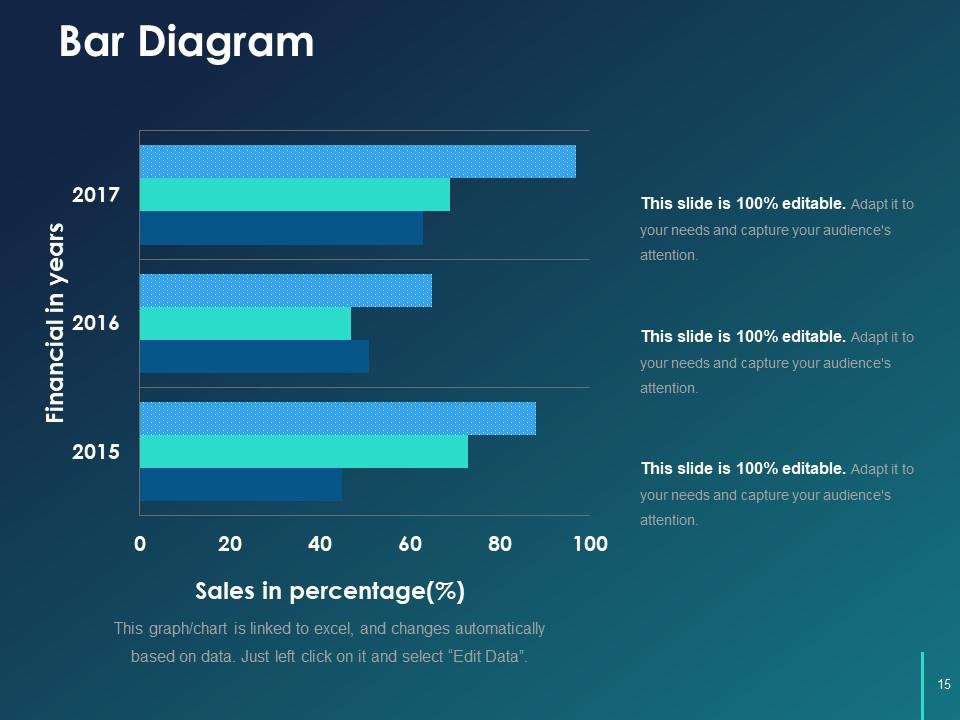
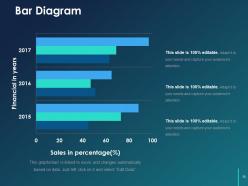
Slide 15: This slide shows Bar Diagram. You can use it for your business.
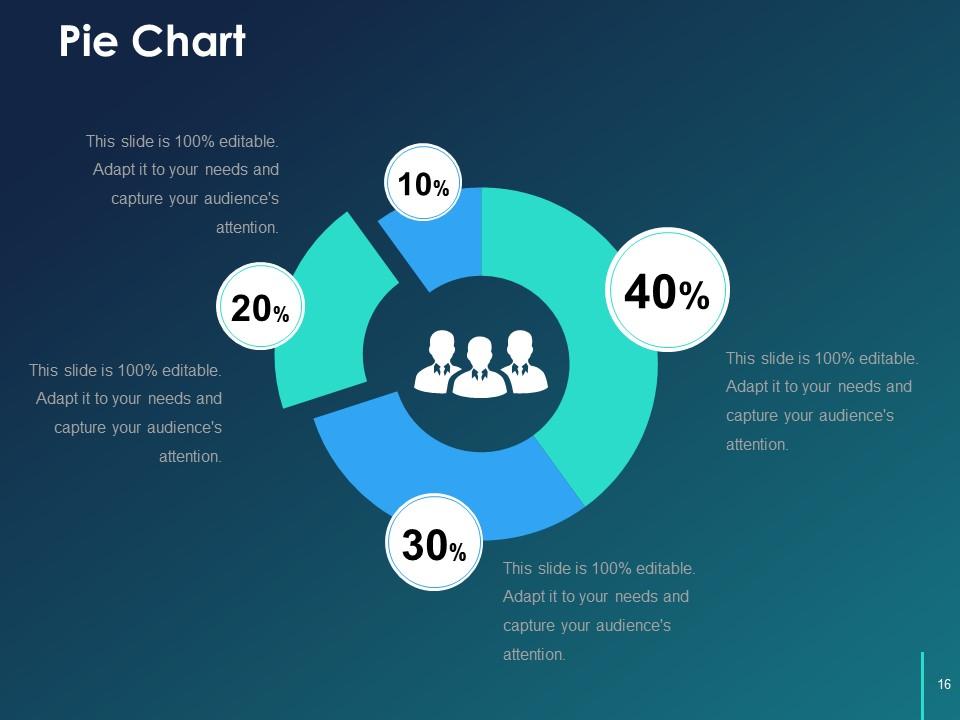
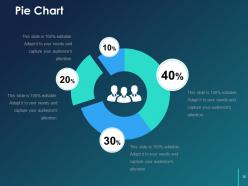
Slide 16: Add this Pie Chart to compare the percentages or numbers.
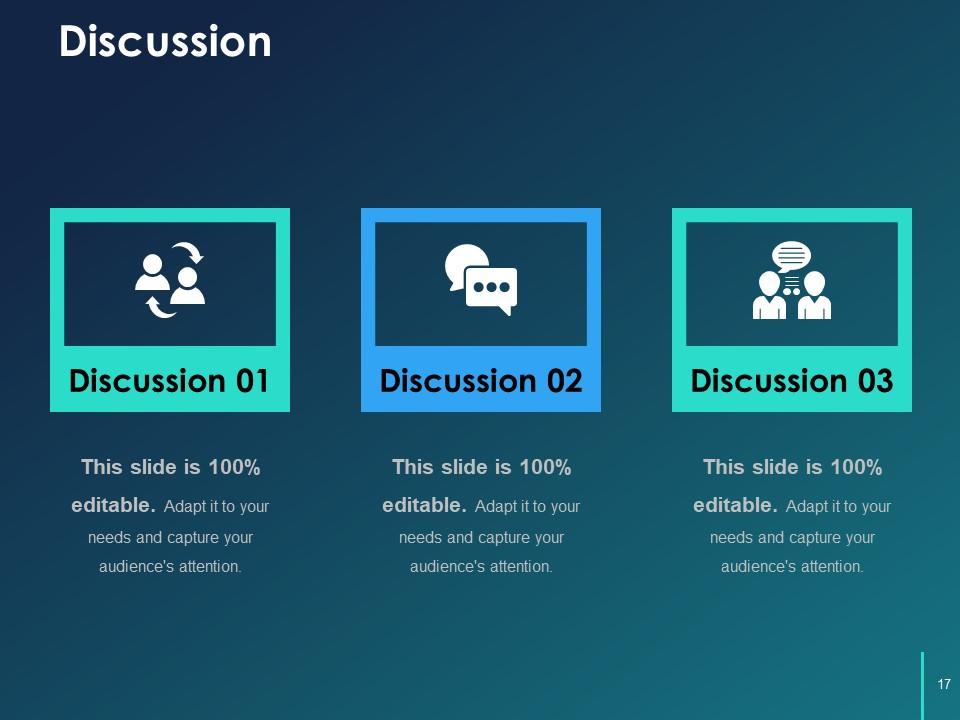
Slide 17: This slide is for Discussion. You can put your points in this.
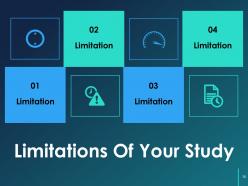
Slide 18: This slide presents Limitations Of Your Study. Add the data as per requirement.
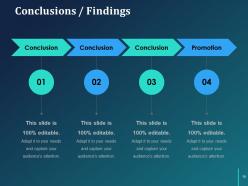
Slide 19: This slide presents Conclusions / Findings. Add your content in this.
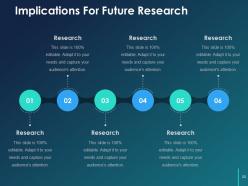
Slide 20: This slide shows Implications For Future Research. Add the researches you have done.
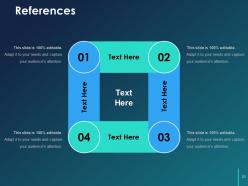
Slide 21: This slide presents References. Add your references and make the use.
Slide 22: This slide can be used for Any Question.
Slide 23: This slide shows Coffee Break image.
Slide 24: This slide is titled Additional slides.
Slide 25: This slide contains Our Mission with text boxes.
Slide 26: This slide helps depict Our Team with text boxes.
Slide 27: This slide helps show- About Our Company. The sub headings include- Creative Design, Customer Care, Expand Company
Slide 28: This slide shows Our Goals for your company.
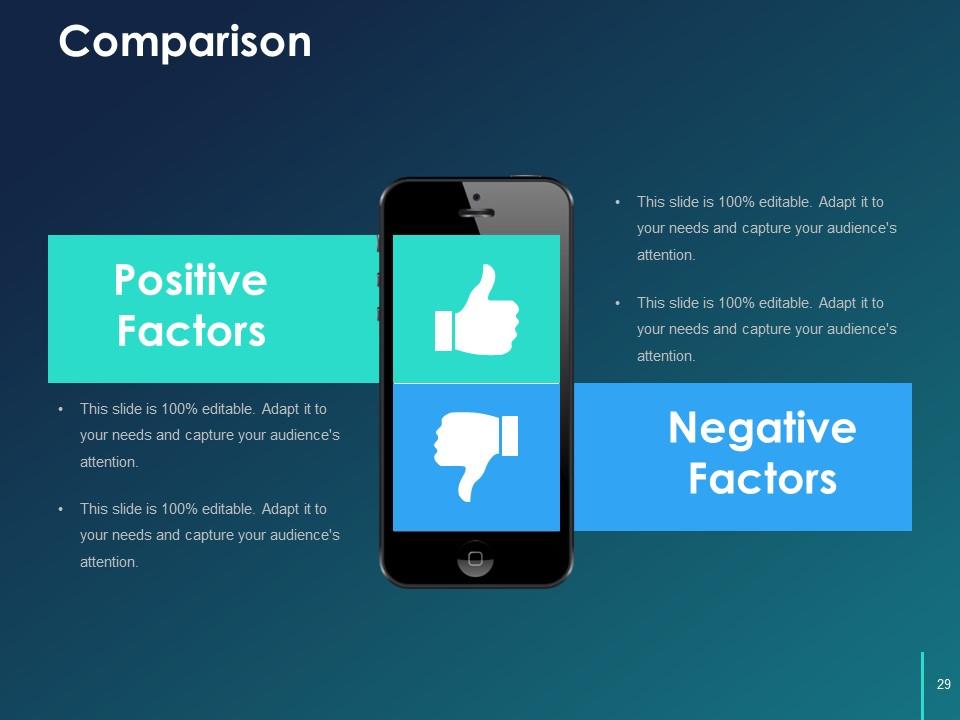
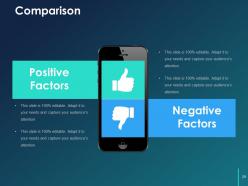
Slide 29: This slide shows Comparison of Positive Factors v/s Negative Factors with thumbsup and thumb down imagery.
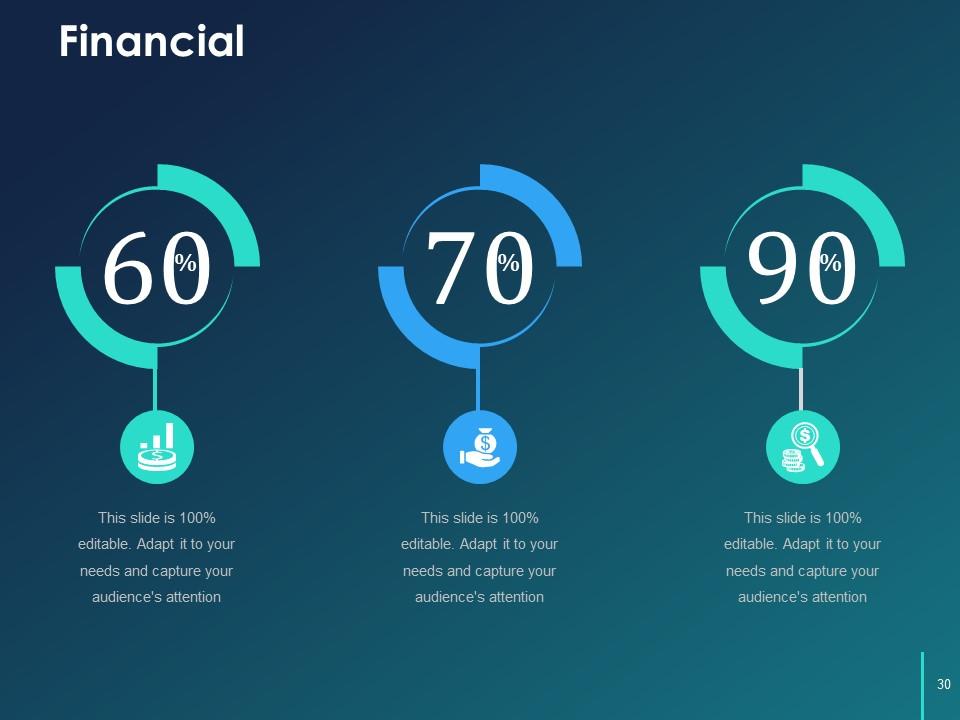
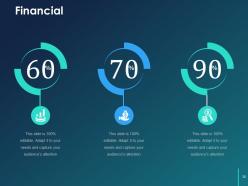
Slide 30: This is a Financial Score slide to show financial aspects here.
Slide 31: This is a Quotes slide to convey message, beliefs etc.
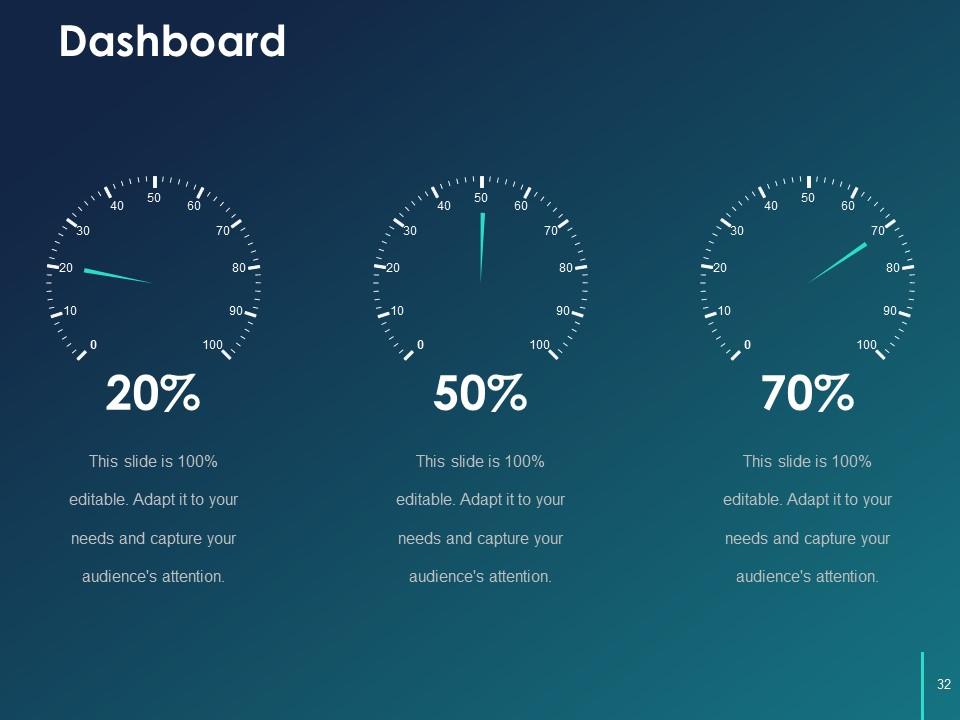
Slide 32: This is a Dashboard slide to show- Strategic System, Success, Goal Process, Sales Review, Communication Study.
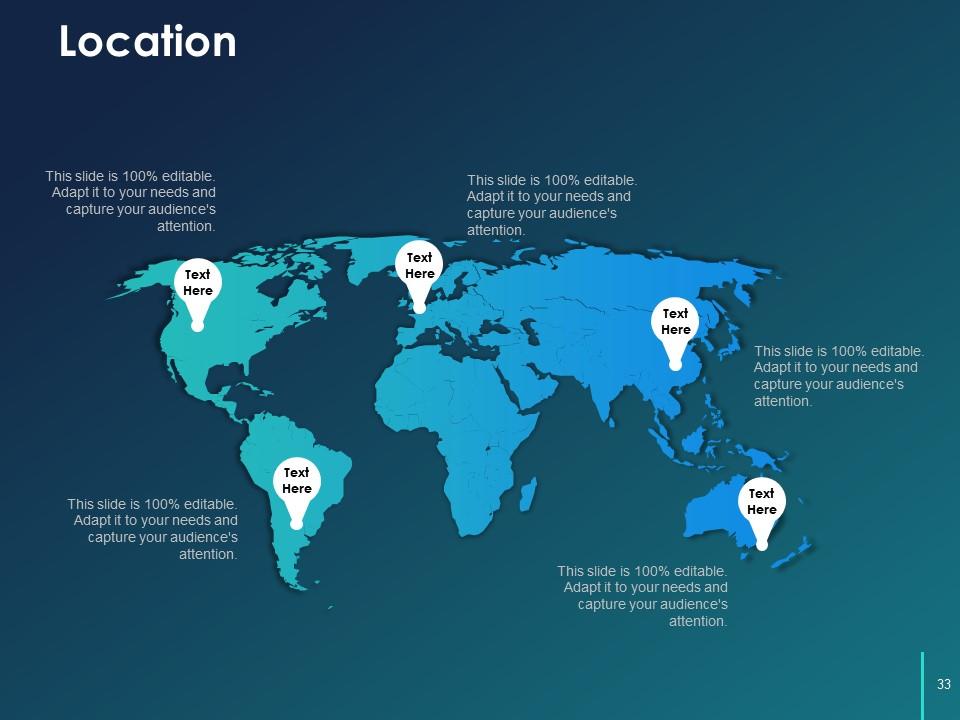
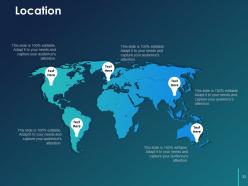
Slide 33: This is a Location slide to show global growth,presence etc. on world map.
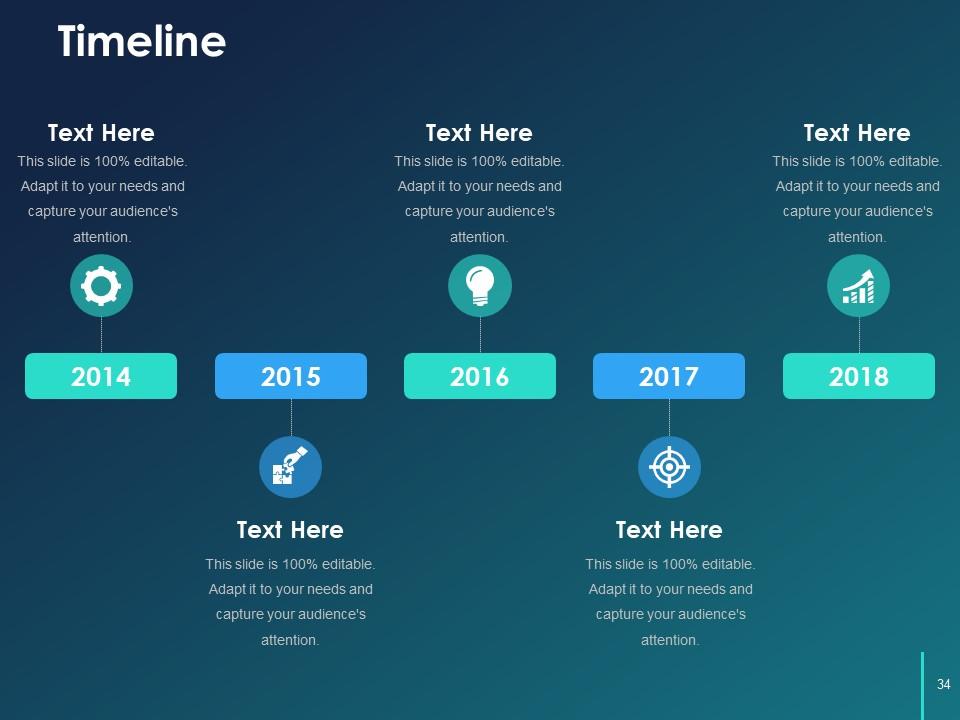
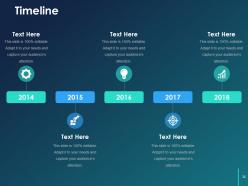
Slide 34: This is a Timelines slide to show- Plan, Budget, Schedule, Review.
Slide 35: This is a Post It slide for reminders of Direct Marketing.
Slide 36: This slide is titled Community to show company news, events, highlights etc.
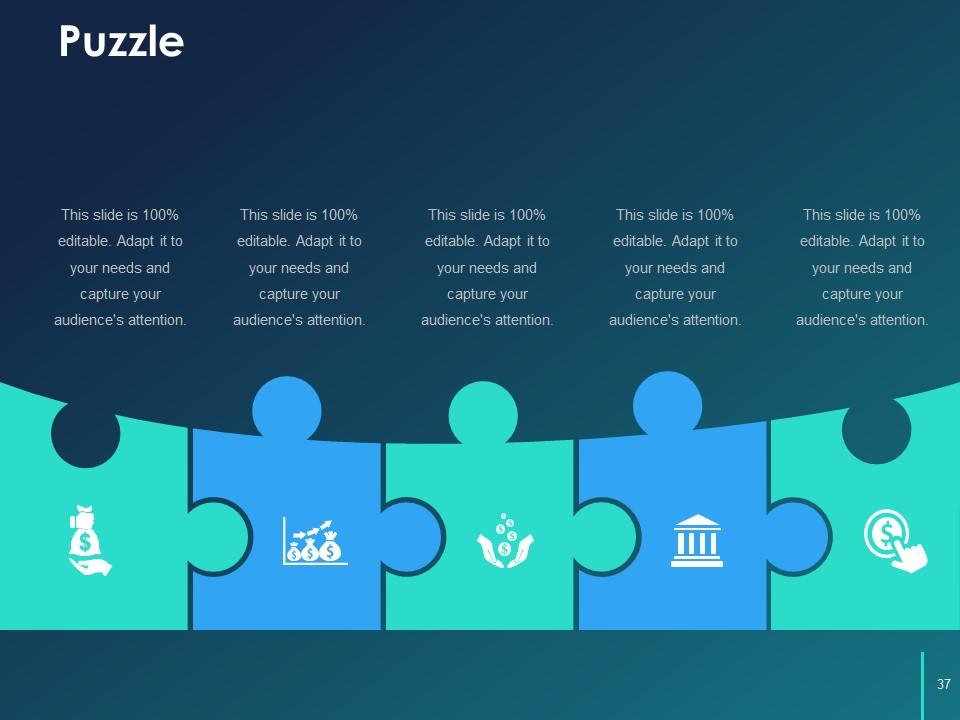
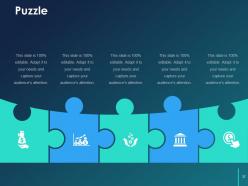
Slide 37: This is a Puzzle slide with the following subheadings- PPC Advertising, Media Marketing, Print Marketing, E-mail Campaigns.
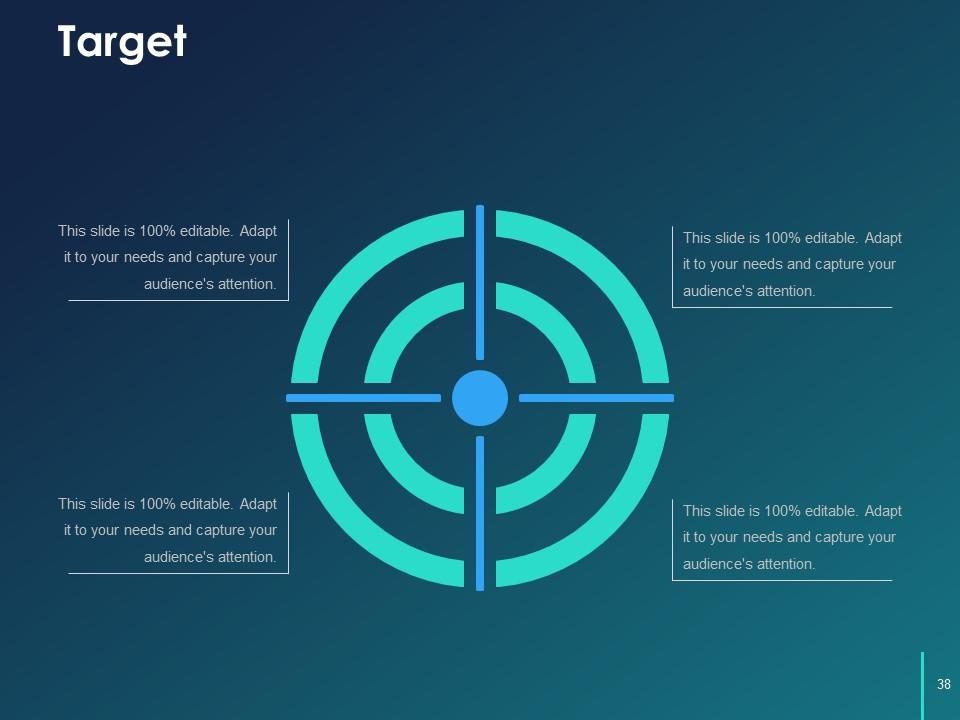
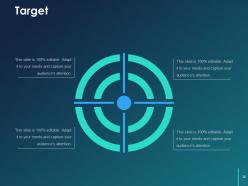
Slide 38: This is a Target slide with the following subheadings- Current Situation, Competitive Analysis, Target Segments, Vision, Positioning.
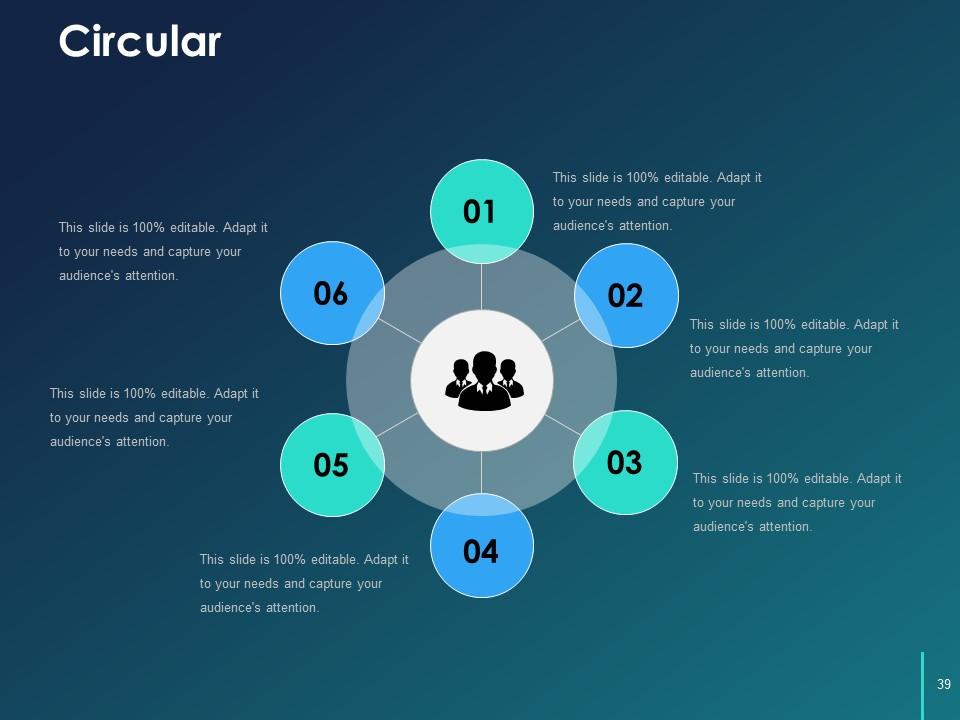
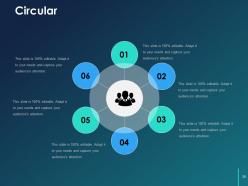
Slide 39: This is a Circular image slide to show information, specifications etc.
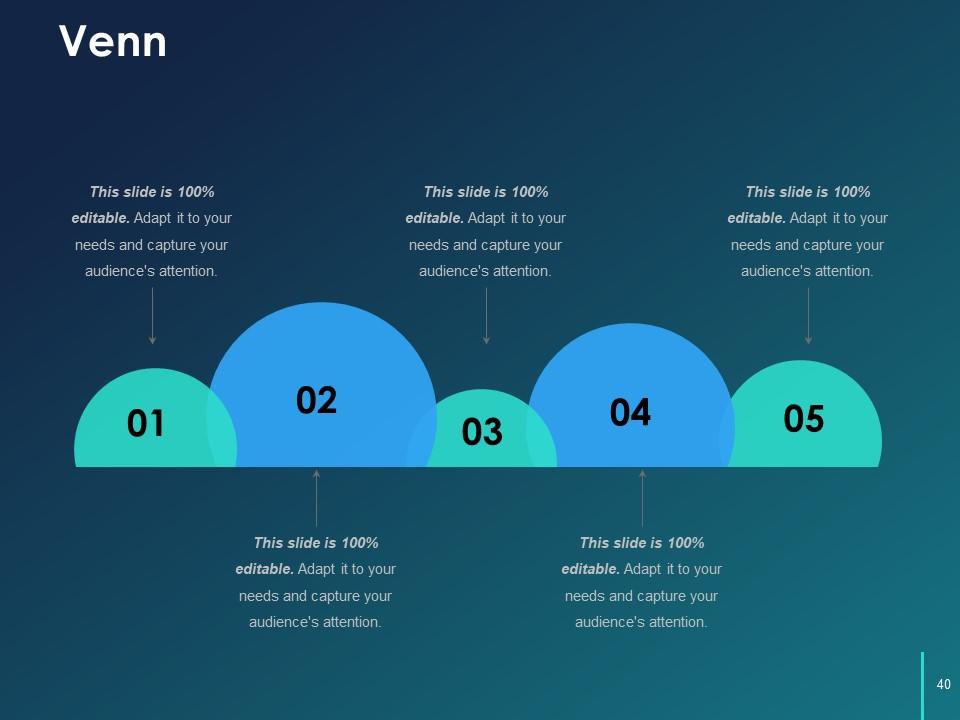
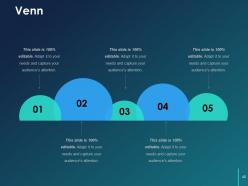
Slide 40: This is a Venn diagram image slide to show information, specifications etc.
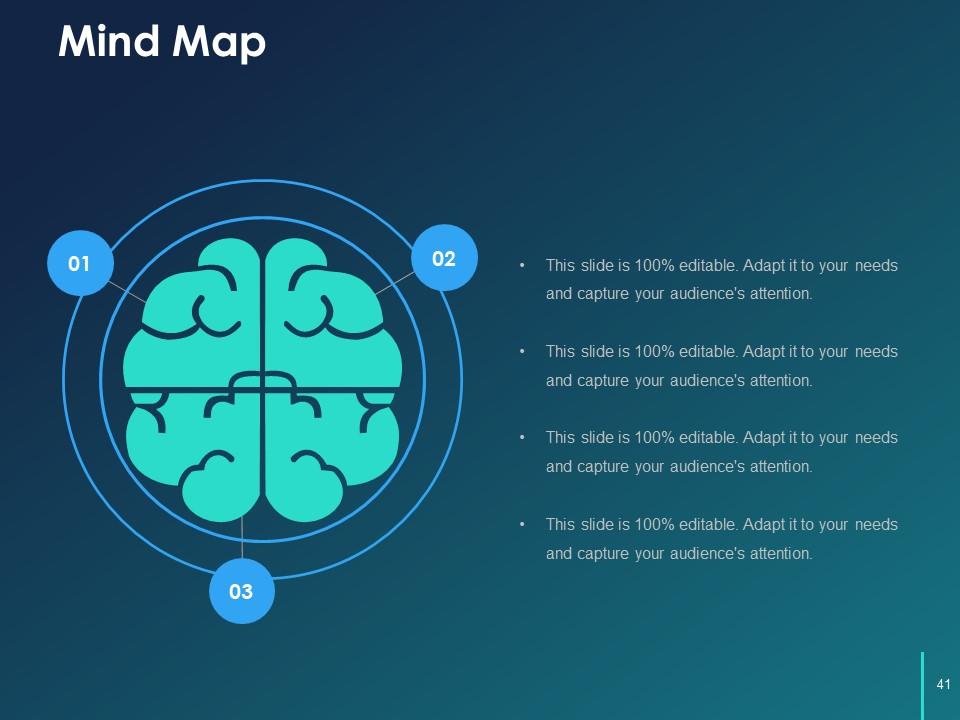
Slide 41: This slide shows a Mind map for representing entities.
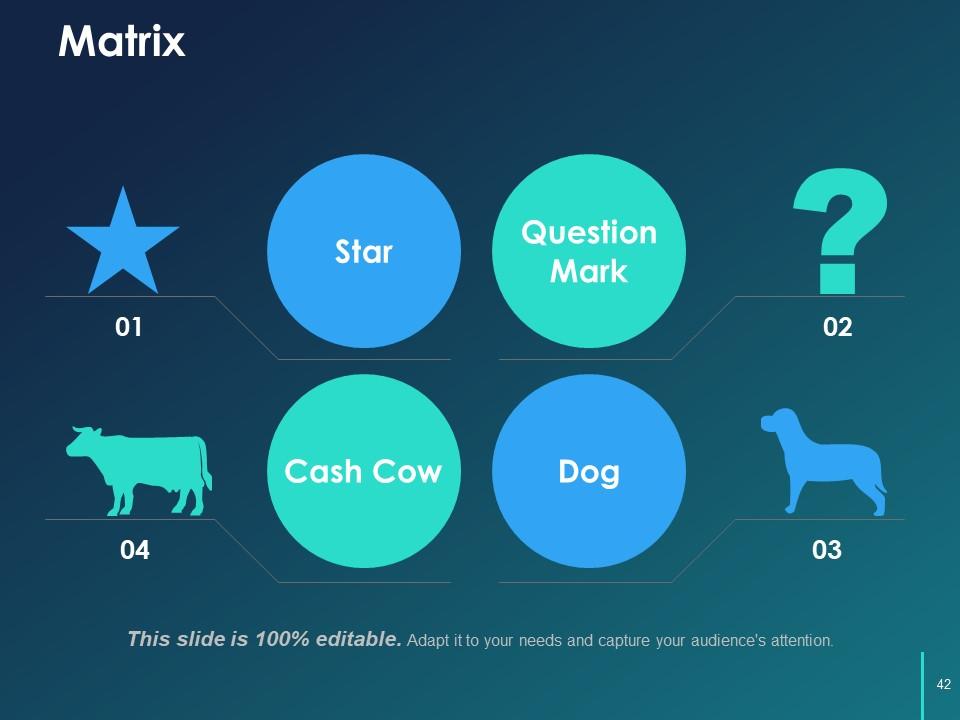
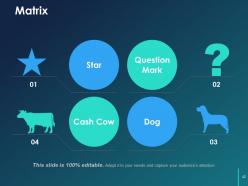
Slide 42: This slide showcases a Matrix with the following content- Development Clients, Dilemna Clients, Star Clients, High Value Clients.
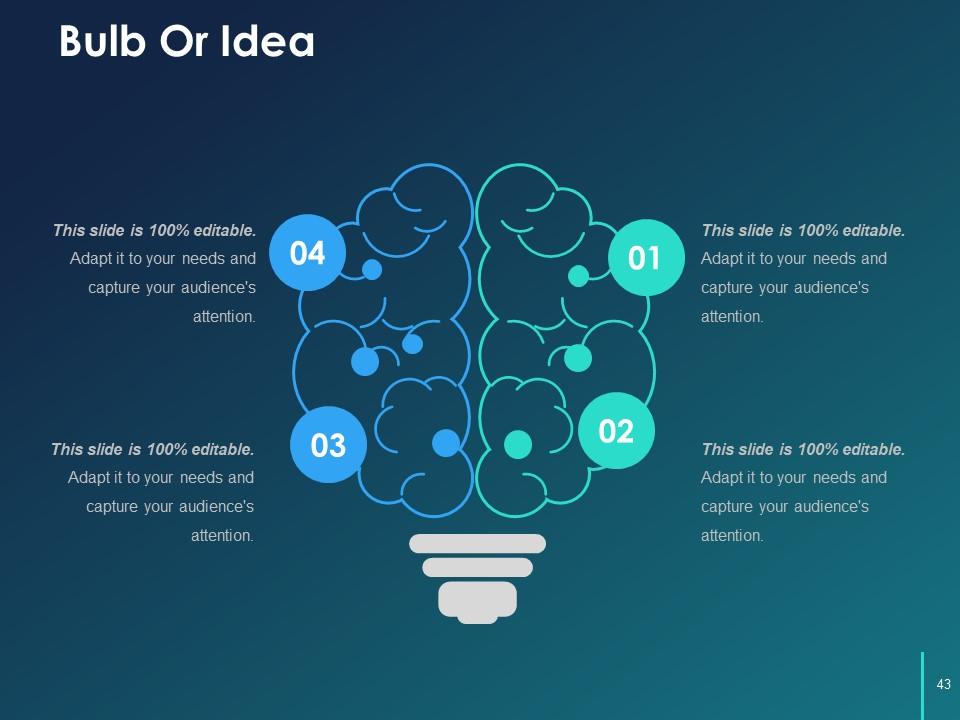
Slide 43: This is a Bulb Or Idea image slide to show information, innovative aspects etc.
Slide 44: This is a Thank You slide for acknowledgement.
Example Dissertation Proposal Presentation Powerpoint Presentation Slides with all 44 slides:
Our Example Dissertation Proposal Presentation Powerpoint Presentation Slides are innately eco-friendly. Their high recall value negate the need for paper handouts.
-
Unique and attractive product design.
-
Use of icon with content is very relateable, informative and appealing.
