

Student Dissertation Proposal Powerpoint Presentation Slides




Try Before you Buy Download Free Sample Product
 Impress Your
 Audience
 100%
100% Editable
 Save Hours
 of Time


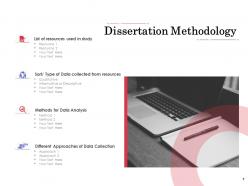
The student dissertation is generally a final year project that has to be submitted to a respective authority as it is a form of assessment. It covers all the details of a particular subject or a topic that a student has chosen to write. It takes a lot of research, planning, and effort to write a dissertation or thesis. Writing a dissertation or thesis is such a complicated thing. The review panel often rejects it if they do not find any relevant information related to the topic. However, the dissertation should be made with a proper understanding of literature that has no room for errors. It is quite complex for the student who is writing a dissertation for the first time. However, the readymade proposals give them a complete guide on how to prepare a thesis with ease. Introducing our topic-specific Student Dissertation Proposal PowerPoint Presentation Slides that helps to create a worth-noticeable thesis. The slide consists of different sections that give a thorough understanding of what things must be included in a dissertation. This eye-catching student dissertation proposal PPT layout helps an individual choose a professional thesis writer who can finish their dissertation in less time. Outline all the requirements of the client’s project and make an error-free dissertation accordingly. With the aid of our dissertation proposal presentation template, you can focus on the thesis’s introductory page and mention all the brief descriptions of the topic. Explain in detail the dissertation’s methodology that includes the list of resources used in the study, type of data collected from resources, data analysis methods, and different approaches of data collection. Employ this creatively designed student thesis proposal PowerPoint theme to describe all the past work or material referred for the research work. Submit an engaging and interactive thesis statement to your client by downloading our ready-to-use dissertation ppt templates.
People who downloaded this PowerPoint presentation also viewed the following :
Student Dissertation Proposal Powerpoint Presentation Slides with all 25 slides:
Use our Student Dissertation Proposal Powerpoint Presentation Slides to effectively help you save your valuable time. They are readymade to fit into any presentation structure.



FAQs for Student Dissertation Proposal
Okay so you need five main things: solid research question, lit review, methodology, timeline, and bibliography. The methodology part is where people mess up the most - you gotta be really specific about your actual process and data analysis. I've watched so many proposals crash here because they stayed too vague. Your timeline can't be crazy unrealistic either (we all do this though). The lit review should prove you actually know your field inside out. Oh, and make sure there's a real gap in existing research that you're filling. Everything has to tie back to your main question or it's just fluff.
Read through recent papers in your area and look for what's missing or what questions they didn't answer. You want something that fits your skills but hasn't been studied much - and honestly, make sure it matters to real people, not just academics. Building on existing work is way smarter than starting from scratch. Your advisor will save you tons of headaches if you run ideas by them early. They'll tell you if something's actually doable with your time and budget. Oh, and avoid that awkward moment where someone asks "why should I care?" about your whole project.
Hit these three things: what new stuff you're adding to the field, who actually benefits from your work, and what gaps you're filling. Be super specific about who wins from your research - like actual policymakers or communities, not just "society." That's honestly the part that makes committees care. Don't just say you're "contributing to knowledge" because that's basically meaningless. Instead, point to the exact hole your research plugs. Oh, and tie everything back to your research questions at the end so it all connects. The "so what?" question is what you're really answering here.
Figure out your main problem first, then split it into 2-4 questions you can actually answer. Go with "how," "why," or "what" instead of yes/no stuff - way more material to work with. Keep them narrow enough that you won't burn out trying to research everything. Here's what I do: run your questions by someone who doesn't know your topic. If they're confused, you've probably made it too complicated or jargony. Also test each one by thinking "what would a solid answer actually look like?" Sounds obvious but you'd be surprised how many people skip this step and end up stuck later.
Okay so basically the lit review proves you know your stuff and aren't just winging it. You're showing your committee there's actually a gap worth filling - not rehashing something that's been beaten to death. Most people mess this up by just summarizing papers instead of actually critiquing them (I see this mistake everywhere). Your job is connecting the dots between existing research and showing where yours fits in. Look for specific holes or weak spots in current studies. That's honestly what makes proposals stand out. You'll want to demonstrate how your work adds something fresh to the conversation, not just more of the same.
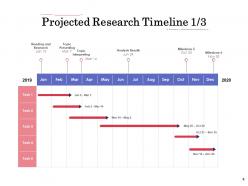
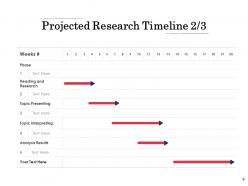
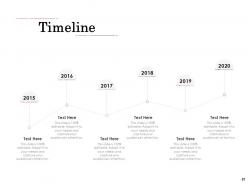
So basically you want to chunk everything into phases with real deadlines for each part. I'd map out data collection, analysis, writing time, plus extra buffer days because something always goes sideways. Show what resources you actually have access to and mention any pilot work you've done already. Oh and don't forget the boring stuff - IRB approvals take forever, recruiting participants is harder than you think. The whole point is proving you've thought beyond just the cool research ideas. Specific milestones make it look way more legit than vague timelines.
Honestly, most proposals tank because the methods don't actually connect to what you're trying to prove. Three things that'll save you: explain *why* your approach answers your specific questions, acknowledge the limitations upfront and say how you'll handle them, and build in a realistic timeline with backup plans. Also grab some recent methodological papers - shows you know what's current. If you can swing a small pilot study, even better. That concrete proof it'll work is gold. Oh, and definitely get multiple people to read your methods section early. I've seen too many brilliant ideas get shot down over sloppy methodology write-ups.
Dude, you gotta get way more specific than just "advancing knowledge" - that's what literally everyone writes and it makes reviewers' eyes glaze over. Break it down: which exact groups will actually use this stuff? Will doctors change how they treat patients? Are city planners gonna redesign neighborhoods differently? Paint the whole picture of immediate changes versus what might happen years down the road. Numbers help too if you've got them. The trick is connecting your research to problems people are losing sleep over right now. Like, what can't they do today that your work will make possible tomorrow?
Hit the big three: informed consent, keeping participants' info private, and any risks they might face. Vulnerable groups like kids or patients? Definitely mention that. Your committee will want to know how you're storing and anonymizing data too - honestly, they're pretty obsessed with data protection these days. Don't skip IRB approval if you're doing human subjects research! Spell out your harm reduction plan even if it feels obvious. They want proof you actually thought about the ethics, not just went through the motions.
Honestly, think of your proposal as proving to your committee that you're not completely winging it. You'll outline your research question, methods, lit review - all that stuff. It keeps you on track when you're drowning in research later (trust me, you will be). Once it's approved, boom - you've got your roadmap mapped out already. I learned this the hard way, but doing the heavy lifting upfront with methodology and structure saves you from panicking at 2am wondering what you're even arguing. It's basically your safety net when imposter syndrome hits.
Check your department's guidelines first - they're all different and kinda picky about it. Standard stuff usually works though: double-spaced, Times New Roman 12pt, 1-inch margins. You'll need APA or MLA citations depending on your field. Title page, abstract, clear headings for lit review and methodology sections. But honestly? Don't stress the formatting too much right now. Focus on your actual content first - that's what really matters. Your advisor probably has a template anyway, so just ask them. Way easier than trying to figure it out yourself!
Honestly, the two biggest mistakes I see are biting off way more than you can chew and having this super vague research question that sounds smart but means nothing. Do your literature review first - I can't tell you how many people think they've discovered something revolutionary when it's been studied to death already. Your methodology needs to actually answer what you're asking, which sounds obvious but... yeah. Timeline-wise, be brutally realistic about what you can pull off. Oh, and pick ONE specific question you can actually answer instead of trying to solve world hunger. Everything else builds from there.
Okay so first thing - find successful proposals from your field and copy their structure exactly. Different disciplines have weird unwritten rules about whether you start with theory or methods, how much lit review they expect, all that stuff. STEM usually wants tons of preliminary data and super detailed methods. Humanities cares more about your theoretical framework and whether you can actually access your sources. It's honestly pretty arbitrary how much this varies between fields! Definitely hit up recent grads from your program - they'll show you what actually got approved. Your advisor should have examples too from people who made it through.
Definitely hit up your advisor first - they need to see like multiple drafts anyway before you submit. Committee members are clutch too, especially for their specific expertise areas. Writing centers are actually way more helpful than you'd think for getting the structure right. Oh, and don't forget about other doctoral students! They catch stuff faculty miss since they're in the trenches with you. I'd go advisor first, get it solid, then loop in committee members. Peer groups are good throughout the whole process though.
Honestly, visuals are a game-changer for proposals. Charts and timelines show your methodology way clearer than paragraphs ever could. I mean, have you ever tried to read a 20-page wall of text? It's brutal. Diagrams work great for theoretical frameworks too - sometimes a simple flowchart beats three pages of explanation. Your committee will actually thank you for breaking things up visually. Just don't go overboard with fancy graphics that don't add anything. Keep them relevant and simple. Oh, and graphs are perfect for showing data relationships at a glance instead of making people dig through dense text.
-
Qualitative and comprehensive slides.
-
Excellent products for quick understanding.
-
Design layout is very impressive.
-
Excellent design and quick turnaround.
-
Appreciate the research and its presentable format.