


Edtech Service Launch And Marketing Plan Powerpoint Presentation Slides




Try Before you Buy Download Free Sample Product
 Impress Your
 Audience
 100%
100% Editable
 Save Hours
 of Time


New service development and launch plans can help capture the market share and increase the organizations customer base. Launch Plan assists the organization in promoting service through various offline and online marketing channels. Check out our efficiently designed EdTech Service launch and Marketing Plan template that showcases an assessment of the target market and analysis of potential customers available in the market. It also shows the ideal buyer persona to develop an understanding of prospective customers in the market. It also provides roles and responsibilities for employees involved in the launch process. It also shows budget allocation and the timeline for scheduling new service launches. The PowerPoint defines marketing activities that organizations can implement before and during the launch of a new service in the market. It also includes strategies to promote service after launch. Furthermore, during service launch, the PPT has challenges and strategies to mitigate those roadblocks. Lastly, it showcases the impact of a new service launch on the operational and financial performance of the organization. Book a free demo with our research team now.
People who downloaded this PowerPoint presentation also viewed the following :
Content of this Powerpoint Presentation
Slide 1: This slide introduces EdTech Service launch and Marketing Plan. State your company name and begin.
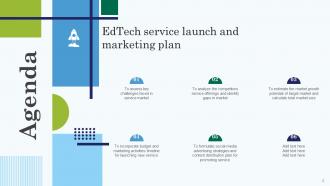
Slide 2: This slide states Agenda of the presentation.
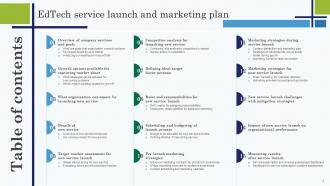
Slide 3: This slide shows Table of Content for the presentation.
Slide 4: This slide depicts title for three topics that are to be covered next in the template.
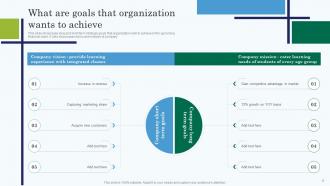
Slide 5: This slide showcases long and short term strategic goals that organization wish to achieve the upcoming financial years.
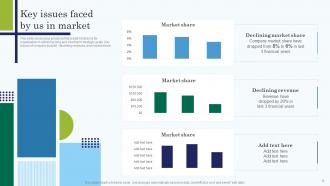
Slide 6: This slide showcases problems that create hindrance for organization in achieving long and short term strategic goals.
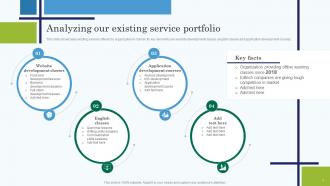
Slide 7: This slide showcases existing services offered by organization in market.
Slide 8: This slide depicts title for two topics that are to be covered next in the template.
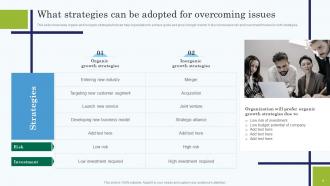
Slide 9: This slide showcases organic and inorganic strategies that can help organization to achieve goals and grow in target market place.
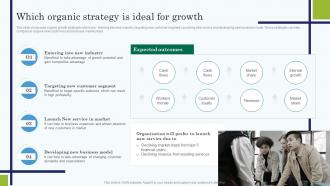
Slide 10: This slide showcases organic growth strategies which are - entering into new industry, targeting new customer segment, etc.
Slide 11: This slide depicts title for the topic that are to be covered next in the template.
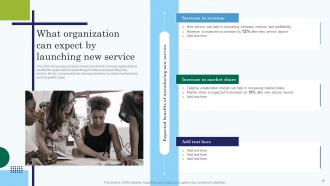
Slide 12: This slide showcases purpose of new launch that can help organization to identify the goals before conducting promotion and launching new service.
Slide 13: This slide depicts title for two topics that are to be covered next in the template.
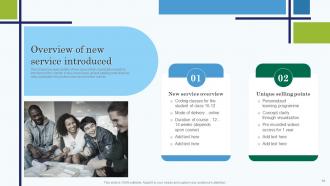
Slide 14: This slideshow cases details of new service that organization wants to introduce in the market.
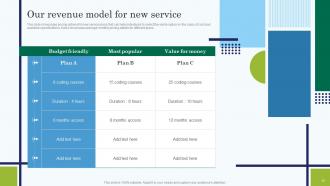
Slide 15: This slide showcases pricing options for new service plans that can help individuals to select the viable option on the basis of cost and available specifications.
Slide 16: This slide depicts title for two topics that are to be covered next in the template.
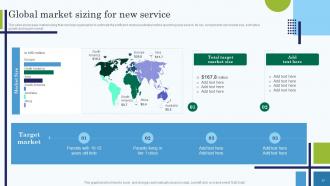
Slide 17: This slide showcases market sizing that can help organization to estimate the profit and revenue potential before launching new service.
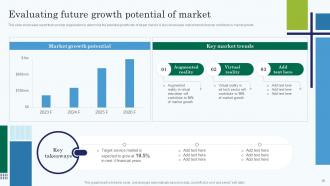
Slide 18: This slide showcases report that can help organization to determine the potential growth rate of target market.
Slide 19: This slide depicts title for two topics that are to be covered next in the template.
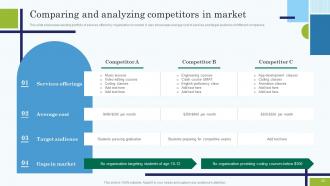
Slide 20: This slide showcases existing portfolio of services offered by organization in marketplace.
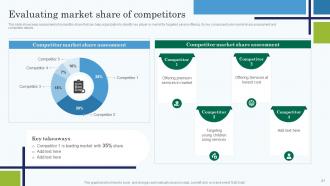
Slide 21: This slide showcases assessment of competitor share that can help organization to identify key player in market for targeted service offering.
Slide 22: This slide depicts title for the topic that are to be covered next in the template.
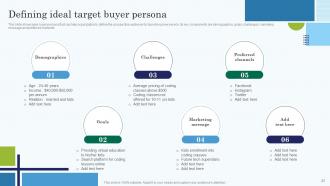
Slide 23: This slide showcases buyer persona that can help organization to define the prospective audience for launching new service.
Slide 24: This slide depicts title for two topics that are to be covered next in the template.
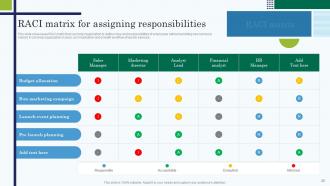
Slide 25: This slide showcases RACI matrix that can help organization to define roles and responsibilities of employees before launching new service in marketplace.
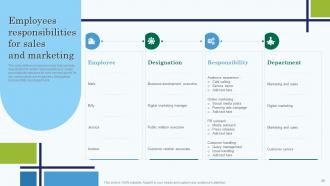
Slide 26: This slide defines employees roles that can help organization to define responsibility and create accountability structure for new service launch.
Slide 27: This slide depicts title for two topics that are to be covered next in the template.
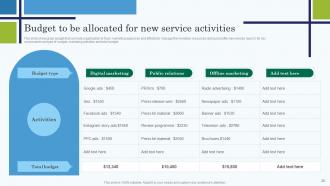
Slide 28: This slide showcases budget that can help organization to track marketing expenses and effectively manage the monetary resources.
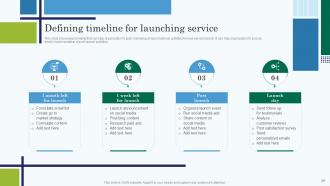
Slide 29: This slide showcases timeline that can help organization to plan marketing and promotional activities for new service launch.
Slide 30: This slide depicts title for three topics that are to be covered next in the template.
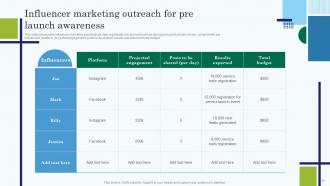
Slide 31: This slide showcases influencer marketing plan that can help organization to promote service during pre launch phase.
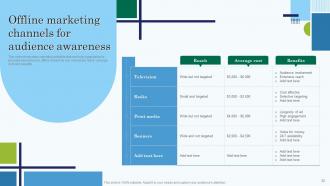
Slide 32: This slide showcases marketing activities that can help organization to promote new service in offline marketplace.
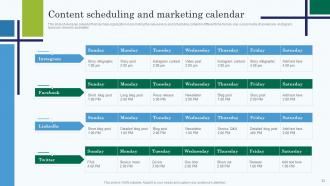
Slide 33: This slide showcases calendar that can help organization in promoting the new service and scheduling content in different time frames.
Slide 34: This slide depicts title for three topics that are to be covered next in the template.
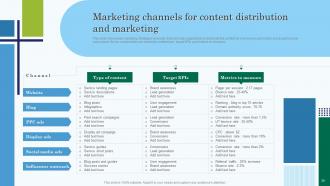
Slide 35: This slide showcases marketing channels that can help organization to distribute the content for new service promotion and acquiring new subscribers.
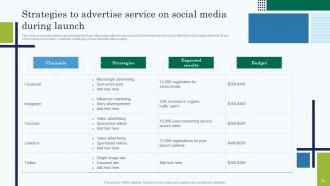
Slide 36: This slide showcases advertising strategies that can help organization to promote and market new service using different social media channels.
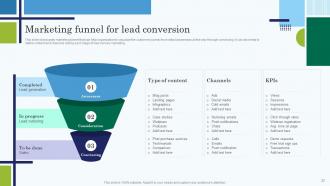
Slide 37: This slide showcases marketing funnel that can help organization to visualize the customer journey from initial awareness all the way through convincing.
Slide 38: This slide depicts title for two topics that are to be covered next in the template.
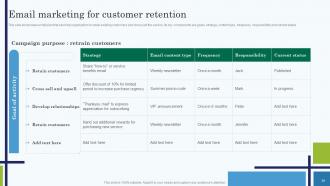
Slide 39: This side showcases email plan that can help organization to retain existing customers and cross sell the service.
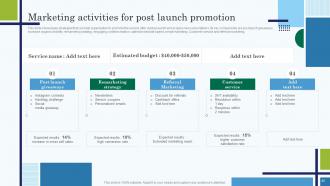
Slide 40: This slide showcases strategies that can help organization to promote the service after launch and acquire new subscriptions.
Slide 41: This slide depicts title for the topic that are to be covered next in the template.
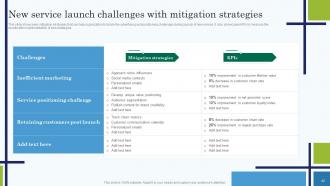
Slide 42: This slide showcases mitigation strategies that can help organization to tackle the advertising and positioning challenges during launch of new service.
Slide 43: This slide depicts title for the topic that are to be covered next in the template.
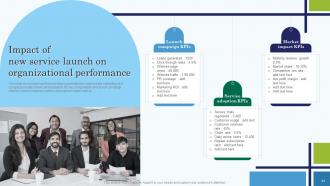
Slide 44: This slide showcases KPIs that can help organization to measure the marketing and campaign results of new service launch.
Slide 45: This slide depicts title for two topics that are to be covered next in the template.
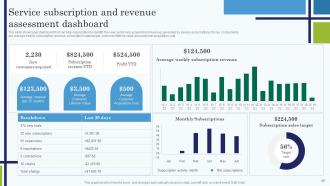
Slide 46: This slide showcases dashboard that can help organization to identify the new customers acquired and revenue generated by service subscriptions.
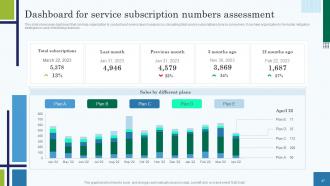
Slide 47: This slide showcases dashboard that can help organization to conduct post service launch analysis.
Slide 48: This slide contains all the icons used in this presentation.
Slide 49: This slide is titled as Additional Slides for moving forward.
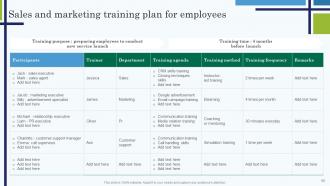
Slide 50: This slide exhibits Sales and Marketing Training Plan for Employees.
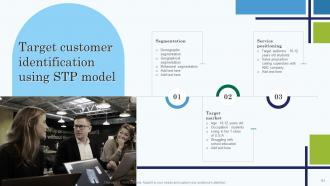
Slide 51: This slide showcases Target Customer Identification using STP Model.
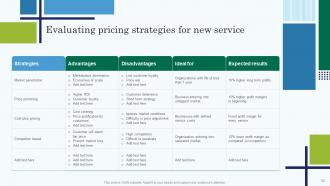
Slide 52: This slide highlights Evaluating Pricing Strategies for New Service.
Slide 53: This slide illustrates What Should be Agenda During Launch Day.
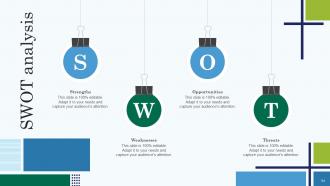
Slide 54: This slide shows SWOT Analysis.
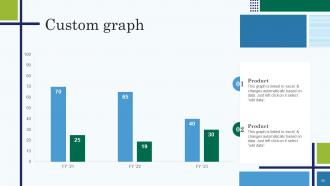
Slide 55: This slide presents Custom graph with two products comparison.
Slide 56: This is About Us slide to show company specifications etc.
Slide 57: This is Our Team slide with names and designation.
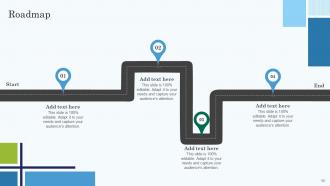
Slide 58: This slide presents Roadmap with additional textboxes.
Slide 59: This slide contains Puzzle with related icons and text.
Slide 60: This slide shows Post It Notes. Post your important notes here.
Slide 61: This is a Thank You slide with address, contact numbers and email address.
Edtech Service Launch And Marketing Plan Powerpoint Presentation Slides with all 66 slides:
Use our Edtech Service Launch And Marketing Plan Powerpoint Presentation Slides to effectively help you save your valuable time. They are readymade to fit into any presentation structure.











FAQs for Edtech Service Launch And Marketing Plan
Focus on getting educators to actually know you exist first - that's half the battle right there. Schools move at a snail's pace compared to other industries, so don't expect quick wins. Show them real results from students, not just fancy promises. Trust is huge since schools get burned by flashy tools that don't work. Start small with pilot programs at maybe 3-4 schools max. Get the department heads on your side early - they're the ones who actually make decisions. Once you've got solid case studies, scaling becomes way easier. The onboarding experience better be smooth though.
Think of user personas as your cheat sheet for actually connecting with people. Teachers care about saving time, admins worry about budgets - totally different priorities, right? Instead of boring everyone with generic tech jargon, you can speak directly to what matters to each group. I'd start with maybe 2-3 solid personas, then look at your current marketing stuff to see where you're missing the mark. Choose your channels based on where these people actually hang out. It's honestly one of those things that seems obvious but makes a huge difference once you do it properly.
Okay so content marketing is like your secret weapon for getting noticed before you're even pitching anything. Teachers are always hunting for stuff that actually works, right? So write about real problems they deal with - maybe "5 ways to make grading less soul-crushing" or show case studies from actual classrooms. Blog posts and videos work great because educators love sharing resources with each other. Honestly, the best part is it doesn't feel like you're selling at all. Just pick the top 3 issues your service fixes and create helpful content around those consistently.
Okay so here's what's worked for me - start engaging in those teacher Facebook groups way before you launch anything. They're honestly where all the action happens. Share actual helpful stuff, not sales-y content. Twitter chats are solid too for connecting with educators who are super active online. Build real relationships first (like 2-3 months minimum). LinkedIn's your best bet for reaching the people who actually make purchasing decisions at schools. Oh and student success stories perform crazy well when you share them. The biggest thing though? Listen before you start pitching. Teachers can smell BS from a mile away, so make sure you're solving problems they actually have.
LinkedIn's probably your best bet - hit up superintendents, curriculum directors, IT people. Super targeted and cheap to start with. Educational conferences work great too, but man they'll drain your budget quick. Email campaigns to district offices can work if you can actually get through to someone (good luck with that btw). Here's what I'd really focus on though - find edtech vendors who already work with schools and partner with them. They've got relationships you'd take years to build. Test your pitch on LinkedIn first before you blow money on the fancy stuff.
Dude, testimonials are absolute gold for edtech launches. Get video testimonials from your pilot teachers and slap them right on your landing page. Case studies with real data showing student improvements work crazy well too - like actual numbers, not just "this is amazing!" fluff. Teachers saying "my kids actually paid attention for once" in their own words? That's marketing magic. Sprinkle these throughout everything - emails, sales decks, those little popup notifications on your site. Oh and start collecting them from beta users right now, don't wait. The specific results matter way more than generic praise.
Focus on two main buckets - getting noticed and actually converting people. Website traffic, social engagement, email opens tell you if anyone's finding you. But the money metrics are trial signups, demo requests, and trial-to-paid conversion rates. User engagement stuff like time in-app matters too since edtech retention can be brutal. Oh, and definitely track your customer acquisition cost against lifetime value - that ratio will make or break you. Google Analytics goals are probably your best starting point. Set those up for key conversions first, then build out from there.
Honestly, partnering with schools and education nonprofits is probably your best bet. You get instant credibility when teachers see you're working with organizations they already trust. These partners have newsletters, conferences, all those communication channels you can't easily build yourself. Way better than random cold emails - those usually get ignored anyway. The trick is finding orgs that actually share your values and giving them something useful in return. Don't just ask them to promote your stuff, that's annoying. I'd start small, maybe 3-5 local education groups, and pitch them something that benefits both of you.
Definitely go with free trials - 30-60 days works great. People love feeling like insiders, so beta access or "founding member" deals are golden. I've seen companies do 50-70% off first year pricing which seems crazy but actually works when you're starting out. Money-back guarantees help too since it removes all the risk. Honestly, early adopters just want to feel special and get in before everyone else finds out about it. Oh, and test one offer at a time - don't overwhelm yourself trying everything at once.
Pick one thing you're genuinely better at and own it completely. Don't try being everything to everyone - that's how most edtech startups crash and burn, honestly. What are the big players screwing up? Build your whole message around fixing that exact problem. Your competitors have bigger budgets and more name recognition, so you can't compete on everything. Maybe it's cleaner UX, cheaper pricing, or helping some group that's been ignored. Whatever it is, beat that drum everywhere. I've watched too many launches fail because they just rattled off feature lists instead of standing for something specific.
Tell stories instead of just listing features - like show them a frustrated teacher drowning in grading, then boom, your tool saves the day. Honestly, make it super visual because nobody wants another boring text presentation. Let them actually play with your product during the demo (way more engaging). I'd structure it problem-solution-impact so they see the transformation immediately. Real testimonials are gold - something like "I get 3 hours back every week now." Don't forget to give them one concrete step they can take right after your presentation ends.
Honestly, start simple with just 2-3 feedback methods or you'll drown in data. Set up user surveys and maybe an in-app widget for quick complaints. Analytics dashboards are clutch for seeing what people actually do vs what they say. Weekly team huddles work great - get product, support, and sales in a room to compare notes. What I've found super helpful is blocking out monthly "synthesis" meetings where you actually turn all this feedback into real action items instead of just collecting dust. Oh, and definitely loop in your pilot customers regularly - they're usually brutally honest which is exactly what you need.
Dude, interactive tours are game-changers - let people actually click around your platform during the demo. Challenge webinars work great too where you tackle real problems teachers throw at you. Oh, and I've seen companies crush it with "day in the life" demos following an actual teacher through their whole workday. Super relatable stuff. Try co-hosting with happy customers so they can share wins firsthand. Choose-your-own-adventure style presentations are fun too - audience votes on which features to dive into next. Honestly, anything that feels more like chatting than presenting will win every time.
Honestly, you need to think like a teacher when picking your keywords. They're not googling "enterprise solutions" - they're searching stuff like "online learning platform for K-12" or "student assessment tools." Create content around actual classroom headaches. Lesson planning is a nightmare for most teachers, so blog about that! Student engagement too. Oh, and if you're going after specific districts, don't forget local SEO - that can be huge. Teachers search totally different than normal B2B people. They want solutions to real problems, not flashy tech features. Start by figuring out what they actually type into Google.
Honestly, transparency is everything - schools will drop you fast if they think you're sketchy about data collection. Don't overpromise what your product actually does either. I've seen so many edtech companies claim they'll "revolutionize learning" and then... nothing. Teachers are tired of that BS. Also, figure out who actually makes purchasing decisions because it's probably not the classroom teachers getting bombarded with sales emails. They've got enough going on. Run some small pilot programs first to prove your stuff works instead of just talking about it.
-
I discovered this website through a google search, the services matched my needs perfectly and the pricing was very reasonable. I was thrilled with the product and the customer service. I will definitely use their slides again for my presentations and recommend them to other colleagues.
-
Easy to edit slides with easy to understand instructions.