


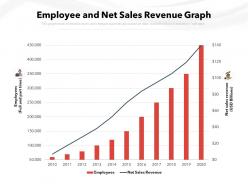
Employee and net sales revenue graph





Try Before you Buy Download Free Sample Product
 Impress Your
 Audience
 100%
100% Editable
 Save Hours
 of Time


Our Employee And Net Sales Revenue Graph are explicit and effective. They combine clarity and concise expression.
People who downloaded this PowerPoint presentation also viewed the following :
Employee and net sales revenue graph with all 2 slides:
Give your audience a fulfilling experience. They will find our Employee And Net Sales Revenue Graph elevating.
FAQs for Employee and net
Honestly? Clear expectations and decent tools make the biggest difference. Your team needs to know what they're doing and have proper equipment to do it. Work-life balance is huge too - I can't stress that enough after seeing so many people burn out. Management support matters, plus growth opportunities and feeling valued. You want people challenged but not drowning in work. Oh, and audit what's actually slowing everyone down daily - sometimes it's weirdly simple stuff that's causing the biggest headaches. The fixes might surprise you.
Dude, culture is EVERYTHING for productivity. I've watched teams completely fall apart because management was toxic - people just mentally check out, you know? But when you feel supported and the values actually match what you believe in? You'll work way harder without even realizing it. Clear communication helps tons, plus getting recognized when you do good work. Oh and psychological safety - being able to mess up without getting destroyed. Even weird little things make a difference, like whether your boss side-eyes you for taking actual lunch breaks. Honestly, happy employees just get more done.
Honestly, tech can make or break your team's productivity. Sure, good automation and project management tools will save you tons of time on boring stuff. But I swear, some workplaces just pile on app after app until everyone's drowning in notifications. Your people end up jumping between like fifteen different platforms all day - it's exhausting. What actually works? Pick the tools you genuinely need, then train people properly. I'd start by looking at what you're already using and ditching whatever isn't pulling its weight. Less really is more here.
Honestly, clear communication is a game changer - it cuts out all that annoying back-and-forth that eats up your day. Your team actually knows what they're doing and when stuff's due. People work way harder when they get the "why" behind their tasks instead of just going through the motions. I'd set up quick weekly check-ins to keep everyone on the same page. Trust me, it beats those super awkward moments where someone delivers something completely different than what you had in mind. Oh, and make sure they understand how their work fits the bigger picture - that part's huge for motivation.
Ok so first thing - deal with the noise and chaos around you. Maybe try noise-canceling headphones or those little "don't bug me" signs people use. Digital stuff is huge too though. Turn off those random notifications, block distracting websites when you need to focus, and bunch similar tasks together instead of jumping around. Open offices are honestly the worst for getting anything done. What's worked for us is blocking out solid 2-3 hour chunks where nobody schedules meetings. People can actually think without someone popping over every five minutes.
Honestly, the data on remote work is pretty crazy - productivity jumps anywhere from 13-50% compared to office work. No commute, fewer random interruptions, plus you can actually work when your brain's firing on all cylinders. That said, it's totally not for everyone. I know people who absolutely need that office buzz and in-person collaboration to get stuff done. Others go stir-crazy at home after like three days. Really comes down to knowing your team and maybe doing a hybrid thing where people can figure out what actually works for them.
Honestly, it depends on what your team actually does. I'd go with stuff like completed projects, sales numbers, or tickets closed - basically concrete results you can point to. Customer satisfaction scores and error rates are clutch for quality tracking. Time metrics can backfire though (nobody wants Big Brother vibes), but completion times for similar tasks? That actually tells you something useful. Revenue per employee works for the big picture view. Here's the thing - don't overthink it. Pick maybe 2-3 metrics that actually show good work in your situation and stick with tracking those consistently.
Honestly, it's pretty straightforward - when people actually give a damn about their job, they work harder. Engaged employees don't just clock in and zone out. They focus longer, put in real effort, and care about quality. I've watched this happen so many times it's almost boring how predictable it gets. Your disengaged folks? They'll do exactly what's required and nothing more. But engaged people will jump on problems without you even asking. Track your output numbers, sure, but also watch for who's taking initiative and collaborating well. Oh, and definitely ask your team what actually gets them excited about work.
Honestly, just focus on training people for stuff they actually use daily - that's where I've seen the biggest wins. Leadership development for managers is clutch too. Cross-training prevents those annoying bottlenecks when Sarah's sick again and nobody else knows her process lol. Mentorship programs are dirt cheap but work surprisingly well. Soft skills help, but technical upskilling hits different. Before you do anything though, just ask your team what's driving them crazy skill-wise. Build around those frustrations. Way better than guessing what they need.
Honestly, most people are just wandering around not knowing what they're supposed to be doing well. Regular feedback fixes that fast - instead of someone spinning their wheels for months, they can pivot right away. Course-correcting weekly beats those awful annual review dumps where you're like "oh, you've been doing this wrong since March." Clear expectations are huge too. I swear half the productivity problems I've seen come from people genuinely not understanding what success looks like in their job. Make it bite-sized and ongoing rather than saving up a year's worth of criticism.
Honestly, burnout is such a productivity killer. Your brain literally needs downtime to work properly - I learned this the hard way during my crazy startup days. People think those 60-hour weeks make them heroes, but the quality tanks fast. Mistakes everywhere. When your team can actually disconnect and recharge, they come back sharp instead of zombie-walking through meetings. Better decisions, less drama between coworkers. The whole "always on" thing is overrated. Just let people take real lunch breaks and stop texting them at 9pm. You'll get way more consistent results.
Yeah, recognition totally works - studies show like 10-20% productivity bumps. People just want to feel seen, you know? The trick is being specific about what they did well instead of just saying "nice work." I swear managers forget this constantly when things get crazy. Also timing matters - don't wait three weeks to mention something good happened. Even just calling out wins during team meetings helps. Honestly, it's such low-hanging fruit that most places ignore for some reason. Start small and you'll see the difference pretty quick.
Honestly, collaborative tools are a game changer for cutting through email hell. Real-time updates mean you can actually see what everyone's doing instead of guessing. File sharing becomes way less messy - no more "final_version_ACTUAL_final.docx" situations. Slack's great, Notion too, even basic Google stuff works. The trick is picking something your team won't abandon after two weeks (we've all been there). Those endless "quick sync" meetings? Yeah, most of those disappear. Just start with whatever fixes your biggest headache first, then build from there.
Oh absolutely - happy employees work way better. I read somewhere that well-being boosts productivity by like 31% and sales by 37%, which is pretty nuts. Makes total sense though. You know how you feel when you're stressed or burnt out? Your brain just doesn't work the same. Flexible schedules, mental health resources, not piling on crazy workloads - that stuff actually moves the needle. Companies that ignore this are honestly just leaving money on the table. It's not fluffy HR nonsense, it's basic math.
Honestly? Psychological safety is everything - if people are scared to mess up, they won't try anything new. Make sure everyone knows what good work actually looks like too. Skip the yearly review BS and give feedback way more often. Let them figure out HOW to do their work instead of micromanaging every step. Public recognition goes further than you'd think, and throw some real development opportunities their way. I learned this the hard way at my last job lol. Trust them but give them what they need to win. Try it with just one team first.
No Reviews