

Diapositives de présentation PowerPoint pour la promotion des employés





Try Before you Buy Download Free Sample Product
 Impress Your
 Audience
 100%
100% Editable
 Save Hours
 of Time


Surveiller et fournir des commentaires sur le graphique de performance de vos membres d'équipe à l'aide des diapositives de présentation de la promotion des employés. Vous pouvez améliorer ou rediriger les activités de vos employés en utilisant les modèles de présentation de la promotion de l'emploi. Avec l'aide d'un graphique PowerPoint de gestion de la performance, vous pouvez mesurer les compétences et les capacités de votre personnel. Utilisez le dossier de présentation PPT de progression des employés pour maintenir une feuille d'évaluation appropriée de vos subordonnés qui montre leur productivité. Utilisez les diapositives de présentation de l'évaluation de l'emploi pour atteindre les objectifs à long terme de votre organisation. Prenez l'aide de la mise en page de la présentation PowerPoint d'évaluation du personnel pour décrire les facteurs qui se cachent derrière les performances au travail de vos employés. Parlez des nombreux avantages ou avantages fournis à l'employé en utilisant ce dossier de présentation d'évaluation des employés. Vous pouvez présenter les avantages ou les avantages à votre équipe et encourager leur travail de manière régulière en téléchargeant notre thème de présentation PPT d'évaluation des employés prêt à l'emploi.
People who downloaded this PowerPoint presentation also viewed the following :
Contenu de cette présentation Powerpoint
Diapositive 1 : Cette diapositive présente la promotion des employés. Indiquez le nom de votre entreprise et commencez.
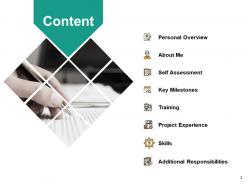
Diapositive 2 : Cette diapositive montre le contenu de la présentation.
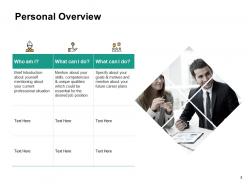
Diapositive 3 : Cette diapositive présente un aperçu personnel décrivant - Quels sont mes objectifs ? Qui suis-je ? Et que puis-je faire ?
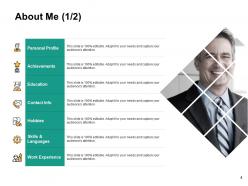
Diapositive 4 : C'est la diapositive À propos de moi incluant - Informations de contact, Profil personnel, Loisirs, Réalisations, Compétences et langues, Éducation, Expérience professionnelle.
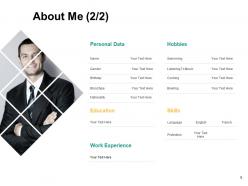
Diapositive 5 : C'est une diapositive À propos de moi optionnelle.
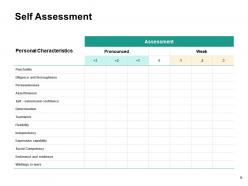
Diapositive 6 : Cette diapositive représente l'auto-évaluation sous forme de tableau incluant diverses caractéristiques personnelles.
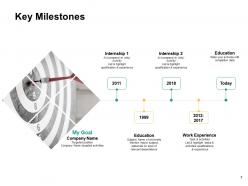
Diapositive 7 : Cette diapositive met en avant les principales étapes clés à l'aide d'une chronologie.
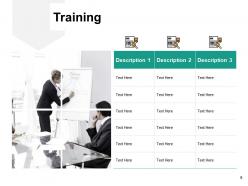
Diapositive 8 : Cette diapositive montre la formation avec des images liées.
Diapositive 9 : Cette diapositive présente l'expérience de projet. Ajoutez les données selon les besoins.
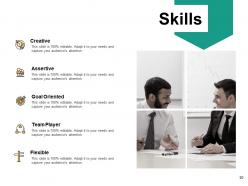
Diapositive 10 : Cette diapositive affiche les compétences telles que - Créatif, Joueur d'équipe, Affirmé, Flexible, Orienté vers les objectifs.
Diapositive 11 : Cette diapositive représente les responsabilités supplémentaires avec des images liées et des zones de texte.
Diapositive 12 : Cette diapositive présente les icônes de promotion d'emploi.
Diapositive 13 : Cette diapositive est intitulée Diapositives supplémentaires pour aller de l'avant.
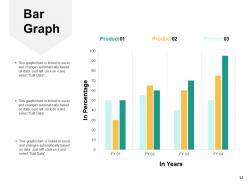
Diapositive 14 : Cette diapositive montre un graphique à barres avec une comparaison de trois produits.
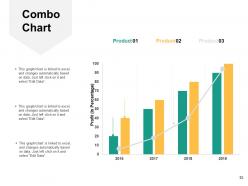
Diapositive 15 : Cette diapositive affiche un graphique combiné avec une comparaison de trois produits.
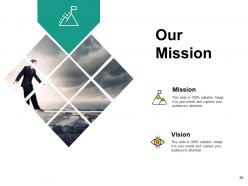
Diapositive 16 : C'est la diapositive Notre mission avec des icônes liées.
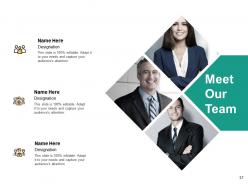
Diapositive 17 : C'est la diapositive Rencontrez notre équipe avec les noms et les désignations.
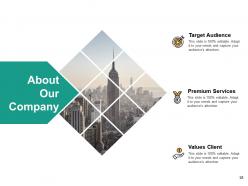
Diapositive 18 : C'est la diapositive À propos de notre entreprise pour montrer les spécifications de l'entreprise, etc.
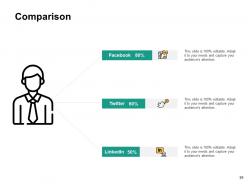
Diapositive 19 : C'est une diapositive de comparaison pour établir une comparaison entre les produits, les entités, etc.
Diapositive 20 : C'est une diapositive Puzzle avec des zones de texte pour afficher les informations.
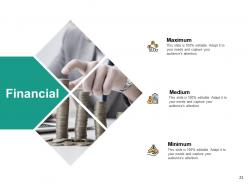
Diapositive 21 : C'est une diapositive financière. Montrez vos éléments liés aux finances ici.
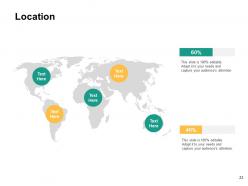
Diapositive 22 : C'est une diapositive de localisation avec des cartes pour afficher les informations liées aux différents emplacements.
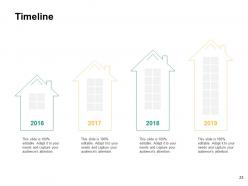
Diapositive 23 : C'est une diapositive de chronologie pour afficher les informations liées à la période.
Diapositive 24 : C'est une diapositive de génération d'idées pour énoncer une nouvelle idée ou mettre en évidence des informations, des spécifications, etc.
Diapositive 25 : C'est une diapositive de remerciements avec l'adresse, les numéros de contact et l'adresse e-mail.
Voici la présentation PowerPoint avec les 25 diapositives pour la promotion d'un employé : 1. Titre : Promotion d'employé 2. Objectifs de la présentation 3. Profil de l'employé 4. Réalisations clés 5. Compétences et qualifications 6. Contribution à l'équipe 7. Reconnaissance des pairs 8. Commentaires des gestionnaires 9. Potentiel de leadership 10. Plan de développement 11. Avantages pour l'entreprise 12. Prochaines étapes 13. Calendrier de mise en œuvre 14. Budget et ressources 15. Risques et défis 16. Mesures de réussite 17. Soutien de la direction 18. Commentaires des clients 19. Témoignages des collègues 20. Alignement avec la stratégie 21. Impact sur la culture d'entreprise 22. Opportunités futures 23. Conclusion 24. Remerciements 25. Questions et réponses
Utilisez nos diapositives de présentation PowerPoint de promotion des employés pour vous aider à gagner un temps précieux. Elles sont prêtes à s'intégrer dans n'importe quelle structure de présentation.


FAQs for Employee Promotion
You want to look at their track record first - do they crush their goals consistently? Leadership matters tons too, even without direct reports. Can they get people on board with ideas and actually make things happen? Cultural fit is honestly make-or-break. I've seen brilliant people tank because they just didn't mesh well with the team vibe. Skills need to translate to the new role obviously, since promotions usually mean different responsibilities. Oh and definitely create some kind of scoring system for each area. Keeps things fair when you're comparing candidates later.
Stop looking just at whether people hit their numbers - that's like judging a movie by its trailer. Ask about leadership stuff instead: how they'd handle team conflicts or tough decisions. Numbers are cool but they don't always mean someone can manage people, you know? Try throwing scenarios at them during reviews. "What would you do if your best performer started slacking?" Get their coworkers to weigh in too if you can swing it. Oh, and actually tell people what skills they need for promotions. Half the time employees are just guessing what you want from them.
Honestly, feedback from your coworkers is make-or-break for promotions. Managers really weigh peer reviews and 360 feedback heavily when they're deciding who moves up. It's not just about whether you're good at your job - they want to see how you communicate, help your team, deal with drama, all that stuff. Shows if you can handle more responsibility, you know? I'd say ask people for feedback regularly throughout the year instead of waiting for review time. Helps you fix issues early and proves you actually care about getting better. Plus it looks good that you're being proactive about it.
Set up clear promotion criteria beforehand - like what skills actually matter, performance benchmarks, leadership stuff. Don't let people guess what they need to do. Get diverse promotion committees and train them on bias (this part's huge honestly). Document decisions so you can explain them later. The consistency thing is where most companies screw up - no playing favorites or bending rules for Bob just because he golfs with the manager. Use structured interviews, same evaluation forms for everyone. Oh and actually tell people WHY they didn't get it. Creates way less drama down the road.
Oh man, the classic mistake? Promoting your best worker without thinking if they can actually handle managing people - totally different skills. Also don't just go by who's been there longest or who you hang out with after work (we've all seen that disaster). Take your time figuring out who actually has leadership potential. But here's what really kills me - companies promote someone then just... abandon them? Like congrats, now figure out how to be a boss! Give them training and support, otherwise you're just setting everyone up to fail.
Dude, mentorship programs are seriously worth it. You get someone who actually knows how things work and can put in a good word for you when it counts. They'll tell you what skills you're missing and help you figure out all the weird office politics stuff. Plus their connections are gold - doors open that you wouldn't even think to knock on. The visibility thing is huge too. Instead of being just another employee, you're suddenly someone the higher-ups actually know about. Oh and even if your company doesn't have a formal program, finding someone informally works just as well. Trust me on this one.
Honestly, company culture runs the whole promotion game. Merit-focused places care about your numbers and performance. But relationship-heavy companies? It's often about who you know, which sucks but whatever. Look at who got promoted lately - that tells you way more than any employee handbook. Some places post clear criteria, others keep you guessing. Collaborative cultures want team players moving up. The trick is watching what actually gets rewarded, not just what they say matters. Trust me, actions tell the real story here.
Honestly, just put everything in writing and make it super obvious. Criteria, timelines, who decides - the whole deal. I've watched companies totally botch this because people had to guess what it takes to get promoted (such a mess). Post it everywhere: onboarding docs, your intranet, bring it up during reviews. Short sentences work. Don't make your team hunt for answers about advancing their careers. First step? Look at what you're currently telling people and fix the confusing parts. Everyone should know exactly what they need to hit.
Performance against their goals is huge, obviously. But honestly? 360 reviews tell you way more than most managers realize - peers catch stuff we totally miss. Look at how they handle stretch assignments too. Are they already mentoring people or taking initiative beyond what's required? That's your answer right there. Problem-solving approach matters, and don't get stuck on just technical skills. Communication becomes everything as you move up the ladder. I'd make a simple scorecard covering all this - keeps you from playing favorites when you're comparing candidates.
Honestly, leadership training is like a fast-track to showing you're ready for bigger things. You'll pick up all that manager stuff - delegation, handling conflicts, thinking strategically. Companies love seeing you take initiative too. During promotion talks, you'll have solid examples to drop like "I learned how to coach struggling team members" or "I can run cross-department projects now." Definitely grab any programs your company offers. If they don't have anything, bug HR about sponsoring external courses. It's way better than just hoping they notice you're doing good work.
So succession planning is basically figuring out who on your team could step up into bigger roles down the road. It's super connected to promotions because you're already eyeing people who might be ready to move up. Honestly, it beats the hell out of scrambling to hire someone random when your manager quits unexpectedly. Plus your good people stay motivated when they see there's actually a path forward - not just empty promises about "growth opportunities." I'd start by thinking about 2-3 people who could potentially fill each key role. Saves you major headaches later.
Honestly, promotions are tricky - they can either pump everyone up or completely wreck the vibe. When you're transparent about the whole process, people actually feel motivated because they see a real shot at moving up. But man, if it feels like office politics or favoritism? That'll crush morale so fast. Here's what I've learned: be super clear about what you're looking for before promotion season even starts. Give feedback to everyone afterward, not just whoever got the bump. Oh, and definitely explain your reasoning - people need to know what they should focus on improving. Otherwise you'll have a bunch of confused, frustrated team members on your hands.
Honestly, you gotta make your wins super obvious - document everything. I made this mistake where I was crushing it but nobody knew, then got passed over like an idiot. Build relationships beyond just your boss too, that stuff matters more than you'd think. Ask your manager straight up what it takes to get promoted and check in regularly on how you're doing. Oh, and grab those stretch projects that let you show off new skills. The biggest thing though? Start these career convos now, not when everyone else is scrambling during promotion season. Plant that seed early.
Oh totally - market conditions mess with promotions big time. When your industry's doing well, companies promote faster because they're desperate to keep people and fill new roles. But when things get rough? Good luck getting anything besides "maybe next quarter." Skills trends are huge too. Like, suddenly everyone needs AI experience and boom - those people are getting bumped up while the rest of us are still waiting. Companies also check salary data to decide if you get promoted or just a raise (honestly kinda sneaky). I'd watch job postings in your field to see what's hot, then learn those skills. Timing matters more than we think.
So many ways to track this stuff! I'd check what you already have first - might save you some headaches. HRIS platforms like Workday or BambooHR are solid since everything lives in one place. Goals, reviews, feedback, all that. Tools like Lattice and 15Five are great for ongoing tracking too. Honestly? A good spreadsheet works fine if you're disciplined about it. Pick whatever your team will actually use though - the fanciest system is useless if people ignore it. Oh, and document those little wins throughout the year, not just during review season.
-
beautiful
-
Understandable and informative presentation.
-
Great designs, Easily Editable.
-
Great designs, Easily Editable.
-
Designs have enough space to add content.
-
Informative design.
-
Excellent work done on template design and graphics.
-
Professional and unique presentations.
-
Designs have enough space to add content.
-
Content of slide is easy to understand and edit.
-
Page:
- You're currently reading page 1
- Page 2
-
