


Modelos de Apresentação de PowerPoint de Manutenção de Engenharia




Try Before you Buy Download Free Sample Product
 Impress Your
 Audience
 100%
100% Editable
 Save Hours
 of Time


Nossos Pacotes de Modelo de Apresentação de Manutenção de Engenharia em PowerPoint (PPT) são projetados topicamente para fornecer um pano de fundo atraente para qualquer assunto. Use-os para parecer um profissional de apresentação.
People who downloaded this PowerPoint presentation also viewed the following :
Pacotes de modelos de apresentação do PowerPoint de Manutenção de Engenharia com todas as 18 slides:
Utilize nossos Pacotes de Modelos de Apresentação de Manutenção de Engenharia em PowerPoint para economizar seu tempo valioso. Eles são prontos para se encaixar em qualquer estrutura de apresentação.
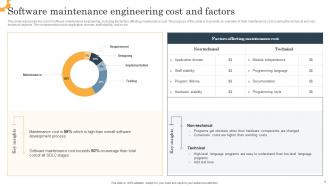
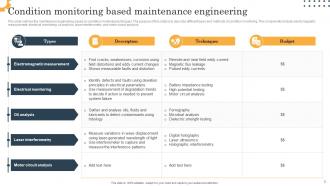
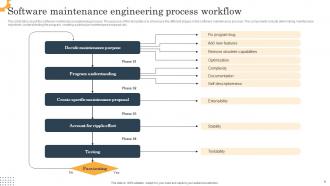
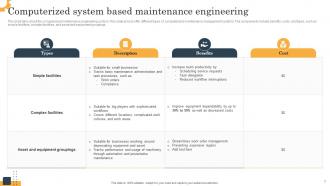
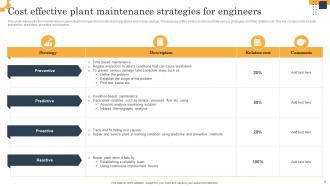
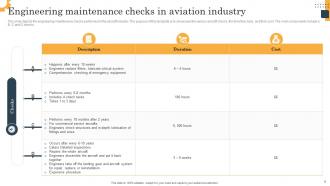






FAQs for Engineering Maintenance Powerpoint
Look, you'll want to focus on three main things: preventive maintenance, reliability-centered stuff, and condition monitoring. Fix problems before they happen instead of scrambling afterward - trust me, your future self will thank you. Map out your most critical equipment first and figure out how it typically fails. Data is your friend for predicting when things go south. Document everything because someone else will probably take over eventually. Safety protocols aren't optional even when deadlines are breathing down your neck (learned that one the hard way). Build from there.
So preventive maintenance is like changing your oil every 3 months whether it needs it or not. Predictive is way smarter - it uses sensors and data to actually tell you when stuff's going bad. With preventive, you're kinda just throwing parts at things that might still be fine. Predictive watches for vibration changes, heat patterns, all that tech stuff. You only fix things when they're actually showing signs of wear. Think "just in case" vs "just in time." Honestly, predictive saves you so much money once you get it dialed in. Start with your most expensive equipment and see what monitoring gear fits your budget.
Tech has completely changed maintenance - we're talking IoT sensors that predict failures, AR for repairs, automated tracking systems. Gone are the days of paper checklists and guessing when stuff might break. Machine learning spots failure patterns way better than humans ever could, which is honestly pretty wild when you think about it. The biggest shift? Moving from "fix when broken" to "fix before it breaks." That's huge for avoiding costly downtime. My advice? Start with your most critical equipment and get sensors on those first. You'll see the difference immediately.
Honestly, data analytics is a game-changer for maintenance stuff. Instead of guessing when things break, you can actually predict it by watching vibration patterns, temps, and how machines perform. Catches problems before they turn into those nightmare expensive breakdowns. Your maintenance schedule becomes way smarter too - no more pointless inspections on equipment that's running fine. I'd start simple though, just pick one important machine and track its key metrics. You'll start seeing patterns pretty quick. It's kind of wild how much you can learn from the data once you actually look at it.
Dude, the worst part is constantly putting out fires instead of preventing them. Equipment breaks down, you're scrambling for parts that take forever to ship, and good luck finding techs who actually know what they're doing. Budget's always tight but somehow there's never money for the preventive stuff that'd actually save you cash later - makes no sense, right? Plus everyone wants you to magically upgrade to fancy IoT systems overnight. Honestly? Just start writing everything down better. Sounds boring but trust me, and really fight for that maintenance schedule. Your future self will thank you when you're not working weekends fixing the same broken crap over and over.
Honestly, you've gotta get your maintenance crew involved in writing the safety rules - they're the ones who actually know what's dangerous out there. Regular meetings help, but only if people can talk about close calls without getting thrown under the bus. I've watched places where reporting issues just gets you blamed, which is so stupid. When someone stops work for safety reasons? Make a big deal about it, even if schedules get pushed. Give your team real power to say no to unsafe tasks and actually have their backs. Oh, and track safety wins just like you do production numbers.
Honestly, mix hands-on stuff with actual structured learning - don't just throw people at equipment and hope for the best. Get manufacturer training first, then pair newbies with your best techs. Online modules are fine for theory but let's be real, everyone's scrolling their phone halfway through. Simulation training is where it gets interesting though. Cross-train people on different systems too - makes everyone more valuable. Track their progress and connect it to certs they can actually use. Aim for like 70% practical work, 30% classroom time. Just make sure everything connects to what they'll actually face on the job.
Look, good asset management completely changes how you approach maintenance scheduling. Instead of just fixing stuff when it breaks, you can actually predict problems before they happen. Once you know which equipment is critical and what condition everything's in, prioritizing becomes so much easier. Your budget goes toward the right places - like that aging compressor that runs your whole production line. Honestly, just sorting your assets by how critical they are makes a huge difference. Most people skip this step but it's where you should start. The predictive stuff comes later once you've got the basics down.
Yeah, environmental stuff is massive in maintenance - waste disposal, chemical handling, energy efficiency, all of it. The EPA will absolutely crush you for violations, so proper disposal of oils and coolants isn't optional. Noise pollution matters too, especially if you're near neighborhoods. I'd start with an audit of your current setup to find the worst offenders first. Preventive maintenance cuts down waste and makes equipment last longer. Use eco-friendly lubricants when you can. Honestly, most facilities already have compliance procedures - just actually follow them and you'll be fine.
Honestly, the easiest way is just comparing what you spend on maintenance against what disasters you're avoiding. Add up everything - labor, parts, downtime costs, all that stuff. Then look at what you're getting back: fewer emergency breakdowns, equipment lasting longer, less production chaos. The math gets weird pretty fast, but start with your biggest equipment first. I've heard that preventive maintenance usually saves you like $3-5 for every dollar you spend - which sounds about right from what I've seen. Pick one critical machine and track it for maybe 6 months. That'll give you actual numbers to work with instead of just guessing.
Honestly, IoT sensors paired with AI are probably the biggest shift happening - your machines basically text you before they die. Digital twins let you mess around with maintenance scenarios without touching real equipment, which is pretty neat. AR overlays are making techs way faster by showing repair steps right on the gear. You can monitor stuff remotely now too, so no more driving out just to check readings. Oh, and everyone's going greener with their maintenance approaches. Start with basic sensors on whatever equipment you can't afford to lose - you'll get hooked on the data once you see it working.
Look, more people looking at problems = better solutions, right? Get operations, engineering, and procurement talking to your maintenance crew. They'll spot stuff you miss and actually know which breakdowns will kill production vs just annoy people. I swear the best fixes come from random operator chats - they notice the weirdest patterns that end up being huge clues. Production impact should drive your priorities, not whatever machine screams loudest. Try weekly check-ins with other departments. Nothing fancy, just "hey what's breaking and what's working weird?" Those conversations pay off.
Dude, documentation saves your butt in so many ways. When equipment breaks at 2 AM (and trust me, it will), you'll actually know what happened last time instead of panicking. Track everything - repairs, patterns, compliance stuff for audits. Management loves seeing solid records when you need budget approval too. I learned this the hard way after spending hours trying to remember what I'd done to fix something similar months earlier. Even write down the small stuff that seems obvious now. Your future self will definitely thank you, especially during those middle-of-the-night emergency calls.
Honestly, prevention beats scrambling to fix broken stuff every time - saves you so much money. Track your maintenance costs against how reliable your equipment actually is, then start shifting that budget toward preventing problems instead of emergency repairs. Use data to figure out what really needs attention vs what can wait. Risk-based maintenance is smart because you're not doing busy work but you'll still catch the big issues before they explode. Companies that cheap out on this always end up paying way more later when everything breaks at once, trust me.
Look, standards like ISO 55000 are basically your cheat sheet for maintenance - they've got proven frameworks so you don't have to figure everything out from scratch. Really handy for safety protocols and documentation too. If you're in aviation or pharma, you literally can't ignore these regulations without risking shutdowns. They're also great for seeing how your maintenance stacks up against what everyone else is doing globally. Honestly, I'd start by figuring out which standards actually matter for your industry, then build your program around those. Way easier than winging it.
-
Definitely a time saver! Predesigned and easy-to-use templates just helped me put together an amazing presentation.
-
SlideTeam is my go-to resource for professional PPT templates. They have an exhaustive library, giving you the option to download the best slide!