


Ppt-Vorlagen für die Verwaltungszusammenfassung des Unternehmensschemas Powerpoint-Präsentationsfolien




Try Before you Buy Download Free Sample Product
 Impress Your
Audience
 100%
Editable
 Save Hours
of Time


Unsere Ppt-Vorlagen für die Verwaltungszusammenfassung des Unternehmensschemas Powerpoint-Präsentationsfolien wurden thematisch gestaltet, um einen attraktiven Hintergrund für jedes Thema zu bieten. Verwenden Sie sie, um wie ein Präsentationsprofi auszusehen.
People who downloaded this PowerPoint presentation also viewed the following :
Inhalt dieser Powerpoint-Präsentation
Folie 1 : Diese Folie stellt Ppt-Vorlagen für die Verwaltungszusammenfassung des Unternehmensschemas vor. Geben Sie Ihren Firmennamen ein und beginnen Sie.
Folie 2 : Dies ist eine Agenda-Folie. Geben Sie hier Ihre Agenden an.
Folie 3 : Diese Folie zeigt die Vision des Unternehmens.
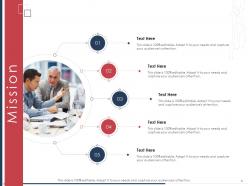
Folie 4 : Dies ist die Folie „Unsere Mission“ mit den dazugehörigen Bildern und Texten.
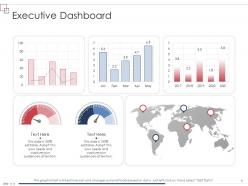
Folie 5 : Diese Folie präsentiert das Executive Dashboard.
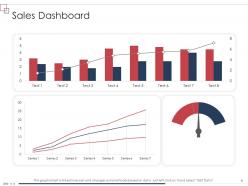
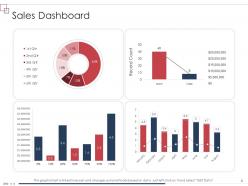
Folie 6 : Diese Folie zeigt das Vertriebs-Dashboard mit zusätzlichen Textfeldern.
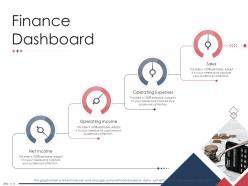
Folie 7 : Diese Folie zeigt das Finanz-Dashboard mit Beschreibungen von Betriebseinkommen, Betriebsausgaben, Nettoeinkommen usw.
Folie 8 : Diese Folie repräsentiert das Vertriebs-Dashboard.
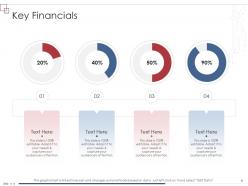
Folie 9 : Diese Folie zeigt die wichtigsten Finanzkennzahlen.
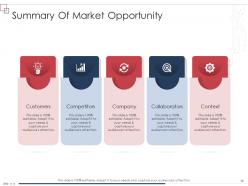
Folie 10 : Diese Folie enthält eine Zusammenfassung der Marktchancen.
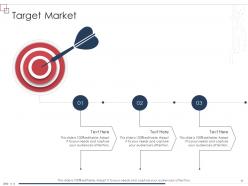
Folie 11 : Diese Folie zeigt den Zielmarkt.
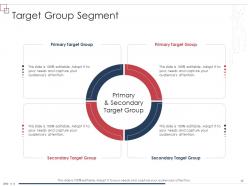
Folie 12 : Diese Folie zeigt das Zielgruppensegment an.
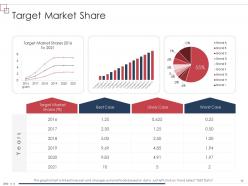
Folie 13 : Diese Folie repräsentiert den Zielmarktanteil.
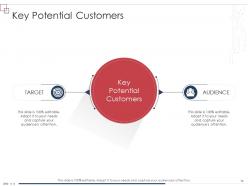
Folie 14 : Diese Folie zeigt die wichtigsten potenziellen Kunden.
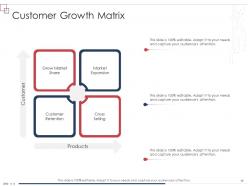
Folie 15 : Diese Folie stellt eine Kundenwachstumsmatrix dar, die beschreibt, wie Marktanteile wachsen, Marktexpansion, Kundenbindung usw.
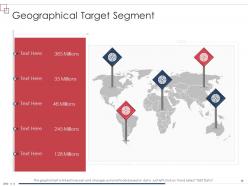
Folie 16 : Diese Folie zeigt das geografische Zielsegment.
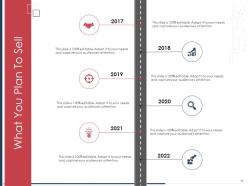
Folie 17 : Diese Folie zeigt an, was Sie verkaufen möchten.
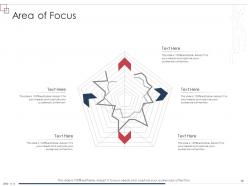
Folie 18 : Diese Folie repräsentiert den Fokusbereich.
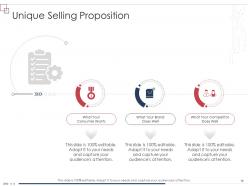
Folie 19 : Diese Folie zeigt ein einzigartiges Verkaufsargument, in dem beschrieben wird, was Ihr Wettbewerber gut macht Was Ihre Marke gut macht, was Ihr Verbraucher will usw.
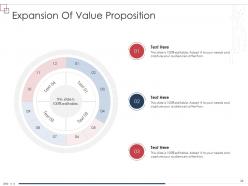
Folie 20 : Diese Folie zeigt die Erweiterung des Wertversprechens.
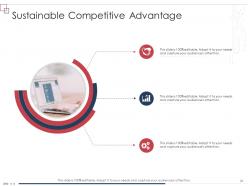
Folie 21 : Diese Folie zeigt den nachhaltigen Wettbewerbsvorteil.
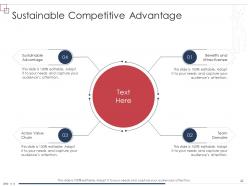
Folie 22 : Diese Folie zeigt nachhaltige Wettbewerbsvorteile, die den nachhaltigen Vorteil, die Wertschöpfungskette, Vorteile und Attraktivität usw. beschreiben.
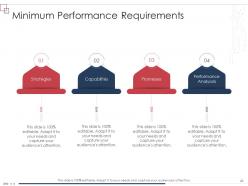
Folie 23 : Diese Folie stellt Mindestleistungsanforderungen, Fähigkeiten, Versprechen, Leistungsanalysen usw. dar.
Folie 24 : Diese Folie zeigt das Inhaltsverzeichnis der Präsentation.
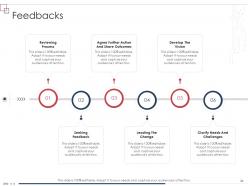
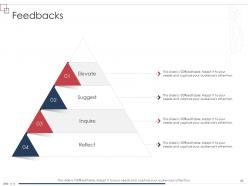
Folie 25 : Diese Folie präsentiert Feedbacks mit entsprechenden Symbolen und Text.
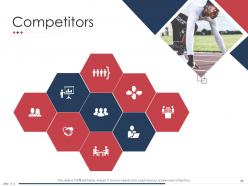
Folie 26 : Diese Folie zeigt Wettbewerber mit verwandten Bildern.
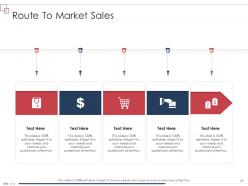
Folie 27 : Diese Folie zeigt „Route to Market“-Verkäufe an.
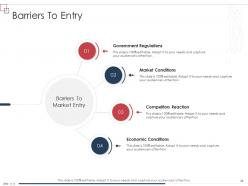
Folie 28 : Diese Folie stellt Eintrittsbarrieren dar, die – staatliche Vorschriften, Marktbedingungen, wirtschaftliche Bedingungen usw.
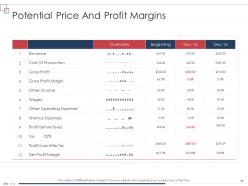
Folie 29 : Diese Folie zeigt potenzielle Preis- und Gewinnspannen.
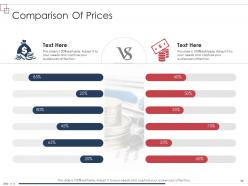
Folie 30 : Diese Folie zeigt den Preisvergleich.
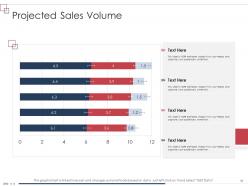
Folie 31 : Diese Folie zeigt das prognostizierte Verkaufsvolumen.
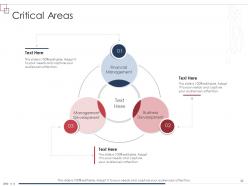
Folie 32 : Diese Folie zeigt kritische Bereiche zur Beschreibung von Finanzmanagement, Geschäftsentwicklung, Managemententwicklung usw.
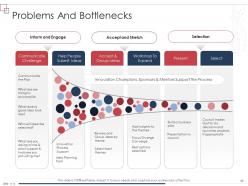
Folie 33 : Diese Folie stellt Probleme und Engpässe dar.
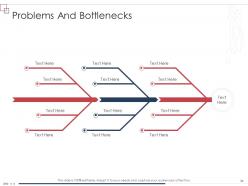
Folie 34 : Diese Folie zeigt Probleme und Engpässe.
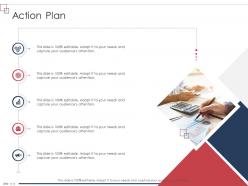
Folie 35 : Diese Folie präsentiert den Aktionsplan mit den dazugehörigen Bildern.
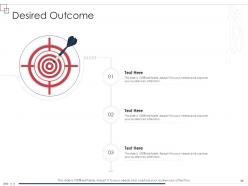
Folie 36 : Diese Folie zeigt das gewünschte Ergebnis mit zugehörigen Symbolen und Text.
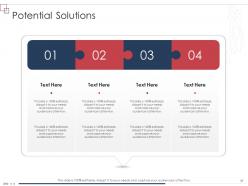
Folie 37 : Diese Folie zeigt mögliche Lösungen.
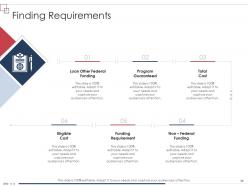
Folie 38 : Diese Folie stellt die Finding-Anforderungen dar, die – Programm garantiert, Darlehen Sonstige Bundesmittel, Nicht-Bundesmittel usw.
Folie 39 : Diese Folie zeigt Symbole für Ppt-Vorlagen für die administrative Synopse des Unternehmensschemas.
Folie 40 : Diese Folie trägt den Titel „Zusätzliche Folien“, um vorwärts zu gehen.
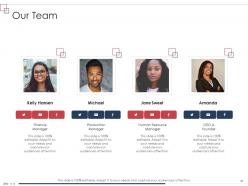
Folie 41 : Dies ist die Folie unseres Teams mit Namen und Bezeichnung.
Folie 42 : Dies ist eine Über uns-Folie, um Firmenspezifikationen usw. zu zeigen.
Folie 43 : Dies ist die Folie „Unser Ziel“. Geben Sie hier die Ziele Ihres Unternehmens an.
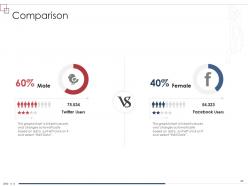
Folie 44 : Dies ist eine Vergleichsfolie zum Vergleich zwischen Waren, Einheiten usw.
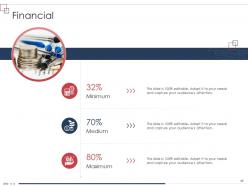
Folie 45 : Dies ist eine Finanzfolie. Zeigen Sie hier Ihre Finanzinformationen.
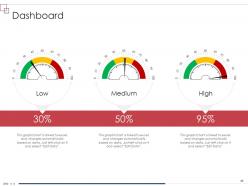
Folie 46 : Diese Folie zeigt das Dashboard mit zusätzlichen Textfeldern zum Anzeigen von Informationen.
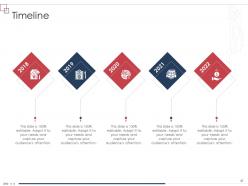
Folie 47 : Dies ist eine Timeline-Folie. Zeigen Sie hier Daten zu Zeitintervallen an.
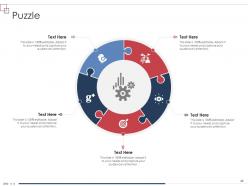
Folie 48 : Diese Folie stellt Puzzle mit zugehörigen Symbolen und Text dar.
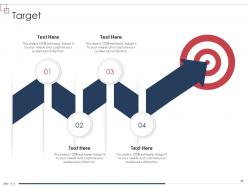
Folie 49 : Dies ist unsere Zielfolie. Geben Sie hier Ihre Ziele an.
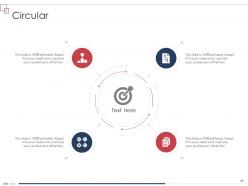
Folie 50 : Diese Folie zeigt Rundschreiben mit zusätzlichen Textfeldern.
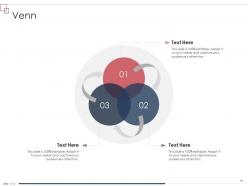
Folie 51 : Diese Folie präsentiert das Venn-Diagramm mit Textfeldern.
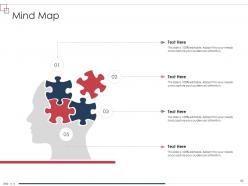
Folie 52 : Diese Folie zeigt Mind Map mit zugehörigen Symbolen und Text an.
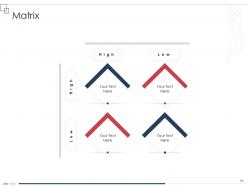
Folie 53 : Diese Folie zeigt Matrix mit Daten in Prozent an.
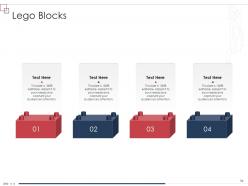
Folie 54 : Diese Folie zeigt Lego-Blöcke mit dazugehörigen Bildern.
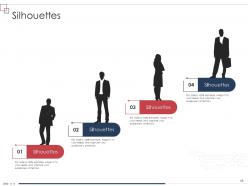
Folie 55 : Diese Folie zeigt Silhouetten mit Textfeldern.
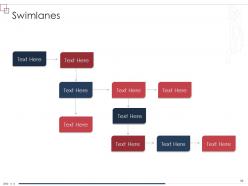
Folie 56 : Diese Folie zeigt Swimlanes mit zugehörigen Symbolen und Text.
Folie 57 : Dies ist eine Folie zur Ideengenerierung, um eine neue Idee vorzustellen oder Informationen, Spezifikationen usw. hervorzuheben.
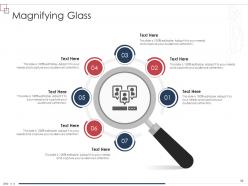
Folie 58 : Diese Folie stellt eine Lupe dar, um Informationen, Spezifikationen usw. hervorzuheben
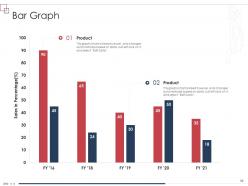
Folie 59 : Diese Folie zeigt ein Balkendiagramm mit zwei Produktvergleichen an.
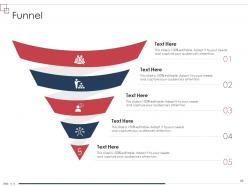
Folie 60 : Diese Folie präsentiert Funnel mit zusätzlichen Textfeldern.
Folie 61 : Dies ist eine Dankesfolie mit Adresse, Kontaktnummern und E-Mail-Adresse.
Enterprise Scheme Administrative Synopsis Ppt-Vorlagen Powerpoint-Präsentationsfolien mit allen 61 Folien:
Verwenden Sie unsere PowerPoint-Präsentationsfolien für Enterprise Scheme Administrative Synopsis Ppt-Vorlagen, um Ihre wertvolle Zeit effektiv zu sparen. Sie sind vorgefertigt, um in jede Präsentationsstruktur zu passen.


FAQs for Enterprise scheme administrative synopsis ppt templates
Honestly, start small with a pilot program - don't try to do everything at once. You need clear goals and make sure leadership actually cares (not just says they do). Get your resources sorted and figure out how you'll measure success. Communication is huge, but here's the thing - most people skip the regular check-ins because they're "too busy" and that's where everything falls apart. Oh, and definitely have backup plans ready. Things will go wrong, trust me. Once you've tested what works in the pilot, then you can roll it out everywhere else.
Map out your enterprise scheme first - actually write down how each piece connects to your goals. Don't just wing it. Get department heads on board early or they'll torpedo the whole thing later. I've watched this happen so many times it's ridiculous. Run a pilot if you can swing it. Build in checkpoints to track progress and pivot when stuff isn't working. Here's the thing though - your teams need to know what's in it for them personally. The "big picture company benefit" speech doesn't motivate anyone. Keep explaining the why constantly.
Honestly, the worst part is always people fighting the changes. Like, they'll literally pretend the new system doesn't exist for months - it's wild. Training usually sucks too, and leadership does a terrible job explaining why anything matters. Your tech setup probably won't handle it smoothly either. Plus you're stuck trying to teach everyone while still getting actual work done, which is basically impossible. Find your office champions first though - those people who actually get excited about new stuff. They'll save your sanity when everything goes sideways. Oh, and have some kind of plan ready because it will get messy.
So it really depends on what industry you're dealing with. Finance companies are obsessed with compliance stuff and making sure there's a paper trail for everything. Manufacturing? They care way more about connecting their supply chains and production systems. Tech companies honestly drive me crazy sometimes - they want everything super flexible with tons of APIs, and they need it to scale like yesterday. Healthcare is all about locking down data because of patient privacy rules. Oh, and definitely ask about their regulatory requirements right off the bat. Each industry has deal-breakers you need to know about.
Dude, you absolutely need solid tech for any enterprise program these days. Project management platforms are a must - plus communication tools like Slack or Teams. CRM systems help track your partnerships and progress too. Spreadsheets? Those days are dead (finally!). Cloud stuff makes collaborating with mentors and investors way smoother. Here's the thing though - don't just chase shiny new tools because they're trendy. Pick what actually fixes your problems. Oh, and maybe grab coffee before diving into all the setup because it's kind of a lot. Start basic, then add more as you grow.
Honestly, feedback loops should be baked in from the start. Launch surveys and focus groups during planning - find out what people actually want instead of guessing. Monthly pulse checks work great during rollout too. I can't tell you how many schemes I've watched crash because executives thought they had all the answers! Make feedback feel real, not like some corporate theater. Actually show people how their suggestions changed things. Oh, and rotating feedback committees are clutch - keeps perspectives fresh. The whole thing falls apart if employees think you're just going through the motions.
Track the money stuff first - revenue growth, how much you're spending to get customers, profit margins. But don't stop there. User adoption and retention rates matter just as much, plus employee satisfaction if you've got a team involved. I learned this the hard way watching a "perfect" strategy tank because nobody actually wanted to use it. Monthly dashboards work best, but keep it to like 3-5 metrics max or you'll go crazy trying to analyze everything. Pick whatever connects directly to what you're trying to achieve and review regularly.
Honestly, employee ownership schemes can totally flip your workplace vibe. People start caring way more when they actually benefit from the company doing well - like, they think more like owners instead of just clocking in and out. The trick is being super clear about how it all works and making the rewards actually worthwhile. You definitely want folks to see how their daily work connects to bigger company wins. Oh, and don't go all-in right away - maybe try it with just one team first? That way you can work out any kinks before everyone's involved. It's pretty amazing to see that mental shift happen though.
Honestly, quarterly check-ins work pretty well for most companies. Get feedback from everyone involved and actually do something with it - don't just file those reports away forever. Track your key numbers consistently. The tricky part is creating an environment where people aren't scared to speak up, even when they're basically saying "hey, this isn't working." Document everything that bombs or succeeds, then spread those lessons around. I've seen too many teams only think about this stuff during their yearly planning marathons. Make it routine instead.
Don't try to add risk stuff after you've already built everything - trust me, it never works well. Map your risks to what actually matters for your business and keep those registers updated. I've watched so many projects crash because someone made a nice risk list once, then stuck it in a drawer. Build in regular reviews at every milestone, and make sure people know who to call when shit hits the fan. Honestly, the hardest part is making it feel natural instead of like busy work. Pick your 5 biggest risks first and have someone check on them weekly.
You've got three big things to nail down: employment law stuff, taxes, and securities rules if you're doing equity. Employment law gets tricky - vesting schedules, what happens when people quit, all that jazz. Honestly, the tax side is probably where most people screw up because it hits both your company and employees. Get your tax people involved early, trust me on this one. Securities regulations are a whole other beast if there's equity involved - you might need filings and everything. Here's what I'd do: figure out your local rules first, then build your plan around those. Way easier than trying to fix compliance issues later.
Honestly, getting departments to actually work together is a game-changer for big projects. You stop wasting time on duplicate work when teams talk to each other. Finance spots risks IT doesn't see, sales knows what customers really want - that kind of thing. I'd start with the departments that absolutely need each other and get them meeting regularly. Once people understand how their work connects to everyone else's, problems get caught way earlier. Makes such a difference when everyone's not just working in their own bubble, you know?
Honestly? It's all over the map depending on how big your company is. You're looking at $50K minimum but could hit millions if you're massive. Implementation fees are just the start - then there's licensing, consultants, training your people. Oh and your team's gonna be useless for a while during the switch, which nobody budgets for but should. Integration with your existing stuff gets pricey fast too. Get quotes from a few vendors first. Whatever number they give you, tack on at least 20-30% more because they always lowball the real costs.
Honestly, get your processes documented first - like seriously documented, not just scattered notes. Build a solid playbook with workflows and metrics before you even think about expanding. Test it with just one new team initially because there's always weird stuff that comes up. Each location needs someone who actually cares about making this work, someone who can tweak things for local quirks while keeping the main structure intact. Regular check-ins between sites help tons - people love sharing what's actually working versus what looks good on paper. Don't go too rigid though, flexibility matters.
Honestly, you're gonna want to hit both the technical stuff and the people skills. Get them solid on processes, tools, and compliance first - that's just table stakes. But here's the thing - they're basically becoming mini-entrepreneurs, which is scary for most people. Leadership training and change management workshops help a ton. Communication skills too. Don't dump it all at once though, phase it out. Set up mentoring and regular check-ins so they don't feel lost. Business planning resources are clutch. The mindset shift is probably harder than learning the actual operational stuff, tbh.
-
Informative presentations that are easily editable.
-
Excellent products for quick understanding.
-
Easily Understandable slides.
-
Really like the color and design of the presentation.
-
Easily Editable.
-
Designs have enough space to add content.
-
Excellent products for quick understanding.
-
Illustrative design with editable content. Exceptional value for money. Highly pleased with the product.
-
Informative design.
-
Innovative and Colorful designs.
-
Page:
- You're currently reading page 1
- Page 2
-
