

Expense management powerpoint presentation slides




Try Before you Buy Download Free Sample Product
 Impress Your
 Audience
 100%
100% Editable
 Save Hours
 of Time


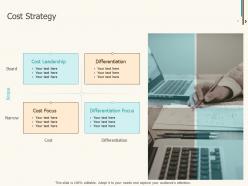
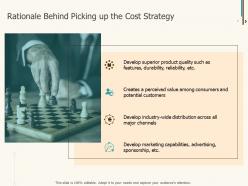
Reveal the cost strategy of your organization using these Expense Management PowerPoint Presentation Slides PPT. Illustrate the four constituents of cost management namely cost accounting, cost planning, cost analysis, and cost controlling. Showcase the components of cost strategy like cost leadership, differentiation, cost focus, and differentiation focus using the budgeting process PPT templates. Take the assistance of expenditure analysis PowerPoint slides to explain the customer-product-profitability analysis. Demonstrate the components of planning and decision making like strategic investment decisions, budgeting, financial planning, etc. Take advantage of the business expenditure PowerPoint complete deck to showcase the rationale behind cost strategy like superior product development, industry-wide distribution, etc. Unveil the variations between the master budget and the actual budget and forecast expenditure using these budgeting plan PPT layouts. Implement strategic cost management techniques for understanding customers’ needs and optimizing strategy using this business expenditure management PowerPoint deck. Download this cost management PPT slideshow to achieve the financial objectives of your organization.
People who downloaded this PowerPoint presentation also viewed the following :
Content of this Powerpoint Presentation
Slide 1: This slide introduces Expense Management. State your company name and begin.
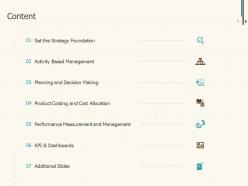
Slide 2: This slide displays the Content of the presentation.
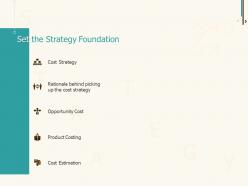
Slide 3: This slide describes to Set the Strategy Foundation containing- Cost Strategy, Rationale behind picking up the cost strategy, Opportunity Cost, Product Costing, Cost Estimation.
Slide 4: This slide displays Cost Strategy with- Differentiation, Differentiation Focus, Cost, Focus, Cost Leadership, Board, Narrow, Differentiation, Cost, Scope.
Slide 5: This slide depicts Rationale Behind Picking up the Cost Strategy.
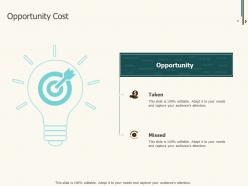
Slide 6: This slide represents the Opportunity Cost.
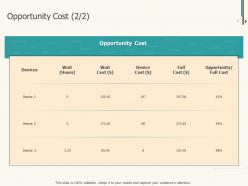
Slide 7: This slide describes Opportunity Cost.
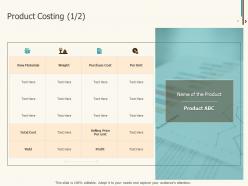
Slide 8: This slide represents Product Costing.
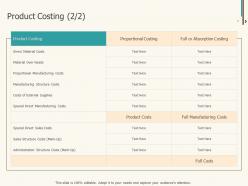
Slide 9: This slide also represents Product Costing.
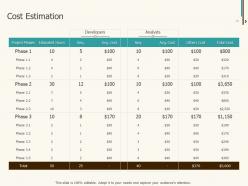
Slide 10: This slide displays the Cost Estimation.
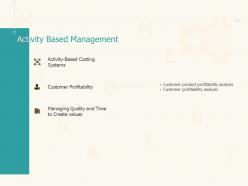
Slide 11: This slide depicts Activity Based Management with- Activity-Based Costing Systems, Managing Quality and Time to Create values, Customer Profitability, Customer-product profitability analysis, Customer profitability analysis.
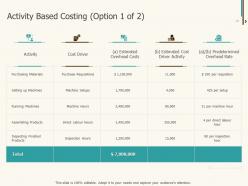
Slide 12: This slide displays Activity Based Costing.
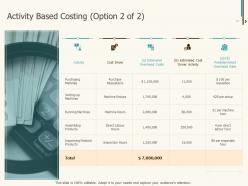
Slide 13: This slide displays Activity Based Costing.
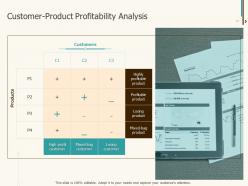
Slide 14: This slide showcases Customer-Product Profitability Analysis.
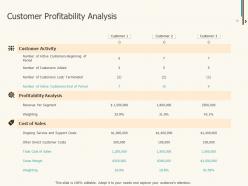
Slide 15: This slide depicts Customer Profitability Analysis.
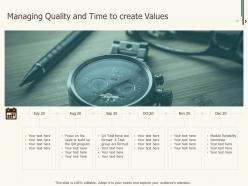
Slide 16: This slide displays Managing Quality and Time to create Values.
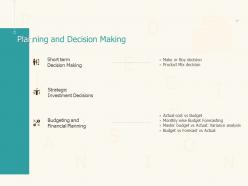
Slide 17: This slide depicts Short term Decision Making with- Strategic, Investment Decisions, Budgeting and Financial Planning, Actual cost vs Budget, Monthly wise Budget Forecasting.
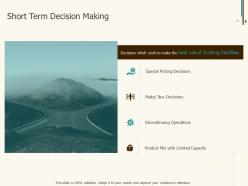
Slide 18: This slide describes Short Term Decision Making.
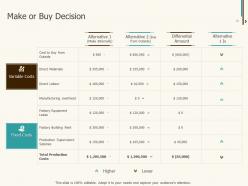
Slide 19: This slide describes Make or Buy Decision.
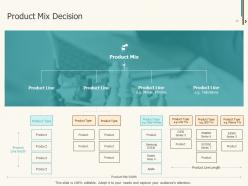
Slide 20: This slide showcases Product Mix Decision.
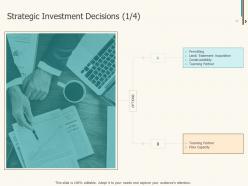
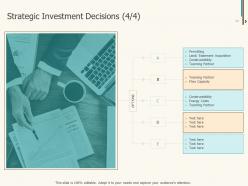
Slide 21: This slide showcases Strategic Investment Decisions.
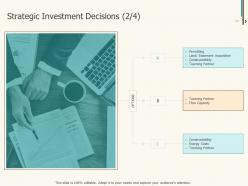
Slide 22: This slide showcases Strategic Investment Decisions.
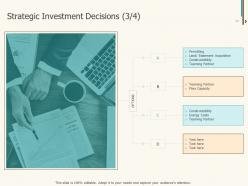
Slide 23: This slide also describes Strategic Investment Decisions.
Slide 24: This slide depicts Strategic Investment Decisions.
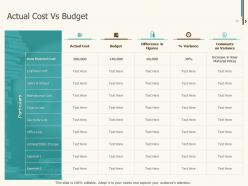
Slide 25: This slide displays Actual Cost Vs Budget.
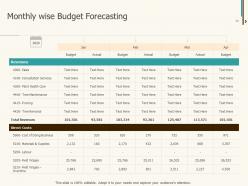
Slide 26: This slide describes Monthly wise Budget Forecasting.
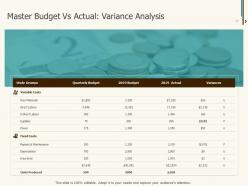
Slide 27: This slide depicts Master Budget Vs Actual: Variance Analysis.
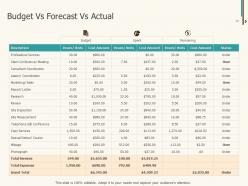
Slide 28: This slide showcases Budget Vs Forecast Vs Actual.
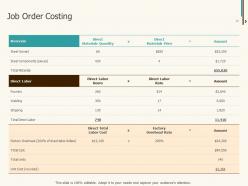
Slide 30: This slide showcases Job Order Costing.
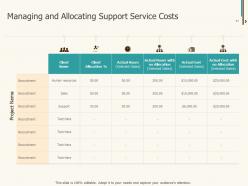
Slide 31: This slide describes Managing and Allocating Support Service Costs.
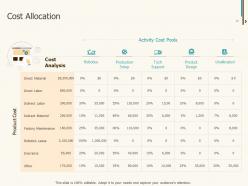
Slide 32: This slide depicts Cost Allocation.
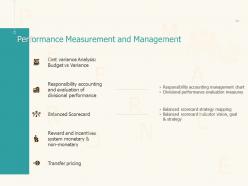
Slide 33: This slide depicts Performance Measurement and Management with- Cost variance Analysis: Budget vs Variance, Transfer pricing, Responsibility accounting and evaluation of divisional performance, Balanced Scorecard, Reward and incentives system monetary & non-monetary.
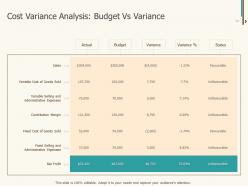
Slide 34: This slide displays Cost Variance Analysis: Budget Vs Variance.
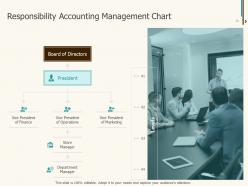
Slide 35: This slide showcases Responsibility Accounting Management Chart.
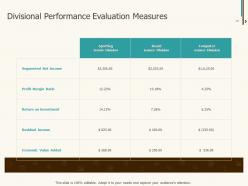
Slide 36: This slide showcases Divisional Performance Evaluation Measures.
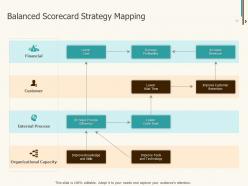
Slide 37: This slide presents Balanced Scorecard Strategy Mapping.
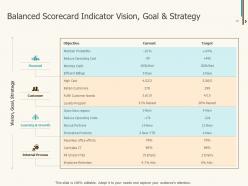
Slide 38: This slide represents Balanced Scorecard Indicator Vision, Goal & Strategy.
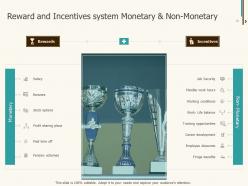
Slide 39: This slide showcases Reward and Incentives system Monetary & Non-Monetary.
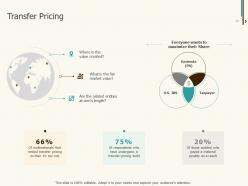
Slide 40: This slide showcases Transfer Pricing.
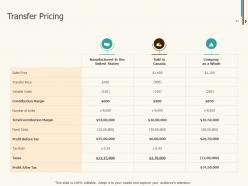
Slide 41: This slide also describes Transfer Pricing.
Slide 42: This slide showcases KPI & Dashboards.
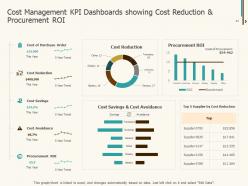
Slide 43: This slide displays Cost Management KPI Dashboards showing Cost Reduction & Procurement ROI.
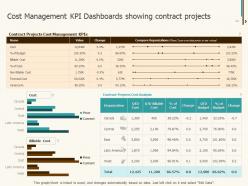
Slide 44: This slide displays Cost Management KPI Dashboards showing contract projects.
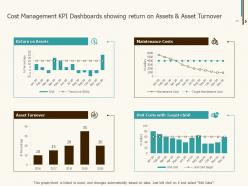
Slide 45: This slide showcases Cost Management KPI Dashboards showing return on Assets & Asset Turnover.
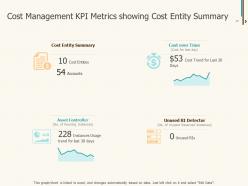
Slide 46: This slide represents Cost Management KPI Metrics showing Cost Entity Summary.
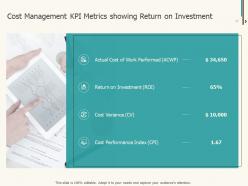
Slide 47: This slide showcases Cost Management KPI Metrics showing Return on Investment with- Actual Cost of Work Performed (ACWP), Return on Investment (ROI), Cost Performance Index (CPI), Cost Variance (CV).
Slide 48: This slide is titled as Additional Slides for moving forward.
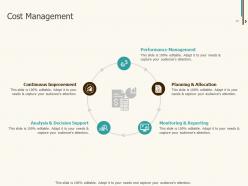
Slide 49: This slide depicts Cost Management with- Continuous Improvement, Performance Management, Planning & Allocation, Monitoring & Reporting, Analysis & Decision Support.
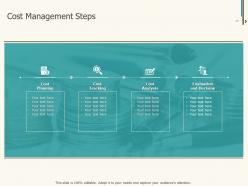
Slide 50: This slide displays Cost Management Steps such as- Cost Planning, Evaluation and Decision, Cost Analysis, Cost Tracking.
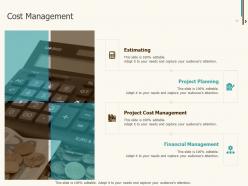
Slide 51: This slide depicts Cost Management with- Estimating, Project Planning, Project Cost Control, Financial Management.
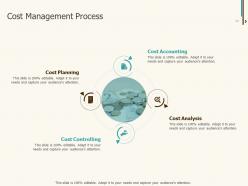
Slide 52: This slide showcases Cost Management Process.
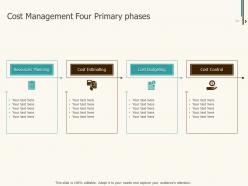
Slide 53: This slide presents Cost Management Four Primary Phases describing- Resource Planning, Cost Estimating, Cost Budgeting, Cost Control.
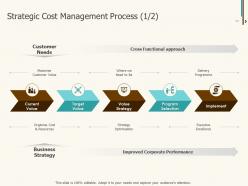
Slide 54: This slide displays Strategic Cost Management Process with- Cross Functional Approach, Improved Corporate Performance, Current Value, Target Value, Value Strategy, Program Selection, Implement, Delivery Programme.
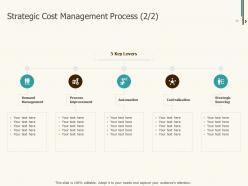
Slide 55: This slide describes Strategic Cost Management Process with- Demand Management, Process Improvement, Centralization, Automation, Strategic Sourcing, Key Levers.
Slide 56: This is Expense Management Icons Slide.
Slide 57: This is Our Mission slide with related imagery.
Slide 58: This is Our Team slide with related imagery.
Slide 59: This is About Us slide with company specifications.
Slide 60: This is Our Goal slide. State your company goals.
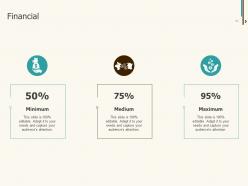
Slide 61: This is Financial slide. Showcase your finance related stuff here.
Slide 62: This is Venn slide.
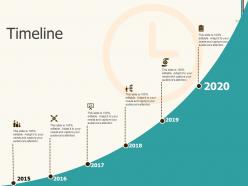
Slide 63: This is six years Timeline slide.
Slide 64: This slide is titled as Post it. Post your important notes here.
Slide 65: This is Quotes slide to convey message, beliefs etc.
Slide 66: This is Thank You slide with address, email address and contact number.
Expense management powerpoint presentation slides with all 66 slides:
Gain entry to elite groups with our Expense Management Powerpoint Presentation Slides. The favored few will gladly accept you.




FAQs for Expense management
Honestly, just pick something and stick with it - that's the hardest part. I use Mint but YNAB works great too, or even a basic spreadsheet if you're not into apps. Log stuff right when you buy it, don't wait! I always forget that random Starbucks run otherwise. Take pics of receipts immediately and try to categorize things the same way each time. The bank syncing feature is clutch for catching things you miss. Maybe start by just tracking for a week? You'll probably be shocked at where your money actually goes. Then build habits from there.
Honestly, just get everyone using one good expense app - the kind where you snap a photo and it automatically sorts everything. Game changer. Most of them sync straight to your accounting software too, which cuts out so much tedious data entry (trust me on this one). Corporate cards work great if you've got people traveling a lot - no more waiting for reimbursements. Oh, and definitely set clear rules about what you'll pay for upfront. Otherwise people get weird about submitting stuff. Pick one tool, train everyone properly, and you'll wonder why you didn't do it sooner.
Honestly, tech has completely changed expense management - it's wild how much easier it is now. Your phone can scan receipts and pull out all the vendor/amount info automatically. The OCR accuracy is actually pretty crazy good these days. Real-time spending alerts are clutch too, catching policy violations before you even submit. Corporate card integration means everything flows in without typing stuff manually. I'd start with mobile receipt capture if you can only do one thing. Seriously saves so much time and you won't lose receipts anymore (which used to drive me nuts).
Look at your past spending first - don't just wing the budget numbers or you'll blow through them constantly. I'd set up alerts at 75% so there's actually time to fix things before it's too late. Make expense submission dead simple (seriously, complex forms are where budgets go to die) but keep approval workflows clear. Real-time tracking through expense software that talks to your accounting system is huge. Oh, and review quarterly based on what actually happened, not what you hoped would happen.
Manual processes will kill you - they create such ridiculous bottlenecks. Poor policy enforcement is another huge one. Don't rely on spreadsheets because honestly, that becomes a nightmare pretty quickly. Vague expense categories confuse everyone, and inconsistent approval workflows just make things worse. Late reimbursements absolutely destroy morale (learned that the hard way). Those tiny recurring expenses? They add up way more than you'd think. Automate whatever you can. Clear guidelines that people actually get are essential - otherwise nobody follows them anyway.
Honestly, data analytics is a game changer for expense stuff. It'll catch patterns you'd never spot - like which teams always blow their budgets or seasonal spikes you forgot about. The predictive side is pretty wild too, helps you actually plan ahead instead of just reacting. I know companies that saved 15-20% just by digging into vendor contracts and finding better deals. Oh, and it automatically flags weird duplicate charges which is clutch. Start simple though - grab your last six months of data and check your biggest spending categories first. That's where you'll find the low-hanging fruit.
Dude, get expense management software - it'll save your sanity. No more hunting down crumpled receipts or dealing with messy spreadsheets. Your team can just snap photos through an app instead of handing you random pieces of paper (seriously, where do they even find some of these receipts?). Everything gets categorized automatically, syncs with your accounting stuff, and gives you actual insight into where money's going. Tax season becomes almost bearable. I'd try Expensify or QuickBooks first - both have free trials. Trust me, you'll kick yourself for waiting this long.
Oh man, travel costs are the worst for budgeting. They're super unpredictable - like you'll have zero expenses one month then suddenly three conferences hit and you're broke. Seasonal pricing screws you over, plus last-minute bookings are killer. What I've learned is always pad your estimates by 15-20% because airlines and hotels will absolutely screw you when you least expect it. Also track what you're actually spending each month so you're not panicking in December trying to figure out where all your money went. Trust me on this one.
Do it weekly, not monthly - seriously, you'll forget what half the charges are for if you wait. I always pick the same day each week because otherwise I end up with receipt chaos. Match everything on your statement to your actual receipts and flag weird stuff right away. That random $47 charge? Way easier to figure out when it's fresh. Set up categories for different expense types - helps you catch patterns. Double-check the amounts match exactly too. The timing thing is honestly the biggest game changer here.
Honestly, just automate everything you can. Get a mobile app where people can snap receipt photos and submit stuff immediately - saves so much time. For small expenses like under $100, set up automatic approvals. Bigger purchases should need pre-approval though, trust me on that one. This cuts down on all those annoying back-and-forth emails nobody wants to deal with. Make sure it connects to your accounting software so approved expenses go straight to payroll. I'd test it with one department first before going company-wide - you'll definitely find some weird issues to fix.
Honestly, you can't run expense management without solid policies - it's like herding cats otherwise. Employees won't know what they can actually expense, managers will approve random stuff inconsistently, and your finance team will lose their minds. Set clear spending limits and define what's acceptable upfront. That fancy steakhouse dinner? Probably not happening. You need approval workflows too, plus accountability measures. The trick is being specific enough to prevent people from going wild, but not so rigid that submitting a coffee receipt takes three forms and a blood sample. Good policies actually speed things up since everyone knows the game. Just remember to update them regularly based on what's actually happening.
Honestly, just make the rules super clear and get people actually involved. Do training where they can ask those awkward "can I expense this weird thing?" questions we all have. Visual cheat sheets work great too - nobody wants to dig through a 20-page policy document. I'd throw in some quizzes or games to make it less boring. Send monthly reminders with real examples of what flies and what doesn't. The whole point is helping your team feel confident about spending decisions instead of constantly second-guessing themselves or feeling like you're watching their every move.
Track your expense-to-revenue ratio first - that's the big one showing how much you're spending vs. earning. Processing time matters too (nobody wants to wait forever for reimbursement, trust me). Keep an eye on compliance rates and average expense per employee. Cost per transaction is solid for checking if your system's actually working efficiently. Oh, and I'd probably obsess over processing time the most because waiting for your own money back is the worst. Start with these basics, then you can always dig deeper once you spot weird patterns in the data.
Okay so here's what I'd do - be super upfront about why you're cutting costs and actually get your people involved in figuring it out. Don't just slash everything randomly. Ask your teams where they think you're wasting money or what stuff they actually care about. You might find out that expensive office perks don't matter but training budgets do. The absolute worst move? Making secret cuts and thinking no one will notice (they totally will). Start with obvious waste and inefficiencies. Then when you have to make harder calls, give people a heads up and explain your reasoning. Honestly, just being straight with them helps so much.
Honestly, expense management systems are game-changers. Your finance team will literally love you because processing expenses manually is the worst. You'll spot spending patterns and budget issues way earlier, which saves your butt during audits too. Everything's tracked properly so compliance becomes actually manageable. The best part? It stops people from going rogue with company spending and helps you forecast cash flow better. My advice - figure out what's driving you crazy about expenses right now and tackle that first. That's where you'll see results fastest. Oh, and the time savings alone make it worth it.
No Reviews