

Financial management in healthcare powerpoint presentation slides






Try Before you Buy Download Free Sample Product
 Impress Your
 Audience
 100%
100% Editable
 Save Hours
 of Time


Introducing financial management in healthcare PowerPoint presentation slides. Use this healthcare system financial analysis PowerPoint slides to manage the finances and facilitate proper utilization of money. By using monetary management in healthcare PowerPoint deck, you can show outflow and inflow of money in healthcare. You can also make a comparison between different healthcare units located in different parts of the country or world. This financial management in health care PPT template is content ready completely editable deck which consists of a total of 40 slides. There are various topics covered in this money management in healthcare PPT theme such as financial performance key trends, healthcare expenditure comparison, healthcare financing tools, healthcare system financial analysis, direct and indirect healthcare costs calculation, healthcare industry key stats, medical spending global statistics, healthcare market size analysis, healthcare financial report. etc. By using this medical finance management PPT theme, you can maintain data of various KPI’s and sale conversion. Avoid a ham-handed approach with our Financial Management In Healthcare Powerpoint Presentation Slides. Always appear in complete control.
People who downloaded this PowerPoint presentation also viewed the following :
Content of this Powerpoint Presentation
Slide 1: This slide introduces Financial Management in Healthcare. State Your Company Name and begin.
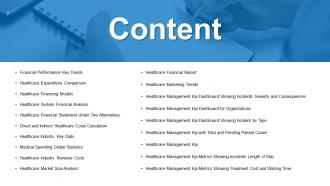
Slide 2: This slide shows Content of the presentation.
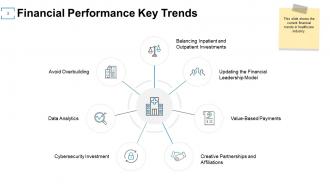
Slide 3: This slide presents Financial Performance Key Trends describing the current financial trends in healthcare industry.
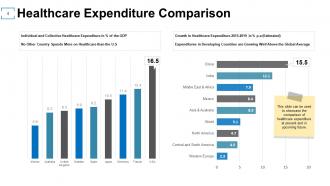
Slide 4: This slide represents Healthcare Expenditure Comparison describing the sources of revenue and finance available with the healthcare industries.
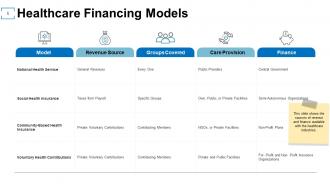
Slide 5: This slide displays Healthcare Financing Models used to show the financial system analysis in a healthcare industry.
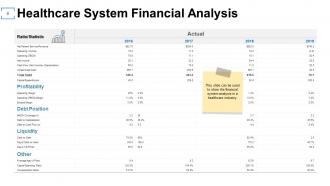
Slide 6: This slide showcases Healthcare System Financial Analysis comparing healthcare financial system on the basis of 2 alternatives i.e. equity and debt.
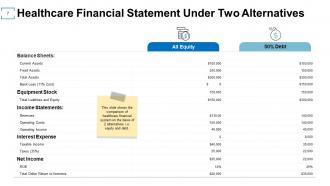
Slide 7: This slide shows Healthcare Financial Statement Under Two Alternatives i.e. direct and indirect costs.
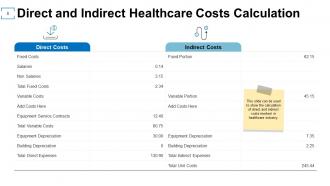
Slide 8: This slide presents Direct and Indirect Healthcare Costs Calculation.
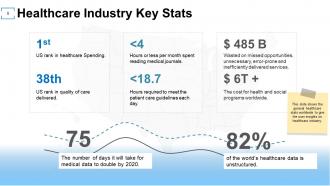
Slide 9: This slide displays Healthcare Industry Key Stats describing the general healthcare stats worldwide to give the user insights on healthcare industry.
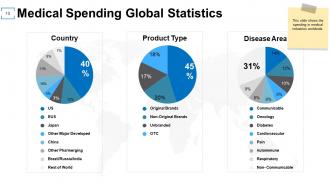
Slide 10: This slide represents Medical Spending Global Statistics of medical industries worldwide.
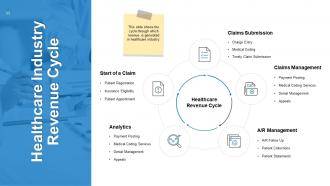
Slide 11: This slide showcases Healthcare Industry Revenue Cycle through which revenue is generated in healthcare industry.
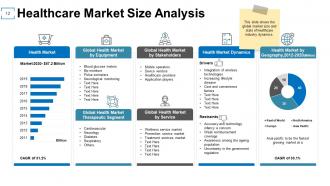
Slide 12: This slide shows Healthcare Market Size Analysis of healthcare industry dynamics.
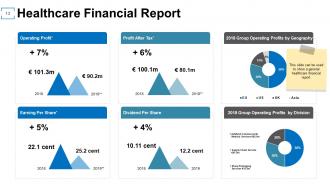
Slide 13: This slide presents Healthcare Financial Report.
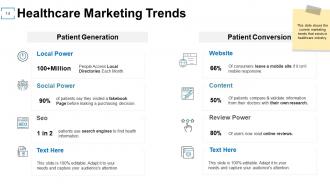
Slide 14: This slide displays Healthcare Marketing Trends that exists in healthcare industry.
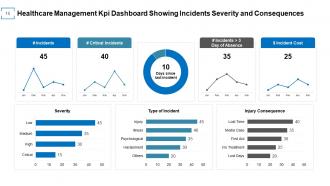
Slide 15: This slide represents Healthcare Management KPI Dashboard Showing Incidents Severity and Consequences.
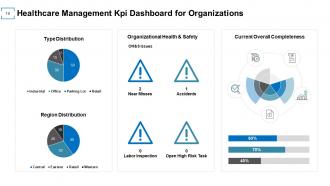
Slide 16: This slide showcases Healthcare Management KPI Dashboard for Organizations.
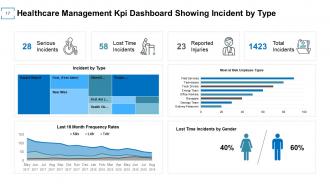
Slide 17: This slide shows Healthcare Management KPI Dashboard Showing Incident by Type.
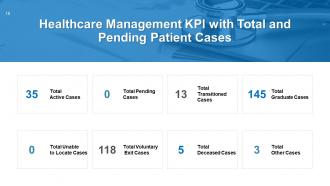
Slide 18: This slide presents Healthcare Management KPI with Total and Pending Patient Cases.
Slide 19: This slide displays Healthcare Management KPI with additional text boxes.
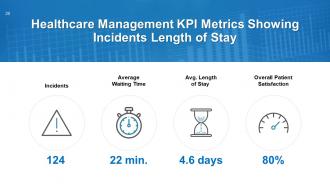
Slide 20: This slide represents Healthcare Management KPI Metrics Showing Incidents Length of Stay.
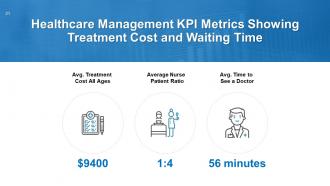
Slide 21: This slide showcases Healthcare Management KPI Metrics Showing Treatment Cost and Waiting Time.
Slide 22: This slide displays Financial Management in Healthcare Icons.
Slide 23: This slide reminds about 15 minutes coffee break.
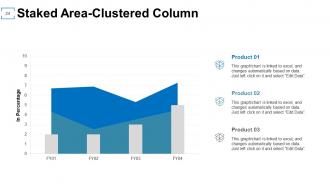
Slide 24: This slide shows Staked Area - Clustered Column chart with three products comparison.
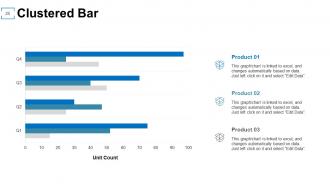
Slide 25: This slide presents Clustered Bar chart with three products comparison.
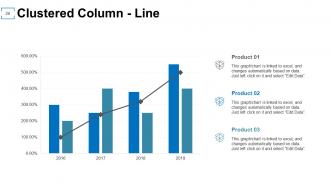
Slide 26: This slide displays Clustered Column - Line chart.
Slide 27: This slide is titled as Additional Slides for moving forward.
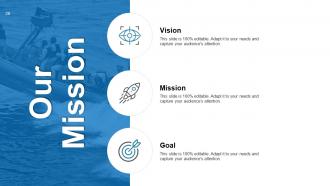
Slide 28: This is Our Mission slide with related imagery and text.
Slide 29: This is Meet Our Team slide with names and designation.
Slide 30: This is About Us slide to show company specifications etc.
Slide 31: This is a Comparison slide to state comparison between commodities, entities etc.
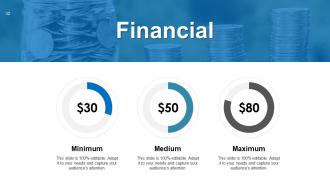
Slide 32: This is a Financial slide. Show your finance related stuff here.
Slide 33: This is a Timeline slide to show information related with time period.
Slide 34: This is another slide continuing timeline.
Slide 35: This is a Quotes slide to convey message, beliefs etc.
Slide 36: This is a Bulb & Idea slide to state a new idea or highlight information, specifications etc.
Slide 37: This is a Target slide. State your targets here.
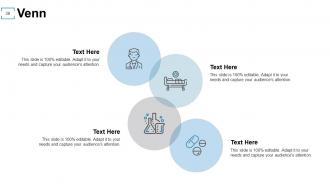
Slide 38: This is a Venn slide with text boxes to show information.
Slide 39: This slide shows Mind Map for representing entities.
Slide 40: This is a Thank You slide with address, contact numbers and email address.
Financial management in healthcare powerpoint presentation slides with all 40 slides:
Encourage folks to be good citizens with our Financial Management In Healthcare Powerpoint Presentation Slides. It helps enhance civic consciousness.













FAQs for Financial management in healthcare
Yeah, healthcare is brutal right now. Nursing shortages are driving wages through the roof, and supply costs keep climbing. Meanwhile reimbursements? Barely budging. Bad debt's getting worse too - patients just can't cover their portions anymore. Technology upgrades are another massive expense, but honestly you're screwed without them. My advice? Start with solid cash flow forecasting. At least you'll spot trouble before it blindsides you. Oh, and maybe look into those group purchasing deals for supplies if you haven't already.
Three main things you gotta tackle: getting paid faster, timing your payments better, and keeping cash on hand. Streamline your billing and chase down those claims quickly - payment plans help patients too. Watch your accounts receivable like a hawk. Anything sitting there 90+ days? Jump on it immediately. Try negotiating better terms with suppliers if you can. Seasonal stuff will totally throw you off if you're not ready for it (learned that one the hard way). Keep 2-3 months of expenses saved up, and honestly? Check your cash flow weekly instead of monthly. You'll catch problems way earlier.
Honestly, tech can totally transform how you handle healthcare finances. AI systems catch billing mistakes before they cost you, and automated claims processing saves tons of time. Real-time dashboards show exactly where money's flowing. When your EHR talks to your billing system, those expensive manual entry errors basically disappear - I've seen practices save thousands just from that. Predictive analytics help you spot cash flow problems early too. My advice? Look at what you're doing manually first. Any repetitive data entry is probably begging to be automated, and that's where you'll see the biggest wins.
Honestly, reimbursement models control everything you do financially. Fee-for-service? You're chasing volume - more procedures, more money. Value-based care completely flips that script though. Now you're focused on outcomes and efficiency instead of just cramming in appointments. Capitation is probably the trickiest - you get paid per patient no matter what, so there's this constant tension between keeping costs down and not cutting corners on care. Look at your payer mix first, then build your whole operation around whatever model dominates. Don't wing it and pray the numbers work out later.
Honestly? Start by beating up your vendors for better contracts and track inventory so you're not throwing money away. Automate the boring stuff - scheduling, billing, all that admin work that eats time. I know energy upgrades sound super exciting (lol) but they'll save you tons long-term. Cross-train your people so you're not paying overtime every time someone calls out sick. Oh, and maintain your equipment before it breaks - way cheaper than emergency repairs. The real money maker though is fixing your billing process. Clean claims = faster payments and fewer headaches.
Honestly, you're probably bleeding money in spots you can't even see right now. Analytics shows you exactly where - like which procedures actually make you money vs the ones that just feel busy. Track your patient flow, catch billing screwups before they turn into write-offs, stuff like that. The whole revenue cycle thing is where you'll see the biggest wins though. Don't try to tackle everything at once - maybe start with something simple like your no-show rates or how long A/R sits there. Pick one thing and really dig into it first.
Regulatory changes will mess up your financial planning big time. Revenue shifts, compliance costs, new reporting - it all hits at once. I swear they always announce this stuff at the worst possible moments. Don't wait until changes are finalized to react. Sign up for CMS alerts and build extra room in your budget for compliance expenses. Industry groups are actually pretty helpful for tracking what's coming down the pipeline. Trust me, you don't want to be scrambling when something takes effect next month and you're completely unprepared.
Dude, you gotta run the numbers first - startup costs, ongoing expenses, projected revenue based on realistic patient volume. Calculate your break-even point and ROI over like 3-5 years. Market research is absolutely critical though. I can't tell you how many healthcare services I've watched crash because nobody bothered checking if people actually wanted it. Don't forget the boring stuff either - regulatory requirements, staffing, equipment costs. How's it gonna mesh with your current payer contracts? Build a few different financial scenarios, keep them conservative. Leadership hates overly optimistic projections.
Operating margin, days in accounts receivable, and cash flow are your big three - honestly, these alone tell you most of what you need to know about staying afloat. Patient volume matters too, obviously. Revenue per patient gives you the other half of that picture. Your payer mix is huge since insurance companies are all over the place with reimbursements. Bad debt percentage will keep you up at night if it gets out of hand. I'd pull these monthly - staffing costs as a percentage of revenue too, since that's usually your biggest expense. Track trends early before small problems become disasters.
Honestly, budgeting in healthcare is like taming chaos - there's always something going sideways financially. But when you nail it, you can actually predict cash flow and cut wasteful spending before it spirals. The real game-changer? Regular check-ins with department heads using actual performance data. You'll catch cost overruns early instead of scrambling later. Plus you can funnel resources toward stuff that genuinely improves patient care. I mean, flying blind with healthcare budgets is terrifying - way too much money involved. Data-driven decisions beat gut feelings every time in this field.
So RCM is basically how you handle money stuff in healthcare - patient registration, checking insurance, billing, collecting payments, all that. Your cash flow gets screwed if this isn't working right. Claims get denied left and right, and honestly the paperwork becomes a nightmare. Healthcare doesn't have huge profit margins anyway, so you can't afford to mess this up. The trick is nailing the front-end work first. Get insurance verification done properly and make sure patient info is accurate from the start. Trust me, it'll save you so much trouble later when you're trying to actually get paid.
Honestly, start with standardizing supplies across departments - sounds dull but that's where you'll save the most money. Track usage patterns with data analytics to catch waste and overstocking issues. Just-in-time inventory is a total game changer for cutting carrying costs. Instead of juggling tons of suppliers, focus on building solid relationships with fewer strategic vendors and negotiate better deals. Oh, and definitely monitor your inventory turnover monthly - you want it above 12x annually. My old boss was obsessed with that metric and he wasn't wrong.
Honestly, cybersecurity should be your top priority right now - breaches are costing everyone a fortune. Staffing costs are absolutely brutal too, like way worse than last year. You'll probably see reimbursement changes with all this value-based care stuff happening, which is... fun. Inflation's hitting everything from supplies to equipment (my grocery bill reminds me daily). Oh, and regulatory stuff always seems to pop up when you least expect it. Build up more cash than feels comfortable and maybe run some worst-case scenarios on your budget. Better safe than scrambling later.
Look, good budgeting literally saves lives. When hospitals manage money well, they can buy better equipment and hire enough nurses. But when finances go south? You get skeleton crews, ancient machines, and doctors who barely have time to talk to patients. I've watched this mess play out - tight budgets force impossible choices like putting off new equipment or cutting nurse-to-patient ratios. Here's the thing though: financial planning isn't just about spreadsheets. It's actually a patient safety issue. Track how your money decisions affect real outcomes, not just the bottom line.
Honestly, start with role-based stuff since your billing team needs totally different skills than the managers do. Skip the boring PowerPoint dumps - nobody learns from those anyway. Go for hands-on workshops with real cases from your own place, plus pair up your newbies with experienced people. Cross-training between departments is huge because then people actually get how everything connects financially. Oh, and definitely do practical assessments instead of those multiple choice tests that don't prove anything. Quarterly refreshers keep everyone sharp too.
-
good