


Graphic Design Organizational Structure Graphic Design Company Profile Ppt Download




Try Before you Buy Download Free Sample Product
 Impress Your
 Audience
 100%
100% Editable
 Save Hours
 of Time


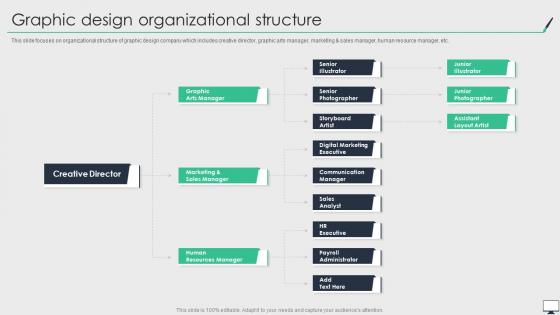
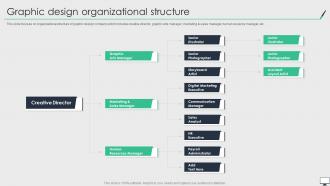
This slide focuses on organizational structure of graphic design company which includes creative director, graphic arts manager, marketing and sales manager, human resource manager, etc.
People who downloaded this PowerPoint presentation also viewed the following :
Graphic Design Organizational Structure Graphic Design Company Profile Ppt Download with all 6 slides:
Use our Graphic Design Organizational Structure Graphic Design Company Profile Ppt Download to effectively help you save your valuable time. They are readymade to fit into any presentation structure.





FAQs for Graphic Design Organizational Structure Graphic Design Company
Start with the basics - logo design, branding, print stuff, web graphics. That's what people expect to see first. Social media graphics and email templates are massive right now, plus any UI/UX work you've got. Packaging design is weirdly profitable if you do that! Illustration and photography help you stand out too - honestly, anything that separates you from the boring agencies. Oh, and video work if that's your thing. I'd just organize everything by what actually makes you the most money.
Think of a portfolio like their design diary - it shows how they solve problems and what vibe they're going for. Consistent colors and fonts tell the story. Are they all clean and minimal? Super bold and crazy? That's their style DNA right there. How they write up case studies matters too. Some designers obsess over process (honestly kind of love that), others just show the final pretty stuff. Look for connecting threads between projects - even totally different industries will share similar approaches. That consistency? It reveals what they actually believe about good design.
Pick a niche and own it - restaurants, tech startups, whatever clicks for you. Fast turnaround is clutch since everyone's stressed about deadlines. I'd also think about your actual process - maybe you involve clients more than other designers do? Strategy stuff helps too, not just the visual work. Oh and bundling services together (branding + web + marketing materials) seems to work really well these days. Honestly though, don't spread yourself too thin. Pick 2-3 things you're genuinely good at and lean into those hard.
Dude, testimonials are SO worth getting - they basically do your selling for you. People trust other people way more than they'll trust you bragging about yourself. When prospects see real clients talking about specific results you got them, it kills that "what if this person sucks" worry. Honestly, the generic "great job!" ones are pretty useless though. You want the meaty stuff - like mentioning actual outcomes or what your process was like. Just hit up your favorite clients directly and ask. Most people are happy to write something quick, especially if you maybe give them a template to work from or whatever.
Open with your best stuff - like 3-5 projects that actually show what you can do. After that, write an "about us" section that's not the usual "we're passionate about design" garbage (seriously, everyone says that). Walk them through your process so they know what they're getting into. Then add testimonials and real results. Most people just skim anyway, so use clear headers for everything. Oh, and make it super easy to contact you at the end - don't make them hunt around for your email or whatever. The whole thing should flow but not feel like you're trying too hard, you know?
Dude, for a graphic design company, branding is literally everything. Think about it - if your own visual identity looks like trash, why would anyone trust you with theirs? Your brand shows off your skills way better than just describing your work ever could. Clients get an instant sense of your style and how professional you are just from your business cards or website. It's like your 24/7 sales pitch, honestly. The cool part is that good branding attracts the exact type of projects you want to work on. Bad branding though? That's basically shooting yourself in the foot before you even start.
Show your actual thinking process, not just the polished final designs. Clients want to see how you tackled their specific challenge and worked through solutions. Honestly, pretty portfolios are a dime a dozen - but proving you can think strategically? That's gold. Tell a story with clear before/after comparisons. Include real numbers when you've got them, like "boosted engagement by 40%." Pick maybe 3-5 of your strongest projects that show different skills. Oh, and don't forget the messy middle part where you figured things out - that's often the most interesting part.
Start with the basics - clean typography, colors that actually match your brand, and don't cram everything together. Your logo needs to be visible but not screaming for attention (I cringe when I see it plastered on every single page). Use your absolute best work photos, keep everything aligned properly, and pick icons that actually add something instead of just taking up space. Oh, and people hate reading chunks of text - make it scannable. The whole thing should flow naturally so their eyes move from one section to the next without getting lost.
Make your profile tell a story instead of just showing finished work. Start each project with the problem you solved, then walk people through your process - sketches, iterations, final result. Way more interesting than random pretty shots! Behind-the-scenes stuff works great too, like photos of you presenting to clients or your team whiteboarding ideas. Honestly, think of each case study like a mini-documentary about how you actually work. The goal is showing how your design thinking transforms businesses, not just making things look nice. Pick one project and try this approach first - you'll see the difference immediately.
Honestly, AI tools are kinda taking over - Midjourney, Figma's new features, all that stuff. You gotta stay on top of it or you'll look outdated. Social media's constantly changing their specs too, which is annoying but whatever. Sustainability's everywhere now. Clients actually care about eco-friendly materials and processes. Accessibility isn't optional anymore either - most brands won't touch you if you don't know WCAG basics. Motion graphics are huge right now, way more than static stuff. Just set up some Google Alerts for design trends and follow a few blogs. Takes maybe 10 minutes weekly but honestly saves your ass later.
Oh man, you absolutely need this. Like I can't stress it enough - without a clear target audience, you're just another generic design agency drowning in the sea of competition. Pick 2-3 specific client types and talk directly to them. Your messaging gets way tighter, your portfolio actually makes sense, and potential clients can instantly tell if you're their person. Trust me, trying to appeal to everyone is the fastest way to appeal to no one. It's kinda like dating - specificity is what makes people choose you over all the other options out there.
Definitely call out your commitment to inclusive design and diverse representation - clients actually care about this stuff way more than they used to. Show off accessible design work, cultural sensitivity, that kind of thing. I'd create a whole section for it instead of hiding it somewhere random. Also be upfront about which industries you won't work with (tobacco, gambling, whatever your boundaries are). Oh and make sure your pricing process is transparent too. People appreciate knowing what they're getting into. Honestly, the ethics angle can actually help you stand out from other agencies who just focus on the flashy creative work.
Make a "Partners & Collaborators" section - it's honestly one of the best ways to show you're not a nightmare to work with. Drop in logos and maybe a quick case study about teaming up with that copywriter for the rebrand project. Clients eat this stuff up because they know their project might need specialists you don't have in-house. Oh, and definitely grab testimonials from your partners if you can. Short sentence about results works better than long explanations. The whole point is showing how these relationships make their projects better, not just that you have them.
Look, forget the pretty portfolio stuff - what actually matters is proving you move the needle for clients. Client retention rates, how fast you turn projects around, and real numbers from your campaigns. Like actual engagement bumps or sales increases they can trace back to your design work. Honestly, testimonials with specific percentages hit way harder than vague "loved working with you" comments. Revenue growth is gold if you can connect it to what you did. Don't forget your own stats either - how long you've been running things, repeat clients, team growth. The whole point is showing you're not just making things look nice, you're actually helping their business grow.
Skip the boring mission statement stuff - show your actual work instead. Good designers want to see what they'd be creating, not corporate fluff. Add some behind-the-scenes content and employee spotlights so they get the vibe of working there. Case studies are huge too. Here's the thing though - if your own company profile looks meh, designers will think that's the quality they'd be stuck producing. Make it reflect your aesthetic! Oh, and keep posting fresh projects regularly. Team wins are good content too. Most design firms totally phone this in, so you'll stand out just by trying.
-
Easily Editable.
-
Like always a great experience with you guys. Always there on the drop of hat to help.