


Global Design And Architecture Firm Organization Chart Ppt Slides Background Image




Try Before you Buy Download Free Sample Product
 Impress Your
 Audience
 100%
100% Editable
 Save Hours
 of Time


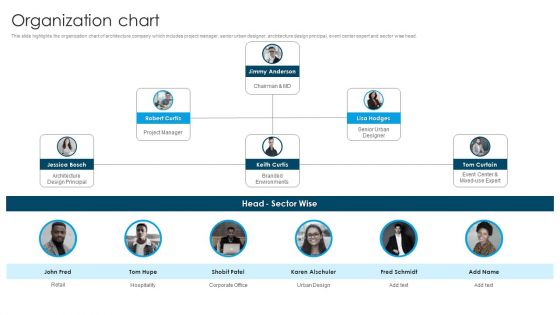
This slide highlights the organization chart of architecture company which includes project manager, senior urban designer, architecture design principal, event center expert and sector wise head.
People who downloaded this PowerPoint presentation also viewed the following :
Global Design And Architecture Firm Organization Chart Ppt Slides Background Image with all 6 slides:
Use our Global Design And Architecture Firm Organization Chart Ppt Slides Background Image to effectively help you save your valuable time. They are readymade to fit into any presentation structure.





FAQs for Global Design And Architecture Firm Organization Chart Ppt
So basically you've got principals/partners at the top doing client stuff and big decisions. Project managers keep everything running day-to-day - they're like the glue honestly. Design teams are architects, interior designers, plus all these specialists (sustainability consultants and whatever new thing pops up). Business dev people chase new clients, ops handles backend work, tech teams do BIM and rendering. Most places organize by studio type - residential, commercial, that kind of thing - instead of just rank. Oh, and check out firm websites to see their leadership pages. Really shows you what they actually care about.
So global firms have way more layers than local ones - like regional offices each with their own leadership, plus all these specialized roles for coordinating across time zones. Local firms? Way flatter, everyone knows everyone (honestly sounds kinda nice). But managing teams in London, Tokyo, and NYC at once gets messy fast. Communication becomes this whole thing. If you're thinking about joining one, definitely ask how info flows between offices and who you'd actually report to - that part can get weird with all the hierarchy.
Hierarchical setups work great for big global firms - you get clear decision chains and obvious career paths. Super helpful when you're juggling complex projects across multiple offices. Downside? Innovation crawls. Flat structures are honestly way more fun. Junior architects can actually influence major decisions, everything moves faster. But good luck figuring out who's responsible when things go sideways on international projects. Most global firms end up doing a hybrid thing - flat teams for individual projects, but hierarchical across offices. Makes sense when you think about it. Your firm's size and project complexity should drive the decision.
Honestly, the time zone thing is brutal at first but you get used to it. Three main things helped us: First, get everyone on Slack or Teams with project-specific channels. Video calls become your lifeline - way better than endless email chains. Second, make your teams write handoff notes before they clock out so the other office knows what's happening. We learned this the hard way after some major miscommunications lol. Also try to find 2-3 hours where your key offices overlap for urgent stuff. Start by figuring out where your current workflow breaks down most often.
Dude, you absolutely need solid tech for global design teams or you'll lose your mind. Get something like BIM 360 or Procore for project management - keeps drawings and timelines straight across offices. Video calls are obvious but actually critical for staying connected. Cloud storage is a lifesaver so your Tokyo team can jump right into what NYC finished yesterday. Oh and standardize everything! Same software, same workflows everywhere. Trust me, I've seen teams fall apart because half used one system and half used another. Version control becomes a total disaster without good tech backing you up.
PMs are basically the middleman between design teams and everyone else - clients, budgets, deadlines, all that stuff. Designers get to focus on the actual creative work while project managers deal with coordinating resources and keeping things on track. Honestly, it's a mess when you've got multiple studios working across different time zones. You need solid communication and regular check-ins or your design vision just gets completely butchered. Oh, and figure out who your main PM contact is right away - learned that one the hard way. Trust me, it'll save you so much drama down the road.
Honestly, time zones will drive you crazy if you don't plan for it. Set up regular check-ins between teams and use async tools like Slack religiously. Document everything - I can't stress this enough because what's obvious to you won't be to someone halfway across the world. Shared dashboards help everyone stay in the loop. Oh, and cultural differences matter more than you think. Some teams are brutally direct, others dance around issues. Good translation tools are worth the money. When in doubt, just overcommunicate. Better to be annoying than have everyone confused about what's happening.
Oh man, this stuff gets messy fast. Some cultures are super direct while others dance around feedback - creates chaos in design reviews. Hierarchy expectations are all over the map too. Your Japanese teammates might wait for clear direction while the Germans just dive in collaboratively. Time zones are honestly the easy part compared to this. Risk tolerance varies like crazy, and don't get me started on how differently people handle criticism. Best bet? Map out these dynamics early and pad your timelines for the inevitable alignment meetings.
So most firms are breaking down those old department walls and mixing sustainability people right into the teams. Sometimes they're embedded in each design group, other times there's a central sustainability unit that works with everyone - honestly both approaches work pretty well. The big difference is sustainability isn't just tacked on at the end anymore. These folks jump in from day one on feasibility studies, initial concepts, client meetings, all of it. Makes everything way more matrix-style since sustainability cuts across architecture, engineering, planning - you name it. I'd figure out who your go-to sustainability person is for different project types.
There's so much happening right now! Computational Design Specialists are huge - they're doing all the parametric modeling and AI stuff. BIM Coordinators basically run the whole digital workflow now. Most firms are also bringing Sustainability Consultants directly onto project teams instead of outsourcing. The VR/virtual walkthrough specialists are honestly killing it (clients lose their minds over those). User Experience Architects focus more on human-centered design, which makes sense. Oh, and Data Analysts crunch all the building performance numbers - didn't expect that one to take off like it did. Even Digital Fabrication Managers are standard now with 3D printing everywhere. Figure out which ones match where your firm's heading tech-wise. It'll save you headaches later when you're scrambling to hire.
Honestly, the firms killing it right now are getting creative with perks - remote work flexibility, sabbaticals for side projects, profit-sharing when projects hit big. Portfolio matters huge too. Like, architects obviously want their names on iconic buildings, so smart firms lead with their sexiest work during interviews. Mentorship programs help a ton since creative types get restless if they feel stuck in one spot. Oh, and clear advancement paths are clutch. At the end of the day though, it's about creating a place where people can actually do meaningful work instead of just grinding for a paycheck.
Look, org charts basically control who signs off on what at each stage - can totally make or break your timeline. Too many layers? You'll be stuck in review hell while your deadline gets closer. I learned this the hard way on my last big project, ugh. Well-structured ones though? You know exactly who handles structural stuff vs. just visual changes. Figure out your approval chain early - like, week one early. Map out who needs to see what so you're not panicking when the client wants changes. Trust me, knowing whether you need the senior partner's blessing or just your PM's thumbs up saves so much time.
Look, most companies totally botch this by treating R&D like some weekend hobby project managers pick up when they're bored (which is literally never). You've got to give research actual teeth - put a dedicated innovation lead right on the org chart with real budget and reporting lines to the top. Have your researchers actually sit in client meetings, and rotate project architects through R&D stints so everyone's talking to each other. Oh, and start small - maybe 5-10% of billable hours for systematic experimentation. Cross-pollination is everything here.
Strategic thinking is huge - you're managing projects across different countries with totally different teams and clients. Business skills matter way more than people realize since firms are obsessed with profits now. Soft skills honestly trump everything else. Can you inspire creative people while dealing with crazy budgets and deadlines? That's the real test. You also need to get design trends AND construction tech globally. What kills it in Dubai might bomb in Stockholm, you know? Oh, and start networking with international partners yesterday - those connections are pure gold when you're climbing up.
Honestly, it's all about your firm's size. Small studios? You're doing everything - meetings, contracts, the whole deal. More control but yeah, it gets crazy. Bigger firms have BD teams who wine and dine clients, then pass them to project managers once papers are signed. Some places go nuts with CRM systems and formal processes (which can be total overkill tbh), others just keep the principal talking directly to clients. My advice? Don't try to be McKinsey if you're five people in a converted warehouse. Figure out what actually fits your team's vibe and bandwidth.
-
Slideteam offers pocket-friendly products. As a college student this is a really necessary thing to look at while paying for something.
-
Delighted to see unique and eye-catching PowerPoint designs that are so easy to customize.