


Guide To Build Strawman Proposal Optimizing Operational Efficiency Through




Try Before you Buy Download Free Sample Product
 Impress Your
 Audience
 100%
100% Editable
 Save Hours
 of Time


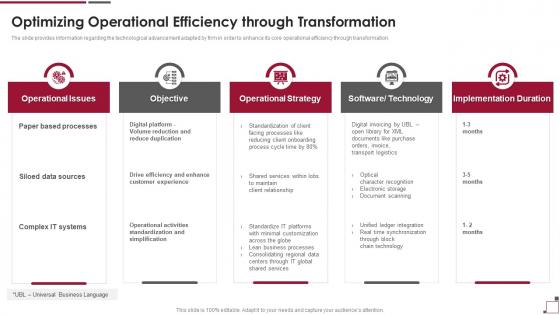
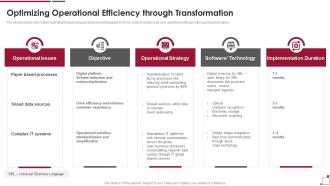
The slide provides information regarding the technological advancement adapted by firm in order to enhance its core operational efficiency through transformation.
People who downloaded this PowerPoint presentation also viewed the following :
Guide To Build Strawman Proposal Optimizing Operational Efficiency Through with all 6 slides:
Use our Guide To Build Strawman Proposal Optimizing Operational Efficiency Through to effectively help you save your valuable time. They are readymade to fit into any presentation structure.





FAQs for Guide To Build Strawman Proposal Optimizing
So a strawman proposal is just a rough first draft you throw out there, knowing it's probably flawed or missing stuff. The whole idea is getting people talking instead of sitting in silence forever. Regular proposals are all polished and ready to approve - strawman ones are deliberately messy. Picture sketching on a whiteboard before making slides (those early sketches are always kinda chaotic but somehow work). People need something concrete to react to. Honestly, endless brainstorming sessions are the worst. Next time you're stuck, just draft something quick and imperfect - it'll focus the discussion way faster.
Honestly, strawman proposals are lifesavers when your team's just spinning their wheels in endless debates. I use them all the time when we're starting something complex and nobody knows where to jump in first. They're also perfect for those awkward brainstorming moments where everyone's just staring at each other - people need something concrete to react to, even if it sucks. Just frame it like "here's one way we could tackle this" instead of acting like you've got the perfect answer. Actually give them permission to rip it apart. That's literally the whole point.
Honestly, just scan for the obvious stuff first. Missing stakeholders always trips up projects - like if they forgot legal or IT sign-off. Timeline red flags are easy to spot too, especially when someone thinks a 6-month project can happen in 6 weeks. Budget math that's clearly wonky is another dead giveaway. Then ask yourself: does this actually fix the real problem or just slap a band-aid on it? Technical feasibility issues are huge too - dependencies they haven't thought through will bite you later. Don't stress about finding every flaw though. It's a strawman for a reason! Just nail down the 2-3 deal-breakers that would torpedo the whole thing.
Honestly, the biggest trap is people thinking your strawman IS your real position instead of just a conversation starter. You might lowball yourself with something too conservative, or go so crazy unrealistic that talks fall apart completely. Teams get weirdly attached to their first draft even when way better ideas pop up later - I've seen it happen. Plus the other side might think you're being sketchy if they figure out it's just a placeholder. My move? Always say upfront "this is just a strawman to kick things off" so everyone knows it's supposed to change.
You know that thing where everyone just stares at the whiteboard? Yeah, strawman proposals fix that. Basically you throw out a rough draft - doesn't matter if it sucks - and suddenly people have opinions. Way easier to critique something than create from nothing, right? People will jump in with "this is wrong" or "what about this instead" and boom, actual discussion starts. I've seen teams waste hours trying to brainstorm the "perfect" idea when honestly, a crappy first draft gets you moving faster. Next time you're stuck, just sketch out whatever and let people tear it apart.
Make your strawman really concrete - throw in actual numbers, specific examples, timelines. I always sketch mine out first because visuals just click better with people. Keep the language simple (no jargon that'll confuse stakeholders). Here's what works: give them 2-3 options instead of one. People need choices to react to. Oh, and frame it as "here's something to tear apart" rather than a polished solution. Honestly, this is huge - when you position it as a rough draft, everyone jumps in to make it better instead of just shooting it down. Gets way better engagement.
Honestly, it's all about how you present it. If people think you actually want their feedback, they'll jump in and help build something better. But the moment they sense you're just going through the motions? Game over. They'll either rip it to shreds or completely check out. Here's the thing - people have crazy good radar for spotting fake collaboration. So when you throw out that rough idea, you've gotta genuinely mean it when you say "this is just to get us started." Your whole vibe will betray you otherwise. Frame it right and they'll see it as a real jumping-off point instead of some sneaky way to push your agenda.
Yeah, feedback is the whole reason you throw out a strawman to begin with! You're basically putting your rough draft out there to see what works and what gets completely demolished. Which is good, honestly - better to find the weak spots now than later. The input helps you catch blind spots and assumptions that seemed totally reasonable in your head but make zero sense to everyone else. Don't get defensive about your original idea. Just grab all that feedback and use it to build something way stronger. Your v2 will be so much better.
Oh totally, strawman proposals are everywhere! Amazon's whole 6-page narrative thing? They start super rough and teams just keep tweaking them. McKinsey does this constantly too - they'll slap together some basic framework for clients, then polish it based on what people say back. NASA even did strawman mission plans for Mars stuff, which is pretty cool actually. The whole idea is they're supposed to be incomplete. Gets people talking instead of just sitting there nodding at a "perfect" plan. Honestly, don't stress about your first version being good. Just get something down so your team has something real to pick apart and build on.
Dude, visual stuff is honestly a game changer for strawmans. Nobody wants to stare at a wall of text - I learned that the hard way. Break things up with bullet points and white space. Clean fonts matter more than you'd think. Throw in some simple diagrams or flowcharts if you can. Colors help too, especially for highlighting the big decisions. I usually start basic and add one thing at a time until it actually looks scannable. Oh, and icons are surprisingly useful for guiding people's eyes around the page.
Don't defend when people push back - that's missing the point entirely. Listen to what they're actually worried about, then ask follow-up questions to really understand. The criticism is gold, honestly. Most objections will help you build something way better than your first draft. Write down their concerns and work together on fixes. Remember, you threw this out there knowing it wasn't perfect! I'd probably feel defensive too, but try not to take it personally. Use their strongest points to create version 2.0.
Before you even start writing, go back to your project charter - that's your compass. I've watched so many people create these elaborate proposals that completely whiff on the actual goals. Map everything back to what you're actually trying to accomplish. Get stakeholders involved early because they'll catch stuff you won't see. Be brutal about cutting the fluff, even the shiny parts that don't serve your main objectives. Run each section through a "so what?" test. If you can't answer that clearly, it probably doesn't belong there.
Test your ideas super early with actual people - that's where most strawman proposals go wrong. I've definitely learned this the hard way! Make it rough enough that folks feel okay ripping it apart. Polite nodding means you're not getting real feedback. Don't fall in love with version one either. Share it when you're like 60% done, not when you think it's polished. The whole point is iterating fast based on what you discover. Oh, and honestly? Most failures happen because we build fancy solutions without checking if the problem even exists first.
Dude, collaboration tools are a game changer for strawman proposals. Get everyone in a shared doc from the start - way better than trying to wrangle feedback through endless email threads. I learned this the hard way lol. Use comment threads for specific suggestions and project boards to keep sections organized. Version control is honestly clutch when five people want different changes. The trick? Don't wait until you've got something "polished" to share. Draft it live with your team jumping in early. You'll build something way stronger than going solo first.
Just be upfront that it's a strawman from the start - don't try to pass it off as your real recommendation. The whole point is getting people to tear it apart, so you've gotta create that safe space where folks can critique without tiptoeing around your ego. I'd frame it like "here's something rough to react against" instead of presenting some polished idea. Oh, and don't build super weak arguments just to demolish them easily - that's pretty dishonest. Give props if you're borrowing someone's concept. The psychological safety thing is huge though. People need to feel comfortable being brutally honest about what sucks.
-
The visual appeal of the templates is just unparalleled! I was so worried about the design of my presentation but SlideTeam made it all so easy.
-
The Designed Graphic are very professional and classic.