

Strategic Planning Strategy CD




Try Before you Buy Download Free Sample Product
 Impress Your
 Audience
 100%
100% Editable
 Save Hours
 of Time


Here is an efficiently designed Strategic Planning PowerPoint presentation that covers the strategic planning process, including company vision, goals, strategic initiatives, and corporate level performance metrics. This PPT also determines the data structure, sources supplying information for KPIs and scorecards, and action plans. The table of content for this presentation is as follows. First, it includes strategic thinking, competitive landscape, strategic thinking tools such as PEST analysis, critical success factors, and, Forecasting. Further, it includes a 5 forces analysis for the industry landscape and a 7 step strategic analysis framework. It also covers value chain and SWOT analysis and business models. Additionally, strategic planning includes corporate vision, mission, goals, strategies and tactics, uncovering future options with blue ocean concepts, strategic decision making methods, frameworks, and tools. Lastly, it includes strategic execution processes such as decision rights, information flows, aligning motivators, and structural change. It also includes KPIs and a balanced scorecard for developing appropriate criteria and metrics to measure and evaluate progress. Download our 100 percent editable and customizable template, which is also compatible with google slides.
People who downloaded this PowerPoint presentation also viewed the following :
Content of this Powerpoint Presentation
Slide 1: This slide introduces Strategic Planning. State Your Company Name and begin.
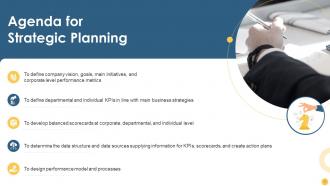
Slide 2: This slide states Agenda of the presentation.
Slide 3: This slide presents Table of Content for the presentation.
Slide 4: This slide highlights title for topics that are to be covered next in the template.
Slide 5: This slide showcases Company’s Competitive Advantage.
Slide 6: This slide displays How Does Company’s Competitive Advantage Relate to Other Firms.
Slide 7: This slide highlights title for topics that are to be covered next in the template.
Slide 8: This slide represents PEST Analysis for Retail Business.
Slide 9: This slide showcases Key Success Factors In Global Business Transformations.
Slide 10: This slide highlights title for topics that are to be covered next in the template.
Slide 11: This slide shows Different Levels of Integration in Risk and Strategic Thinking Process.
Slide 12: This slide presents Integrated Business P&L Forecast Impact.
Slide 13: This slide highlights title for topics that are to be covered next in the template.
Slide 14: This slide displays 5 Forces Analysis for the Industry Landscape.
Slide 15: This slide represents strategy & operating analysis framework.
Slide 16: This slide highlights title for topics that are to be covered next in the template.
Slide 17: This slide showcases Company’s Value Chain Activities Analysis at The Highest Level.
Slide 18: This slide shows Company’s SWOT Analysis at the Highest Level.
Slide 19: This slide highlights title for topics that are to be covered next in the template.
Slide 20: This slide presents Tesla Motors Business Model for Sustainable Transport Development Companies.
Slide 21: This slide displays Airbnb Business Model for Online Marketplace Companies.
Slide 22: This slide represents Zara Business Model for Clothing and Accessories Retailer Companies.
Slide 23: This slide highlights title for topics that are to be covered next in the template.
Slide 24: This slide showcases Identifying and Developing the Corporate Vision/Mission/Goals/Strategies and Tactics Canvas.
Slide 25: This slide highlights title for topics that are to be covered next in the template.
Slide 26: This slide shows Strategy Canvas Example for Companies Shifting Towards Blue Ocean.
Slide 27: This slide presents Buyer Experience Cycle (BEC) and the Utility levers.
Slide 28: This slide highlights title for topics that are to be covered next in the template.
Slide 29: This slide displays Product Process and Customer Relationship Matrix.
Slide 30: This slide represents Strategic Group Example Map for Fast-food Chains.
Slide 31: This slide showcases Strategic Group Example Map for International Fashion Companies.
Slide 32: This slide highlights title for topics that are to be covered next in the template.
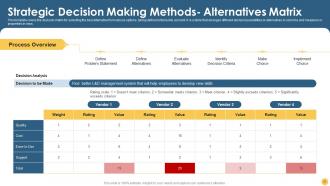
Slide 33: This slide shows decision matrix for selecting the best alternative from various options.
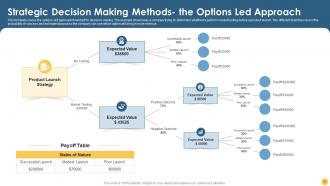
Slide 34: This template covers the options-led approach flowchart for decision-making.
Slide 35: This slide presents cascade decision making strategic framework.
Slide 36: This slide highlights title for topics that are to be covered next in the template.
Slide 37: This slide displays Frameworks for Eliciting the 3-Step Strategic Planning Process.
Slide 38: This slide highlights title for topics that are to be covered next in the template.
Slide 39: This slide represents 4 fundamental building blocks of execution.
Slide 40: This slide highlights title for topics that are to be covered next in the template.
Slide 41: This slide showcases Developing Appropriate Criteria/Metrics for Strategic Execution with Balance Scorecard.
Slide 42: This slide shows Developing Appropriate Key Performance Indicators for Strategic Execution.
Slide 43: This slide highlights title for topics that are to be covered next in the template.
Slide 44: This slide presents Evaluating and Measuring Strategic Objectives Progress.
Slide 45: This slide displays key elements of dynamic approach to strategy implementation.
Slide 46: This slide highlights title for topics that are to be covered next in the template.
Slide 47: This template covers establishment of strategic ecosystem after strategy planning.
Slide 48: This slide represents How Dynamic Approach Can Help Overcome Failure to Adapt Strategy.
Slide 49: This slide showcases strategic implementation approach to keep strategy effective for long time.
Slide 50: This slide shows Icons for Strategic Planning.
Slide 51: This slide is titled as Additional Slides for moving forward.
Slide 52: This slide presents Bar chart with two products comparison.
Slide 53: This is a Financial slide. Show your finance related stuff here.
Slide 54: This slide shows Post It Notes. Post your important notes here.
Slide 55: This is a Comparison slide to state comparison between commodities, entities etc.
Slide 56: This slide contains Puzzle with related icons and text.
Slide 57: This is a Timeline slide. Show data related to time intervals here.
Slide 58: This slide shows Roadmap for Process Flow.
Slide 59: This is a Thank You slide with address, contact numbers and email address.
Strategic Planning Strategy CD with all 64 slides:
Use our Strategic Planning Powerpoint Presentation Slides to effectively help you save your valuable time. They are readymade to fit into any presentation structure.
-
Strategic Planning
-
Agenda for Strategic Planning
-
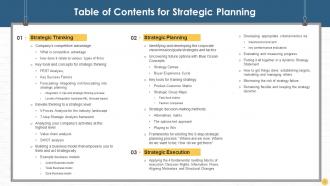
Table of Contents for Strategic Planning
-
Table of Contents for Strategic Planning
-
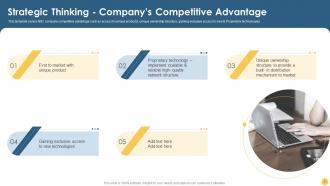
Strategic Thinking Company s Competitive Advantage
-
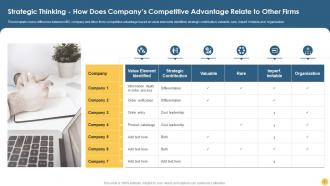
Strategic Thinking How Does Company s Competitive Advantage Relate to Other Firms
-
Table of Contents for Strategic Planning
-
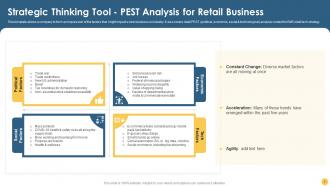
Strategic Thinking Tool PEST Analysis for Retail Business
-
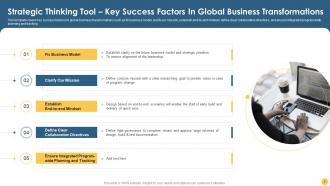
Strategic Thinking Tool Key Success Factors In Global Business Transformations
-
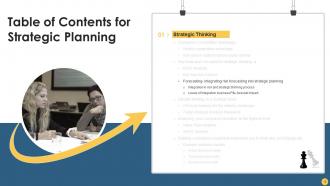
Table of Contents for Strategic Planning
-
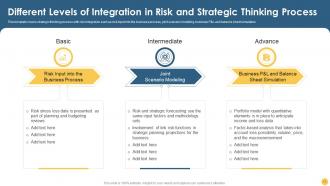
Different Levels of Integration in Risk and Strategic Thinking Process
-
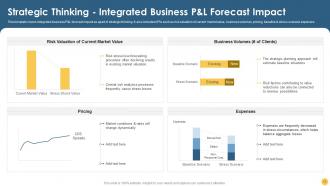
Strategic Thinking Integrated Business P L Forecast Impact
-
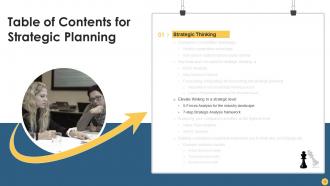
Table of Contents for Strategic Planning
-
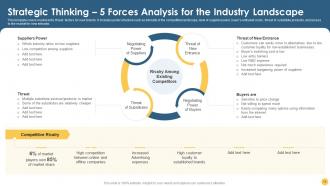
Strategic Thinking 5 Forces Analysis for the Industry Landscape
-
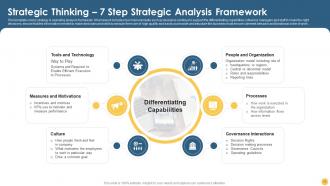
Strategic Thinking 7 Step Strategic Analysis Framework
-
Table of Contents for Strategic Planning
-
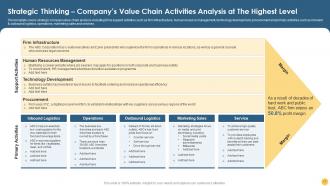
Strategic Thinking Company s Value Chain Activities Analysis at The Highest Level
-
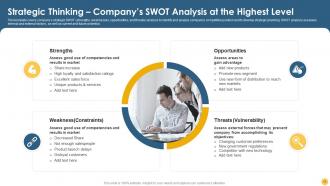
Strategic Thinking Company s SWOT Analysis at the Highest Level
-
Table of Contents for Strategic Planning
-
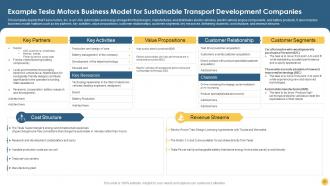
Example Tesla Motors Business Model for Sustainable Transport Development Companies
-
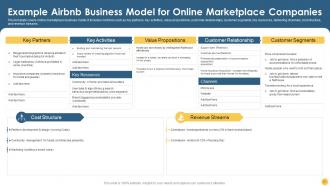
Example Airbnb Business Model for Online Marketplace Companies
-
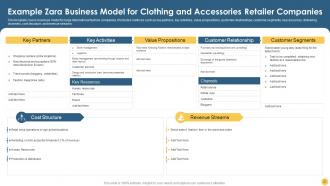
Example Zara Business Model for Clothing and Accessories Retailer Companies
-
Table of Contents for Strategic Planning
-
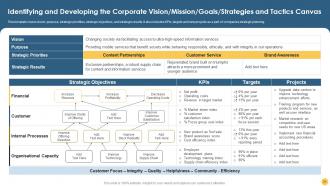
Identifying and Developing the Corporate Vision Mission Goals Strategies and Tactics Canvas
-
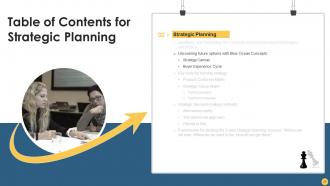
Table of Contents for Strategic Planning
-
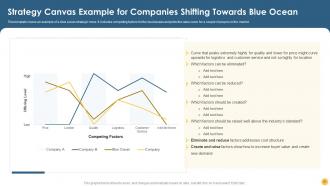
Strategy Canvas Example for Companies Shifting Towards Blue Ocean
-
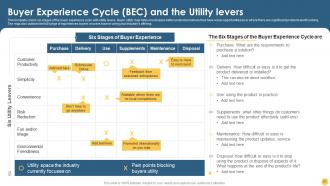
Buyer Experience Cycle BEC and the Utility Levers
-
Table of Contents for Strategic Planning
-
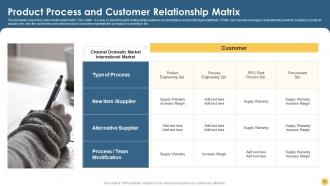
Product Process and Customer Relationship Matrix
-
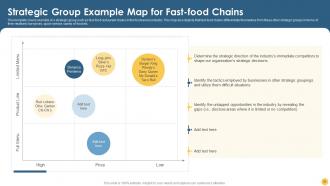
Strategic Group Example Map for Fast food Chains
-
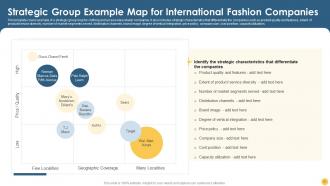
Strategic Group Example Map for International Fashion Companies
-
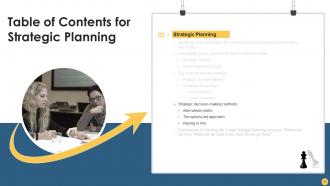
Table of Contents for Strategic Planning
-
Strategic Decision Making Methods Alternatives Matrix
-
Strategic Decision Making Methods the Options Led Approach
-
Strategic Decision Making Methods Play to Win Strategy
-
Table of Contents for Strategic Planning
-
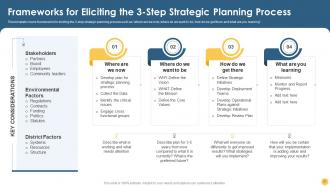
Frameworks for Eliciting the 3 Step Strategic Planning Process
-
Table of Contents for Strategic Planning
-
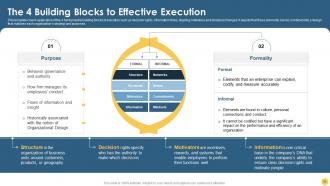
The 4 Building Blocks to Effective Execution
-
Table of Contents for Strategic Planning
-
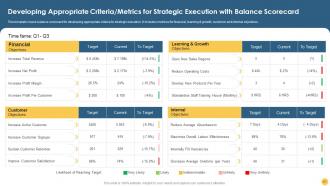
Developing Appropriate Criteria Metrics for Strategic Execution with Balance Scorecard
-
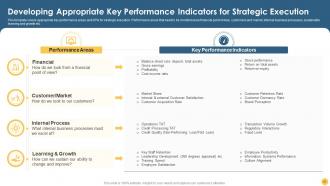
Developing Appropriate Key Performance Indicators for Strategic Execution
-
Table of Contents for Strategic Planning
-
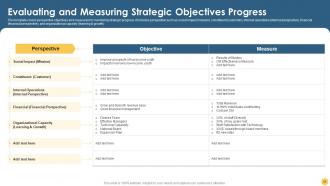
Evaluating and Measuring Strategic Objectives Progress
-
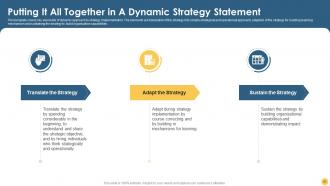
Putting It All Together in A Dynamic Strategy Statement
-
Table of Contents for Strategic Planning
-
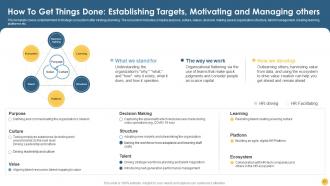
How To Get Things Done Establishing Targets Motivating and Managing others
-
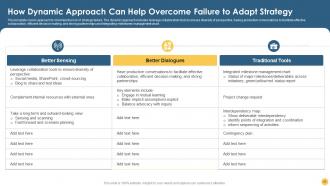
How Dynamic Approach Can Help Overcome Failure to Adapt Strategy
-
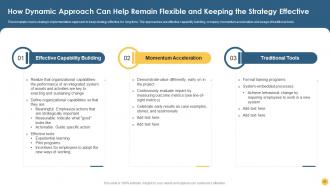
How Dynamic Approach Can Help Remain Flexible and Keeping the Strategy Effective
-
Icons Slide for Strategic Planning
-
Additional Slides
-
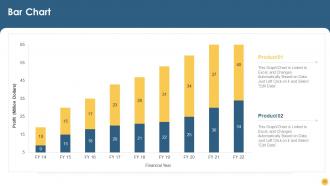
Bar Chart
-
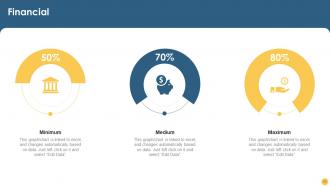
Financial
-
Post it Notes
-
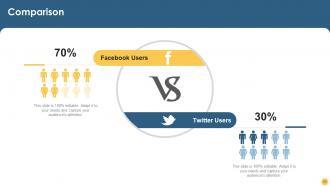
Comparison
-
Puzzle
-
Timeline
-
Roadmap for Process Flow
-
Thanks for Watching
-

-

-

-

-

FAQs for Strategic
Ok so you need five main things: a clear vision everyone actually understands, solid analysis of what's happening inside/outside your company, measurable goals that aren't just wishful thinking, action plans with real deadlines and owners, plus regular check-ins to see if you're totally off track. The vision thing might sound cheesy but trust me, it matters more than you think. Do a SWOT analysis or whatever framework works for your situation. Set SMART goals that tie back to your vision. Honestly, I'd just book a full day with your team to hash out the vision and goals first - everything else flows from there.
Honestly, you've gotta figure out what you actually want first - like really want, not just some vague corporate BS. Then work backwards and connect everything. Each goal needs specific actions and ways to measure if it's working. Here's the thing though - teams get super busy doing random stuff that feels important but doesn't move the needle at all. Regular check-ins help catch that drift. Oh, and definitely explain the "why" to everyone so they're not just going through motions. People work way harder when they get how their piece fits the whole puzzle.
Honestly, market research is like your sanity check before diving into any big strategic moves. It shows you what's really going on vs. what you hope is happening. Without it, you're just guessing about customer needs and competitor strategies - which never ends well, trust me. I've watched so many good ideas crash because people skipped this part and went with their gut instead. The research helps you spot actual opportunities and set goals that aren't completely unrealistic. Oh, and start with your current customers first - they'll tell you everything you need to know if you just ask.
SWOT analysis is basically your reality check before jumping into any big decisions. You sit down and honestly map out your strengths, weaknesses, opportunities, and threats - sounds simple but most people just wing it instead. Here's where it gets interesting though: you start connecting these pieces and suddenly see moves you totally missed before. Maybe there's a strength that perfectly matches some new opportunity. Or you realize a weakness could seriously bite you later. I've seen teams skip this step and regret it. Don't just fill out the boxes - actually use what you find to guide your next steps.
Honestly, the worst thing you can do is set super vague goals - like "increase sales" without any numbers. Also, don't ignore what you actually have to work with (time, money, people). I see this all the time where teams go overboard making these perfect detailed plans that are basically useless once reality hits. Build in check-ins too, because plans that just sit there collecting dust are pointless. Oh, and get the right people involved early - saves so much headache later. You want something specific enough to actually guide decisions but not so rigid it breaks when things change.
Look, most places do their big strategic review once a year, but that's honestly not enough anymore. Markets move too fast now. I'd hit it quarterly just to make sure you're not completely off course. Save the annual thing for the major stuff - big goal changes, total priority shifts, that kind of thing. Oh and if something crazy happens (like your main competitor gets bought or whatever), don't wait around. Deal with it right away. Put those quarterly checks on your calendar though, or you'll keep putting them off like I do with everything else.
So I'd definitely check out Miro or Lucidchart for mapping stuff out - super helpful for strategy maps and SWOT analyses. Monday.com tracks your initiatives pretty well too. Honestly though? Half the teams I know go crazy with expensive software when Google Workspace does the job just fine. Tableau's great if you're into data analysis, but Excel works too (I know, I know, Excel again). My take is start with whatever your team already uses. You can always get fancier later once you've got your process down.
Honestly, you'll get way better results if you actually involve the people who need to make your plan happen. They feel like they own it then, instead of having some strategy dumped on them from above. Your frontline team knows where things break down - stuff that executives totally miss. Customers sometimes understand what the market wants better than your fancy research team (learned that the hard way). Map out who really has influence first. Then get them in planning meetings early, not as an afterthought. You end up with something realistic that people actually want to execute.
Honestly, strategic planning forces you to think ahead and spot the gaps between where you are and where you need to go. That's when the "what if we tried this differently?" questions start flowing. The biggest thing though? It actually sets aside money and time for innovation projects. Without that, you're just hoping cool ideas magically happen (spoiler: they don't). Having clear direction also helps your team channel their creativity toward stuff that'll actually move the needle. Oh, and definitely bake some innovation metrics into your next planning cycle - makes a huge difference.
Look at both the numbers and the softer stuff - revenue, market share, customer happiness, whatever matches your goals. Don't just wait for final results though. Track early warning signs so you can fix things before they go sideways. Honestly, too many companies get caught up measuring pointless stuff that sounds impressive but doesn't actually matter. I've seen this so many times - they'll obsess over website clicks while their actual sales tank. Set up regular check-ins to review everything. Be ready to change direction if it's not working.
So basically, short-term planning is like your 1-3 year roadmap - you're focused on hitting quarterly targets and figuring out how to use your resources right now. Long-term? That's your 3-10 year vision stuff. Way more big picture thinking about where you want your market position to be. Honestly, I think most people get too caught up in the long-term dreaming and forget the short-term execution part. But here's the thing - they've gotta work together. Your quarterly goals should actually move you toward that bigger vision, otherwise you're just spinning your wheels. The short-term plans are concrete and measurable, while long-term stays flexible because... well, life happens.
Honestly? Culture can totally torpedo your best strategies if you're not careful. When there's a mismatch, people just won't buy in - they'll resist every change you try to make. I've watched some really solid plans crash and burn because leadership thought they could just ignore how their teams actually operate. Your existing values determine whether people collaborate or work in silos. Decision-making speed changes too. Here's what I'd do: before you lock in any big strategic moves, figure out what cultural stuff might trip you up. Then build time for change management into your whole timeline - trust me on this one.
Look, scenario planning is just thinking ahead about different ways things could go wrong (or right). Pick your biggest unknowns first. Then map out 3-4 realistic situations around them - good, bad, and the messy stuff in between. Honestly, companies that only prep for one outcome are kinda asking for trouble these days. It's like... you wouldn't drive somewhere new without checking alternate routes, right? Same concept here. Test your strategies against each scenario before you actually commit money or people. That way when things shift - and they always do - you're not starting from zero trying to figure out what to do next.
Okay so you'll need to work from the top down - get your leadership team on the same page first, then have department heads break it down for their people. Different groups need different approaches though. Executives want the full presentation, but honestly? Your frontline staff just need a simple visual or quick huddle explanation. The real trick is repetition - keep hammering the message consistently across every channel you've got. Everyone needs to get how their job actually connects to the bigger picture. Don't forget regular check-ins to keep reinforcing everything.
Honestly, cross-functional teams are amazing for catching stuff your leadership might totally miss. People from different departments see things you don't. Way better buy-in too since they're actually building the strategy instead of just getting told what to do. Frontline people? They know what's realistic and what's complete BS - trust me on that one. Breaking down those department silos makes everything run smoother when you're trying to execute. You'll get more creative ideas mixing all that different expertise together. I'd start small though, maybe just 2-3 departments to test it out first.
-
“Ample and amazing variety of templates available, really helpful for making professional PPT for day to day workings.”
-
Informative and engaging! I really like the design and quality of the slides.