


Diapositivas de presentación de Powerpoint de inducción de recursos humanos





Try Before you Buy Download Free Sample Product
 Impress Your
 Audience
 100%
100% Editable
 Save Hours
 of Time


Seleccione nuestro contenido listo Diapositivas de presentación de PowerPoint de inducción de recursos humanos para mostrar las políticas y procedimientos de la compañía a los nuevos empleados. Incorpore estas diapositivas PPT informativas para nuevos empleados diseñadas profesionalmente para brindarles a sus nuevos empleados un primer vistazo informativo de su nueva organización. La plataforma completa de PowerPoint del proceso de orientación de la empresa lista para usar contiene varias plantillas prefabricadas, como el perfil de la empresa, la visión y la misión, nuestra historia, los aspectos financieros destacados, el crecimiento de los ingresos de la empresa, las ubicaciones, nuestros logros, el portal de asistencia, las licencias y las vacaciones, la oficina. horarios, código de vestimenta de la oficina, reglas y regulaciones de la oficina, roles y responsabilidades principales, salario y paquete, opciones de acciones para empleados, objetivos e incentivos, seguro médico y beneficios, premios para empleados, programa de capacitación, presentación del equipo, requerir documentos para los procesos de recursos humanos, instalaciones y bienestar , procedimientos de emergencia, preguntas y comentarios, etc. Integre a los nuevos empleados en la cultura de la empresa utilizando la plataforma de presentación del proceso de inducción y orientación. Descargue la presentación de diapositivas de PowerPoint de presentación de reclutamiento nueva y visualmente atractiva para presentar a los nuevos empleados sus tareas laborales, procesos de la empresa y equipos. Nuestras diapositivas de presentación de Powerpoint de inducción de recursos humanos tolerarán las tonterías. Como usted, son rectos y directos.
People who downloaded this PowerPoint presentation also viewed the following :
Contenido de esta presentación de Powerpoint
Diapositiva 1 : Esta diapositiva presenta la inducción de FC. Indique el nombre de su empresa y comience.
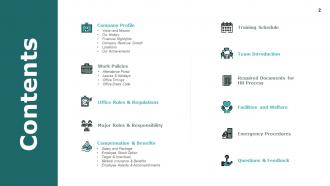
Diapositiva 2 : esta diapositiva muestra el contenido de la presentación.
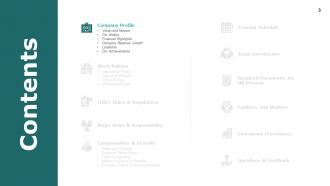
Diapositiva 3 : esta diapositiva destaca el perfil de la empresa de contenido.
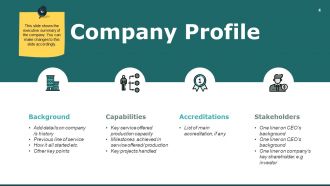
Diapositiva 4 : Esta diapositiva muestra el resumen ejecutivo de la empresa. Puede realizar cambios en esta diapositiva en consecuencia.
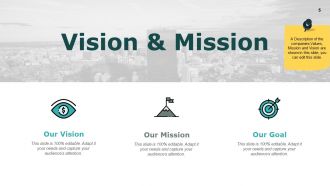
Diapositiva 5 : Esta es la diapositiva de Visión y Misión que describe los Valores, la Misión y la Visión de la empresa.
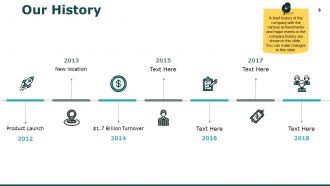
Diapositiva 6 : Esta diapositiva muestra Nuestro historial con la ayuda de una línea de tiempo.
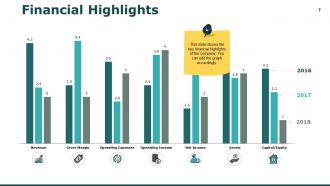
Diapositiva 7 : Esta diapositiva muestra los aspectos financieros más destacados de la empresa. Puede editar el gráfico en consecuencia.
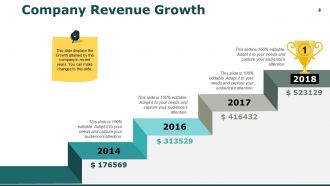
Diapositiva 8 : Esta diapositiva muestra el crecimiento alcanzado por la empresa en los últimos años.
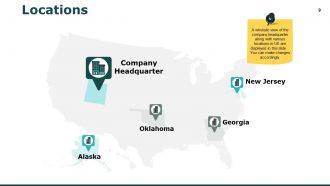
Diapositiva 9 : En esta diapositiva se muestra una vista integral de la sede de la empresa junto con varias ubicaciones en EE. UU.
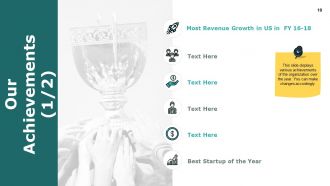
Diapositiva 10 : Esta es la diapositiva Nuestros logros con imágenes y cuadros de texto relacionados.
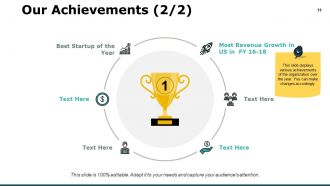
Diapositiva 11 : Esta es una diapositiva opcional para Nuestros logros.
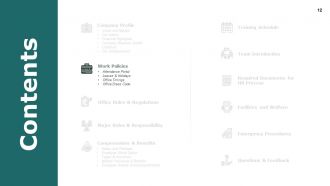
Diapositiva 12 : esta diapositiva destaca las políticas de trabajo de contenido.
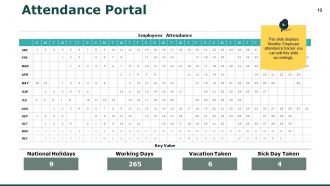
Diapositiva 13 : Esta diapositiva muestra el portal de asistencia mensual del empleado. Puede editar esta diapositiva en consecuencia.
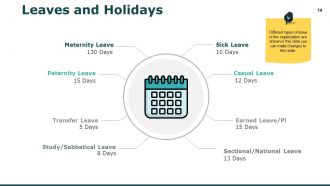
Diapositiva 14 : Esta diapositiva muestra diferentes tipos de permisos y días festivos en la organización.
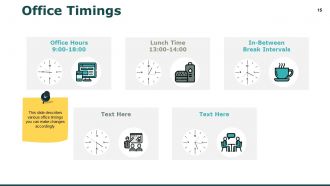
Diapositiva 15 : Esta diapositiva describe varios horarios de oficina. Puede realizar cambios en consecuencia.
Diapositiva 16 : Esta diapositiva describe el código de vestimenta que se sigue en la oficina.
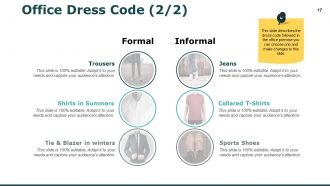
Diapositiva 17 : Esta es otra diapositiva que muestra el código de vestimenta de la oficina.
Diapositiva 18 : Esta diapositiva destaca las reglas y regulaciones de la Oficina de contenido.
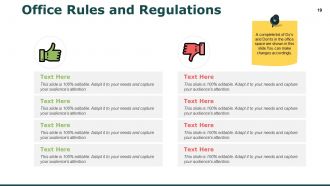
Diapositiva 19 : Esta diapositiva muestra las Reglas y Reglamentos de la Oficina con una lista completa de lo que se debe y no se debe hacer.
Diapositiva 20 : Esta diapositiva destaca las funciones y responsabilidades principales del contenido.
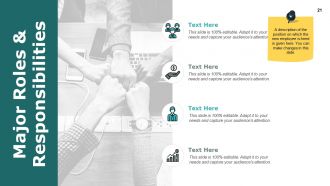
Diapositiva 21 : Esta diapositiva presenta las funciones y responsabilidades principales con imágenes y cuadros de texto relacionados.
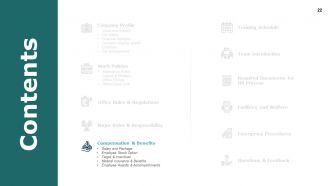
Diapositiva 22 : Esta diapositiva destaca la compensación y los beneficios del contenido.
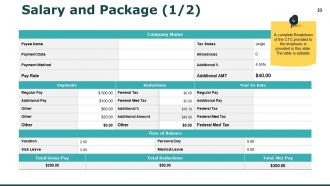
Diapositiva 23 : Esta diapositiva representa el salario y el paquete con un detalle del salario y otros beneficios ofrecidos por la empresa.
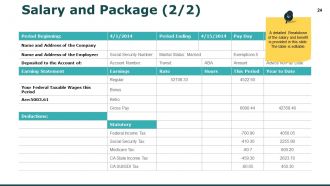
Diapositiva 24 : Esta es otra diapositiva que describe el salario y el paquete.
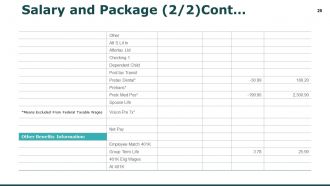
Diapositiva 25 : Esta es otra diapositiva que continúa Salario y paquete.
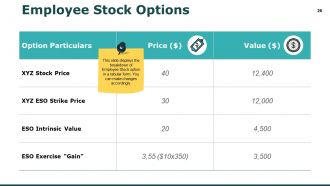
Diapositiva 26 : Esta diapositiva muestra el desglose de la opción Acciones para empleados en forma tabular.
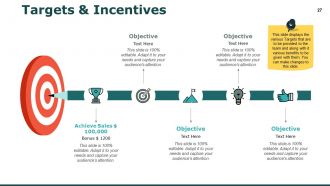
Diapositiva 27 : Esta diapositiva muestra los diversos Objetivos que se proporcionarán al equipo y, junto con ellos, los diversos beneficios que se brindarán con ellos.
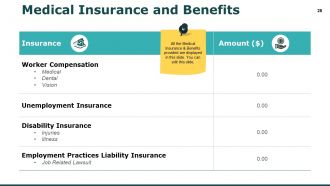
Diapositiva 28 : Esta diapositiva muestra el seguro médico y los beneficios proporcionados por la empresa.
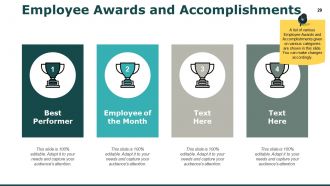
Diapositiva 29 : Esta diapositiva presenta las categorías de premios y logros de los empleados otorgados por la empresa.
Diapositiva 30 : Esta diapositiva destaca el Programa de capacitación de contenido.
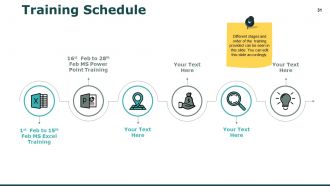
Diapositiva 31 : Esta diapositiva muestra el programa de entrenamiento con las diferentes etapas y el orden del entrenamiento proporcionado.
Diapositiva 32 : esta diapositiva destaca la introducción del equipo de contenido.
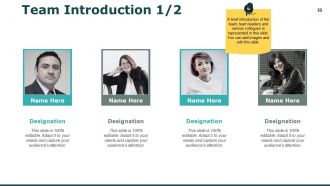
Diapositiva 33 : Esta diapositiva presenta la Introducción del equipo con nombres y designaciones.
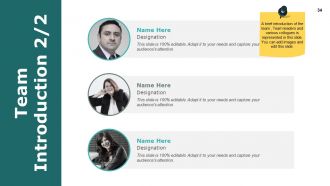
Diapositiva 34 : Esta es otra diapositiva sobre la Introducción del equipo.
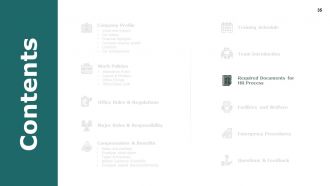
Diapositiva 35 : Esta diapositiva destaca el contenido de los documentos requeridos para el proceso de recursos humanos.
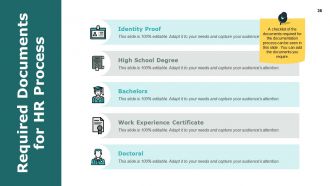
Diapositiva 36 : Esta diapositiva muestra los documentos necesarios para el proceso de recursos humanos.
Diapositiva 37 : Esta diapositiva destaca las instalaciones de contenido y el bienestar.
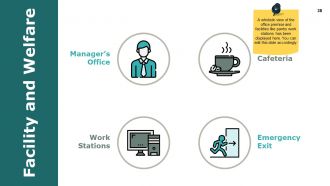
Diapositiva 38 : Esta diapositiva muestra las instalaciones y el bienestar con una vista integral de las instalaciones de la oficina y las instalaciones, como las estaciones de trabajo de la despensa, se muestran aquí.
Diapositiva 39 : Esta diapositiva destaca los Procedimientos de emergencia de contenido.
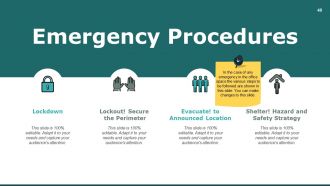
Diapositiva 40 : Esta diapositiva muestra los procedimientos de emergencia que describen varios pasos a seguir en caso de una emergencia.
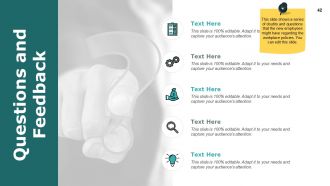
Diapositiva 41 : Esta diapositiva destaca las Preguntas y comentarios sobre el contenido.
Diapositiva 42 : Esta diapositiva muestra una serie de dudas y preguntas que los nuevos empleados pueden tener con respecto a las políticas laborales.
Diapositiva 43 : Esta diapositiva recuerda una pausa para el café de 30 minutos.
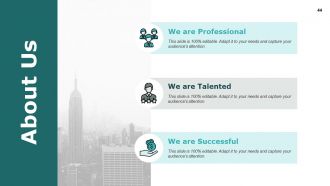
Diapositiva 44 : Esta es la diapositiva Acerca de nosotros para mostrar las especificaciones de la empresa, etc.
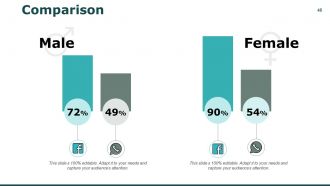
Diapositiva 45 : Esta es una diapositiva de comparación para establecer una comparación entre productos básicos, entidades, etc.
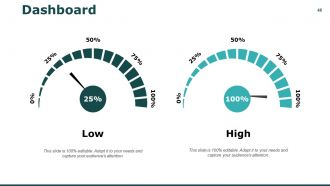
Diapositiva 46 : esta es una diapositiva del Panel de control con cuadros de texto adicionales para mostrar información.
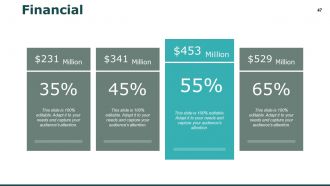
Diapositiva 47 : Esta es una diapositiva financiera. Muestre sus cosas relacionadas con las finanzas aquí.
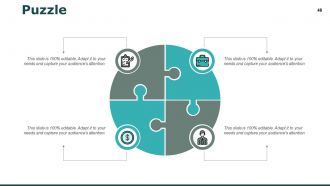
Diapositiva 48 : esta es una diapositiva de rompecabezas con cuadros de texto.
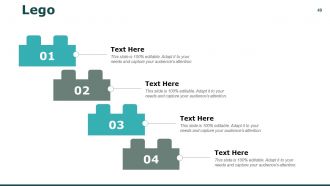
Diapositiva 49 : esta es una diapositiva de Lego con cuadros de texto adicionales.
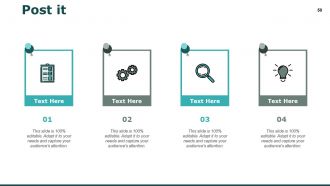
Diapositiva 50 : esta diapositiva se titula Publicarla. Publique sus notas importantes aquí.
Diapositiva 51 : Esta es una diapositiva de Bombilla o Idea para enunciar una nueva idea o resaltar información, especificaciones, etc.
Diapositiva 52 : esta es una diapositiva de Venn con cuadros de texto para mostrar información.
Diapositiva 53 : Esta es una diapositiva de agradecimiento con dirección, números de contacto y dirección de correo electrónico.
Diapositivas de presentación de Powerpoint de inducción de recursos humanos con las 53 diapositivas:
Genere el deseo de sobresalir en su grupo con nuestras diapositivas de presentación de Powerpoint de inducción de recursos humanos. Elaborar ejemplos inspiradores.



FAQs for Hr Induction
Oh definitely hit these five things! Company culture comes first - gotta set the right vibe from day one. Walk them through all the policy stuff (boring but necessary, trust me). Role-specific training is huge so they're not sitting there confused about their actual job. Introductions to the team and key people they'll work with - honestly this part gets overlooked way too much but it's so important. Then nail down clear goals for their first 90 days. Make yourself a checklist because those first weeks are always chaos and you'll forget something otherwise!
Honestly, remote onboarding can actually work better than in-person if you do it right. Send them a welcome package to their house - people love getting mail that isn't bills. Set up virtual coffee chats with teammates and do frequent short check-ins instead of those endless first-day meetings. Walk them through all the tech stuff via screen share (and have IT on standby because something always breaks). The best part? You'll finally document your processes properly since you have to explain everything over video. Oh, and definitely assign them a buddy for all those random questions that feel too dumb to ask in group calls.
Honestly, culture is what makes or breaks onboarding. You can teach someone their job duties pretty easily, but showing them how your team actually operates? That's the real challenge. New hires need to see what values actually matter (not just what's in the handbook) and pick up on those unwritten rules we all follow. I've seen inductions that totally skip this part and wonder why people don't stick around. When you mix in real stories, team interactions, and genuine examples throughout the process, people feel way more connected. Just make sure what you're showing reflects reality - nobody likes false advertising about workplace culture.
Honestly, just bake the feedback right into your timeline from the start. Week 1, month 1, month 3 - whatever works. Skip the generic "how's everything going?" nonsense and ask real questions about workload or if their role actually matches what they expected. Coffee chats work great for this stuff. Quick pulse surveys too if that's more your vibe. Here's the thing though - you've gotta actually do something with what people tell you, otherwise it's pointless. I'd set up some basic tracking so you can catch patterns and tweak things as you go.
Honestly, there's so much cool stuff you can use now. Learning Management Systems like Cornerstone let you build interactive modules instead of boring PDFs. Record welcome videos on any platform - new people love seeing actual faces. BambooHR handles all the annoying paperwork digitally. Slack's perfect for pairing newbies with mentors (we use it constantly). Miro does virtual office tours which sounds weird but actually works. Oh, and don't try implementing everything at once - I learned that the hard way. Pick one tool first, get comfortable with it, then add more. Your new hires will thank you.
Oh man, biggest mistake is info dumping everything on day one - their brain just shuts off. I've watched companies use the exact same boring slideshow for literally everyone, which is so lazy tbh. Mix it up based on their actual job! Don't make it a lecture either. Ask questions, get them talking. Honestly the worst part is when week two hits and they're just... forgotten? Space out the important stuff over their first month instead of cramming it all into one overwhelming morning. Nobody retains anything that way.
Honestly, focus on the stuff that actually tells you if people are sticking around - like 90-day retention and how fast new hires become useful. Manager feedback is gold too. I'd do quick surveys at 30, 60, and 90 days because nobody wants someone quietly drowning for months. Track if people are finishing your induction modules - low completion rates are a huge red flag. The sweet spot is when new people feel confident and actually connected to their team. Oh, and measure this stuff consistently or you won't catch the patterns. Once you do, tweaking the program becomes way easier.
Ditch the boring PowerPoint slides and tell actual stories instead. Real employee success stories work great - shows newbies they can actually grow there. The company's founding story helps too, makes people feel connected to the mission. Instead of just rattling off policies, use case studies so rules make sense in context. Honestly, the best inductions I've seen included stories about teams working through tough situations together. Shows what the culture's really like, you know? Having current employees share their awkward first-day moments is genius - makes new hires way less nervous. Just don't go overboard or you'll lose people.
Make it personal, not just another info dump. Have them meet the team properly - actual conversations, not org chart introductions. Pair them with a buddy who can answer the real questions (like where's the decent coffee). Mix things up with videos and interactive stuff, maybe some gamification if that fits your vibe. Give them small wins early on so they feel helpful instead of lost. Oh, and definitely check in during those first weeks - people appreciate when you actually listen to how it's going for them.
Honestly, HR induction is such a great chance to show your D&I values from day one. Get diverse team members to actually run parts of the process - way more impactful than just talking about it. During onboarding, highlight your diverse leadership and introduce those employee resource groups. Cover the basics like unconscious bias and inclusive language too. Oh, and make sure your materials actually show different backgrounds, not just stock photos of everyone looking weirdly happy. Track how new hires feel about inclusion in those first weeks. You'll be surprised what feedback reveals.
So you'll want to hit the main stuff first - employment contracts, workplace policies, health and safety training. Data protection too, obviously. New people need to know their rights and what's expected of them. Industry regulations depend on your business, but anti-discrimination policies are a must everywhere (seriously, some companies still screw this up somehow). Get signatures on everything - policy handbooks, training completions, the works. Oh, and make a checklist so you don't forget anything important. Trust me, it's way easier when you're bringing in multiple people at once.
Honestly, buddy systems work great if you do them right. Match each newbie with someone experienced - but don't just grab whoever's free that day. Think about personalities and work styles that'll actually click. Weekly check-ins at first, then maybe monthly once they find their groove. Here's the thing though - train your mentors a bit beforehand because most people genuinely want to help but have no clue what they're supposed to do. Oh, and make it official in your onboarding timeline or it'll get lost in all the usual chaos.
Honestly, just give them what they need to not panic on day one. Login stuff, who their boss is, key contacts - the bare minimum to function. Company culture matters too, but like the real deal, not whatever's in some dusty handbook. Safety and compliance you can't skip obviously. Here's the thing though - don't dump everything at once. Save the company history lecture and benefits deep-dive for week two when they're not already overwhelmed. First week's about survival mode. Oh, and make sure they know who to bug when something breaks or they're totally lost.
Oh totally do this! New people get such a narrow view when they only meet their own team. I always think it's weird how companies introduce someone to like 5 people when they'll actually work with dozens. Coffee chats work great - super low pressure. Or have them shadow different departments for a morning. We did this thing where marketing sat with ops for half a day and it prevented SO many headaches down the road. Just don't make it feel like some formal program, you know? Start with teams that actually collaborate daily and build from there.
Honestly, everyone's doing personalized onboarding now - like, actually tailored to your role instead of the same boring orientation for everyone. Companies are using AI platforms and mobile apps so new hires can go at their own pace, which makes way more sense. Pre-boarding is where it's at though. Starting the process before day one? Total game-changer for keeping people engaged. Oh, and they're stretching onboarding out over 6-12 months instead of dumping everything on you in week one. If you're still doing PowerPoint death by slides and paper forms, yikes. Survey your recent hires first - they'll tell you exactly what sucks.
-
Awesome
-
Perfect
-
Wonderful presentation
-
best help from your side.
-
Great designs, really helpful.
-
Very good