


Ibp processes powerpoint presentation slides




Try Before you Buy Download Free Sample Product
 Impress Your
 Audience
 100%
100% Editable
 Save Hours
 of Time


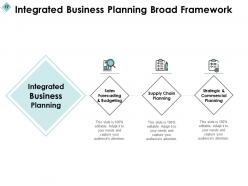
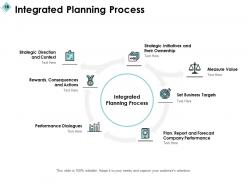
Maximize cash flow for generating high revenue using these IBP Processes PowerPoint Presentation Slides. Utilize these business planning PowerPoint templates to show the strategic plan and operational plan along with their components. Take advantage of these business plan PPT slides to clearly portray the mission, vision, strategy, goals, and objectives of your organization. Take the assistance of these business process PPT visuals to identify opportunities, analyze market, assess competition, optimize the solution, and plan strategy. Moreover, you can also show the IBP planning framework that includes sales forecasting, supply chain planning, strategic & commercial planning using these business plan PPT layouts. Unveil the steps of an integrated planning process like setting business targets, measuring value, planning, reporting, forecasting, strategic direction, performance dialogues, etc. Download these IBP process PPT infographics and convert business results into financial and operational resource requirements.
People who downloaded this PowerPoint presentation also viewed the following :
Content of this Powerpoint Presentation
Slide 1: This slide introduces IBP Process. State your company name and begin.
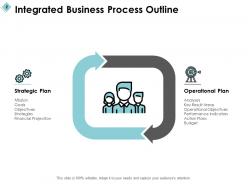
Slide 2: This slide showcases the outline of Integrated Business Process.
Slide 3: This slide showcases Strategic Planning.
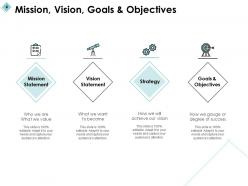
Slide 4: This slide displays Mission, Vision, Goals & Objectives.
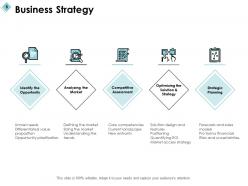
Slide 5: This slide describes the Business Strategy. Showcase the strategies.
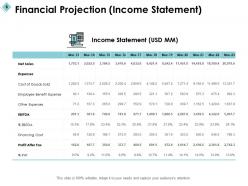
Slide 6: This slide displays Financial Projection.
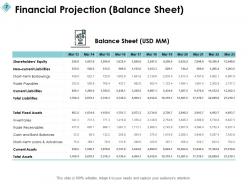
Slide 7: This slide displays Financial Projection-Balance Sheet.
Slide 8: This slide describes Operational Plan.
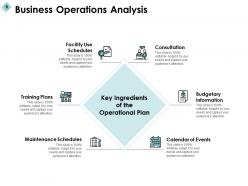
Slide 9: This slide depicts Business Operations Analysis. Discuss the key ingredients of the operation plan.
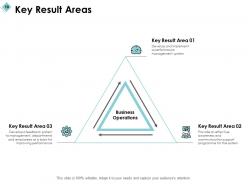
Slide 10: This slide displays the Key Result Areas of business operations.
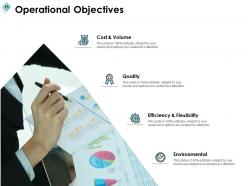
Slide 11: This slide showcases the Operational Objectives such as- Cost & Volume Quality, Efficiency & Flexibility and Environmental.
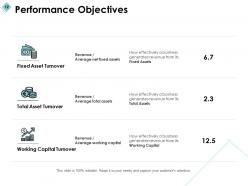
Slide 12: This slide showcases Performance Objectives describing- Fixed Asset Turnover, Total Asset Turnover and Working Capital Turnover.
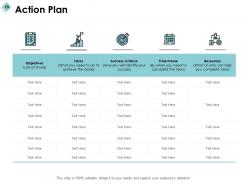
Slide 13: This slide describes the Action Plan.
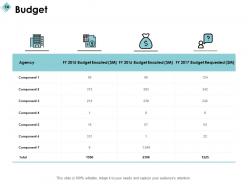
Slide 14: This slide displays the Budget.
Slide 15: This slide displays time for Coffee Break.
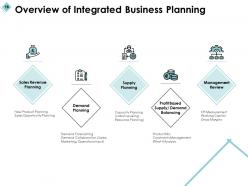
Slide 16: This slide presents the Overview of Integrated Business Planning.
Slide 17: This slide represents Integrated Business Planning Broad Framework.
Slide 18: This slide showcases Integrated Planning Process such as- Strategic Initiatives and their Ownership, Measure Value, Set Business Targets, Plan, Report and Forecast Company Performance etc.
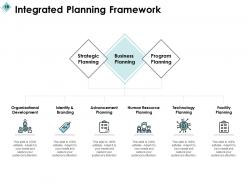
Slide 19: This slide showcases Integrated Planning Framework containing- Business Planning, Strategic Planning, Program Planning, Organizational Development, Identity & Branding, Advancement Planning.
Slide 20: This is IBP Processes Icons Slide.
Slide 21: This slide is titled as Additional Slides for moving forward.
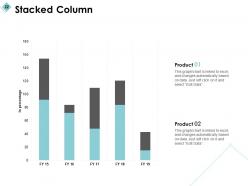
Slide 22: This slide displays Stacked Column chart with products comparison.
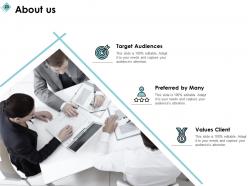
Slide 23: This is About us slide with company specifications.
Slide 24: This is Our Mission slide. Showcase your Vision, Mission and Goals.
Slide 25: This is Meet The Team slide with names and designations.
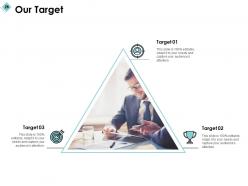
Slide 26: This is Our Target slide. Showcase the targets of your company.
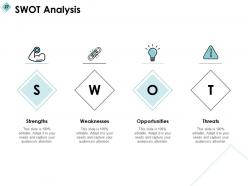
Slide 27: This slide presents SWOT Analysis. Showcase strengths, Weaknesses, Opportunities and threats.
Slide 28: This is Quotes slide. You can mention your quotes here.
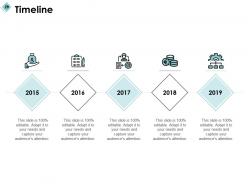
Slide 29: This is Timeline slide.
Slide 30: This is Thank You slide with Address, Contact number and Email address.
Ibp processes powerpoint presentation slides with all 30 slides:
Appear confident and assured with our PTS. Display an exceptional degree of awareness.






FAQs for Ibp processes
Okay so IBP breaks down into four main pieces - demand planning, supply planning, financial planning, and scenario modeling. Most people start with forecasting demand, then work backwards to figure out supply constraints and capacity stuff. Financial planning connects everything to your budget and profit margins. Here's the thing though - scenario planning is where I see companies totally drop the ball. You've gotta model different what-if situations or you're flying blind. The whole idea is getting these teams to actually talk to each other instead of working in silos. I'd map out who owns what in your org first - that'll show you exactly where things are falling through the cracks.
So basically, IBP bakes the financial stuff right into your demand and supply planning instead of keeping it separate like traditional S&OP does. With the old way, you'd plan your volumes first, then finance would crunch the numbers after - which honestly creates a lot of headaches. IBP shows you both volume and financial impacts at the same time. Way better for seeing profitability and making quick trade-offs. My old company was stuck on traditional S&OP for way too long. You'll save yourself so much back-and-forth between ops and finance teams if you can push for IBP integration.
Honestly, tech makes IBP so much easier once you get it right. Real-time data from everywhere, automated forecasting, cloud platforms so your team can collaborate from anywhere - it's pretty sweet. The analytics are probably the coolest part though, they'll catch patterns you'd totally miss doing it by hand. My advice? Don't go crazy buying everything at once. Figure out what's driving you nuts first, then find tools that actually play nice with whatever systems you're already using. Otherwise you just end up with more headaches instead of fewer.
Honestly, the key is making your strategy actually talk to your day-to-day plans in those IBP meetings. Break down your big goals into stuff each team can actually measure - so revenue targets become real demand forecasts, expansion plans turn into capacity decisions. Then (and this is where most companies screw up) you've got to keep checking these connections in your S&OP cycles. Can't just set it once and walk away. I see way too many places where strategy sits in fancy presentations while ops people are just winging it with spreadsheets. Build in regular checkpoints so you're always asking - do our operational moves still make sense for where we're trying to go?
Start with forecast accuracy - that's what actually matters for your IBP process. Look at demand planning accuracy, supply plan adherence, and financial forecast variance too. Those three will tell you if things are working. Cycle time metrics are worth tracking since nobody wants those monthly meetings to drag on forever (learned that the hard way). Customer service levels and inventory turns show whether your planning translates to real results. Oh, and if your forecast accuracy is garbage, dig into your demand sensing first - that's usually where the problem starts.
So demand forecasting and supply planning work hand-in-hand - you forecast what customers want, then supply figures out how to make it happen. Production schedules, inventory, capacity... all built on that initial forecast. Though honestly, forecasts are wrong like 90% of the time anyway! Regular meetings between your demand and supply teams are crucial. Monthly at minimum. Otherwise you get that nightmare scenario where sales promises customers stuff you can't actually deliver. Cross-functional reviews help everyone stay on the same page about constraints and what's realistic. Way better than finding out last minute that your brilliant forecast is impossible to execute.
Getting departments to actually talk to each other is the worst part - finance, sales, ops all doing their own thing. Your data's gonna be messy too since you're pulling from systems that hate each other. Oh, and people will fight you on changing how they work because honestly, who likes change? Start with getting the executives excited about it first. Buy some solid integration tools, maybe hire someone who knows change management (trust me on this one). Run a small pilot before you go crazy and try to fix everything. Baby steps work way better than going all-in from day one.
Honestly, you've gotta get everyone working toward the same goals instead of protecting their own turf. Joint KPIs are huge - suddenly sales can't just chase revenue while ops worries about capacity. Cross-functional workshops help too, though they feel awkward at first. People don't realize how much they're stepping on each other until they actually talk. Rotate who runs your IBP meetings so finance doesn't dominate every conversation. Oh, and don't just celebrate at the end - find small wins along the way when teams actually collaborate. Makes the whole thing feel less like corporate theater and more like actual teamwork.
So scenario planning is basically stress-testing your business plans against different "what if" situations. You model things like demand drops, supply chain issues, market shifts - then see how you'd actually handle them. When your boss inevitably asks "what happens if sales tank 15%?" you're not scrambling for answers. Start with maybe 3-4 realistic scenarios that cover your biggest worries. Build backup plans for each one. It's way better than just crossing your fingers and hoping nothing goes wrong (which, let's be honest, something always does).
Honestly, data analytics just stops you from guessing all the time with IBP stuff. You'll actually see demand patterns and catch supply chain issues before they blow up your budget. The forecasting part is huge - I've watched teams cut their planning mistakes by like 30-40% once they started using their historical data right. Real-time dashboards are pretty sweet too since you can see if your plans are actually working or totally off track. My advice? Don't go crazy at first. Pick something simple like demand forecasting, nail that down, then move to other areas once you've got momentum.
Oracle IBP and SAP IBP are your best bets - they're designed for this stuff and handle all the demand/supply complexity. Anaplan's pretty good too if your team isn't super tech-savvy. You could start with Excel for smaller ops, but trust me, you'll outgrow it fast. Actually had a client try that route and they were pulling their hair out within six months. Integration with your ERP is huge though. Make sure whatever you pick can grab real-time data from sales, finance, ops. Map out your data sources first before you even start shopping around.
Honestly, get your leadership on board first - without that you're dead in the water. Then loop in your key people early so they don't feel blindsided. Training's going to be way more extensive than you think, trust me on that one. I'd go for some quick wins to prove this isn't just another flavor-of-the-month thing that'll disappear. Put change champions in each department to handle the daily grumbling and questions. Oh, and don't try to do everything at once - phase it out over time or you'll overwhelm everyone.
Start by getting everyone access to the actual data - can't discuss numbers nobody can see. Focus meetings on the weird stuff and big variances instead of going through every single line item (learned this the hard way). Give each action item a real owner with deadlines. Don't let anyone escape without committing to something concrete. Honestly, half these meetings are just PowerPoint theater without real accountability. Here's the thing though - send out notes and action items within 48 hours or people will conveniently "forget" what they agreed to do. Works every time.
So basically, IBP connects all your financial and operational planning in one place, which makes risks way more visible. You can run different scenarios - like what happens if supply chains get messy or demand suddenly drops. The real magic is that teams actually start talking to each other during those monthly cycles, so problems get caught earlier. Honestly, the stress-testing part is probably my favorite feature since you can play out worst-case scenarios before you're stuck with bad decisions. Each month you're reassessing and tweaking your risk strategies as things change.
So IBP basically makes sure you actually have stuff when customers want it - no more "sorry we're out of stock" nonsense. Your demand forecasts start matching what you can actually deliver. The visibility into customer patterns is pretty sweet too, so you can adjust inventory before problems hit. What really makes the difference though? Getting sales, ops, and finance on the same page - suddenly promises don't turn into broken commitments. I'd honestly start by looking at your biggest customer complaints first and see where IBP could fix those specific headaches.
No Reviews