

Information Technology Company Profile Powerpoint Presentation Slides




Try Before you Buy Download Free Sample Product
 Impress Your
 Audience
 100%
100% Editable
 Save Hours
 of Time


A company profile is an effective way to present the business to possible customers and stakeholders about the unique product and service offerings of the business. It also highlights the various aspects of the company structure, work environment, and leadership. The Information Technology company profile showcases a business outline, key statistics, firm details, awards and recognition along with top offerings to provide a brief introduction to the organization. Moreover, it covers the vision, mission, and values of the company. It also includes IT solutions, IT services, research and development spending, company patent grants, the latest IT technology, and upcoming IT technology. Furthermore, the slide shows a business model canvas to provide brief details of company activities, cost structure, and revenue stream. It captures the historic journey, international footprint, management team, organization chart, workforce distribution, and ownership structure. Additionally, The slides depict company financials with multiyear data for revenue, gross profit, operating profit, net profit, and their distribution by category. It also provides brief insights into strategic partners, industry served, major business customers, and client testimonials. Finally, the profile focus on the competitor comparison report, SWOT analysis, expansion strategies, future plans, and CSR activities and expenditure, followed by case studies. Download our professionally curated and customizable company profile ppt to know more details.
People who downloaded this PowerPoint presentation also viewed the following :
Content of this Powerpoint Presentation
Slide 1: This slide displays the title Information Technology Company Profile
Slide 2: This slide exhibit table of content.
Slide 3: This slide also exhibits table of content.
Slide 4: The slide showcases the company’s executive summary that includes business introduction and key statistics.
Slide 5: The slide showcases the company overview illustrating its business details.
Slide 6: The slide highlights the guiding company values for information technology company.
Slide 7: The slide showcases the information technology solutions offered by company for corporate clients.
Slide 8: The slide showcases range of information technology services offered by company for customers.
Slide 9: This slide shows the research and development spend by IT company.
Slide 10: This slide highlights the total patents granted to company in 2022 in multiple categories of IT.
Slide 11: This slide highlights latest technologies employed by company to provide exclusive solutions and services to corporate clients as per requirements.
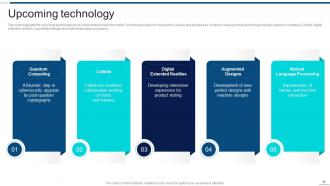
Slide 12: This slide highlights the upcoming technologies to be implemented in the Information Technology industry to improve the services and provide new solutions.
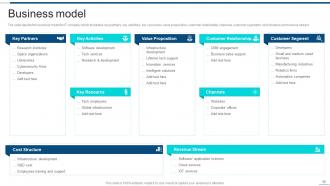
Slide 13: The slide depicts the business model for IT company.
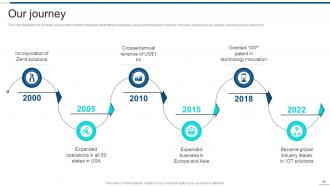
Slide 14: The slide highlights the company journey with multiple milestones.
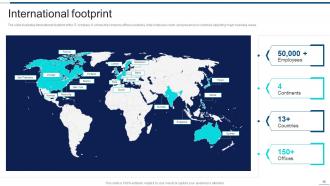
Slide 15: The slide illustrates international footprint of the IT company.
Slide 16: The slide highlights the management team of the IT company.
Slide 17: The slide highlights the organizational chart for IT company.
Slide 18: The slide highlights the workforce structure and total employee count for five years.
Slide 19: The slide highlights the IT company ownership structure for current year.
Slide 20: The slide highlights the strategic partners of IT company to leverage the core competencies of partner entities.
Slide 21: The slide highlights the key industries served by IT company through various solutions and services.
Slide 22: The slide highlights the major business customers from USA and other countries.
Slide 23: The slide highlights the client testimonials post for company solutions and services to build credibility and trust.
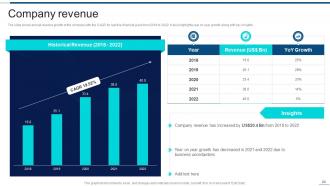
Slide 24: The slide shows annual revenue growth of the company with the CAGR for last five financial years from 2018 to 2022.
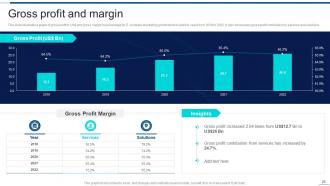
Slide 25: This slide illustrates a graph of gross profit and gross margin in percentage for IT company illustrating growth trend in last five years from 2018 to 2022.
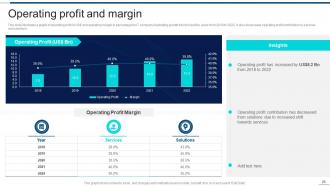
Slide 26: This slide illustrates a graph of operating profit and operating margin in percentage for IT company illustrating growth trend in last five years from 2018 to 2022.
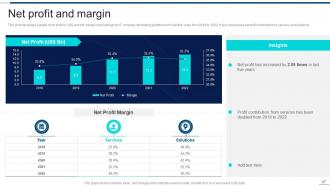
Slide 27: This slide illustrates a graph of net profit and net margin in percentage for IT company illustrating growth trend in last five years from 2018 to 2022.
Slide 28: The slide highlights the historical revenue and profit for services and solutions.
Slide 29: The slide highlights the revenue and profit split by geography from 2018 to 2022.
Slide 30: The slide highlights the competitor comparison report for IT company.
Slide 31: The slide highlights the SWOT analysis for IT company.
Slide 32: The slide highlights the expansion strategies and future plans for IT company.
Slide 33: The slide highlights the major corporate social responsibility activities performed by company.
Slide 34: The slide highlights the corporate social responsibility spending for last five years.
Slide 35: This slide shows the case study.
Slide 36: This slide shows the case study which includes the challenge faced by the client in the development of remote working platform with connectivity and data management.
Slide 37: This slide represents the icons slide.
Slide 38: This slide presents title for additional slides.
Slide 39: This slide presents about us of the company.
Slide 40: This slide presents your company's vision, mission and goals.
Slide 41: This slide displays Venn.
Slide 42: This slide shows roadmap of company.
Slide 43: This slide exhibits yearly profits stacked line charts for different products.
Slide 44: This slide exhibits yearly profits stacked culustered column charts for different products.
Slide 45: This slide shows target of the company.
Slide 46: This slide shows puzzle for displaying elements of company.
Slide 47: This is thank you slide & contains contact details of company like office address, phone no., etc.
Information Technology Company Profile Powerpoint Presentation Slides with all 52 slides:
Use our Information Technology Company Profile Powerpoint Presentation Slides to effectively help you save your valuable time. They are readymade to fit into any presentation structure.
-
Information Technology Company Profile
-
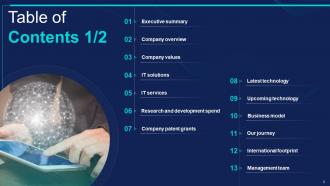
Table of Contents 1 2
-
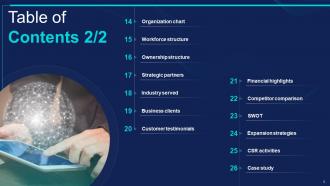
Table of Contents 2 2
-
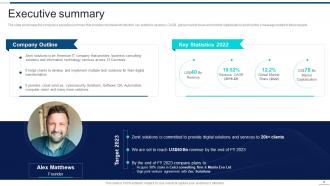
Executive summary
-
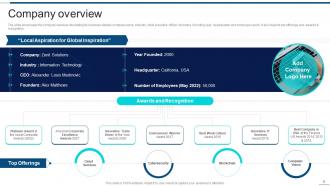
Company overview
-
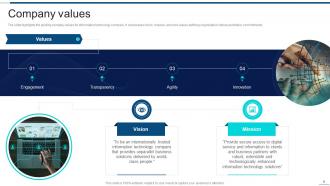
Company values
-
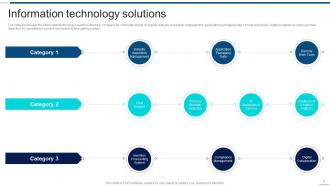
Information technology solutions
-
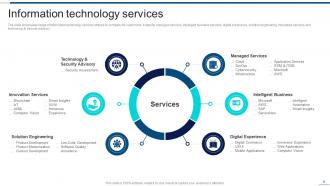
Information technology services
-
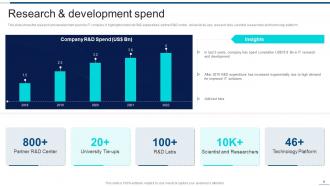
Research development spend
-
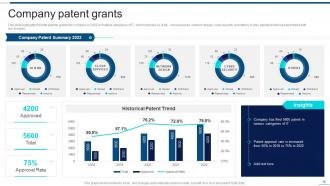
Company patent grants
-
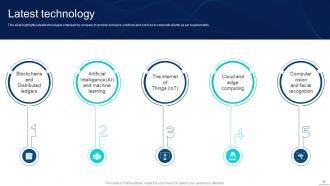
Latest technology
-
Upcoming technology
-
Business model
-
Our journey
-
International footprint
-
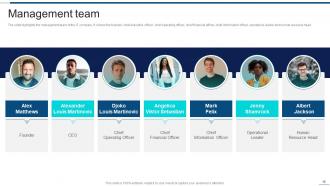
Management team
-
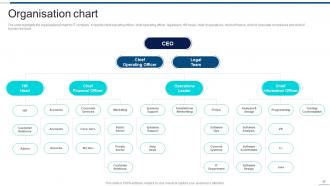
Organisation chart
-
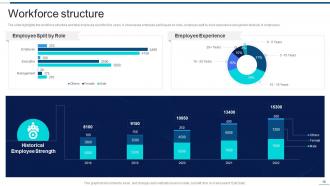
Workforce structure
-
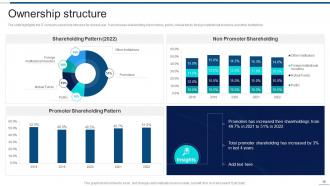
Ownership structure
-
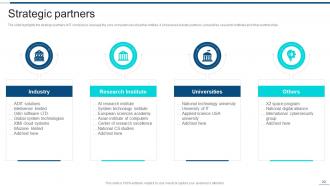
Strategic partners
-
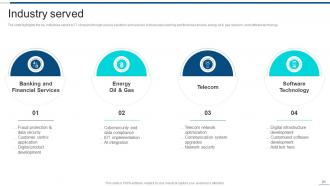
Industry served
-
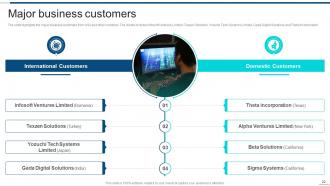
Major business customers
-
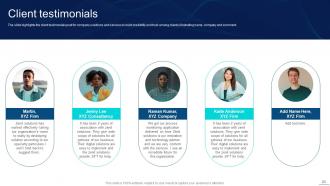
Client testimonials
-
Company revenue
-
Gross profit and margin
-
Operating profit and margin
-
Net profit and margin
-
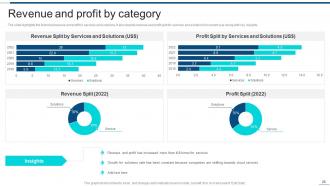
Revenue and profit by category
-
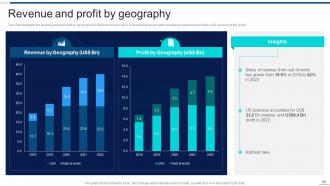
Revenue and profit by geography
-
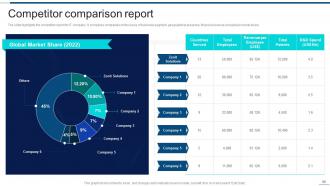
Competitor comparison report
-
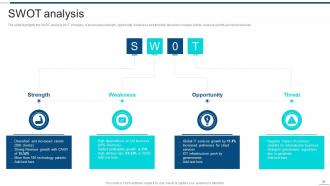
SWOT analysis
-
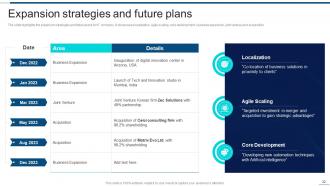
Expansion strategies and future plans
-
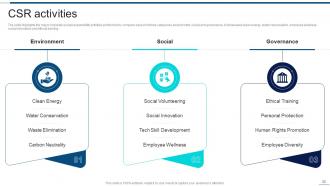
CSR activities
-
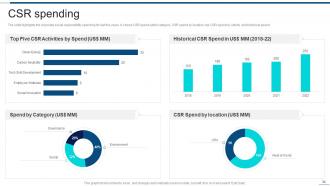
CSR spending
-
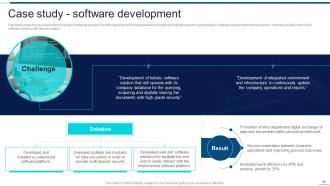
Case study software development
-
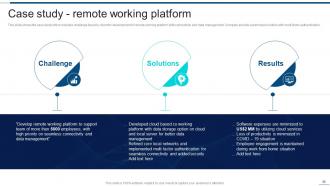
Case study remote working platform
-
Icons slide for information technology company profile
-
Additional slides
-
About us
-
Our vision and mission
-
Venn diagram
-
Roadmap
-
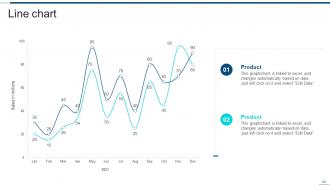
Line chart
-
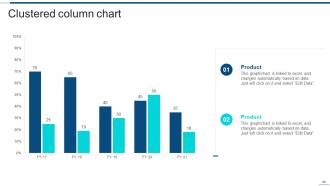
Clustered column chart
-
Target
-
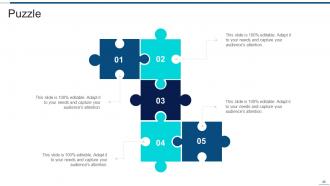
Puzzle
-
Thank you
-

-

-

-

-

FAQs for Information Technology Company Profile
We've got four main things we do: cloud stuff and migrations, custom software builds, cybersecurity, and IT consulting. System integration is honestly where we kill it though - everyone's got old systems that hate talking to new ones, you know? Cybersecurity's been huge lately with all the remote work headaches. Oh, and compliance stuff too. Check our case studies to see what matches your situation, or just text me and I'll hook you up with whoever runs that area. Way easier than trying to figure it out from our website.
Look, most IT companies are generalists trying to handle everything. We're different - manufacturing is literally all we do. Been focused on mid-market manufacturers for years, so we actually understand how your ERP connects to production lines and all that messy legacy stuff. Other firms spend weeks just figuring out what you're working with. Honestly, it's kind of ridiculous how long some implementations take. We come in knowing these systems already. Our case studies show we're about 40% faster than typical because we've seen it all before. Specialization pays off.
We mostly work with healthcare, finance, and manufacturing - three totally different beasts. Healthcare's obsessed with HIPAA compliance and zero downtime since, you know, people's lives are on the line. Finance wants everything bulletproof for security plus instant transaction processing. Manufacturing's all about connecting IoT devices and predicting when machines'll break before they actually do. Honestly, you can't use the same pitch for all three. What a hospital needs sounds like overkill to a factory, and banking requirements would make a clinic's head spin. Each sector has its own weird quirks you've gotta learn.
So we do this whole defense-in-depth thing - endpoint protection, network monitoring, pen testing, the works. All your data gets encrypted whether it's stored or moving around. Zero-trust architecture too, which honestly sounds fancy but just means we don't trust anything by default lol. The threat landscape is insane right now, changes constantly. That's why employee training is huge - people are usually the weakest link, not gonna lie. We customize everything based on your actual risk profile and what compliance stuff you need. Just grab a security assessment with our team and we'll walk through what needs fixing.
So we mainly work with AWS and Azure for cloud stuff, plus the usual web frameworks - React, Node.js, Django. Picked these because honestly? They're what clients actually ask for, not just whatever's trendy. Docker and Kubernetes are huge for us too since deployment becomes way less of a headache. The community support around these technologies is solid, which matters more than people think. Oh, and they all play nice in enterprise setups. If you're starting something new, I'd probably go cloud-native since that's where we can move the fastest and won't hit any weird roadblocks.
Honestly? Make it a habit or you'll never keep up. I block out time each week for scanning tech blogs and following industry people on LinkedIn. Newsletters work too - TechCrunch, Ars Technica, stuff like that. Twitter was perfect for this before Elon... whatever. Monthly webinars help, and our team actually talks trends during standups which is pretty smart. Don't try following everything though - you'll burn out fast. Pick maybe 3-4 solid sources and stick with them. Way better than hoping you'll randomly catch the big stuff.
So we hit 92% on-time delivery over the last two years. Budget-wise it's around 88% at or under target - honestly that one's trickier since clients always want to add stuff halfway through. But our change order process got way better. Project managers now do these weekly check-ins that catch problems early, which is probably why we jumped from like 75% a couple years back. Pretty solid improvement if you ask me. There's this dashboard thing that shows real-time numbers broken down by team and project type, so you can dig into the specifics if you want.
So we've got some solid partnerships that really help out. AWS and Microsoft Azure handle our cloud stuff, plus there's Salesforce for CRM work. The CrowdStrike cybersecurity partnership has been huge - like, seriously saves us so much headache with enterprise clients who freak out about security threats. We're constantly looking at new ones too, especially AI partnerships right now since that's where everything's heading. Oh, and if you're putting together a proposal and think some specific integration would help sell it, just shoot me a message. I can dig into what partnerships might actually fit your project.
Look, we keep it simple - you can hit us up however works for you. Email, phone, live chat, that client portal thing. Bigger clients get their own dedicated person because let's be real, nobody wants to repeat their whole story every damn time. For smaller accounts, our team keeps good notes so you're not starting from zero. We'll actually reach out first about maintenance stuff or new features. Oh, and regular check-ins too. Bottom line? You won't get stuck in phone tree hell - you'll talk to someone who actually knows your situation.
Honestly, the biggest thing is weaving QA throughout everything instead of dumping it all at the end. Start with solid requirements gathering, then do code reviews while you're actually developing. Automated tests should run constantly - I can't stress this enough. Your QA engineers need to test features as they're getting built, not weeks later. Manual testing still catches the bizarre stuff that slips through though. Make sure your test environments match production as closely as you can manage. Document your test cases properly and set up regression testing so new features don't completely wreck existing ones. Just start small if this sounds overwhelming!
They're pretty serious about the diversity stuff here, not just lip service. The company tracks metrics openly and actually funds the employee resource groups properly. Skip-level meetings happen specifically for inclusion feedback - weird but cool. Training covers unconscious bias and equitable reviews for managers. Anyone can join the ERGs regardless of background, which I think is smart. Mentorship pairs people from different backgrounds together. Flexible work helps accommodate different life situations. Oh, and quarterly surveys where your feedback changes actual policies. Honestly wasn't expecting it to be this thorough when I started.
Oh totally! We've got around 15 solid case studies in the client portal - ROI stuff, migrations, the whole digital transformation thing. The healthcare one is honestly our best bet to show off. Cut their processing time by 60% and they're super happy to talk about it. Then there's this retail chain where we basically rescued their entire holiday season (sounds dramatic but it's actually true lol). Everything's in the sales resources folder, or I can just shoot you the highlights if you need something fast for your pitch. Way easier than digging through everything.
Look, continuous training is literally what keeps us sane in this industry. Everything changes so fast - I swear the framework I learned last year is already getting replaced. We get learning budgets and access to stuff like Pluralsight, plus regular workshops. The company actually wants us spending 10% of work time just learning new tech or going deeper on what we already know. Way better than those awful once-a-year training things most places do. You just gotta make it a habit instead of cramming when you're panicking about falling behind.
Honestly, I'd track the obvious stuff first - uptime, speed improvements, cost savings. Executives eat that up. But the real magic happens in those casual client calls where they're like "dude, this actually saved my team 3 hours every day." Set your success metrics during planning (learned this the hard way), then do check-ins at 30, 90, and 180 days. Mix the hard data with actual user stories. Sometimes a quick "hey, how's it going?" conversation tells you way more than any dashboard ever could.
Honestly, we're just trying to stay ahead of all this crazy tech stuff happening - AI, cloud shifts, edge computing, you know? Things move so fast it's ridiculous. Instead of always playing catch-up, we want to be the ones helping other businesses actually navigate this mess. Building flexible solutions is key so we can roll with whatever breakthrough hits next. Could be some AI thing we haven't even imagined yet. Your team should probably think about making current projects more modular. That way you're not scrambling when the next big thing drops.
-
Easy to use and customize templates. Helped me give a last minute presentation.
-
SlideTeam offers so many variations of designs and topics. It’s unbelievable! Easy to create such stunning presentations now.