


Presentación de diapositivas de PowerPoint sobre gestión de infraestructura





Try Before you Buy Download Free Sample Product
 Impress Your
 Audience
 100%
100% Editable
 Save Hours
 of Time


Utilice nuestras Diapositivas de presentación de PowerPoint de Gestión de Infraestructura específicas del tema para proporcionar a los espectadores una imagen clara de nuestros procesos y servicios de construcción. Con la ayuda de este llamativo diseño de presentación de gestión de estructuras, puede resaltar sus servicios de infraestructura como refrigeración de energía, software de gestión, servidores, redes y almacenamiento. Aproveche nuestra plantilla de presentación de gestión de edificios visualmente atractiva para explicar en detalle las principales tendencias tecnológicas, como la infraestructura estratégica, táctica y operativa. Las diapositivas de PPT contienen un amplio espacio donde puede mostrar el gráfico del tamaño del mercado de su infraestructura general. Emplee este tema de PowerPoint de gestión de infraestructura diseñado profesionalmente para mencionar la gestión del ciclo de vida de los activos. Incluye planificación y compra, eliminación y reacondicionamiento, adquisiciones y puesta en marcha, asignación y seguimiento, y mantenimiento y cumplimiento. Aproveche esta diapositiva de PPT de gestión de infraestructura externamente atractiva para elaborar sobre la evaluación de riesgos y el modelado de deterioro. Aquí se incluyen iconos y visuales de alta calidad con los que puede diseñar una representación pictórica de la optimización de la infraestructura. Actualice las tecnologías de su organización y crezca de manera eficiente en el mercado descargando nuestra plantilla de presentación de PowerPoint de gestión de infraestructura lista para usar.
People who downloaded this PowerPoint presentation also viewed the following :
Contenido de esta presentación de Powerpoint
Diapositiva 1: Esta diapositiva presenta la Gestión de Infraestructura. Indique el nombre de su empresa y comience.
Diapositiva 2: Esta diapositiva muestra el contenido de la presentación.
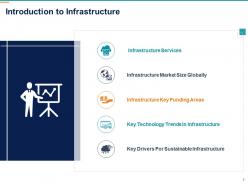
Diapositiva 3: Esta diapositiva muestra la Introducción a la Infraestructura.
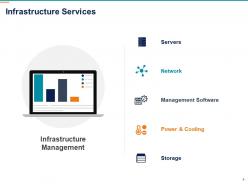
Diapositiva 4: Esta diapositiva representa los Servicios de Infraestructura con: Gestión de Infraestructura, Servidores, Redes, Energía y Refrigeración, Almacenamiento, Software de Gestión.
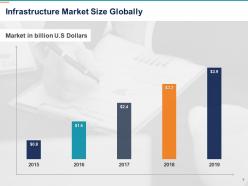
Diapositiva 5: Esta diapositiva muestra el Tamaño del Mercado de Infraestructura a nivel mundial.
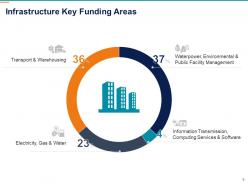
Diapositiva 6: Esta diapositiva representa las Áreas Clave de Financiamiento de Infraestructura.
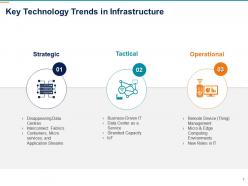
Diapositiva 7: Esta diapositiva muestra las Tendencias Tecnológicas Clave en Infraestructura.
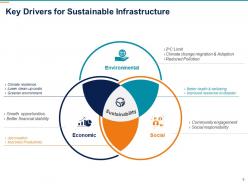
Diapositiva 8: Esta diapositiva muestra los Impulsores Clave para una Infraestructura Sostenible.
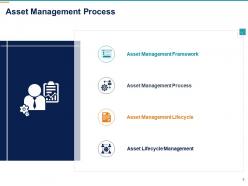
Diapositiva 9: Esta diapositiva presenta el Proceso de Gestión de Activos.
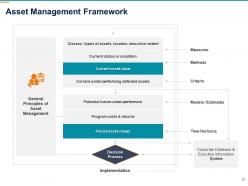
Diapositiva 10: Esta diapositiva representa el Marco de Gestión de Activos.
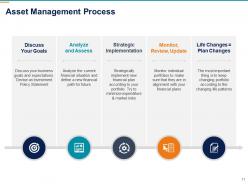
Diapositiva 11: Esta diapositiva muestra el Proceso de Gestión de Activos. Discuta sus objetivos comerciales y expectativas. Elabore una Declaración de Política de Inversión.
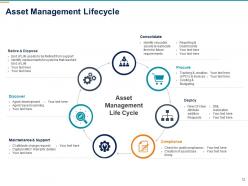
Diapositiva 12: Esta diapositiva muestra el Ciclo de Vida de la Gestión de Activos.
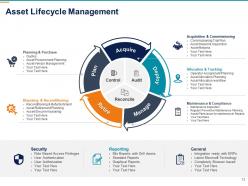
Diapositiva 13: Esta diapositiva representa la Gestión del Ciclo de Vida de los Activos.
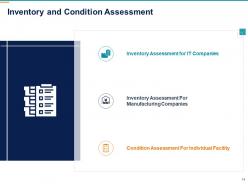
Diapositiva 14: Esta diapositiva representa el Inventario y la Evaluación de Condiciones.
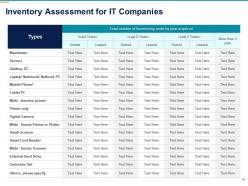
Diapositiva 15: Esta diapositiva muestra la Evaluación de Inventario para Empresas de TI.
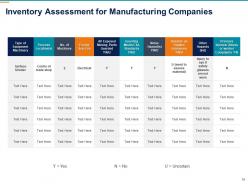
Diapositiva 16: Esta diapositiva muestra la Evaluación de Inventario para Empresas Manufactureras.
Diapositiva 17: Esta diapositiva representa la Evaluación de Condiciones para Instalaciones Individuales.
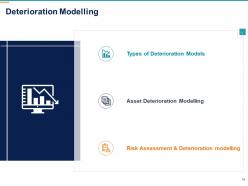
Diapositiva 18: Esta diapositiva representa la Evaluación de Riesgos y el Modelado de Deterioro.
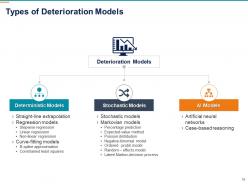
Diapositiva 19: Esta diapositiva muestra los Tipos de Modelos de Deterioro.
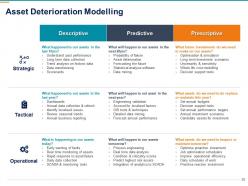
Diapositiva 20: Esta diapositiva representa el Modelado de Deterioro de Activos.
Diapositiva 21: Esta diapositiva muestra la Evaluación de Riesgos y el Modelado de Deterioro.
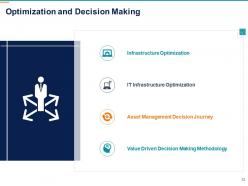
Diapositiva 22: Esta diapositiva muestra la Optimización y la Toma de Decisiones.
Diapositiva 23: Esta diapositiva representa la Optimización de Infraestructura.
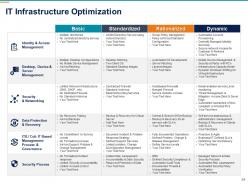
Diapositiva 24: Esta diapositiva muestra la Optimización de la Infraestructura de TI.
Diapositiva 25: Esta diapositiva muestra el Recorrido de Toma de Decisiones de Gestión de Activos.
Diapositiva 26: Esta diapositiva representa la Metodología de Toma de Decisiones Basada en Valor.
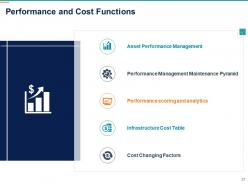
Diapositiva 27: Esta diapositiva muestra las Funciones de Rendimiento y Costo.
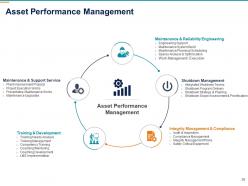
Diapositiva 28: Esta diapositiva representa la Gestión del Rendimiento de los Activos.
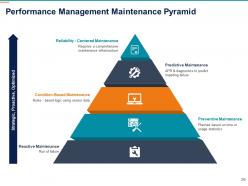
Diapositiva 29: Esta diapositiva muestra la Pirámide de Mantenimiento de Gestión del Rendimiento.
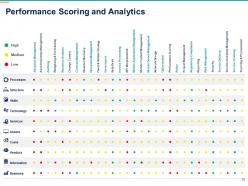
Diapositiva 30: Esta diapositiva muestra la Puntuación de Rendimiento y Análisis: Alto, Medio, Bajo.
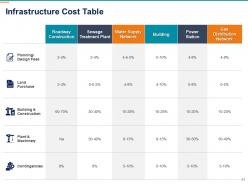
Diapositiva 31: Esta diapositiva representa la Tabla de Costos de Infraestructura.
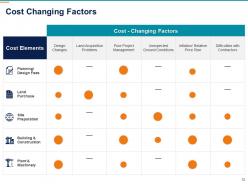
Diapositiva 32: Esta diapositiva muestra los Factores de Cambio de Costos.
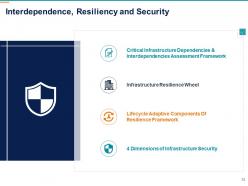
Diapositiva 33: Esta diapositiva muestra la Interdependencia, Resiliencia y Seguridad.
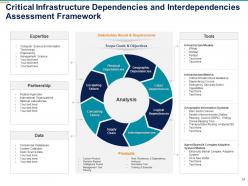
Diapositiva 34: Esta diapositiva representa el Marco de Evaluación de Dependencias e Interdependencias de Infraestructura Crítica.
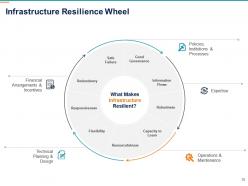
Diapositiva 35: Esta diapositiva muestra la Rueda de Resiliencia de Infraestructura.
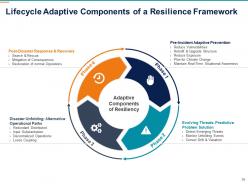
Diapositiva 36: Esta diapositiva muestra los Componentes Adaptativos del Ciclo de Vida de un Marco de Resiliencia.
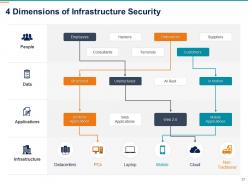
Diapositiva 37: Esta diapositiva presenta las 4 Dimensiones de la Seguridad de Infraestructura.
Diapositiva 38: Esta diapositiva describe la Gestión de Contratos y Flujos de Trabajo.
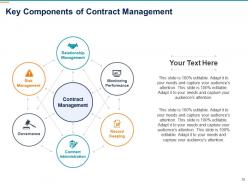
Diapositiva 39: Esta diapositiva muestra los Componentes Clave de la Gestión de Contratos, como: Gestión de Relaciones, Monitoreo del Rendimiento, Mantenimiento de Registros, Administración de Contratos, Gobernanza, Gestión de Riesgos, Gestión de Contratos.
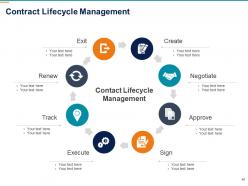
Diapositiva 40: Esta diapositiva describe la Gestión del Ciclo de Vida de los Contratos.
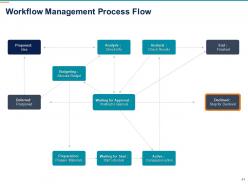
Diapositiva 41: Esta diapositiva explica el Flujo de Proceso de Gestión de Flujos de Trabajo.
Diapositiva 42: Esta diapositiva representa la Puesta en Marcha de Nuevas Instalaciones.
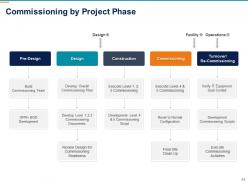
Diapositiva 43: Esta diapositiva representa la Puesta en Marcha por Fase del Proyecto.
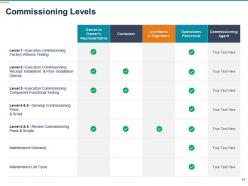
Diapositiva 44: Esta diapositiva muestra los Niveles de Puesta en Marcha.
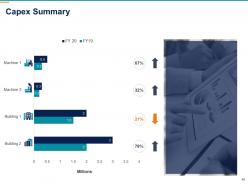
Diapositiva 45: Esta diapositiva muestra el Resumen de Capex.
Diapositiva 46: Esta diapositiva representa el Resumen de Capex en porcentaje.
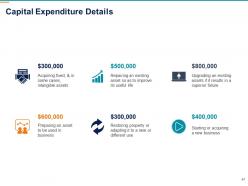
Diapositiva 47: Esta diapositiva muestra los Detalles de los Gastos de Capital.
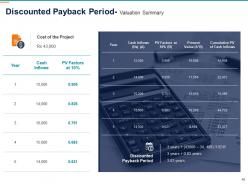
Diapositiva 48: Esta diapositiva muestra el Período de Recuperación Descontado: Resumen de Valoración.
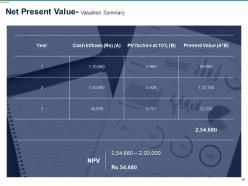
Diapositiva 49: Esta diapositiva representa el Valor Presente Neto: Resumen de Valoración.
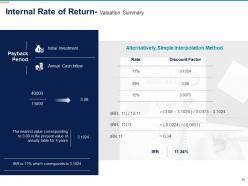
Diapositiva 50: Esta diapositiva muestra la Tasa Interna de Retorno: Resumen de Valoración.
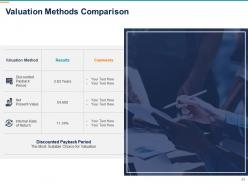
Diapositiva 51: Esta diapositiva representa la Comparación de Métodos de Valoración.
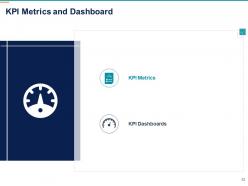
Diapositiva 52: Esta diapositiva describe las Métricas de KPI y el Tablero de Control.
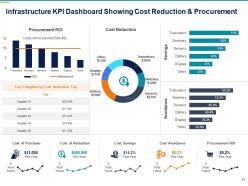
Diapositiva 53: Esta diapositiva describe el Tablero de Control de KPI de Infraestructura que muestra la Reducción de Costos y la Adquisición.
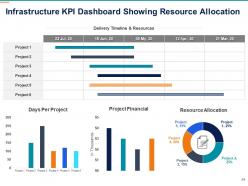
Diapositiva 54: Esta diapositiva muestra el Tablero de Control de KPI de Infraestructura que muestra la Asignación de Recursos.
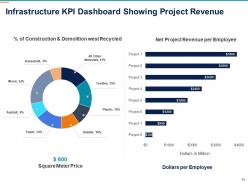
Diapositiva 55: Esta diapositiva representa el Tablero de Control de KPI de Infraestructura que muestra los Ingresos del Proyecto.
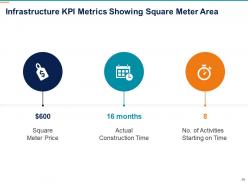
Diapositiva 56: Esta diapositiva muestra las Métricas de KPI de Infraestructura que muestran el Área en Metros Cuadrados.
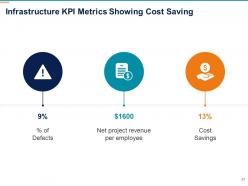
Diapositiva 57: Esta diapositiva representa las Métricas de KPI de Infraestructura que muestran el Ahorro de Costos.
Diapositiva 58: Esta diapositiva representa las Estadísticas Clave de la Industria de Infraestructura.
Diapositiva 59: Esta es la diapositiva de Iconos de Gestión de Infraestructura.
Diapositiva 60: Esta diapositiva se titula Diapositivas Adicionales para avanzar.
Diapositiva 61: Esta es la diapositiva de Nuestra Misión con Misión, Visión y Objetivo.
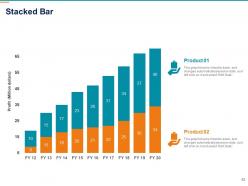
Diapositiva 62: Esta diapositiva muestra un Gráfico de Barras Apiladas con comparación de productos.
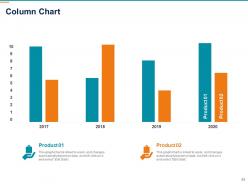
Diapositiva 63: Esta diapositiva muestra un Gráfico de Columnas con comparación de productos.
Diapositiva 64: Esta es la diapositiva de Nuestro Equipo con Nombres y Designaciones.
Diapositiva 65: Esta es la diapositiva de Nuestros Objetivos para mostrar los objetivos de la empresa.
Diapositiva 66: Esta diapositiva muestra el proceso de Línea de Tiempo.
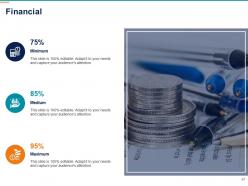
Diapositiva 67: Esta es la diapositiva Financiera.
Diapositiva 68: Esta es la diapositiva Sobre Nosotros para mostrar las especificaciones de la Empresa.
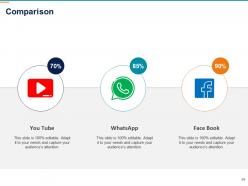
Diapositiva 69: Esta es la diapositiva de Comparación que muestra la comparación entre WhatsApp, Facebook, YouTube.
Diapositiva 70: Esta es la diapositiva de Agradecimiento con Dirección, Correo Electrónico y Número de Contacto.
Gestión de infraestructura presentación de diapositivas de PowerPoint con las 70 diapositivas.
Asegura que tu capital siga creciendo con nuestras Diapositivas de Presentación de Gestión de Infraestructura. Podrás aumentar tu saldo bancario.















FAQs for Infrastructure management
So there's basically five things you gotta get right with infrastructure management. First, monitoring - and honestly, this is where most people screw up because you're flying blind without it. Then you need scheduled maintenance instead of just putting out fires all the time. Asset tracking from when you buy stuff until you throw it away. Security and compliance (obviously). Oh, and capacity planning so you don't get caught with your pants down when traffic spikes. I'd start by figuring out what monitoring tools you've actually got running right now - might surprise you how little visibility you really have.
Dude, IoT sensors and predictive analytics are game-changers for infrastructure stuff. Real-time monitoring gives you data on bridge stress, pipeline pressure - basically everything. You can catch issues before they blow up into expensive disasters. Digital twins let you run simulations without messing with real equipment, which is honestly pretty neat. The real money-saver is when AI spots patterns and tells you exactly when to do maintenance. My buddy's company started with just sensors on their most important assets first. Once they saw the numbers, they rolled it out everywhere. Smart move if you ask me.
Honestly, data analytics is a game changer for infrastructure stuff. Instead of flying blind, you're actually seeing patterns in how your systems behave. Predict failures before they happen. Spot those random usage spikes that always seem to catch you off guard. I mean, it beats the old "hope and pray" method we all used to rely on, right? You can finally do capacity planning that makes sense instead of just guessing. Bottlenecks become obvious way earlier. My advice? Don't overthink it at first - just grab one metric you're already watching and start looking for trends there.
Look, you can't just do risk stuff on the side - weave it right into how you execute everything. Weekly risk check-ins work great for spotting new problems and updating your probability/impact grid. Keep a shared risk tracker the whole team can edit (honestly saves so much confusion later). Here's the thing though - you need backup plans ready BEFORE stuff hits the fan. Set up your warning signs early so you'll actually know when to pull those triggers. Buffer budgets are your friend. Don't be one of those people who documents everything perfectly then just crosses their fingers.
Honestly, get ahead of stuff before it breaks - do regular checkups and replace things based on how they actually look, not just how old they are. Document EVERYTHING because trust me, you'll hate yourself later if you can't remember when that pump got serviced. I've watched whole teams panic because nobody kept decent maintenance records. Put your money toward the most critical systems first. Don't be shy about asking for budget either - bosses need to get that putting off maintenance just makes everything way more expensive down the road. Oh, and start with figuring out what you've actually got first.
Honestly, you've gotta set up regular check-ins with everyone - weekly meetings, shared dashboards, the whole thing. Map out who needs to know what and when they need to know it. I can't tell you how many times I've watched projects completely fall apart because people weren't talking to each other! Get everyone using the same project management tool so they can actually see what's happening with budgets and deadlines. Oh, and pick ONE place where all the real info lives - not scattered across emails and random docs. Start by figuring out how each stakeholder likes to communicate this week.
Honestly, three things will save your sanity here. First - don't wait for stuff to break before fixing it. Regular maintenance is boring but it's way better than 2am emergency calls. Monitor your resource usage so you can scale up before hitting limits, not after everything's on fire. Set up alerts that actually matter (not just spam). Oh, and automate the repetitive stuff if you can. I learned that one the hard way doing manual backups for months like an idiot. Start by figuring out what's most likely to screw you over first.
Look, good infrastructure is basically what makes or breaks local economies. Companies need reliable power, decent roads, and solid internet to actually function - without that stuff, they'll just set up shop somewhere else. Bad infrastructure bleeds money through constant delays and outages. Think of it like trying to run a business with spotty wifi and roads full of potholes - total nightmare. Construction projects create jobs too, which is nice. Honestly, cities should focus on smart investments that fix current problems while planning for future growth. Data helps, but sometimes it's obvious what needs fixing first.
Okay so smart city stuff basically turns everything upside down - instead of waiting for things to break, you get sensors telling you "hey this water pipe's gonna fail next week." Traffic lights, power grids, all that infrastructure can actually communicate now which is honestly pretty cool. The downside? You'll need tech people who actually know what they're doing, plus way better cybersecurity since everything's networked. Oh and don't go crazy trying to digitize your whole city at once - pick one area first and see how it goes. Trust me on that one.
Ugh, regulations will basically control your whole timeline and budget from the start. You've got permitting, environmental stuff, safety checks, zoning - and that's just to break ground. What's annoying is every location has different rules, so your last project experience might be useless here. Oh and they can change requirements halfway through (because why not make it harder?). My advice? Build in extra time and money upfront. Get your regulatory people involved early so they can tell you exactly what bureaucratic nightmare you're walking into. Trust me, you don't want surprises later.
Honestly, you're looking at a ton of moving parts here. Regulatory stuff is probably your biggest pain - every country has different approval processes, environmental rules, labor laws. Currency swings will mess with your budget constantly. Then there's the political risk factor, which can be unpredictable as hell. Language barriers and managing people across time zones? That's just exhausting. Map out all the regulatory requirements first - seriously, do this before anything else. Find solid local partners on both sides. Build detailed backup plans for when currencies go crazy or politics shift. Trust me, you'll need them.
So PPPs are pretty smart - you get government oversight but with private sector speed and cash flow. Companies can actually move fast unlike government bureaucracy, plus they bring real expertise to the table. The public side keeps control of the assets while private partners handle financing and construction, sometimes operations too. Think of it like hiring a contractor who's genuinely invested in making things work long-term. Oh, and definitely nail down those contracts upfront - I've seen too many projects go sideways because someone got lazy with the details. Way better risk management overall though.
Ok so definitely start with availability - that's your main thing. Shoot for 99.9% uptime or whatever your SLA says. Response times matter too because users don't care if it's "technically working" if everything's slow as hell. CPU, memory, disk usage will save you from those lovely 3am wake-up calls when stuff breaks. Error rates and throughput are solid additions. Honestly though, once you nail those basics, just add whatever makes sense for your specific setup. Every system's different so don't overthink it at first.
Honestly, climate change is making infrastructure planning a total nightmare. Extreme weather, rising seas, crazy temperature swings - our current systems just weren't built for this stuff. The biggest shift? Stop playing catch-up and start planning ahead instead. Build in climate projections when you're making decisions about assets. Upgrade materials so they can actually handle future conditions. Critical systems need backups - like, multiple backups. I'd probably start with a vulnerability check on your most important infrastructure first. It's a lot but you gotta start somewhere, right?
Dude, infrastructure is going full AI mode soon. Predictive maintenance will actually stop stuff from breaking instead of just screaming at you afterward. IoT sensors are gonna be everywhere - monitoring bridge stress, water pressure, you name it. Infrastructure-as-code is pretty much standard now (manual deployments feel so 2020). Sustainability metrics aren't optional anymore either. Honestly? Start playing with AIOps tools and maybe learn some basic ML concepts. I know it sounds like a pain, but you'll kick yourself later if you don't. The whole industry's shifting faster than I expected.
No Reviews