


Intelligent System Powerpoint Presentation Slides




Try Before you Buy Download Free Sample Product
 Impress Your
 Audience
 100%
100% Editable
 Save Hours
 of Time


This template gives a brief idea about the CPS provider company and the transformation of the companys operations with cyber-physical systems for effective service delivery. In this Intelligent System PowerPoint Presentation, we have covered the introduction to cyber-physical systems, including their features and global market size. In addition, this Intelligent System PPT contains the components of the CPS, such as sensing and controlling components, 5C architecture, and 8C proposed architecture. Also, the Next Generation Computing System PPT presentation includes the various types of CPS, working, and application of CPS in different sectors such as a smart greenhouse, manufacturing, water distribution, healthcare, etc. Furthermore, this Collective Intelligence Systems template caters to security in cyber-physical systems and pricing for the CPS services. Lastly, this Cyber-Physical Systems deck comprises the 30-60-90 days development plan, roadmap, and impact post-implementation on businesses. Download our 100 percent editable and customizable template, which is also compatible with Google Slides.
People who downloaded this PowerPoint presentation also viewed the following :
Content of this Powerpoint Presentation
Slide 1: This slide introduces Intelligent System. State your company name and begin.
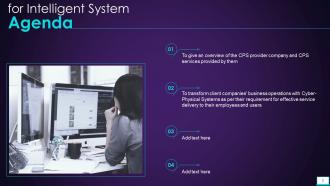
Slide 2: This slide states Agenda of the presentation.
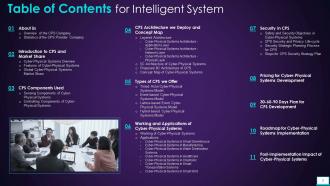
Slide 3: This slide presents Table of Content for the presentation.
Slide 4: This slide highlights title for topics that are to be covered next in the template.
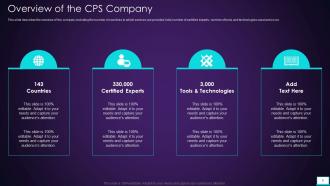
Slide 5: This slide describes the overview of the company.
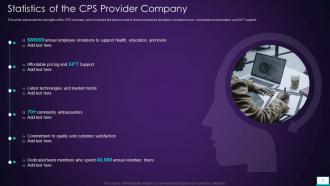
Slide 6: This slide displays Statistics of the CPS Provider Company.
Slide 7: This slide highlights title for topics that are to be covered next in the template.
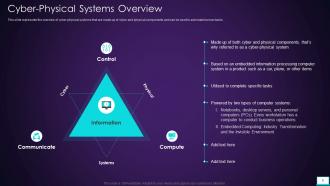
Slide 8: This slide represents Cyber-Physical Systems Overview.
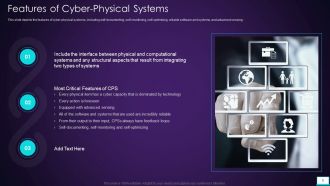
Slide 9: This slide depicts the features of cyber-physical systems, including self-documenting, self-monitoring, etc.
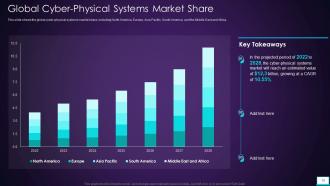
Slide 10: This slide showcases Global Cyber-Physical Systems Market Share.
Slide 11: This slide highlights title for topics that are to be covered next in the template.
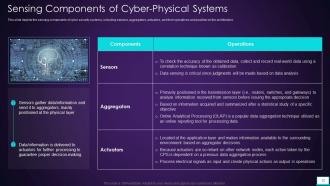
Slide 12: This slide shows Sensing Components of Cyber-Physical Systems.
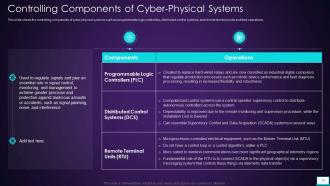
Slide 13: This slide presents Controlling Components of Cyber-Physical Systems.
Slide 14: This slide highlights title for topics that are to be covered next in the template.
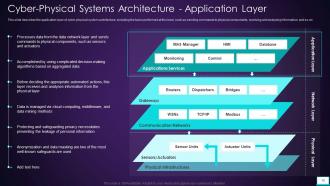
Slide 15: This slide describes the application layer of cyber-physical system architecture.
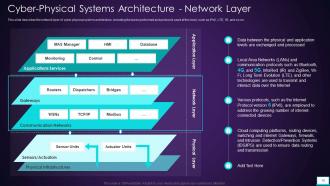
Slide 16: This slide describes the network layer of cyber-physical system architecture.
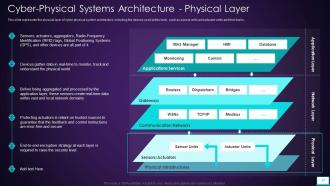
Slide 17: This slide represents the physical layer of cyber-physical system architecture.
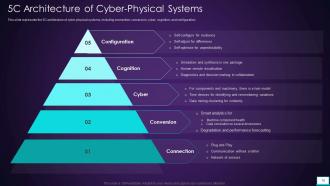
Slide 18: This slide showcases the 5C architecture of cyber-physical systems.
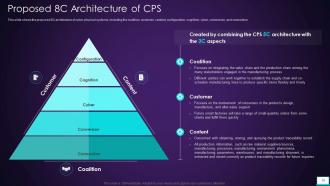
Slide 19: This slide shows the proposed 8C architecture of cyber-physical systems.
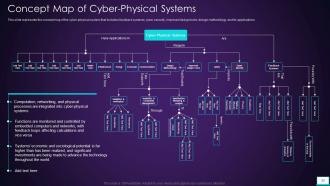
Slide 20: This slide presents Concept Map of Cyber-Physical Systems.
Slide 21: This slide highlights title for topics that are to be covered next in the template.
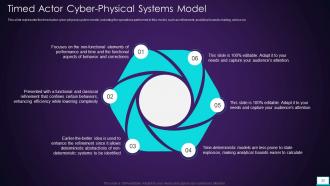
Slide 22: This slide displays Timed Actor Cyber-Physical Systems Model.
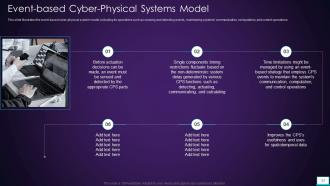
Slide 23: This slide represents Event-based Cyber-Physical Systems Model.
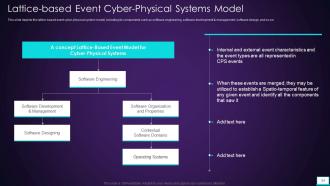
Slide 24: This slide showcases Lattice-based Event Cyber-Physical Systems Model.
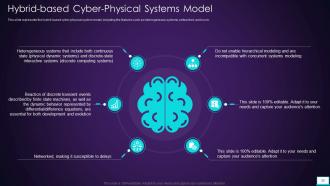
Slide 25: This slide shows Hybrid-based Cyber-Physical Systems Model.
Slide 26: This slide highlights title for topics that are to be covered next in the template.
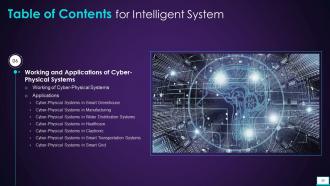
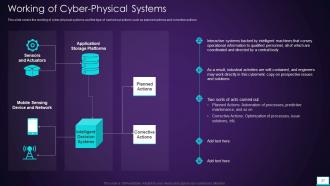
Slide 27: This slide covers the working of cyber-physical systems.
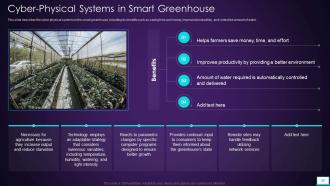
Slide 28: This slide describes the cyber-physical systems in the smart greenhouse.
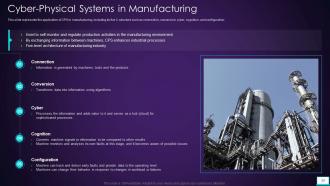
Slide 29: This slide represents the application of CPS in manufacturing.
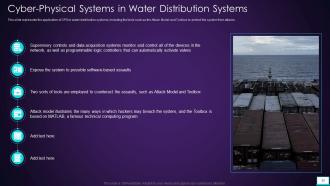
Slide 30: This slide showcases Cyber-Physical Systems in Water Distribution Systems.
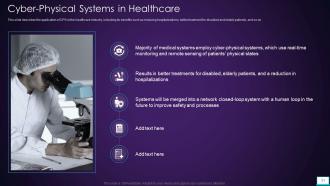
Slide 31: This slide describes the application of CPS in the healthcare industry.
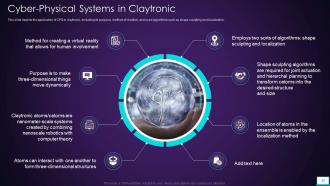
Slide 32: This slide depicts the application of CPS in claytronic, including its purpose, method of creation, etc.
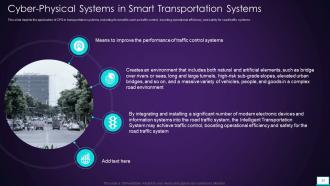
Slide 33: This slide represents Cyber-Physical Systems in Smart Transportation Systems.
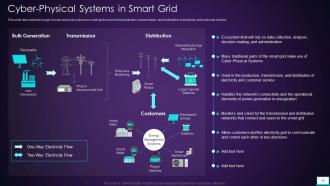
Slide 34: This slide describes the usage of cyber-physical systems in smart grids.
Slide 35: This slide highlights title for topics that are to be covered next in the template.
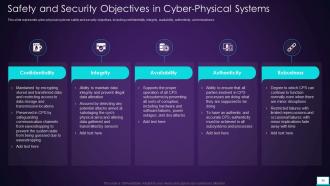
Slide 36: This slide shows Safety and Security Objectives in Cyber-Physical Systems.
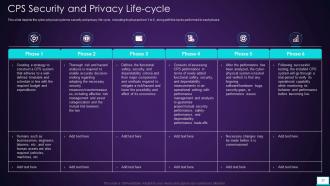
Slide 37: This slide depicts the cyber-physical systems security and privacy life cycle.
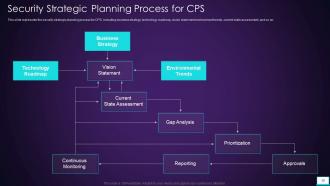
Slide 38: This slide presents Security Strategic Planning Process for CPS.
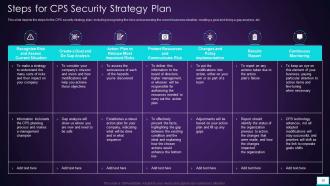
Slide 39: This slide displays Steps for CPS Security Strategy Plan.
Slide 40: This slide highlights title for topics that are to be covered next in the template.
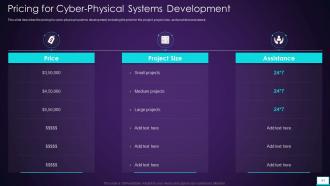
Slide 41: This slide represents Pricing for Cyber-Physical Systems Development.
Slide 42: This slide highlights title for topics that are to be covered next in the template.
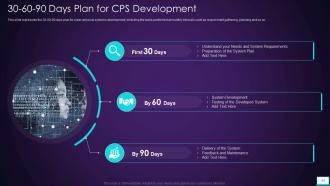
Slide 43: This slide showcases 30-60-90 Days Plan for CPS Development.
Slide 44: This slide highlights title for topics that are to be covered next in the template.
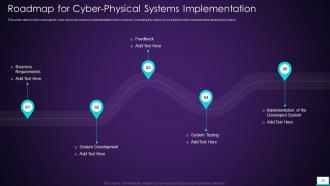
Slide 45: This slide shows Roadmap for Cyber-Physical Systems Implementation.
Slide 46: This slide highlights title for topics that are to be covered next in the template.
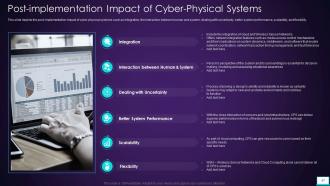
Slide 47: This slide presents Post-implementation Impact of Cyber-Physical Systems.
Slide 48: This slide contains all the icons used in this presentation.
Slide 49: This slide is titled as Additional Slides for moving forward.
Slide 50: This slide displays Mind Map with related imagery.
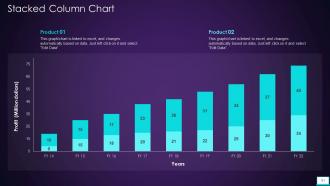
Slide 51: This slide represents Stacked Column chart with two products comparison.
Slide 52: This is Our Goal slide. State your firm's goals here.
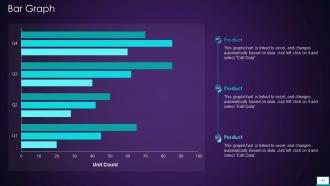
Slide 53: This slide presents Bar chart with two products comparison.
Slide 54: This is a Financial slide. Show your finance related stuff here.
Slide 55: This is a Timeline slide. Show data related to time intervals here.
Slide 56: This slide depicts Venn diagram with text boxes.
Slide 57: This is a Thank You slide with address, contact numbers and email address.
Intelligent System Powerpoint Presentation Slides with all 62 slides:
Use our Intelligent System Powerpoint Presentation Slides to effectively help you save your valuable time. They are readymade to fit into any presentation structure.







FAQs for Intelligent System
So basically you need four main things: sensors to take in data, algorithms that can process and make decisions, some way for it to learn from what happens, and outputs to actually do stuff. It's kinda like how our brains work - info comes in, we think about it, remember past experiences, then act. You'll also want somewhere to store knowledge and ways for users to interact with it. Honestly, I'd start by sketching out these pieces first and figuring out how information moves between them. That usually makes the whole design process way clearer.
So basically, traditional automation just does what it's told - like your old thermostat hitting 70 degrees every single time. Smart systems actually learn stuff. Your newer thermostat figures out when you're home and what temps you like. Honestly, if you're dealing with anything that changes or gets complicated, you'll want the intelligent route. Traditional automation works fine for repetitive tasks where everything's predictable. But intelligent systems can adapt and spot patterns in data - they literally get better over time. It's like having automation that actually thinks instead of just following orders.
Honestly, healthcare and finance are crushing it right now. AI's diagnosing stuff faster than doctors sometimes, and banks catch fraud instantly with ML. Self-driving cars are the obvious one - everyone's going nuts over that. Manufacturing companies love those predictive systems that stop machines from breaking down and costing them a fortune. Oh, and retail recommendation engines are scary good (Amazon literally reads my mind). Even farmers are getting fancy with precision agriculture tech. If you're thinking about jumping in, focus on where you've got mountains of data and can actually see the money coming back.
So here's the thing - ML is what actually makes "smart" systems smart. You can't possibly code every scenario by hand, that'd be insane. Instead, you teach systems to spot patterns and adapt on their own. Think computer vision, language processing, all that stuff. Without ML, you're basically stuck with fancy if-then statements that'll break the second real-world messiness hits. It's like the difference between memorizing answers versus actually learning how to think. If you're building anything complex, figure out what patterns your system needs to pick up from data first.
Honestly, these systems are pretty incredible at crunching through massive amounts of data - way more than your team could handle manually. You'll spot patterns and trends in real-time that would normally take weeks to catch. The predictive stuff is where it gets really interesting though - forecasting demand, catching risks early, optimizing operations before things go sideways. Your people get freed up from number-crunching to actually think strategically. I'd start small with something specific like customer segmentation or maybe inventory management, then expand from there once you see how it works.
Honestly? Start thinking about bias and fairness right from the beginning. Training data can be super sneaky - it'll perpetuate discrimination without you even realizing it. Build in ways for people to understand how your system makes decisions about them. Privacy stuff is massive too, so be really careful about what data you're grabbing. Job displacement is another thing to consider (though that's a whole other conversation). But here's the real trick - get different types of people involved in your design process early on. Don't just slap ethics on at the end like it's an afterthought.
So basically these cars use a bunch of AI working together - cameras process what they "see," lidar maps everything in 3D, then machine learning makes the actual driving calls. They're constantly trying to predict what everyone around them will do next, which is honestly pretty impressive when you think about it. The reaction times are insane compared to humans, plus they don't get tired or check their phone at red lights. Tesla's approach is wild - their neural networks literally translate visual data into steering and braking. Oh, and no road rage either, which is probably a bonus for everyone.
Oh man, there's so much cool stuff happening in healthcare AI right now. Diagnostic systems can actually spot cancer in scans better than some doctors - which is honestly pretty wild when you think about it. Hospitals use chatbots for patient questions, and there are algorithms that catch sepsis before you even feel sick. Robotic surgery is getting huge too. Drug companies are using AI to find new medications way faster than before. IBM Watson was supposed to revolutionize everything but didn't quite pan out like they hoped. Your local hospital probably already has some basic systems running - might be worth asking what they're using next time you're there.
Honestly, AI customer service stuff is a game changer. Your response times get way faster since chatbots handle the basic questions instantly. They're pretty good at reading customer mood too and can spot problems before people even complain. Best part? No downtime - they work nights and weekends without getting cranky. Your actual staff gets help too - the system pulls up customer history and suggests fixes during calls. The whole thing learns as it goes, which is cool. I'd start with just a simple chatbot for FAQs, then see what else you need.
Honestly? The biggest pain points you're facing are data breaches and unauthorized access - hackers absolutely go crazy for AI databases since they're packed with personal info. Then there's compliance stuff like GDPR that keeps shifting, plus algorithmic bias from messy datasets. Oh, and good luck explaining how your AI processes data when most models are total black boxes. Data often gets used way beyond what it was originally collected for too. My advice? Start with encrypting everything and doing regular privacy audits. Those two things will prevent so many future disasters.
So basically these systems learn by watching what you do and tweaking themselves based on that data. Netflix is the perfect example - it gets your taste after you've watched enough stuff. The cool part is they use trial and error (reinforcement learning) plus real-time updates when new info comes in. Oh, and here's the thing that trips people up - garbage data in means garbage adaptation out. So if you're building something, focus on getting good feedback first. Otherwise you're just teaching the system bad habits, which honestly defeats the whole purpose.
AI systems are seriously changing the sustainability game. They optimize building energy, predict when equipment's about to fail (saves so much waste), and track carbon emissions live. Smart grids use them to balance renewables, supply chains get more efficient, plus satellite monitoring catches deforestation. The predictive maintenance thing is probably my favorite - no more tossing perfectly good equipment just because it hit some arbitrary replacement date. Oh, and if your company wants to try this? Start with basic energy dashboards or smart building controls. Way easier to show the boss it's worth it when you've got immediate results.
So NLP is what lets machines actually talk to humans instead of just being fancy calculators. Think chatbots, Siri, Google Translate - all that stuff. Without it, you'd have super powerful computers that can't understand a simple sentence (which would be pretty useless tbh). It processes all the text data that's literally everywhere now. Sentiment analysis, document processing, voice assistants - NLP makes it all work. If you're building anything that deals with users or text, definitely check out spaCy or transformers. Those libraries are solid.
Honestly, you gotta track two different things here. Technical stuff like accuracy and response times matter, obviously. But those numbers are pretty useless if your business isn't actually benefiting. Track ROI, how many people are using it, customer satisfaction - the real impact stuff. I'd set up dashboards showing both sides because executives love seeing business metrics while your tech team needs the performance data. Oh and definitely compare against whatever goals you had originally - cost savings, efficiency, whatever. Makes it way easier to justify the project when budget reviews come around.
Honestly, the coolest stuff coming will be AI that can watch videos, read docs, AND actually debug your code all at once. Edge computing means everything runs faster on your device too - no more waiting for cloud responses. What really gets me excited though? Systems that actually think through problems instead of just spitting out patterns. Oh, and they'll learn your weird coding habits over time. My advice? Start messing around with AI tools now so you're not scrambling to catch up later. The reasoning breakthroughs alone are gonna be wild.
-
Great combination of visuals and information. Glad I purchased your subscription.
-
Informative and engaging! I really like the design and quality of the slides.