


Internal audit plan departmental management information technology strategic planning




Try Before you Buy Download Free Sample Product
 Impress Your
 Audience
 100%
100% Editable
 Save Hours
 of Time


Our Internal Audit Plan Departmental Management Information Technology Strategic Planning are topically designed to provide an attractive backdrop to any subject. Use them to look like a presentation pro.
People who downloaded this PowerPoint presentation also viewed the following :
Internal audit plan departmental management information technology strategic planning with all 12 slides:
Use our Internal Audit Plan Departmental Management Information Technology Strategic Planning to effectively help you save your valuable time. They are readymade to fit into any presentation structure.


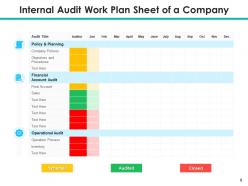
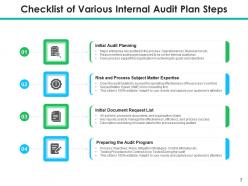
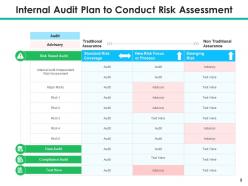
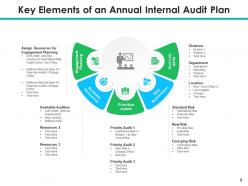

FAQs for Internal audit plan departmental management information
Four things you gotta lock down: risk assessment, audit planning that matches your business goals, resource allocation, and decent reporting. Risk assessment is honestly make-or-break stuff - audit the wrong things and you're screwed. Your business moves fast, so build in regular strategy reviews to keep up. Oh, and map what you're currently auditing against actual risks right now. I'm willing to bet you'll spot some obvious gaps. Resource allocation sounds boring but it's not - without it, even great plans go nowhere.
Honestly, most audit teams work in their own little bubble without understanding what the business actually cares about. Start by talking to senior leadership regularly - find out what's stressing them out. Map your audit priorities directly to those concerns and the company's big strategic risks. Say they're obsessed with digital transformation right now? Weight your plan heavily toward IT controls and cybersecurity stuff. Growth through acquisitions? Focus on integration risks and due diligence processes. It sounds super basic, but you'd be shocked how rarely this happens. The whole point is designing coverage around their actual pain points, not some generic audit checklist.
Look, risk assessment is what drives your whole audit plan - without it you're basically throwing darts blindfolded. Start by mapping out all the potential risks across your organization. Then rank them by impact and how likely they are to actually happen. High-risk stuff gets your attention first, obviously. The lower priority areas can wait or get lighter coverage since you don't have unlimited time anyway. It's honestly like ER triage - you deal with the heart attack before the scraped knee. Skip this step and you'll waste time auditing random stuff while the real threats fly under the radar.
Dude, just start with one tool that fixes your biggest headache - don't try to overhaul everything at once. Audit management software is clutch for workflows, and data analytics will catch weird stuff you'd totally miss doing things manually. The time savings are insane though, like teams I know have cut testing by 60%. Continuous monitoring is where it gets really cool because you're spotting issues as they happen instead of finding out months later during your annual review. Oh and the risk insights you get are so much better than the old spreadsheet days. Build up slowly once you get the hang of it.
So you'll definitely want to start with risk-based auditing - that's pretty much the standard everyone uses. COSO framework works well for controls, and ISO 31000 if you need risk management integration. Data analytics is huge now too, honestly can't really avoid it anymore. What I'd do is map your key organizational risks to audit priorities first. Then build out a multi-year plan from there - saves you headaches later. The three lines of defense model is helpful for structuring everything. Oh, and mix top-down strategic stuff with bottom-up insights from your actual business units. That combo usually works better than just picking one approach.
Look, compliance isn't your finish line - it's your starting point. Cover all the regulatory basics and risk fundamentals first, obviously that's non-negotiable. Then add the forward-thinking stuff: data analytics, emerging risks, process innovation reviews. Honestly, I've watched way too many teams get trapped in that checkbox mentality and completely miss where they could actually create value. The trick is showing people that solid compliance doesn't kill innovation - it actually makes it possible by building trust. Maybe try a 70/30 split? Most of your audit plan on compliance, then dedicate that remaining chunk to innovation-focused work.
Track the basics first - audit completion rates, how much of your high-risk stuff you're actually covering, and whether management responds to your recommendations (and implements them). Stakeholder satisfaction scores matter too, obviously. The real gold though? Catching problems before they blow up into disasters. Also watch how your team's skills are developing and if you're staying ahead of new risks. Honestly, don't go crazy with metrics - pick 3 or 4 that you'll actually use to get better instead of drowning in data.
Honestly, different people need totally different approaches. Executives just want the bottom line impact - don't waste their time. Management wants actionable stuff they can actually do something about. Your executive summary better hook them in the first paragraph or they'll tune out completely (learned this the hard way). Skip the audit speak - nobody understands that garbage anyway. Give them real examples, not vague BS, and realistic timelines for fixing things. Face-to-face follow-ups are clutch because you can tell if they actually get it. Oh, and always send that recap email after meetings so there's no confusion later about who's doing what.
You need people who can actually talk to humans, not just crunch numbers. Sure, technical stuff matters - risk assessment, data analytics, knowing the regulations inside out. But honestly? Half the battle is not making everyone hate you when you walk into their department. Your auditors gotta interview people, explain findings without putting folks to sleep, build actual relationships. Oh and continuous training is huge since rules change constantly (ugh). I'd start by figuring out what skills your current team's missing, then focus training there first. Communication beats technical expertise almost every time.
So risk-based auditing basically means you focus on stuff that could actually mess up your company instead of just going through the motions. Way smarter approach, honestly. Traditional audits are like clockwork - same departments, same schedule, whether there's real risk or not. But with risk-based, you're constantly looking at what's changed and where the biggest threats are lurking. It's more "what keeps me up at night?" than "time for the annual whatever audit." Start by figuring out your organization's worst nightmare scenarios first. Then work backwards from there.
Honestly, the worst part is leadership treating audit like some boring compliance thing instead of realizing we actually add value. Resource constraints suck too - you're stuck with ancient processes and crappy tech tools. Half your team probably thinks "we've always done it this way" is a valid argument, which drives me nuts. Risk assessment becomes a nightmare when the company's changing fast or jumping into new markets. Oh, and just when you finally train someone properly? They bail for another job. My take: prove yourself with small wins first, then slowly push the strategic stuff once they trust you.
Working with other departments is honestly a game-changer for audits. You'll get the real scoop on how things actually work, not just the official process docs. Operations and finance teams know where the bodies are buried, risk-wise. When they help identify problems upfront, they're way more receptive to fixing them later. I've watched audits crash and burn when departments got hit with surprise findings - nobody likes being ambushed. My advice? Set up casual check-ins with department heads and straight up ask what's stressing them out. That's pure gold for your audit planning.
Set up regular feedback loops - stakeholder surveys, post-audit reviews, quarterly leadership check-ins. Most teams mess up by creating their strategy once then ignoring it for years (huge mistake honestly). Track stuff like audit cycle times, satisfaction scores, and how often people actually implement your findings. Oh, and benchmark against other companies in your space. I'd also hit up some professional development sessions to stay on top of new risks and methods. You should formally review your strategy annually, but really? Tweak it throughout the year as you figure out what's working. Don't wait around.
So here's what's worked for me - dig into your old audit findings and spot the patterns. Which stuff actually got fixed vs what just got ignored? That tells you everything about what leadership actually cares about. Recurring problems across departments are your biggest warning signs. Use that intel to tweak how you assess risk next time and put your energy where it'll make a real difference. Honestly, some auditors skip this step and just keep doing the same thing over and over. Create that feedback loop so each audit gets smarter than the last one.
So basically, you compare your audit approach to what other companies in your space are doing. Check out their risk priorities, how they structure plans, which methods actually work. Join those industry audit groups - they're goldmines for this stuff. You'll spot blind spots you didn't even know you had. Plus when you need more budget, you can tell leadership "look, our competitors spend 30% more on cyber audits than us." That argument usually lands. Oh, and dig through public audit committee reports from similar companies. Boring reading but worth it.
-
The content is very helpful from business point of view.
-
Designs have enough space to add content.
-
Excellent Designs.
-
Great product with highly impressive and engaging designs.
-
Out of the box and creative design.