

Iso 9001 powerpoint presentation slides




Try Before you Buy Download Free Sample Product
 Impress Your
 Audience
 100%
100% Editable
 Save Hours
 of Time


ISO 9001 is used to determine if the Quality Control Program in place is appropriate and efficient, thus pushing the company to recognize and incorporate improvements. Here is an efficiently designed template on ISO 9001 that is useful for the company to create and integrate a quality management system in compliance with the requirements of the new standard and allow an audit carried out by a Certification Body CB or Registrar to assess the performance of the QMS against the current ISO 9001 standard. This template covers the firms current situation, which includes problems in management procedures, causes of financial loss, etc. It also consists of the ISO 9001 implementation process, such as creating an Implementation Programme, appointing MR and establishing a team, and gap assessment. It also includes Registrar Selection Process and Agreement for Quality Management System Registration. In this template, we have also included Business Internal Audits, Management Review and corrective actions, Root Causes to the Problem, and its Solutions. It also covers Process‐based QMS Structure, Performance or Process View of Systems, and Results after Implementation of ISO 9001 Quality Systems along with Quality Management System Dashboards, ISO 9001 QMS Dashboards, etc. Download it now.
People who downloaded this PowerPoint presentation also viewed the following :
Content of this Powerpoint Presentation
Slide 1: This slide introduces ISO 9001. State Your Company Name and begin.
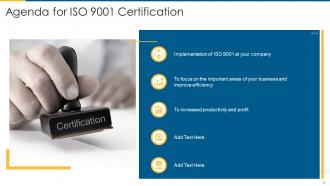
Slide 2: This is an Agenda slide. State your agendas here.
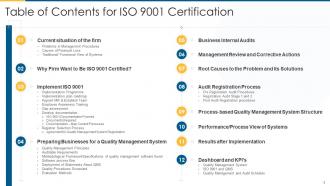
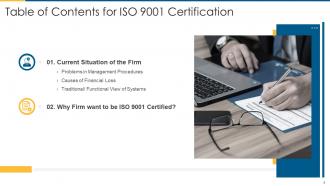
Slide 3: This slide shows Table of Contents for ISO 9001 Certification.
Slide 4: This slide presents Table of Contents for ISO 9001 Certification.
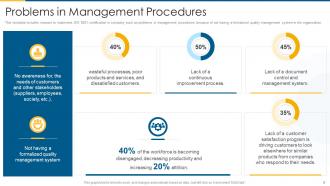
Slide 5: This slide shows reasons to implement ISO 9001 certification in company.
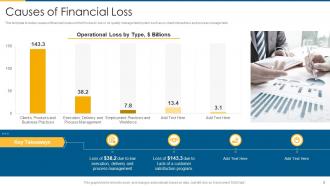
Slide 6: This slide displays causes of financial losses on the firm due to low or no quality management system such as no client interactions and process management.
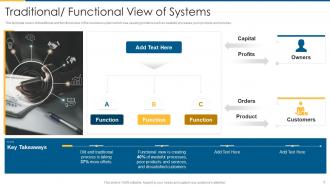
Slide 7: This slide represents old traditional and functional view of the business system which was causing problems such as wasteful processes, poor products and services.
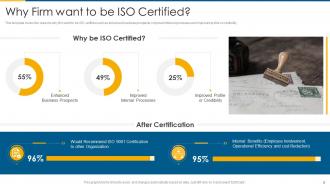
Slide 8: This slide shows reasons why firm want to be ISO certified such as enhanced business prospects, improved internal processes and improved profile or credibility.
Slide 9: This slide presents Table of Contents for ISO 9001 Certification.
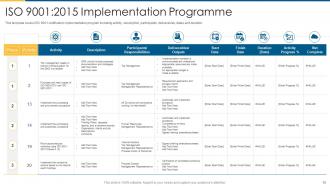
Slide 10: This slide shows ISO 9001 certification implementation program including activity, description, participants, etc.
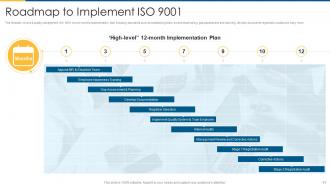
Slide 11: This slide displays quality management ISO 9001 twelve months implementation plan.
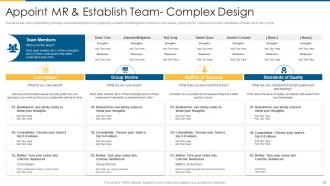
Slide 12: This slide represents appointing manager and establishing team by preparing a charter including team members, core values, etc.
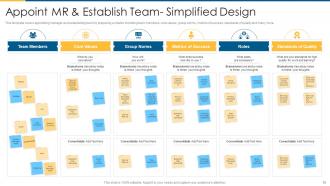
Slide 13: This slide shows appointing manager and establishing team by preparing a charter.
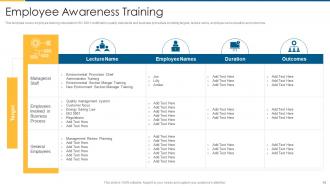
Slide 14: This slide presents employee training schedule for ISO 9001 certification quality standards and business processes.
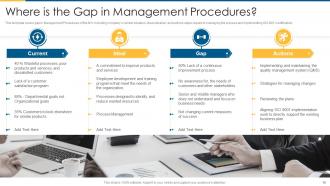
Slide 15: This slide shows gap in Management Procedures of the firm including company’s current situation, ideal situation, etc.
Slide 16: This slide displays Table of Contents for ISO 9001 Certification.
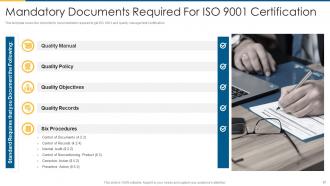
Slide 17: This slide represents checklist for documentation required to get ISO 9001 and quality management Certification.
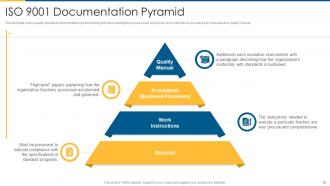
Slide 18: This slide shows quality standards documentation pyramid along with documenting the process such as records, work instructions, etc.
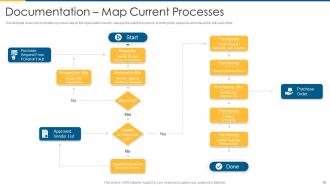
Slide 19: This slide presents documentation process map for the organization used to manage the quality framework.
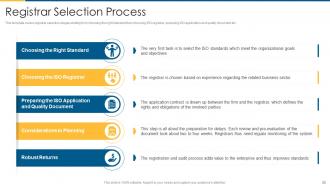
Slide 20: This slide shows Registrar Selection Process.
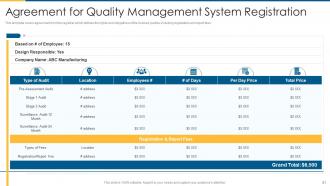
Slide 21: This slide displays agreement from the registrar which defines the rights and obligations of the involved parties.
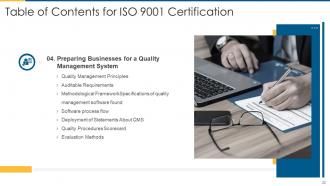
Slide 22: This slide represents Table of Contents for ISO 9001 Certification.
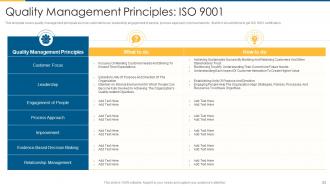
Slide 23: This slide shows quality management principals such as customer focus, leadership, engagement of people, etc.
Slide 24: This slide presents Defining and assigning the requirements which highlights the relationship between production and administrative support inside the organization.
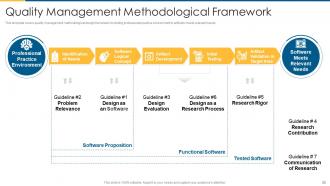
Slide 25: This slide shows quality management methodological design framework.
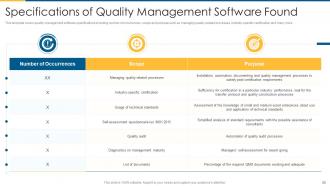
Slide 26: This slide displays quality management software specifications including number of occurrences, scope and purpose.
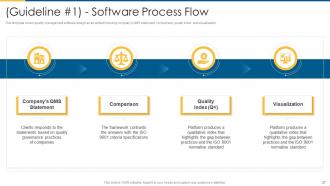
Slide 27: This slide represents quality management software design as an artifact including company's QMS statement, comparison, quality index, etc.
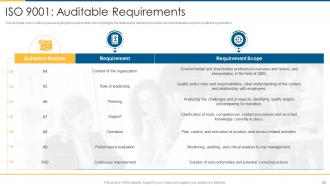
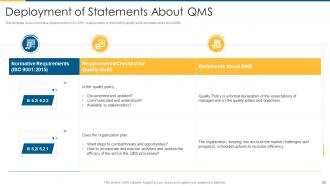
Slide 28: This slide shows normative requirements in ISO 9001, requirements or checklist for quality audit and statements about QMS.
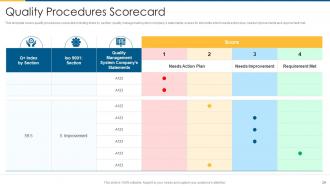
Slide 29: This slide presents quality procedures scorecard including Index by section, quality management system company’s statements, etc.
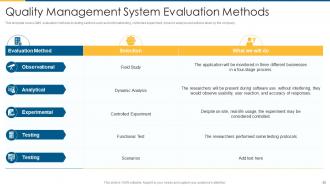
Slide 30: This slide shows QMS evaluation methods including sections such as functional testing, controlled experiment, etc.
Slide 31: This slide displays Table of Contents for ISO 9001 Certification.
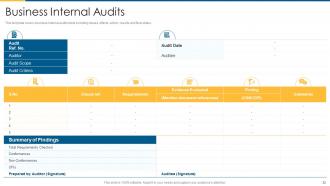
Slide 32: This template represents business internal audits table including issues, effects, action, results and final status.
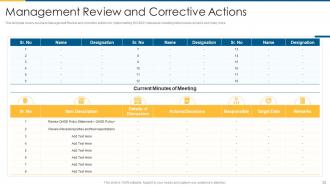
Slide 33: This slide shows business Management Review and corrective actions for implementing ISO 9001 standards.
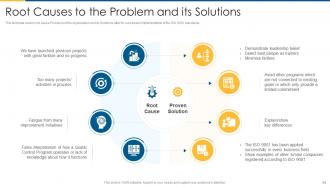
Slide 34: This slide presents root cause Problems of the organization and its Solutions after for successful implementation of the ISO 9001 standards.
Slide 35: This slide shows Table of Contents for ISO 9001 Certification.
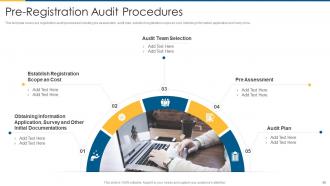
Slide 36: This slide displays pre registration audit procedures including pre assessment , audit plan, establish registration scope, etc.
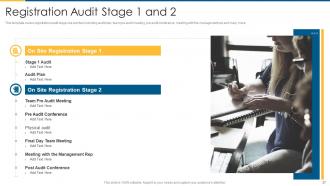
Slide 37: This slide represents registration audit stage one and two including audit plan, team pre audit meeting, etc.
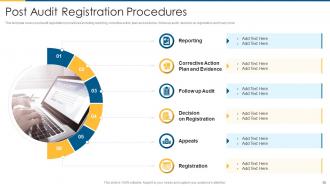
Slide 38: This slide shows post audit registration procedures including reporting, corrective action plan and evidence, etc.
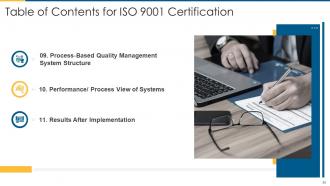
Slide 39: This slide presents Table of Contents for ISO 9001 Certification.
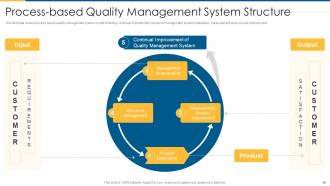
Slide 40: This slide shows process based quality management system model including continual improvement, resource management, etc.
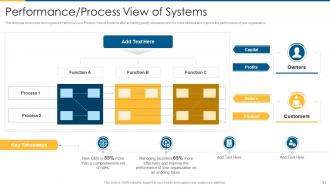
Slide 41: This slide displays new and organized Performance or Process View of Systems after achieving quality standards.
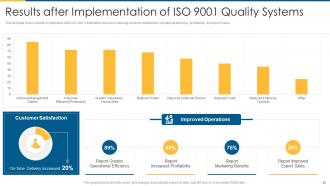
Slide 42: This slide represents results of implication QMS ISO 9001 certification such as increasing customer satisfaction, operational efficiency, etc.
Slide 43: This slide shows Table of Contents for ISO 9001 Certification.
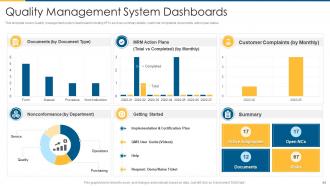
Slide 44: This slide presents Quality management system dashboard including KPI’s such as summary details, customer complaints, etc.
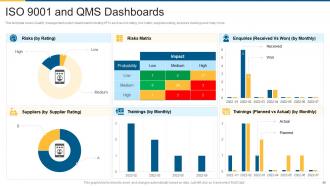
Slide 45: This slide shows Quality management system dashboard including KPI’s such as risk rating, risk matrix, suppliers rating, etc.
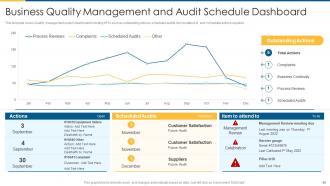
Slide 46: This slide displays Quality management system dashboard including KPI’s such as outstanding actions, scheduled audits, etc.
Slide 47: This slide represents Icons for ISO 9001.
Slide 48: This slide is titled as Additional Slides for moving forward.
Slide 49: This is About Us slide to show company specifications etc.
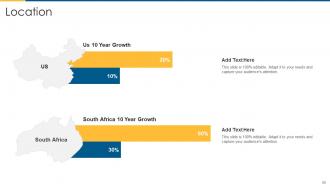
Slide 50: This is a Location slide with maps to show data related with different locations.
Slide 51: This is a Timeline slide. Show data related to time intervals here.
Slide 52: This slide represents Post It Notes. Post your important notes here.
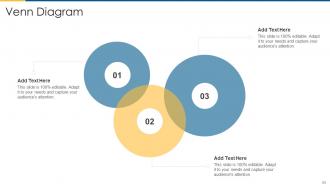
Slide 53: This slide shows Venn diagram with text boxes.
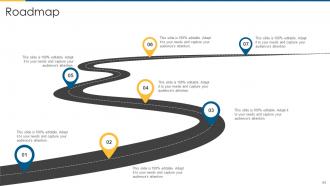
Slide 54: This slide presents Roadmap with additional textboxes.
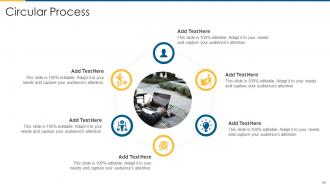
Slide 55: This slide shows Circular Process with related icons and text.
Slide 56: This is a Thank You slide with address, contact numbers and email address.
Iso 9001 powerpoint presentation slides with all 56 slides:
Use our ISO 9001 Powerpoint Presentation Slides to effectively help you save your valuable time. They are readymade to fit into any presentation structure.

FAQs for Iso 9001
So ISO 9001 has seven main principles you should know about. Customer focus is obviously huge, plus leadership buy-in and getting everyone involved. The process approach is probably my favorite though - it's about seeing how everything connects instead of working in separate bubbles. Makes total sense once you wrap your head around it. You'll also need evidence-based decisions, good supplier relationships, and that whole continuous improvement thing. Honestly? Just start by mapping what you're doing now and spot the biggest quality problems. That's your foundation right there.
So ISO 9001 is like the basic quality standard that works for everyone - doesn't matter if you're running a bakery or building rockets. Most other standards are super specific to industries (like AS9100 for aerospace), but this one just focuses on how you manage your processes overall. It's not about technical stuff, more about being consistent with quality. Honestly, it's pretty flexible which is why you see it everywhere. A lot of companies use it as their starting point since other standards usually build off it anyway. If you're just getting into quality management, this is probably where you'd want to begin - gives you the basic framework that translates to whatever industry you're in.
So ISO 9001 is actually pretty worth it. Your processes get way more streamlined once you document everything properly. Customers definitely trust you more - that little certification badge really does make a difference. The upfront work feels like a pain, but honestly? Most companies end up liking how organized it makes them. You catch problems earlier, which saves money down the road. Your team gets clearer on what they're supposed to be doing too. If you're thinking about it, just start by writing down how you currently do things - you'll probably spot some weird inefficiencies right away.
Honestly, ISO 9001 is pretty smart about this - it makes you actually listen to your customers instead of just guessing what they want. You'll be gathering feedback constantly and fixing your processes based on what people tell you. No more of that "eh, close enough" attitude when things go wrong. The cool part? You start catching problems before they even reach customers. Sure, you'll still get complaints, but you'll handle them way faster. It's less about scrambling to fix disasters and more about stopping them from happening. I'd start by looking at where you already talk to customers - probably more places than you think.
Dude, your leadership team has to be all-in on this or you're screwed. I've watched companies try to just hand off ISO 9001 to some poor manager - disaster every time. The executives need to write the quality policy, explain to everyone why this actually matters (not just "because we said so"), and put real money behind it. Actions speak louder than words here, obviously. Without them genuinely caring, you'll end up with binders full of useless paperwork. Oh, and get them involved from the start - can't emphasize that enough.
Look, most small businesses already have processes - you just haven't written them down yet. Document what you're doing now first. Don't try to tackle everything at once though, that's a recipe for burnout. Google Docs works fine instead of fancy software (save your money). Get your team on board early or they'll think it's just more busywork. Customer feedback, document control, internal audits - nail those basics first. The paperwork does suck initially, not gonna lie. But once you get rolling, it actually helps. Pick one thing to improve each quarter and you'll get there.
Honestly, documentation is your worst enemy here - companies go crazy making tons of useless paperwork instead of keeping it simple. Your team will probably hate the whole thing at first because it feels like more corporate BS. Leadership needs to be 100% on board or you're screwed from the start. There's always bigger gaps than you think between what you're doing now and what ISO actually wants. Oh, and it takes forever - like way longer than anyone budgets for. Focus on processes people can actually use without wanting to quit their jobs. Keep it practical, not perfect.
Yeah, so ISO 9001 doesn't actually pin down a specific timeframe - it just says "planned intervals" which is pretty vague if you ask me. Most places I've worked with do them yearly as a starting point. But honestly? That's not always realistic. High-risk stuff might need quarterly checks, while your stable processes could probably go 18 months without an audit. You just need to document why you picked whatever schedule and actually stick to it. Oh, and if you're going through major changes, you'll probably want to audit more frequently during that mess.
Honestly, focus on the basics first - customer satisfaction scores, defect rates, and whether you're hitting delivery dates. Those tell you the most. Track your internal audit findings too, plus how fast you close corrective actions. Most people forget about training completion rates but they actually matter. Oh, and process cycle times are huge for showing real efficiency gains. Don't go crazy measuring everything though - pick maybe 4-6 things that actually tie to what your business cares about. I've seen companies drown in metrics and miss the point completely.
So ISO 9001 weaves risk management directly into your quality system - they call it "risk-based thinking." You'll need to spot risks and opportunities that might mess with your ability to deliver good products or services. Then plan how to handle them. Most companies don't bother with separate risk registers (though some still do). Instead, you build risk thinking into your daily processes. It's way better than just scrambling when stuff hits the fan. I'd start by figuring out what could totally derail your main processes, then bake preventive steps right into your procedures.
Start with a gap analysis to figure out what's different from your current version. Download the new standard first - sounds obvious but you'd be surprised how many people skip that step. Map out the requirement changes, then tackle updating your quality manual and procedures. Documentation is such a pain but you can't skip it. Your team will need retraining on the new stuff, plus you'll want internal audits to check everything's actually working. Most places budget 6-12 months depending on how complex their setup is. Create a timeline with milestones so you don't get overwhelmed.
Dude, training is honestly what makes or breaks ISO 9001 - I've seen companies fail hard without it. Your people need to get why the standard exists, not just memorize procedures like robots. Plus ISO actually requires you to prove employees know their stuff anyway, so there's that. Short sentences work. But you also want longer explanations that help people connect the dots between training and their actual job responsibilities. Start with figuring out where your team's knowledge gaps are. Then build training that covers both the ISO basics and whatever's specific to each person's role. Trust me, skipping this step will bite you later.
So basically you gotta keep records of your processes, policies, all that stuff for your quality system. The standard wants specific docs - quality policy, objectives, procedures for critical things you can't wing. Records are key too, like audit results, management reviews, corrective actions. Way less paperwork than before though, which is honestly a relief. I'd start by mapping your main processes first - that's always helped me figure out what documentation actually matters. Then just work through what each process needs to run smoothly. Some need detailed procedures, others don't.
Yeah so ISO 9001 basically forces you to always be improving through this "Plan-Do-Check-Act" thing. You're measuring everything, looking at data, tweaking stuff when needed. Management has to review things regularly and fix problems when they pop up - which is annoying but honestly keeps everyone on their toes. Internal audits help catch issues early before they blow up. The cool part is once your team gets used to it, they start automatically asking "how do we make this better?" instead of just doing the bare minimum. Takes a while to get there though.
Yeah, customer feedback is huge for ISO 9001 - honestly it's how you prove your system actually works in the real world. You've got to collect it systematically, then analyze what people are telling you. The standard requires monitoring customer satisfaction, but here's the thing - auditors will definitely dig into this during reviews. Short, punchy feedback loops work best. Set up ways to gather input regularly, then show you're actually doing something with it. Close the loop by demonstrating how you've responded to complaints or suggestions. It's not just paperwork - it drives real process improvements.
-
The Designed Graphic are very professional and classic.