


ITIL Demand Management Process For Organization




Try Before you Buy Download Free Sample Product
 Impress Your
 Audience
 100%
100% Editable
 Save Hours
 of Time


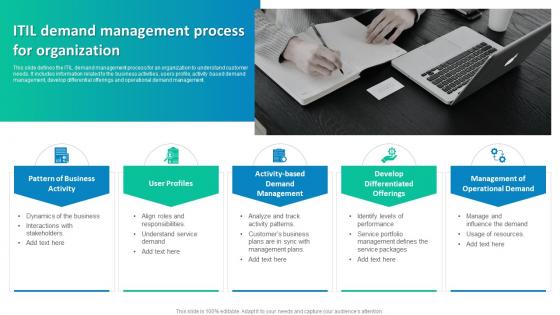
This slide defines the ITIL demand management process for an organization to understand customer needs. It includes information related to the business activities, users profile, activity based demand management, develop differential offerings and operational demand management.
People who downloaded this PowerPoint presentation also viewed the following :
ITIL Demand Management Process For Organization with all 6 slides:
Use our ITIL Demand Management Process For Organization to effectively help you save your valuable time. They are readymade to fit into any presentation structure.





FAQs for ITIL Demand Management
So basically you gotta figure out when people actually want your stuff, then make sure you can handle it without going crazy. Map out your demand first - you'll see the busy times vs dead zones pretty quick. Work with the business folks to maybe spread out requests instead of getting slammed all at once. Don't promise more than your team can actually do (learned that one the hard way). The goal is finding that balance where demand matches what you can realistically deliver. Short bursts are fine, but sustained chaos isn't sustainable for anyone.
Oh this one's actually pretty straightforward! Demand Management is figuring out what users want and when they'll want it - basically predicting the chaos before it happens. Capacity Management is making sure you've got enough servers, storage, whatever to actually handle all that demand. So one team's like "heads up, Black Friday's gonna be insane" while the other's scrambling to spin up more resources. They really should talk more often tbh - I've seen too many places where these teams barely communicate and then wonder why everything's on fire. Short version: get them in the same room regularly and you'll save yourself major headaches.
So demand management is basically your translator between what the business wants and what IT can actually deliver. You're constantly looking at usage patterns and trying to predict what's coming next - honestly, it's way better than just putting out fires all day. The whole point is making sure you're not throwing resources at stuff nobody uses while also not getting caught short when demand spikes. Think of it like... you become the bridge between "we need this business outcome" and "okay, here's what that actually requires from an IT perspective." Pretty cool role actually. I'd start by just mapping out your current demand patterns first.
Honestly, your best bet is mixing hard data with some solid business intel. Pull up those old service usage patterns and seasonal trends - then cross-reference with big company events like launches or busy periods. Business relationship managers are seriously your secret weapon here. They'll tip you off about upcoming projects before anyone else knows. Don't just wing it on instinct though - that's a recipe for disaster. Trend analysis and capacity modeling will back up your hunches with actual numbers. I'd start basic with simple metrics first, then build fancier forecasting once you've got cleaner data flowing in.
Track your forecast accuracy first - shoot for 80% or better if you can swing it. Capacity utilization rates matter too, plus how well you're matching supply to actual demand. Those 2am "everything's broken" calls? Usually means your demand planning sucked. Measure incident volumes tied to capacity issues and watch your demand patterns over time. Service performance during peak periods is huge. Cost per service unit gives you the business angle. Honestly, the best part is when you can prevent fires instead of fighting them constantly. Focus on the predictive stuff before the reactive metrics.
So automation tools are honestly game-changers for demand management. They give you real-time visibility into what's actually happening with requests and usage - not just what you think is happening. The data collection part alone will blow your mind when you see the actual patterns. You can set up alerts for weird spikes or drops, plus they'll automatically route stuff to the right teams. No more playing email ping-pong, which is amazing. I'd start with just the automated data collection first though - that foundation makes everything else way easier to build on.
Honestly, the hardest part is nailing demand forecasting when you don't have solid data backing you up. Most places I've seen are flying blind - no baselines, no historical patterns to reference. It's brutal. Then you've got the political side where business folks think you're just trying to block their requests. That communication gap between business and IT? Total nightmare. Oh, and stakeholders can be pretty resistant to any changes in how they submit demands. Start with just one service area though. Get a few wins under your belt first, then slowly expand. Way easier than trying to boil the ocean.
So demand management is huge for service design - you're basically getting all this data about how people actually use stuff and what capacity you'll need. Without that info, you're just guessing when designing services, which never ends well. The demand forecasts show you peak times, user patterns, all that good stuff. Then you can build services that won't crash when everyone hits them at once. I learned this the hard way on a project last year - wish we'd looked at usage patterns first! Just make sure you're pulling those insights into your design phase early. Way cheaper than rebuilding everything later.
So demand management is basically about predicting what your customers will need before they need it. You match your capacity to actual demand patterns - no more crazy wait times when everyone hits your service at once. Track your usage over the next few months and you'll start seeing predictable spikes. Scale up before busy periods, scale down when it's quiet. Honestly, it's one of those things that seems obvious once you do it. Your customers get way more consistent service and fewer "we're swamped right now" situations.
Get your stakeholders hooked from day one - find the budget holders and decision makers first. Those are the people who actually matter. Regular workshops help gather what they need, but here's the thing: skip the tech speak completely. Show them real data instead of just talking about it, because numbers always win over theory. I'd set up review sessions so they can see their feedback actually changed something. Makes them feel heard, you know? Also tie everything back to business results they care about - not IT metrics that mean nothing to them. Pretty basic stuff but it works.
So here's the thing - bad UX totally messes with your demand forecasting. When people get frustrated, they either bail completely (demand drops) or spam your support team (sudden spikes you didn't see coming). I learned this the hard way at my last job. Good user experiences create predictable patterns that make planning actually doable. You should definitely track satisfaction scores next to your regular demand metrics. Once you start doing that, you'll catch demand shifts way before they slam your servers. Makes the whole forecasting game less of a nightmare, honestly.
Yeah, seasonal spikes will totally mess up your capacity planning if you're not ready. Think about how retail gets slammed during Black Friday or tax software companies during tax season - that stuff happens every year. Map out when your busy periods hit, then scale up your infrastructure and staff beforehand. Way better than panicking when everything's on fire. Honestly, I've seen too many teams act surprised by the same seasonal rush they dealt with last year. Build those predictable cycles into your models so you're actually prepared instead of scrambling.
Honestly, you've gotta stay super flexible with your forecasting models - tech changes everything overnight. Cloud services and AI tools? They'll completely mess with how users behave and consume services. I'd set up quarterly reviews to check demand patterns against whatever new tech your company's adopting. Predictive analytics helps catch trends early (though sometimes I think we overthink this stuff). Track those new service requests that pop up from tech adoption. The real game-changer is building tight feedback loops with business stakeholders. They'll give you the heads up on demand spikes before they actually hit your systems.
Definitely start with ITIL Foundation if you haven't done it yet - the service strategy stuff is crucial. Business analysis skills are massive too since you're always looking at patterns and trying to predict what's coming next. Data analytics will save your life because otherwise you'll be completely overwhelmed by all the numbers. Oh, and communication skills matter way more than people realize - you're basically translating between IT nerds and business people all day. Some kind of project management cert helps when you're rolling out new processes. Honestly though? Nothing beats actual hands-on experience combined with that formal ITIL training.
So ITIL Demand Management is basically about getting ahead of the chaos instead of always playing catch-up. You analyze patterns in how people actually use your services - peak times, seasonal stuff, which things matter most to the business. Then you can plan your capacity and figure out where to put your team's energy. Honestly, it beats the hell out of just putting out fires all day. The whole point is using those patterns to make smart decisions about staffing and what projects to tackle. Way better than scrambling when everything hits at once.
-
Great quality slides in rapid time.
-
“I've always gotten excellent slides from them and the customer service is up to the mark.”