


Leadership Model Ppt Inspiration Infographic Template Connection To Community






Try Before you Buy Download Free Sample Product
 Impress Your
 Audience
 100%
100% Editable
 Save Hours
 of Time


Our Leadership Model Ppt Inspiration Infographic Template Connection To Community add a fresh dimension. Acquire the ability to diversify easily.
People who downloaded this PowerPoint presentation also viewed the following :
Content of this Powerpoint Presentation
Slide 1: This slide introduces Leadership Model. State Your Company Name and begin.
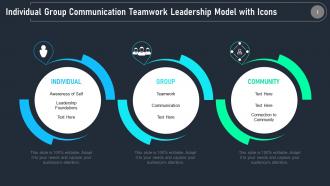
Slide 2: This slide shows Individual Group Communication Teamwork Leadership Model with Icons.
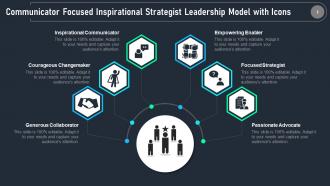
Slide 3: This slide presents Communicator Focused Inspirational Strategist Leadership Model with Icons.
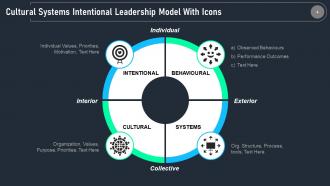
Slide 4: This slide displays Cultural Systems Intentional Leadership Model With Icons.
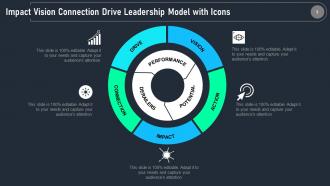
Slide 5: This slide represents Impact Vision Connection Drive Leadership Model with Icons.
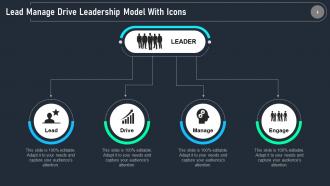
Slide 6: This slide showcases Lead Manage Drive Leadership Model With Icons.
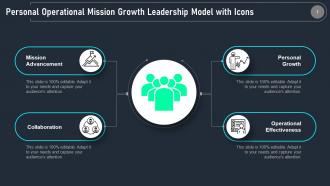
Slide 7: This slide shows Personal Operational Mission Growth Leadership Model with Icons.
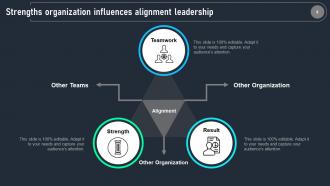
Slide 8: This slide presents Strengths organization influences alignment leadership.
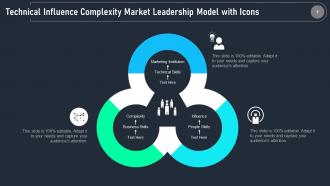
Slide 9: This slide displays Technical Influence Complexity Market Leadership Model with Icons.
Slide 10: This is a Thank You slide with address, contact numbers and email address.
Leadership Model Ppt Inspiration Infographic Template Connection To Community with all 10 slides:
You have mastered the nuts and bolts of your job. Our Leadership Model Ppt Inspiration Infographic Template Connection To Community are engineered for you.


FAQs for Leadership Model Ppt Inspiration Infographic Template
Good leaders? They read the room and actually listen - not just wait for their chance to jump in. When stuff hits the fan (and trust me, it will), they own it instead of pointing fingers. What really sets them apart though is how they develop other people rather than just climbing the ladder themselves. Oh, and they're weirdly good at making tough calls even when they don't have all the info. My biggest advice? Ask better questions and give credit away like candy. Those two things alone will make people want to follow you.
Look, start with psychological safety - nobody's gonna innovate if they're scared of screwing up. Celebrate the smart failures, not just wins. I've watched so many teams where creativity just dies because bosses only want perfect results (which is honestly ridiculous). Give your people actual time to mess around with ideas. Ask "what if" questions constantly and listen when someone pitches something completely crazy. Here's the thing though - you gotta model this stuff yourself. If you're not taking risks, they won't either. Your team mirrors whatever energy you bring to problem-solving.
Dude, emotional intelligence is everything in leadership. Seriously. I've watched super smart leaders crash and burn because they couldn't read a room or would just lose it during stressful meetings. It's wild how much your ability to stay calm and actually get what your team is dealing with affects everything - morale, decisions, how people handle changes. You build way more trust when you're not reactive. The best thing? Just pause before responding when things get heated. Sounds simple but it works. Managing your emotions (and helping others with theirs) is honestly what separates good leaders from disasters.
Honestly? Just read the room and adjust. Executives want the bottom line fast - hit them with business impact, skip the fluff. Your team needs more context though, so you can actually explain the why behind stuff. Tech people love their data and specifics (obviously), but creative folks respond way better to the big picture vision. It's basically like how you text your mom differently than you'd text your boss - same info, different vibe. Oh and pace matters too. Some people need time to process, others just want you to get to the point already.
Dude, you should totally start mentoring someone if you aren't already. It's like giving future leaders their own personal training ground where they can mess up without real consequences. The cool thing is you're not just dumping knowledge on them - you're showing them how to actually make tough calls and handle tricky situations. Some of my best learning moments honestly came from watching mentors screw up and then bounce back like pros. Even grabbing coffee once in a while makes a huge difference. Start with just one person though, don't go crazy with it.
Look, you gotta own your decisions but still let people see how you got there. When I can, I ask for input first - but I always explain the "why" even when it's an unpopular call. I've watched way too many managers either turn into total control freaks or complete pushovers. Both suck equally. Be upfront about when you're open to collaboration versus when you're just making the call yourself. Don't pretend you know everything though - admitting you're figuring it out as you go actually makes people trust you more. Just stay decisive when it counts.
Look, deal with it fast before things get weird. Listen to everyone first - don't pick sides, just figure out what's actually happening. People need to feel safe to talk honestly without worrying about getting in trouble later. I swear, some managers just pretend problems don't exist and wonder why their team implodes. Stick to the real issues, not old drama or personality stuff. Work together to find something everyone can tolerate. You're basically the referee here. Set some ground rules going forward and check back in a week or two to see if it worked.
Look, when you've got different people making decisions, you catch stuff others miss. Your leadership should kinda mirror who you're selling to and who works for you - otherwise you're just guessing at what they actually want. Brainstorming gets way less boring too, honestly. Different backgrounds mean people challenge ideas instead of just nodding along. Innovation happens when someone goes "wait, why do we always do it this way?" Start by checking who's in your pipeline now. Then actively go find talent from groups you're missing. It's not rocket science, but it works.
Honestly, vision and purpose are like your North Star as a leader. People don't just want paychecks - they want their work to actually mean something. So when you can paint a clear picture of where you're going and why it matters, your team gets fired up. Without that direction, you're basically just a fancy task manager. But with it? Your people will push through the rough patches because they get the bigger picture. Oh, and here's the thing - your vision needs to be specific, not some generic corporate fluff. Then just keep talking about it. Repetition works.
Honestly, start with asking people around you - your team, boss, whoever you work with regularly. Yeah it's awkward but you need that reality check. Do a proper 360 review if your company does them, or just be direct about it. Then look at your own habits. Are you breathing down everyone's neck? Skipping those weekly check-ins? I used to be terrible at explaining the big picture to my team. Pick one or two concrete things to work on based on what you hear back. Find someone whose leadership style you actually respect and see if they'll mentor you. Sometimes you need someone to tell you when you're being an idiot.
Honestly, resistance to change is gonna be your biggest headache. People hate the unknown, so you've gotta show them what's actually in it for them - not just vague "this'll be great" stuff. Communication is huge too. I swear, leaders always think they've explained something once and everyone gets it. Wrong. You'll repeat yourself like 50 times. Start with small wins first instead of trying to fix everything at once. Get your key people involved in planning so they feel ownership. Oh, and definitely expect things to go sideways - they always do. Just roll with it and pivot when needed.
Honestly, it's all about showing up consistently. When you tell someone you'll do something, actually do it - even the tiny stuff matters. Don't try to sugarcoat your screw-ups either. People can smell BS from a mile away, and being straight about mistakes builds way more credibility than spinning everything into sunshine. Get to know your team as actual people, not just employee
No Reviews