


Learning roadmap powerpoint presentation slides





Try Before you Buy Download Free Sample Product
 Impress Your
 Audience
 100%
100% Editable
 Save Hours
 of Time


Use amazingly designed Learning Roadmap PowerPoint Presentation Slides to present individual career and professional development plans. Outline career objectives, short- and long-term goals, comprehensive plan and more with the help of learning roadmap PowerPoint presentation slideshow. Companies can incorporate this learning roadmap to make their employees understand their roles and responsibilities. You can outline tasks and goals for the employees using learning roadmap PPT presentation templates. Map out a training program to keep your employees on track using learning roadmap PowerPoint presentation slides. These templates are completely customizable. Change color, text, icon and font size as per your requirement. Add or remove the content, if needed. Grab this professionally designed learning roadmap PowerPoint presentation templates that outlines company’s future developments and enhancements. Folks appreciate your interference due to our Learning Roadmap Powerpoint Presentation Slides. They acknowledge your attempt to improve conditions.
People who downloaded this PowerPoint presentation also viewed the following :
Content of this Powerpoint Presentation
Slide 1: This is an introductory slide for Learning Roadmap. State Your Company Name and begin.
Slide 2: This is an Agenda slide. State your agendas here.
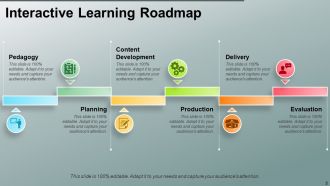
Slide 3: This slide showcases Interactive Learning Roadmap displaying- Pedagogy, Planning, Production, Delivery, Evolution, Content Development.
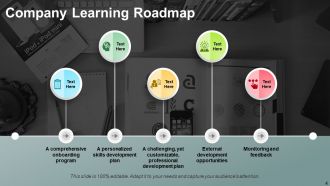
Slide 4: This slide presents a Company Learning Roadmap showing- A Comprehensive Onboarding Program, A Personalized, Skills Development Plan, A Challenging, Yet Customizable, Professional Development Plan, External Development Opportunities, Monitoring and Feedback.
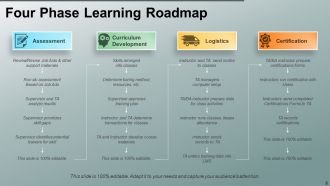
Slide 5: This slide shows Four Phase Learning Roadmap displaying- Assessment, Curriculum Development, Logistics, Certification.
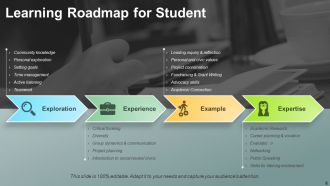
Slide 6: This slide shows Learning Roadmap for student displaying- Exploration: Community knowledge, Personal exploration, Setting goals, Time management, Active listening, Teamwork. Experience: Critical thinking, Diversity, Group dynamics & communication, Project planning, Introduction to social issues/ civics. Example: Leading inquiry & reflection, Personal and civic values, Project coordination, Fundraising & Grant Writing, Advocacy skills, Academic Connection. Expertise: Academic Research, Career planning & vocation, Evaluation, Networking, Public Speaking, Skills for lifelong involvement.
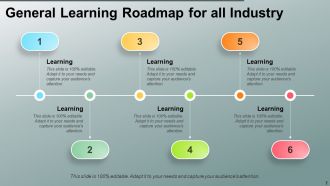
Slide 7: This slide presents General Learning Roadmap for all Industry with a creative timeline image.
Slide 8: This is Learning Roadmap Icons Slide. Use the icons as per need.
Slide 9: This slide is titled Additional Slides to move forward. You may change the slide content as per need.
Slide 10: This is Our Mission slide with Vision and Goals. State them here.
Slide 11: This is Our team slide with names and designation to fill information for.
Slide 12: This is an About us slide. State team/company specifications here.
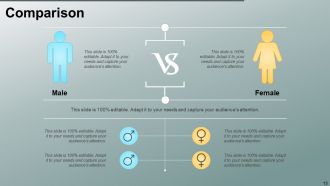
Slide 13: This is a Comparison slide to show comparison, information, specifications etc.
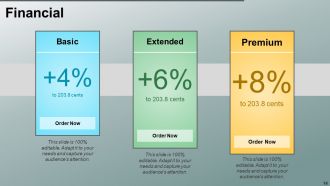
Slide 14: This is a Financial Score slide. State financial aspects etc. here.
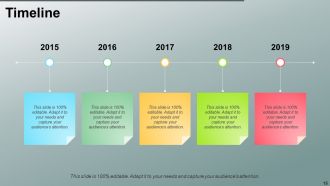
Slide 15: This is a Timeline slide represented in years. Present company growth, milestones, evolution etc. here.
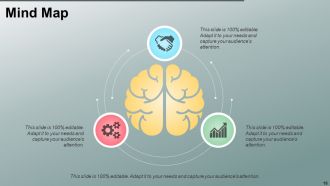
Slide 16: This is a Mind Map image slide to show information, specifications etc.
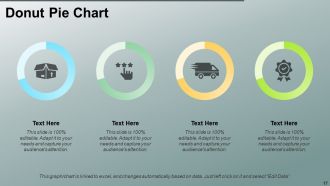
Slide 17: This is a Donut Pie chart slide to show product/entity comparison, specifications etc.
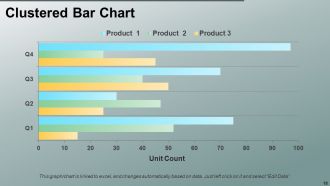
Slide 18: This is a Clustered Bar Chart slide to show product/entity comparison, specifications etc.
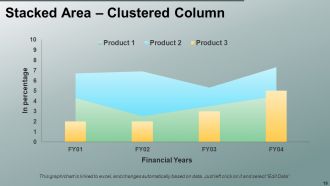
Slide 19: This is a Stacked Area- Clustered Column Chart slide to show product/entity comparison, specifications etc.
Slide 20: This is a Thank You slide with Email Address, Address# street number, city, state, Contact Numbers.
Learning roadmap powerpoint presentation slides with all 20 slides:
Identify external influences with our Learning Roadmap Powerpoint Presentation Slides. Equip folks to cater for the impact.




FAQs for Learning roadmap
Honestly, I'd start by figuring out your exact end goal - like what does success actually look like? Then be brutally honest about where you're at now versus where you need to be. That gap is everything. Find courses, books, or projects that'll get you there, but don't try to do it all at once (I learned that the hard way). Break stuff into smaller chunks with real deadlines you can hit. Oh, and definitely schedule check-ins with yourself every few weeks to see if you're on track or need to pivot. Write down your goal today and just work backwards from there.
Look at job postings for roles you want in the next 1-3 years and work backwards from there. What skills keep showing up? Those are your priorities. Be honest about what you actually know vs. what you think you know - I've definitely fallen into that trap before. Focus on the stuff that appears in multiple job descriptions, then build projects that prove you can do it. Don't just study theory either. Make things people can see. Update your plan every few months because you'll discover new areas as you go deeper into the field.
Honestly, think of assessment like checking your maps before a road trip. You wouldn't just start driving without knowing where you're starting from, right? Same thing with learning - you've got to figure out what you already know and what you're missing. I used to skip this step all the time and just dove into random courses. Big mistake! Regular check-ins help you see if you're actually making progress or just spinning your wheels. Mix formal tests with some honest self-reflection about your skills. Trust me, do a quick skills audit first. You'll save yourself tons of wasted time.
Honestly, tech makes learning plans so much better than those boring static roadmaps. AI platforms can figure out what you already know and suggest what to tackle next. Real-time tracking shows you exactly where you're wasting time versus what's actually sinking in - kind of brutal but super helpful. I love how you can mix everything together too: online courses, random YouTube videos, podcasts, whatever works. Oh, and learning management systems keep tabs on your progress automatically. My advice? Start with one platform that pulls all your learning data together, then expand from there. Game changer.
Honestly, I'd build in flexibility from day one. Set up monthly check-ins to see what's actually working and what isn't. Block out some buffer time too—there's always random stuff that comes up that's worth diving into. I'm a big fan of the modular thing where you can switch topics without screwing up your whole plan. Keep track of what skills you have vs what you need as things change. Oh, and don't cram everything together super tight. Maybe start by setting aside like 30 minutes this Friday to look at where you're at now?
Honestly, just figure out where you are vs where you wanna be. I always make a list of skills I need for whatever role I'm targeting, then rate myself 1-10 on each one (probably being too generous half the time lol). Check job postings, bug people who already do that work, maybe look up some industry standards. When you see "React expert required" and you're like a 3/10, well... there's your answer. Those gaps show you exactly what to tackle first. Pretty straightforward once you actually sit down and do it.
Honestly, just pick something simple and stick with it. I use a basic spreadsheet where I check off stuff as I learn it - nothing fancy. Weekly goals work way better than those massive "learn everything in 3 months" plans that make you want to quit. Try building actual projects too, since that's when you really know if you've got it down. Oh, and explain things out loud to yourself (or your dog, whatever). Sounds weird but it works. The biggest mistake is switching tracking methods every other week - trust me, I've been there. Find one system and commit to it.
Dude, mentors are game-changers. They've already made all the mistakes you're about to make, so you can skip the painful stuff and focus on what actually moves the needle. You'll get way better resources than whatever random YouTube videos you'd find yourself. The honest feedback alone is worth it - most people are too nice to tell you when you're spinning your wheels on something useless. Oh, and don't just hit them up with vague questions like "help me get better." Come prepared with specific stuff you're stuck on. They're busy people, but they'll totally help if you make it easy for them.
Honestly, I'd just make a visual roadmap first - like a flowchart showing which skills you need before tackling others. Color-code everything by difficulty so you can see what's beginner vs advanced at a glance. Break it into smaller chunks with realistic timeframes because massive skill lists are just depressing to look at. Focus on highlighting the "gateway" skills that unlock tons of other stuff. I'm obsessed with Miro for this kind of thing, but even a basic mind map works. Oh, and definitely update it as you go - you'll discover weird connections between topics you never expected.
Don't wait until the end to check how things are going - build those reality checks right into your plan from the start. I learned this the hard way after going completely off track too many times! Weekly reviews work great, or just pause after hitting big milestones. The trick is actually doing something with the feedback you get. Maybe ask a mentor what they think, or honestly just sit with yourself for 15 minutes and figure out what's working. Some adjustments will be tiny. Others might mean switching direction entirely. Why not block out time this week for your first check-in?
Honestly, most people skip the boring stuff but it's what makes or breaks your plan. Block out actual time in your calendar first - otherwise it never happens. Grab some decent learning materials, whether that's courses, books, whatever works for your style. Find someone who knows their stuff to bug when you get stuck (and you definitely will). Oh, and get an accountability buddy or regular manager check-ins. I'd say figure out what you're missing from that list and start there. The time thing is usually the biggest issue though.
Build different routes to the same destination, you know? Visual people love infographics and videos. Audio learners want podcasts and discussions. Kinesthetic ones are honestly the hardest - they need hands-on stuff and simulations. Don't make everyone follow the exact same path though. Let someone read docs while their teammate watches tutorials to learn the same thing. Choice is everything here. When people can pick their format, engagement goes way up. I've seen it work so much better than the one-size-fits-all approach most places try.
Okay so think of short-term goals like GPS checkpoints for learning. Breaking down scary big objectives into weekly or monthly chunks makes everything way less overwhelming. You'll actually see progress instead of wandering around feeling lost (trust me on this one). Each time you hit a milestone, you get that little rush of accomplishment that keeps you going when things get rough. The key is setting specific deadlines. Oh and definitely celebrate the wins - even the small ones count! Without these checkpoints you're basically driving cross-country with no map.
Honestly, the trick is making these roadmaps feel like they actually matter for people's careers, not just some corporate busy work. Get managers to share their own learning goals first - that vulnerability thing really works. Dedicate actual time in one-on-ones to talk about progress, and definitely celebrate when someone hits a milestone (people love recognition, even small stuff). The magic happens when you tie learning directly to cool projects or promotions they want. Otherwise it just feels pointless. Oh, and leadership needs to actually use their roadmaps too - nobody follows what bosses don't do themselves.
Your roadmap isn't some sacred text - you gotta keep updating it as you learn stuff. I've watched people cling to these ancient learning plans like their life depends on it, which is honestly just painful to see. New skills pop up constantly, some topics turn out way harder than you thought, and sometimes you find better ways to get where you're going. Plus your own goals change too. Tools evolve super fast these days. Review yours every couple months and don't be afraid to scrap whole sections if they're not working anymore.
No Reviews