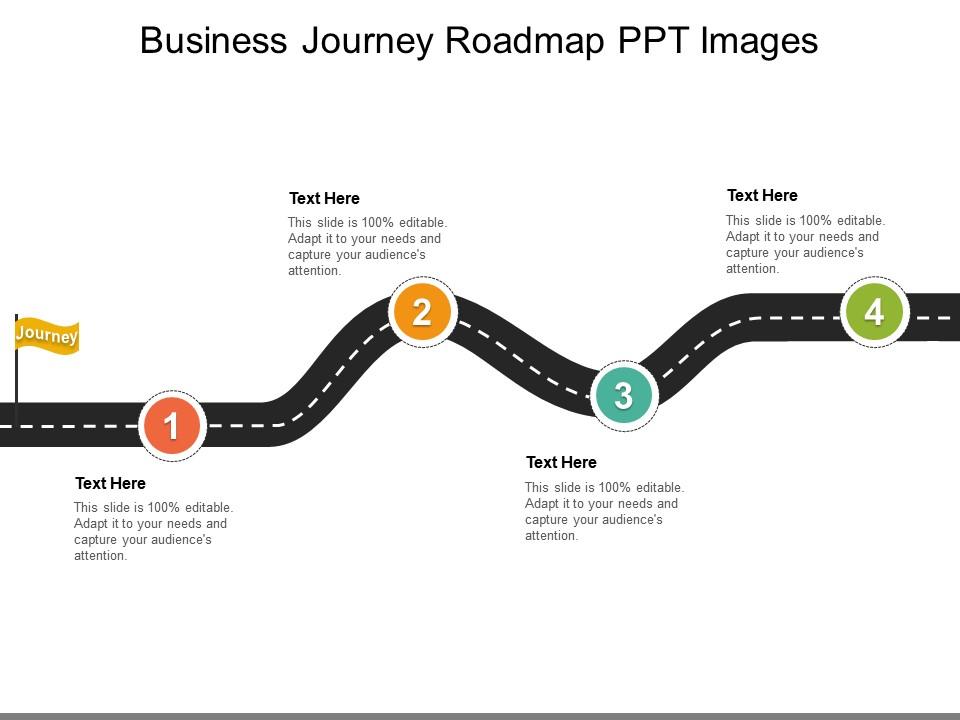
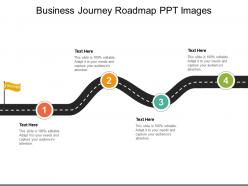
Business journey roadmap ppt images

Rating:
100%
Slide 1 of 5
Favourites Favourites

Try Before you Buy Download Free Sample Product

Audience Impress Your
Audience
Editable 100%
Editable
Time Save Hours
of Time
The Biggest Sale is ending soon in
0
0
:
0
0
:
0
0
Rating:
100%
Presenting Business Journey Roadmap PPT Images. Download this completely customizable template in JPG and PDF formats. It is fully compatible with Google Slides. Make any change in this slide and match it with your presentation theme. You can alter the colors, font size, and type. Add icons and make it more captivating. It is made up of high-resolution graphics and can be downloaded in 2 screen sizes i.e., standard screen and widescreen.

People who downloaded this PowerPoint presentation also viewed the following :

FAQs for Business journey

Honestly, most business roadmaps suck because they're way too rigid. You need four things that actually matter: clear goals (obvious but people mess this up), realistic milestones with deadlines, who's doing what plus budget stuff, and - this is key - room to pivot when things go sideways. Which they will! I'd also throw in some metrics so you know if you're winning or just spinning your wheels. Don't overthink the first draft though. Just get it down in a Google doc or whatever and clean it up later.

Look, your roadmap basically needs to trace back to those big strategic goals you set. Break each one down into actual initiatives first, then timeline them out realistically. I see way too many roadmaps that are just random feature lists - totally pointless if you ask me. Every milestone should answer "how does this get us closer to the goal?" Be super clear about these connections so your team gets why they're building what they're building. Otherwise you'll have people working on stuff that doesn't matter. Make sense?

Dude, visual roadmaps are game-changers. When everything's mapped out, your team can actually see how projects connect and where things might crash into each other. No more drowning in those awful text-heavy strategy docs that nobody reads anyway. Honestly, I can't tell you how many times I've watched people's faces light up once we throw everything on a timeline. Makes spotting bottlenecks so much easier. Executives love them too - they get the big picture without having to dig through pages of details. Oh, and definitely try swimlanes or color-coding. Trust me on that one.

Honestly, quarterly is the bare minimum but monthly check-ins work way better. Things move so fast now - like, remember when everyone thought TikTok was just for kids? Markets shift overnight. I'd do the big strategic stuff quarterly, but don't be rigid about it. New competitor pops up? Major customer freaks out about something? Review it immediately. The teams that actually succeed with this stuff put it on their calendar as a recurring thing. Otherwise you'll totally forget and suddenly it's been six months since you looked at your roadmap. Trust me on that one.

You absolutely need stakeholder input - otherwise you're just guessing at what people want. Customers know what problems they're facing, your dev team understands what's actually possible to build, and leadership has the bigger picture strategy. I learned this the hard way when I spent weeks on a roadmap that completely ignored what sales was hearing from prospects. Different people see different angles you'll miss on your own. Get their input early though, not after you've already decided everything. Oh and partners are super helpful too - they often catch dependencies that'll bite you later.

Honestly, roadmapping is so much better now than those messy whiteboard sessions we used to do. I'd start with Trello or Asana if you're new to this - they're pretty straightforward. Once you need fancier stuff, Miro and Roadmunk are solid choices. Google Sheets works too if you find a good template. The best part? Your team can actually collaborate in real-time instead of those nightmare email threads where nothing gets done. These tools also spit out nice visuals that make executives happy, which is half the battle honestly. You'll probably outgrow the basic tools quickly, but that's a good problem to have.

Oh man, don't get sucked into making it super detailed - I've seen teams waste weeks on perfect quarterly breakdowns that are useless a month later. Keep it flexible since priorities always change. Make sure you actually talk to stakeholders first, otherwise you'll build something nobody wants. The worst thing? Trying to squeeze every single project onto one timeline. Focus on maybe 3-5 big things max. I'd honestly just start simple and figure it out as you go.

Think of your business roadmap as spotting trouble before it hits. You're mapping out timelines, dependencies, and what you actually need - so problems don't catch you off guard later. Honestly, I've seen too many teams get blindsided by stuff they could've seen coming. When you plot initiatives across months or years, bottlenecks and budget issues become obvious. Plus you can build in backup time for the big milestones. Quick tip though - review it monthly and ask yourself "what could totally mess this up?" for each major thing you're working on.

You'll want to track the obvious stuff first - milestone completion, budget variance, timeline adherence. Revenue impact too if your roadmap connects to product launches. But honestly, the soft metrics are where things get interesting. Team alignment surveys and stakeholder engagement can save you from those brutal quarterly reviews (trust me on this one). Customer satisfaction scores matter more than people think. Set up a monthly dashboard comparing actual vs. projected progress - that's where you'll spot the real problems early. Oh, and don't sleep on resource utilization tracking. Sounds boring but it'll bite you later if you ignore it.

Honestly, make your roadmap flexible from the start - I'd do quarterly check-ins to see what's shifted and adjust from there. We got burned once by sticking to our original plan way too long, so trust me on this one. Track stuff like customer feedback patterns or what competitors are doing to catch changes early. Oh, and make sure your team gets that changing direction based on new info isn't failing - it's just good business sense. Think of it like a Google doc, not something carved in marble.

Honestly, ProductPlan and Aha! are pretty solid if you want something fancy, but I've seen amazing roadmaps made in basic PowerPoint too. Miro's great for teams that love whiteboarding together. Notion works surprisingly well - way more flexible than you'd think. My old manager swore by Roadmunk, though I never used it myself. The real trick? Pick whatever your stakeholders will actually look at instead of ignoring. Don't overthink it - grab a free template from any of these and just customize it for your timeline and goals.

Tech companies are all over the place - they'll literally redo their roadmaps every quarter, which sounds insane but somehow works for them. Manufacturing goes the opposite route with these massive 3-5 year plans because, you know, supply chains and production cycles. Healthcare and finance? Forget moving fast - they're stuck building in compliance checks everywhere. Retail's weird because everything revolves around holidays and trends. I worked with a retailer once who planned Black Friday stuff in like February. Bottom line: you gotta match your industry's actual rhythm instead of copying some template from a blog post.

Honestly, deadlines are what separate actual progress from just dreaming about stuff. You'll find everything feels equally important without them - which means nothing gets done. Break your big goals down into smaller pieces and figure out what depends on what else. Your team needs realistic expectations too, not just "we'll get there eventually." I learned this the hard way when I kept pushing projects back indefinitely. Having actual dates makes it so much easier to see if you're on track or need to change course. Start with your biggest milestones first, then work backwards from there.

Honestly, roadmaps are total game-changers for keeping everyone on the same page. When teams start asking "wait, are we still doing that Q3 project?" you just point them there. No more confusion about priorities or departments accidentally duplicating work. Those cross-team meetings where people talk past each other? Way less painful when there's a visual everyone can reference. People actually understand how their stuff connects to other teams' work - I swear the visual part makes all the difference. Just don't let it get stale or it's worthless.

Honestly, just look at how Spotify, Airbnb, and Tesla did it - they nailed the balance between big dreams and realistic steps. Spotify focused on user experience while going global. Airbnb built trust features as they expanded markets. Tesla's timeline predictions are hilariously off (classic Musk), but their electric-to-energy vision totally worked. What these roadmaps actually share? They're about outcomes, not just random feature dumps. Pick one that matches your company's size and stage, then steal their framework. Adapt it to whatever constraints you're dealing with - that's where the real work happens.

Ratings and Reviews

100% of 100
Review Form
Write a review
Most Relevant Reviews
  1. 100%

    by Deon Warren

    Designs have enough space to add content.
  2. 100%

    by Dallas Medina

    Excellent products for quick understanding.

2 Item(s)

per page: