Monthly Business Sales Performance Report

Rating:
85%
Monthly Business Sales Performance Report
Slide 1 of 2
Favourites Favourites

Try Before you Buy Download Free Sample Product

Audience Impress Your
Audience
Editable 100%
Editable
Time Save Hours
of Time
The Biggest Sale is ending soon in
0
0
:
0
0
:
0
0
Rating:
85%
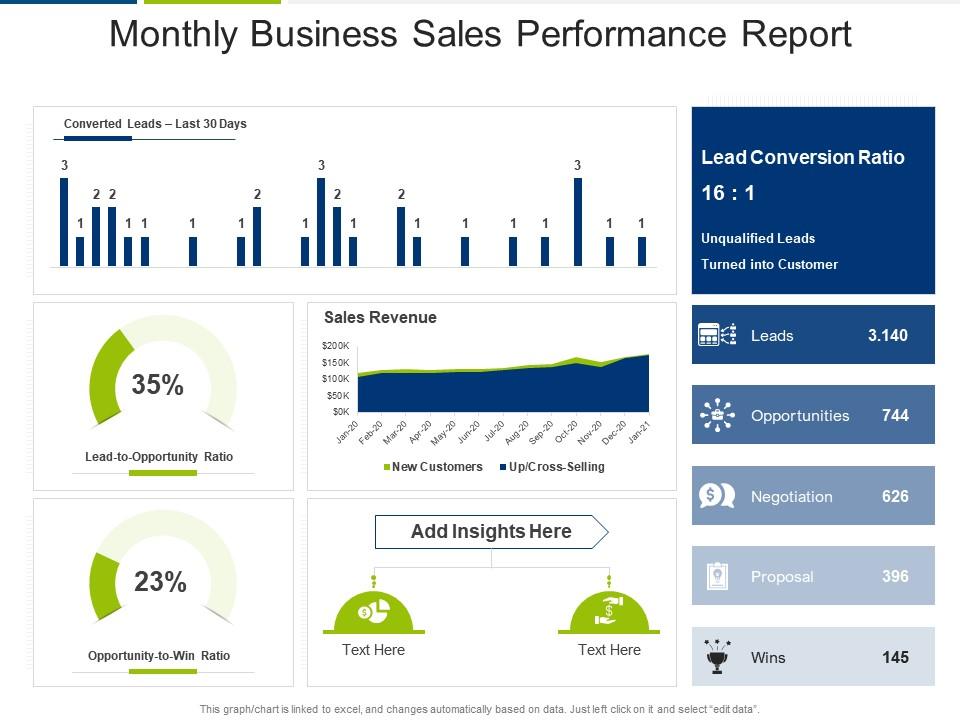
Presenting our well structured Monthly Business Sales Performance Report. The topics discussed in this slide are lead opportunity ratio, sales revenue, lead conversion ratio. This is an instantly available PowerPoint presentation that can be edited conveniently. Download it right away and captivate your audience.

FAQs for Monthly Business

Focus on conversion rate, deal size, sales cycle length, and pipeline velocity first - those tell you way more than just looking at revenue numbers. Win/loss ratio matters too. Oh and definitely track customer acquisition cost vs lifetime value, that one's huge. Activity stuff like calls and demos? Honestly pretty useless compared to actual conversions. I'd throw together a quick dashboard with these metrics and check it weekly. Sounds like overkill but you'll catch issues early instead of scrambling later when everything's already tanked.

Look, sales numbers pretty much make or break everything else you're doing. Hit your targets? Great - now you've got cash to throw at R&D, marketing, whatever. Miss them consistently and you're stuck in this awful cycle where you can't afford to fix anything. I've watched so many startups with killer products just... die because they sucked at selling. Investors pay attention to this stuff too - strong sales make funding way easier to get. My advice? Watch those metrics like a hawk and jump on any problems fast. Sales really is that fundamental to keeping the lights on.

Honestly, good sales training is a game changer for teams. Your reps get way better at handling objections and building relationships with prospects. I've watched struggling teams completely flip their results after solid training - it's wild how fast things can improve. The catch? You can't just do it once and call it done. Ongoing coaching keeps people sharp. Figure out where your team struggles most first, then hit those areas hard. Oh, and confidence plays a huge role too - when reps actually know what they're doing, they close more deals naturally.

Dude, CRMs are honestly a lifesaver for tracking sales stuff. Everything gets captured automatically - customer calls, emails, deal updates. No more digging through random spreadsheets like we're living in 2005. Real-time dashboards show you conversion rates and how your team's doing without pulling reports manually. You can actually spot patterns early, like which leads are worth chasing or where deals keep dying. Most systems sync with your email and calendar too, so data just flows in. Set up alerts for deal milestones first - you'll be shocked at the bottlenecks hiding in plain sight.

Honestly, it's usually crappy leads or impossible targets that screw teams over. Like you'll get flooded with "leads" but they're total garbage - people who aren't even close to buying. Management loves setting these wild goals without looking at what's actually realistic based on your market. Training is another huge one. Can't hit numbers if nobody knows what they're doing, right? Old tools don't help either. Teams also suck at follow-up - they'll contact someone once then forget about them completely. I'd definitely check where your leads are coming from first, then sit down with your boss about those targets. Bring the actual data though.

Honestly, start by asking each person what's actually blocking them right now - then fix those things first. Celebrate the wins publicly, even tiny ones (this stuff works way better than most managers think). Give them real training they can use, not whatever corporate dreamed up. Regular check-ins help you spot problems early and show you actually care about where they're going career-wise. Money's great, but people also want to grow and have some control over their work. Oh, and set targets they can actually hit - nothing kills motivation faster than impossible goals.

Look at last year's numbers and tack on 10-15% - that's usually where you want to land. Honestly, I've watched too many managers completely kill morale by setting these insane targets that nobody believes in. You want your team thinking "this'll be tough but I can do it" not rolling their eyes. Break everything into quarterly chunks so you can pivot if things go sideways early on. Don't forget to factor in stuff like new product launches or if someone's leaving the team. Each rep needs to see how they'll actually hit their number, even if it means stepping up their game. Market conditions matter too obviously.

Honestly, customer feedback is like a cheat sheet for fixing your sales process. It shows you exactly where deals are dying - maybe it's pricing pushback or your product missing features people actually want. Don't just collect feedback when you win though, that's where most people mess up. Get it after every big conversation, especially the losses. Those "no" responses? Gold mine for spotting patterns your team keeps running into. Happy customers will tell you what worked too, which approaches to keep using. Then you can actually train your reps on real scenarios instead of made-up role plays. Makes your pitch way more dialed in.

Start with trend analysis - dig into your sales data to spot patterns and seasonal changes. Break everything down by product, region, and sales rep so you can see what's actually working. Cohort analysis is honestly amazing for tracking how customer behavior shifts over time (probably my go-to method). Compare your numbers against targets and industry benchmarks too. The real trick? Ask "why" behind every single data point you see. Set up regular review cycles - otherwise you'll just end up drowning in spreadsheets instead of using the insights to tweak your strategy.

Dude, you've gotta start working with other teams more. Marketing will hook you up with way better leads instead of random cold calls. Product folks help you actually understand what you're selling - sounds obvious but most sales people skip this part. Customer success is gold though, they'll tell you exactly which clients might buy more and what makes people cancel. Support team knows every objection you'll face before prospects even say them. I'd just start with quick weekly coffee chats with each department. Share what you're hearing from customers and ask what they need from you. It's honestly a game changer once you get the rhythm down.

Honestly, ditch the annual review thing and do weekly check-ins instead. Get into the actual numbers with them and coach through real deals as they happen. Sales people are competitive as hell, so put up leaderboards and celebrate wins loudly. Track stuff like call volume and meeting quality - not just closed deals. Oh, and push ongoing training hard. Make it clear that learning new techniques isn't optional. The biggest mistake though? Only caring about improvement when numbers tank. That makes it feel reactive instead of just how you operate. Consistency is everything here.

Look, SPM is like having a GPS for your sales team instead of letting them wander around lost. You get clear targets, can actually see what's working, and catch problems early. No more flying blind and crossing your fingers – honestly, that never works anyway. Track your key metrics religiously and you'll start spotting patterns. Performance gaps become obvious. Coaching gets way easier when you have real data. Plus you can finally reward people for doing the right stuff. Bottom line? Consistent tracking turns chaos into predictable revenue. Worth the effort, trust me.

Honestly? The right sales methodology can be a game-changer. SPIN Selling crushes it for complex B2B stuff - all about digging into pain points. Challenger Sale works when you're trying to shake up how people usually buy. Solution selling is solid if your product fixes clear problems. I've watched teams bump their close rates 20-30% just by switching approaches. The trick is actually picking something that matches how your customers think and buy. Oh, and don't half-ass the training - that's where most people screw it up. You gotta commit to whatever method you choose.

Mix quick wins with bigger stuff to keep people motivated. Public shoutouts work great, or those handwritten thank-you notes that somehow hit different than emails. Gift cards are solid too. For major achievements, throw in team bonuses or extra PTO days - honestly, experiences like group dinners often stick with people longer than cash does. Here's the thing though: timing matters way more than the size of the reward. Don't sit on celebrating wins for months. I'd set up something weekly so you're not scrambling during quarterly reviews wondering what happened three months ago.

Honestly, stalking your competitors is probably the best thing you can do for sales right now. Check out their pricing, what they're saying to customers, their features - all that stuff. Customer reviews are goldmines for finding gaps they're missing. I'm borderline obsessive about this lol, but it works. When you see their successful campaigns, figure out how to do it better. Oh and set up Google alerts so you don't miss when people talk about them. The trick isn't just research though - you've gotta actually use what you find to fix pricing or solve problems they're ignoring.

Ratings and Reviews

85% of 100
Review Form
Write a review
Most Relevant Reviews
  1. 100%

    by Edward Nunez

    Very well designed and informative templates.
  2. 80%

    by Eduardo Greene

    Professional and unique presentations.
  3. 80%

    by Cruz Hayes

    Much better than the original! Thanks for the quick turnaround.
  4. 80%

    by Coleman Henderson

    Excellent template with unique design.

4 Item(s)

per page: