


Monthly Milestone Plan Powerpoint Presentation Slides




Try Before you Buy Download Free Sample Product
 Impress Your
 Audience
 100%
100% Editable
 Save Hours
 of Time


Steer project planning in the right direction with Monthly Milestone Plan PowerPoint Presentation slides. Breaking performance metrics month wise with the help of our PPT deck measures business operations and their success. Inculcate this timeline benchmarking template to set challenging but realistic anchor points for monthly objectives. Illustrate key performance indicators through PPT diagrams, such as splitting external reviews or budget checks into phases. However, you also get to use other indicators such as demographics and area in our monthly timeline PowerPoint templates. To compare the performance of different products on a quarterly basis has never been easier with this monthly planning presentation template. Develop and deliver yearly targets for your ventures with the help of milestone timeline plan PowerPoint slide. This business timeline PowerPoint theme can help you to evaluate your projects. Whatever your company’s approach may be, this development milestone presentation conveniently tracks major progress points.
People who downloaded this PowerPoint presentation also viewed the following :
Content of this Powerpoint Presentation
Slide 1: This slide introduces Monthly Milestone Plan. State your company name and begin.
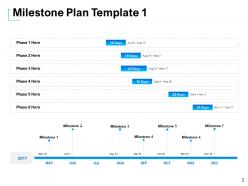
Slide 2: This slide showcases Milestone Plan Template 1.
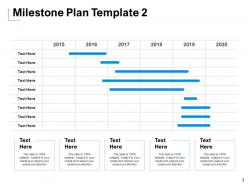
Slide 3: This slide depicts Milestone Plan Template 2 from year 2015 to 2020.
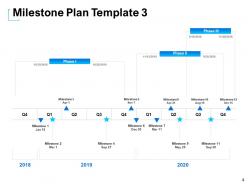
Slide 4: This slide showcases Milestone Plan Template 3 with phases.
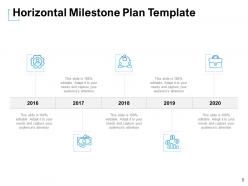
Slide 5: This slide presents Horizontal Milestone Plan Template.
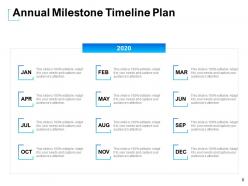
Slide 6: This slide depicts Annual Milestone Timeline Plan.
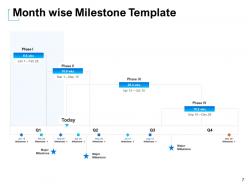
Slide 7: This slide represents Month wise Milestone Template.
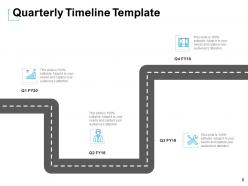
Slide 8: This slide showcases Quarterly Timeline Template.
Slide 9: This is Monthly Milestone Plan Icons Slide.
Slide 10: This slide is titled as Additional Slides for moving forward.
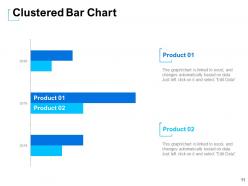
Slide 11: This slide displays the Clustered Bar Chart with product comparison.
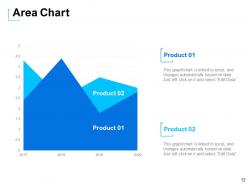
Slide 12: This slide displays Area Chart with different product comparison.
Slide 13: This is Our Mission slide with vision, mission and goal.
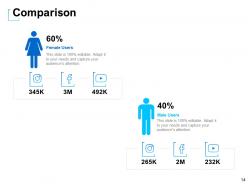
Slide 14: This is Comparison slide showcasing comparison between female users and male users.
Slide 15: This is Our Team slide with names and designations.
Slide 16: This slide displays Magnifying Glass to highlight important content.
Slide 17: This is Thank You slide with contact number, email address and address.
Monthly Milestone Plan Powerpoint Presentation Slides with all 17 slides:
Keep adding extra capacity with our Monthly Milestone Plan Powerpoint Presentation Slides. Their coverage grows by the day.





FAQs for Monthly Milestone Plan
Okay so basically you want clear goals that actually connect to your bigger picture stuff. Set deadlines you won't hate yourself for later. Make sure someone owns each piece - trust me on this one, I've seen too many things fall through the cracks otherwise. Build in check-ins because projects have this annoying habit of going radio silent for weeks. Map out what depends on what ahead of time, plus any roadblocks you can see coming. Always pad your timeline though - random stuff WILL pop up. I'd start with your must-haves for the month, then just work backwards from there.
Honestly, I'd start by chunking your big goals into quarters, then work backwards from there. Figure out what monthly stuff needs to happen to actually hit those targets. Make sure each milestone connects to something bigger - otherwise you're just spinning your wheels. Dependencies are huge too, so map those out or you'll create weird bottlenecks later. Be super specific about outcomes, not just random tasks. Don't say "improve customer satisfaction" when you could say "get support tickets resolved in under 24 hours." Way clearer. Oh, and definitely review monthly because things change constantly. Plans never survive contact with reality anyway.
Honestly, I'd check out **Asana** or **Monday.com** first - both are really good for seeing your progress visually and getting the whole team on board. **Notion** is another option if you want to customize everything, but fair warning, you'll probably fall down a rabbit hole setting it up (took me forever to stop fiddling with mine). **Trello**'s nice too if you like those card-style boards and want something straightforward. Here's the thing though - whatever tool your team will actually stick with is the right one. Try free trials of a couple and see what feels natural for how you work.
Weekly check-ins are your best bet for monthly goals. Get everyone to share what they finished, what's blocking them, and how confident they feel about hitting deadlines. Visual tracking is honestly a game-changer - dashboard, spreadsheet, whatever works. Just make sure everyone can see the big picture. Don't only focus on completed tasks though. Talk about quality and any scope creeps that might mess with your timeline. Oh, and create a space where people actually feel safe flagging problems early. Way better than everyone panicking at the last minute.
Honestly, the biggest trap is cramming way too much into tight deadlines. Don't be vague either - saying "boost customer satisfaction" without actual numbers is pretty useless. Always pad your timeline because I swear something always breaks at the worst moment. Getting your team on board from day one is huge, otherwise you're stuck with missed deadlines and everyone's annoyed. Also, treat your plan like a living document - check in monthly and tweak things. Oh, and before your next planning session? Ask what totally bombed last time.
Look, it totally depends on what industry you're in. Tech companies do those sprint things - you know, quick feature drops and getting user feedback constantly. Manufacturing is all about hitting production numbers and checking quality stuff, plus dealing with supply chain headaches. Healthcare? They're stuck with compliance deadlines that are basically set in stone. Financial companies focus more on risk checks and when they need to report to regulators. Honestly, the biggest mistake is trying to use some cookie-cutter approach. You've got to match your milestones to how your industry actually works.
Look, stakeholder feedback is honestly your best reality check for those monthly milestones. Don't wait until the end to loop them in—that's when everything goes sideways. I learned this one the hard way, trust me. Quick feedback sessions after each milestone review will save your ass later. They catch timing issues and priority problems you totally miss when you're buried in the details. Course-correcting early beats those awful "this isn't what we wanted" conversations. Make it regular, not just a one-time thing. Oh, and getting their buy-in upfront? Game changer.
Dude, visual templates are a game changer for milestone planning. Instead of those boring bullet-point docs that everyone ignores, try Gantt charts or timeline layouts with color-coding. People can actually see dependencies and deadlines without squinting at dense text. I swear, half the project failures I've seen could've been avoided if teams just visualized their milestones better. Progress bars and icons make everything click instantly - your team gets the whole picture in seconds. Start simple though, just use whatever tool you've already got. Even basic timeline templates work wonders compared to plain text lists.
For your monthly milestones, I'd track both the numbers stuff and the softer metrics. Numbers are easy - deliverables done, deadlines hit, budget burn rate. But also grab outcome data like customer satisfaction or revenue impact, whatever fits your project. Leading indicators are clutch because they warn you early when things go sideways. If you're managing a team, throw in velocity or capacity stuff too. Honestly though? Start with maybe 3-5 metrics max. I've seen people go overboard tracking everything and it just becomes white noise.
Check your monthly plan twice - around the 15th and at month-end. Mid-month reviews are lifesavers for catching problems before they snowball (learned this one the hard way lol). End-of-month is when you figure out what actually worked and what was total garbage. Then you can plan better next time. Complex projects? Maybe do weekly check-ins instead. I'd start with just 30 minutes every two weeks - honestly, even that feels like a lot sometimes, but it's worth it. Weekly might be overkill unless things are really chaotic.
Honestly, focus on three big things first month: get your team roles crystal clear, nail down exactly what this project includes (and doesn't!), and figure out how you'll all communicate. That scope part is huge - I've seen so many projects go sideways because nobody bothered defining boundaries upfront. Set up regular stakeholder meetings and decide who makes what decisions early on. Otherwise you'll be drowning in pointless meetings later, trust me. Oh, and definitely start with a proper kickoff meeting to cover all this stuff. By month's end, everyone should know their job and how info moves around.
Honestly, get everyone on the same shared doc first - Notion works great for this stuff. Break those monthly goals into weekly chunks because waiting a whole month to check in is just asking for disaster. I'd do quick 15-minute calls each week to catch any problems early and give people props when they crush their deadlines. Each milestone needs someone who actually owns it, you know? Oh and definitely set up some async updates too since dealing with different timezones is the worst. The whole thing only works if everyone can see who's handling what.
Get specific people attached to each milestone - like, actual names, not just "the team will handle it." Weekly check-ins are your friend here, way better than finding out at month-end that everything's behind. Build yourself some buffer time too because honestly, stuff always takes longer than you think. A shared tracker where everyone can peek at progress helps tons - I'm weirdly obsessed with those dashboard things. Don't forget to actually celebrate when you hit milestones! Sounds cheesy but it really does keep people motivated for the next sprint.
So basically, monthly planning stops you from drowning in your own goals. Instead of this massive intimidating thing, you've got bite-sized pieces every 30 days. Honestly, it's way easier to stay motivated when you can actually see progress happening. Plus you catch yourself going off track before it's too late - none of that "oh crap, it's November and I've done nothing" panic. The trick is picking maybe 2-3 things you really want to nail this month. Then just work backwards to figure out what you need to do each week. Super simple but it actually works.
Honestly, monthly milestones are pretty great because you get that longer view without losing agility. Your team can still pivot mid-sprint, but stakeholders have predictable checkpoints to look forward to. Finance people eat this stuff up since it makes budget planning way easier. Multiple teams can sync up around the same dates too, which is clutch. Oh, and if you're just starting out? Go quarterly first - monthly can feel overwhelming until you find your groove. It's kinda like... you know where you're going but can still handle whatever comes up along the way.
No Reviews