


New Employee Briefing Powerpoint Presentation Slides
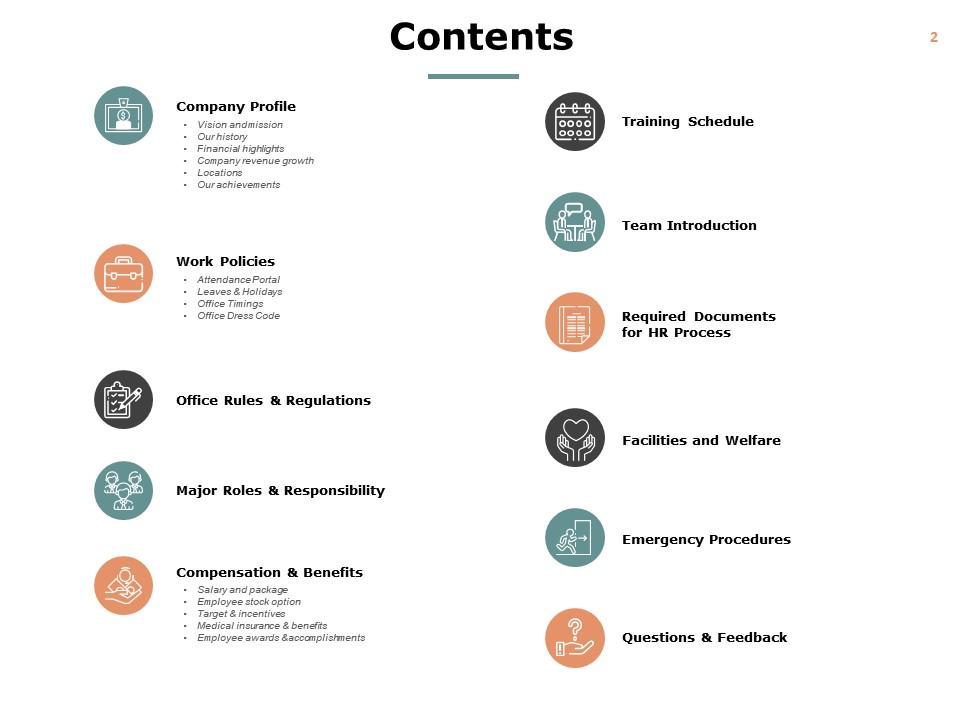
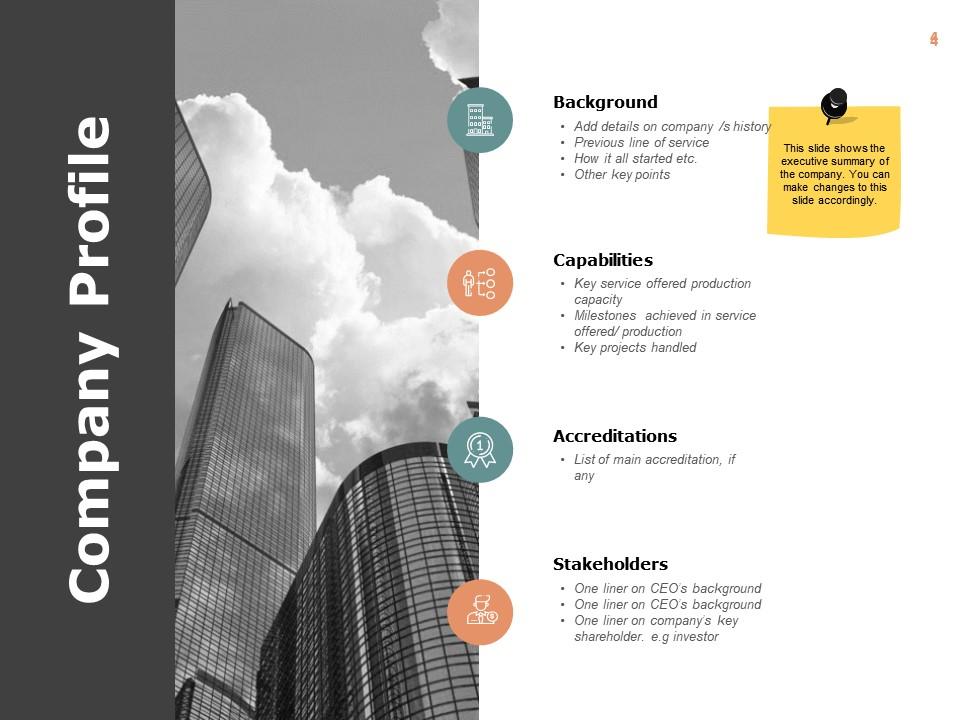
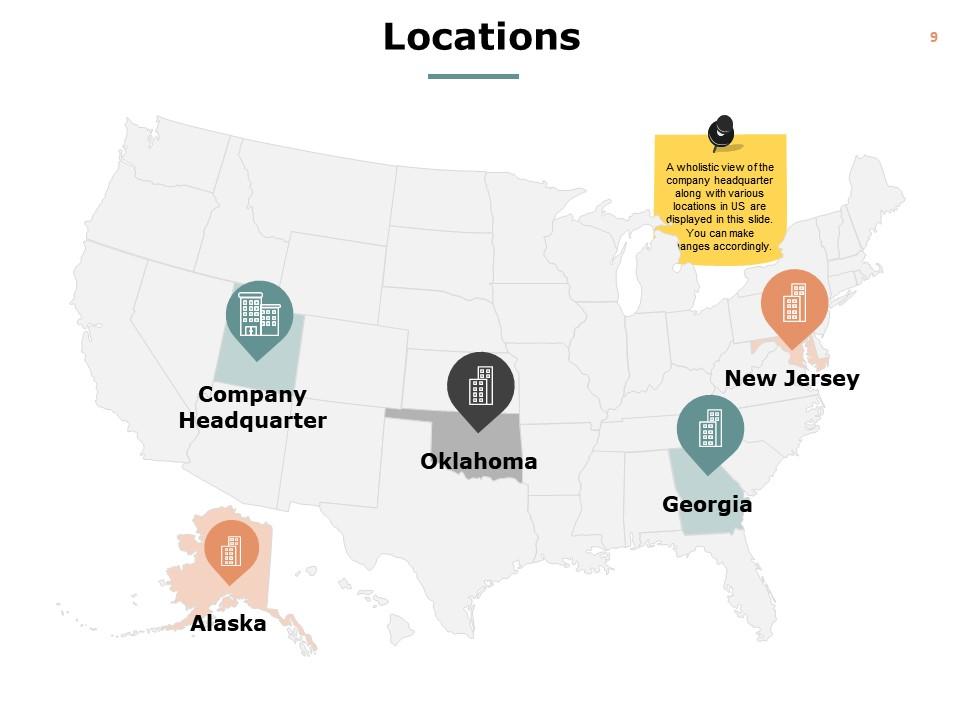
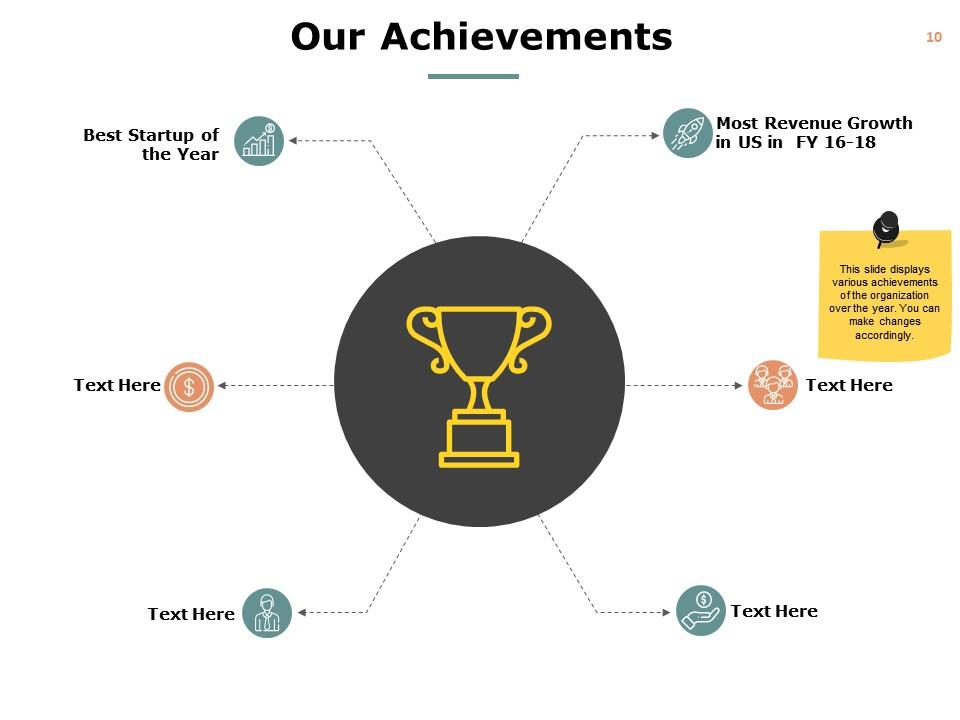
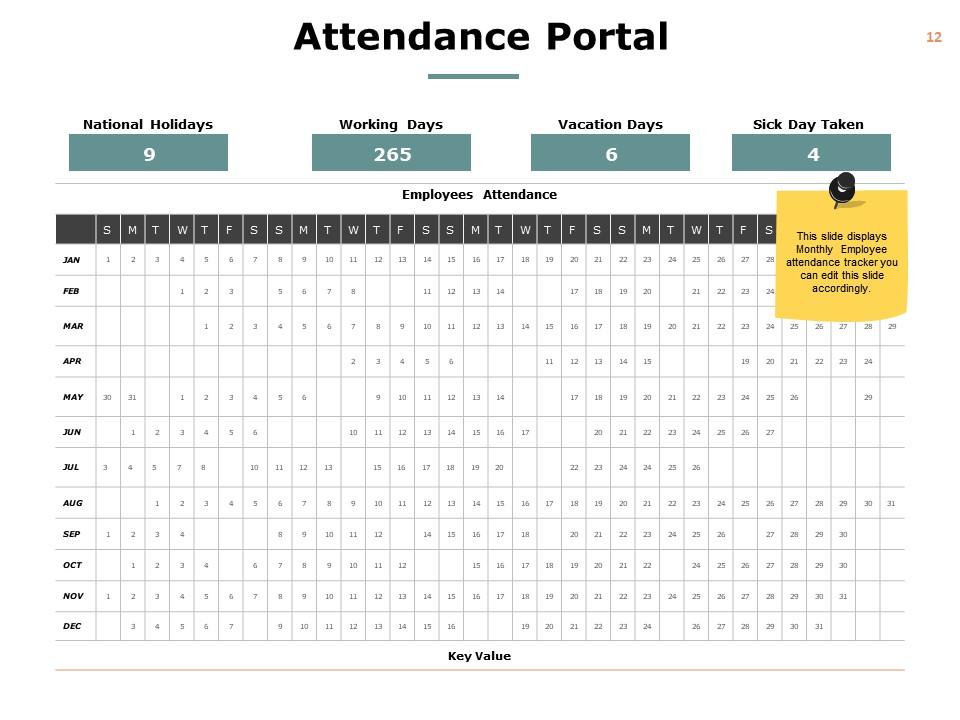
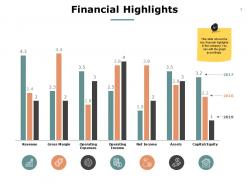
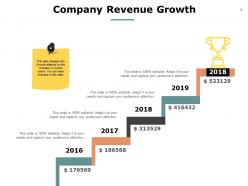
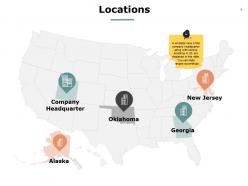
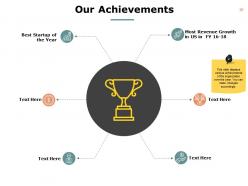
Company introduction to new employees is an important task. Get started today by downloading our complete 51 slides content-ready new employee briefing PowerPoint presentation deck. With this new employee orientation PPT, you can give insights about existing employees to new the staff, the company’s goal, and objectives, hierarchy, rules, and regulations, etc. The employee orientation presentation deck contains important slides like company profile, vision, and mission, our history, financial highlights, company revenue growth, locations, our achievements, work policies, attendance portal, leaves and holidays, office timings, office dress code, etc. In short, make your expectations clear to new hires by using our new staff induction PowerPoint theme. The best part is that you don’t need to comprehend the theories just insert your text and have a professional PPT presentation in front of you in no time. Download this amazing staff induction PowerPoint theme and make an impression on new hires. Your thoughts and our New Employee Briefing Powerpoint Presentation Slides will make a great pair. Do the tango without a care.






-

- Google Slides is a new FREE Presentation software from Google.
- All our content is 100% compatible with Google Slides.
- Just download our designs, and upload them to Google Slides and they will work automatically.
- Amaze your audience with SlideTeam and Google Slides.
-

Want Changes to This PPT Slide? Check out our Presentation Design Services
-

- WideScreen Aspect ratio is becoming a very popular format. When you download this product, the downloaded ZIP will contain this product in both standard and widescreen format.
-

- Some older products that we have may only be in standard format, but they can easily be converted to widescreen.
- To do this, please open the SlideTeam product in Powerpoint, and go to
- Design ( On the top bar) -> Page Setup -> and select "On-screen Show (16:9)” in the drop down for "Slides Sized for".
- The slide or theme will change to widescreen, and all graphics will adjust automatically. You can similarly convert our content to any other desired screen aspect ratio.
Compatible With Google Slides

Get This In WideScreen
You must be logged in to download this presentation.


Do you want to remove this product from your favourites?
PowerPoint presentation slides
Presenting this set of slides with name - New Employee Briefing Powerpoint Presentation Slides. All slides are completely editable and professionally designed by our team of expert PowerPoint designers. The presentation content covers all areas of New Employee Briefing Powerpoint Presentation Slides and is extensively researched. This ready-to-use deck comprises visually stunning PowerPoint templates, icons, visual designs, data-driven charts and graphs, and business diagrams. The deck consists of a total of fifty-one slides. Download PowerPoint templates in both widescreen and standard screen. The presentation is fully supported by Google Slides. It can be easily converted into JPG or PDF format.

People who downloaded this PowerPoint presentation also viewed the following :
Content of this Powerpoint Presentation
When a new employee joins an organization, the first thing he/she wants to learn about is the work culture of the company. Especially, for remote joinees, understanding the workflow sometimes becomes hectic. To make things easier, these are the new employee briefing PowerPoint presentation templates we have designed considering the functionality of multiple companies. These contain the basic information that can be used by the management or HR team to ease the onboarding process. So, let us begin and see what the templates are all about.
New Employee Briefing Templates
These templates are editable and can be customized as per the company’s requirements. You can change the layout, text, colors, and structure to make it a user-friendly slide. In a minute you can get it ready after you enter the details that align with your company profile.
You can also take a look at the template on the Recruitment Dashboard which analyses the hiring process in detail.
Now, let us go through some briefing templates that an organization can make use of for the new joiners.
Template 1: Employee Awards and Accomplishments
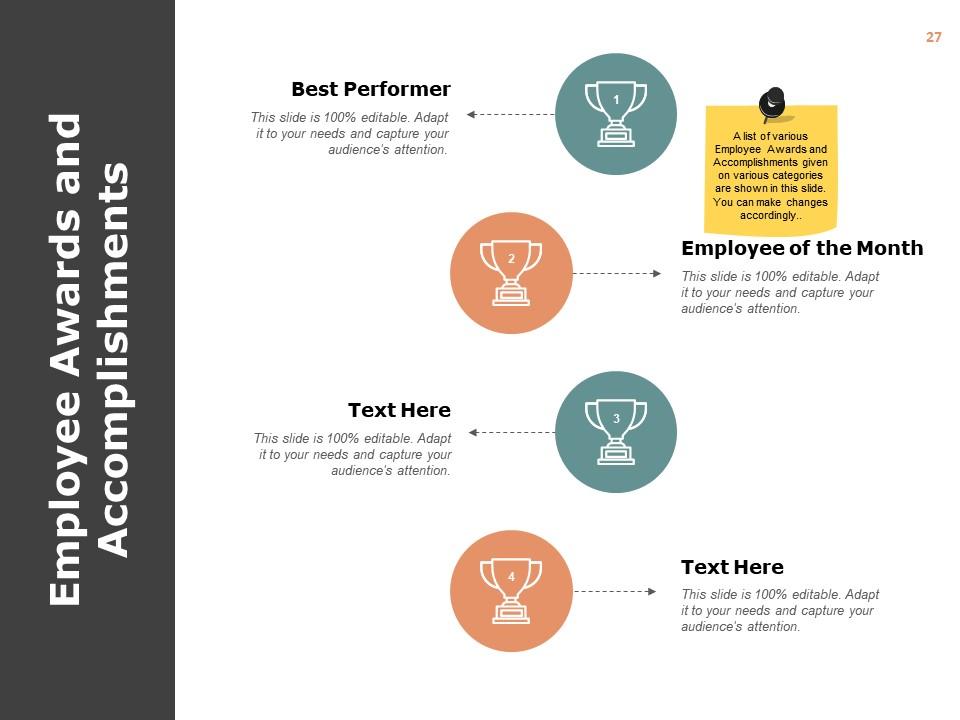
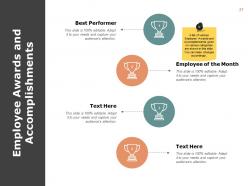
Awards and rewards are two important aspects of employee recognition. So, during the onboarding process, the management can use this template to show how they appreciate the contributions of a hardworking employee.
In the above template, you can see that there are different categories, and you can enter the relevant details. You can change the award colors for these fields - Best Performer and Employee of the Month. As this template can be customized, you can also modify the remaining sections, for example, add ‘’Performer of the Quater’’.
Template 2: Training Schedule
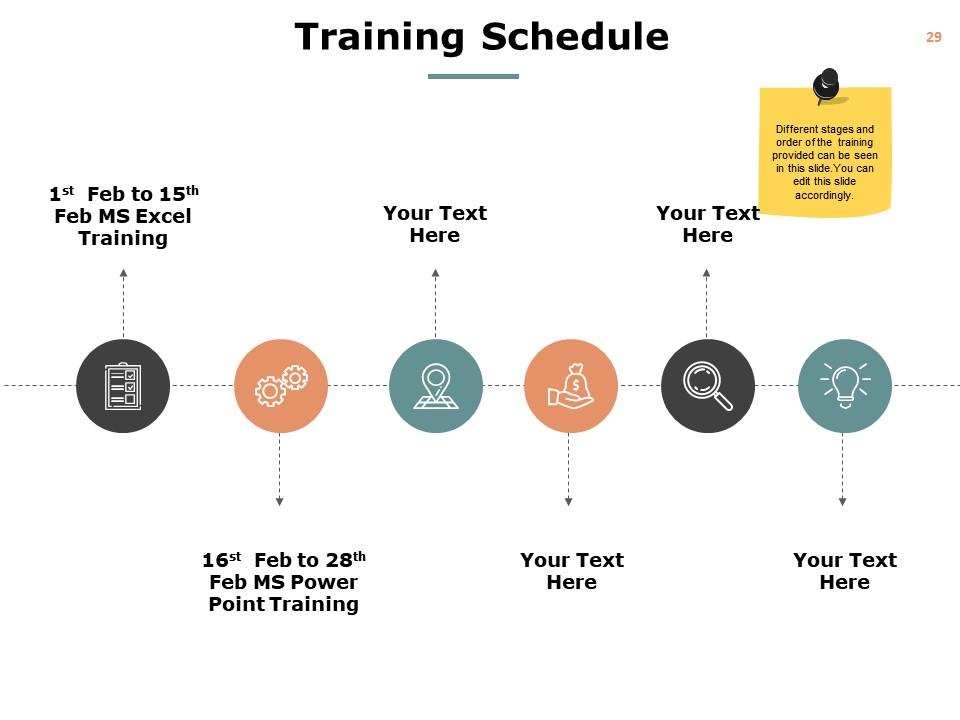
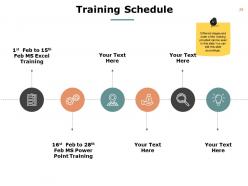
Training plays a vital role in understanding and achieving the required target for any employee. So, to simplify the process, as an HR or a training manager, you can take the help of this template. Here, you can lay out the schedule and add/modify the dates and topics as per your requirements.
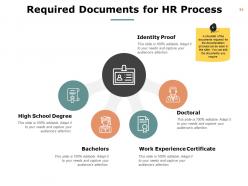
Template 3: Required Documents for HR Process
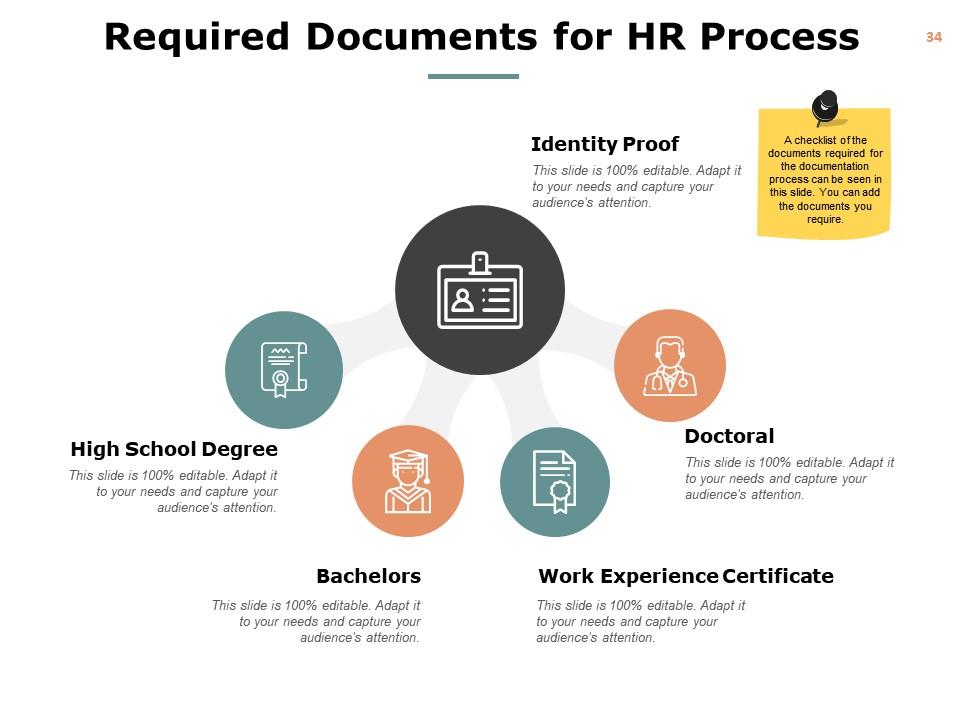
Using the above template, management can show the dedicated checklist of the required documents that should be submitted on the first day. For example, ID proof, high school diploma, bachelor's degree, and work experience certificates are the most important joining documents. You can also add "Bank Passbook Copy, Pay Slip of the Last Organization,” etc. according to company policy.
Also, check out the template on the recruitment process in HRM, which optimizes the process and helps the organization select the right candidate.
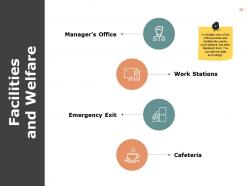
Template 4: Facilities and Welfare
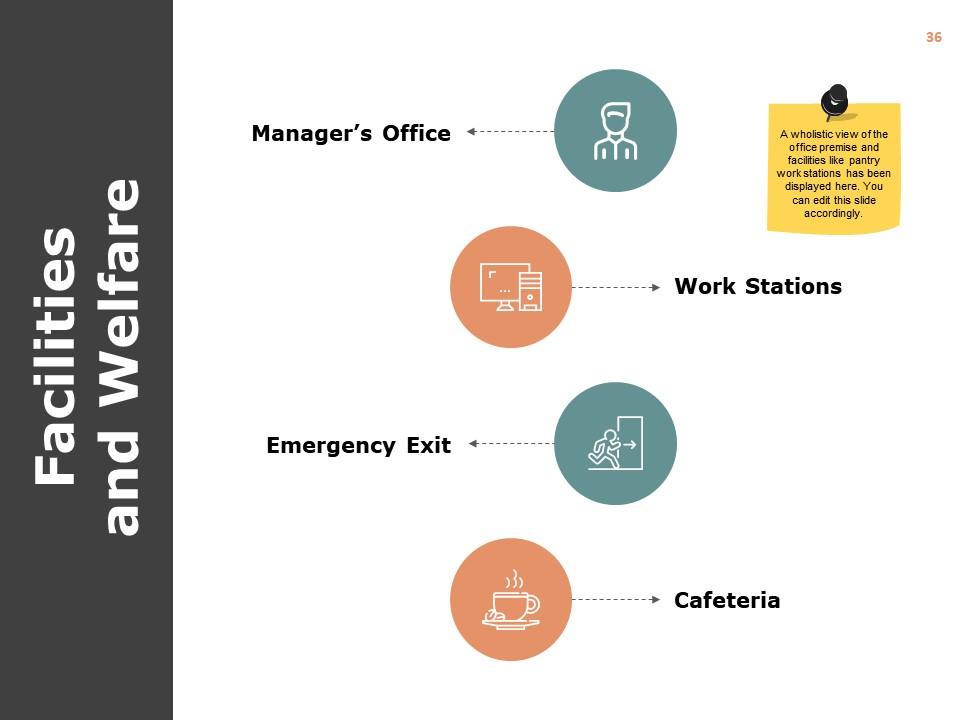
From the above template, a new employee can get an idea of the office premise and the nearby cafeteria, workstations, and emergency gates. You can also add various stops and give directions so that anyone can become familiar with the environment beforehand.
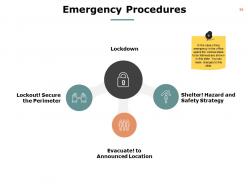
Template 5: Emergency Procedures
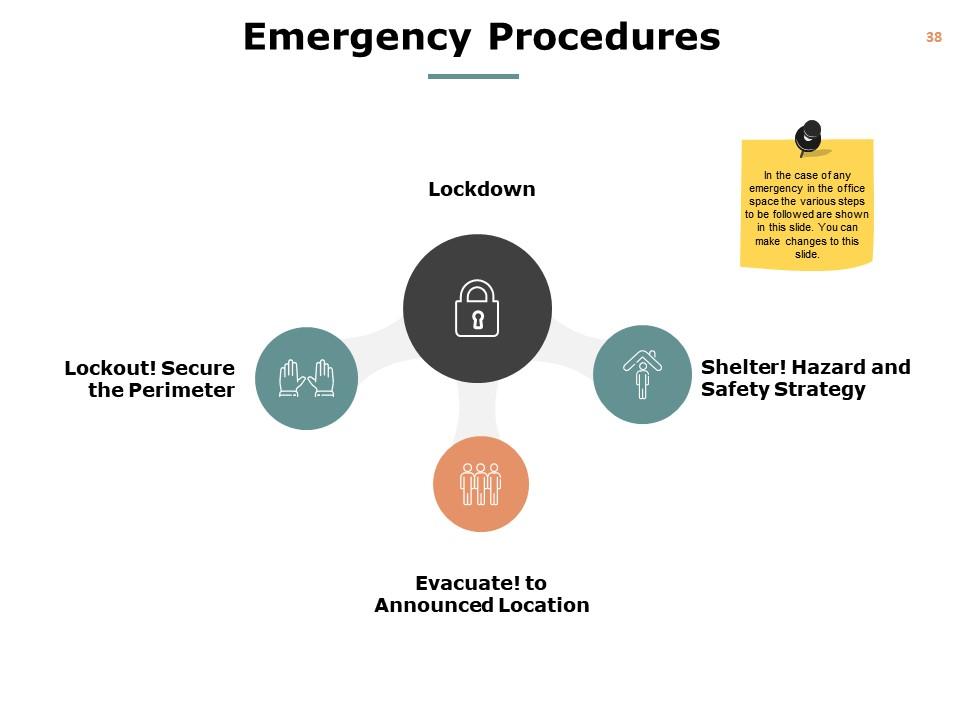
This template can save lives in case of an emergency. For such situations, you can get a template as per the safety strategy made by the management. For example, everyone should evacuate the announced location and take shelter in a designated location. You can also edit or modify the steps as required.
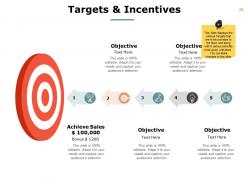
Template 6: Targets & Incentives
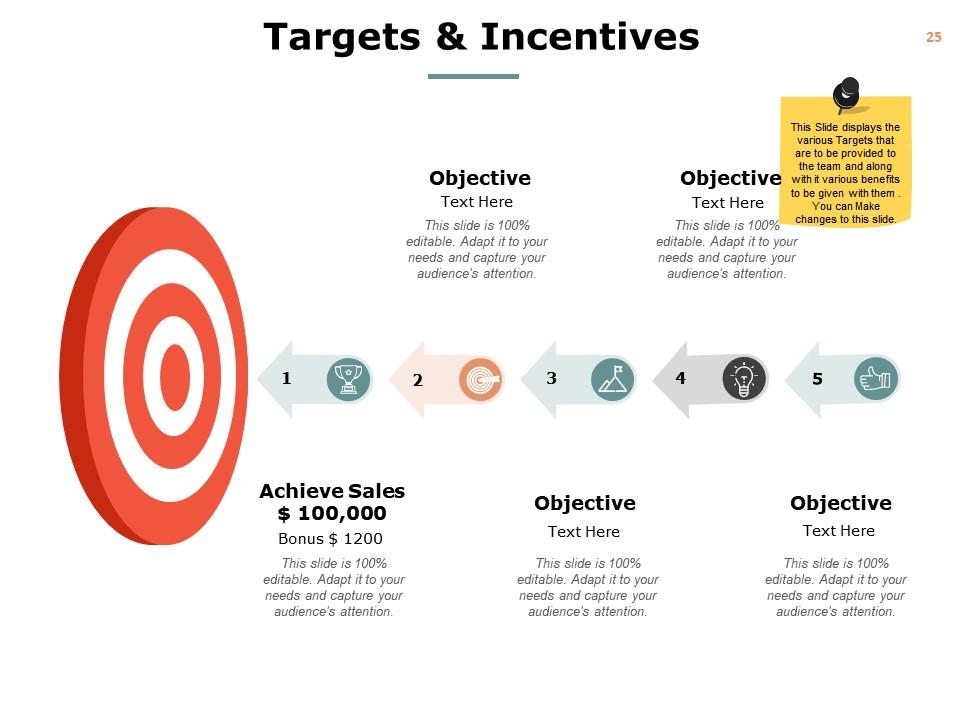
Using this template, the training manager can highlight the employee targets that must be achieved within the deadline. Depending on the job role and the timeline, you can edit this template and also mention the list of benefits that come along,
Template 7:Office Rules and Regulations
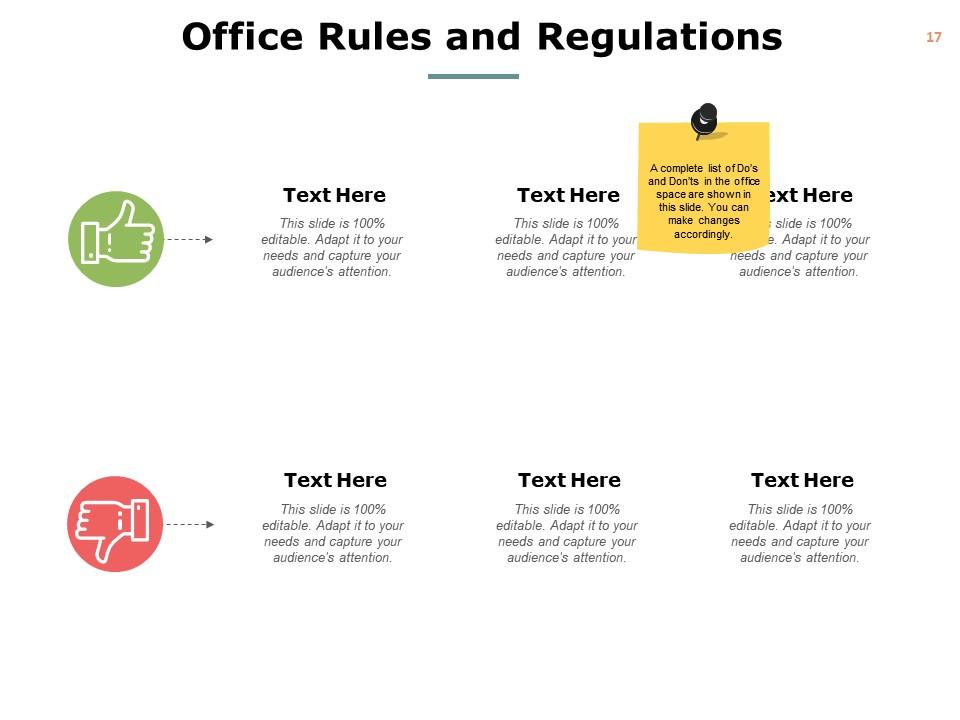
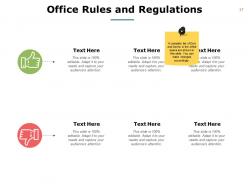
The hiring or training manager can make use of this template, which explains the DOs and Don’ts in the office space. From the very first day, an employee can have a complete understanding of the rules and restrictions of the workplace. As a manager, you can list the necessary mandates which you want the joinees to follow so that they can maintain proper office decorum.
Also, to analyze the effectiveness of the hiring cycles, go through the template on the Recruitment KPI. This will help you to make informed decisions regarding the selection process.
To sum up, these templates can help the new employees get an overall idea of their office policy and their workflow. It makes them feel confident in their workplace, and they can efficiently contribute to their respective roles. So, what are you waiting for? Get started today with this customized new employee briefing template and make the onboarding process an easy one.
New Employee Briefing Powerpoint Presentation Slides with all 51 slides:
Use our New Employee Briefing Powerpoint Presentation Slides to effectively help you save your valuable time. They are readymade to fit into any presentation structure.
-
Wonderful templates design to use in business meetings.
-
Informative presentations that are easily editable.
-
Appreciate the research and its presentable format.
-
Excellent work done on template design and graphics.
