Process Flow Chart For HR Employee Onboarding
Try Before you Buy Download Free Sample Product
Audience
Editable
of Time
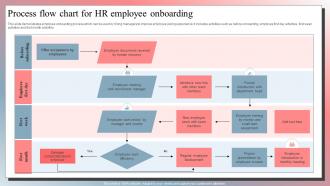
This slide demonstrates employee onboarding process which can be used by hiring managers to improve employee joining experience. It includes activities such as before onboarding, employee first day activities, first week activities and first month activities.
People who downloaded this PowerPoint presentation also viewed the following :
Process Flow Chart For HR Employee Onboarding with all 6 slides:
Use our Process Flow Chart For HR Employee Onboarding to effectively help you save your valuable time. They are readymade to fit into any presentation structure.
FAQs for Process Flow Chart For
Honestly, it breaks down into a few main chunks. Get all their stuff ready beforehand - paperwork, laptop, desk setup, whatever. Day one should be introductions and basic logistics, not sitting around waiting for IT to figure things out (been there, it sucks). First week you get into the real training and introducing them to everyone. After that, check in at 30, 60, and 90 days to see how they're doing. The biggest thing is scheduling all this upfront instead of scrambling to remember later. Trust me, it's way easier when you have a plan.
Honestly, I think you should tailor onboarding based on what each role actually needs. Entry-level people? Give them 1-2 weeks on basic systems and company culture stuff. Senior hires are different though - they need the strategic big picture, meetings with key people, and those 30-60-90 day check-ins since everyone expects them to perform quickly. Technical roles obviously need way more hands-on system training. Map out what someone needs to succeed in their first 90 days, then build from there. Generic checklists are pretty useless tbh.
Dude, technology totally saves your butt with onboarding. All that boring paperwork gets automated, and new people can actually finish most of it before they even start - which honestly rocks. Digital workflows handle document uploads, system access, training modules, the whole nine yards. HR doesn't have to babysit every single step anymore. You'll get real-time tracking too, so nobody gets forgotten in the shuffle. I'd probably start simple with a basic HRIS platform and just build it up from there. Way less headache than doing everything manually.
Look, those first few weeks basically make or break everything. Nobody wants to show up and feel totally lost - that "wtf am I supposed to be doing" feeling is the worst. Your best bet is focusing on clear expectations right away, plus giving them some quick wins early on. People stick around when they actually feel connected to everyone and know what they're doing. Honestly? I've seen too many places just throw people in and hope for the best. Don't be that company. A decent onboarding process kills that day-one anxiety and shows people there's actually a path forward here.
Oh man, don't dump everything on them day one - that's the worst. I've watched so many companies do amazing the first few days then just... disappear? Like hello, they still need help after Tuesday lol. Break up all that boring paperwork with real conversations. Introduce them to people outside their immediate team too. The social stuff matters way more than most managers think. Set up those 30-60-90 day check-ins right away and actually stick to them. Seriously though, just check in regularly for the first month - it makes such a difference.
Honestly, I'd focus on retention rates first - especially at the 90-day and 1-year marks. That tells you the most. Then track time-to-productivity and satisfaction scores from onboarding surveys. There's this one question I swear by: "would you recommend our onboarding process to a friend?" Cuts right through all the corporate BS. Manager feedback is huge too - they'll tell you when someone's actually contributing vs. just showing up. Check in at 30, 60, and 90 days minimum. But here's the thing - don't go crazy trying to measure everything. Pick 2-3 metrics you can actually track consistently or you'll burn out fast.
Honestly, culture integration makes or breaks your whole onboarding process. New hires can sense whether they actually belong within the first few weeks. Don't just hand people a poster with company values - that's basically useless. Instead, let them experience your culture through real stories and interactions. I've watched companies nail all the paperwork and IT setup but completely miss this part. Those people usually feel disconnected pretty fast. Weave cultural stuff into everything - your welcome emails, how you introduce team dynamics, even casual conversations. Show them what it's really like working there, you know?
Oh dude, mentorship programs are honestly a game changer for new hires. You pair them with someone who's not their boss - way less intimidating when you need to ask those questions that feel stupid but aren't really. My mentor saved me from so many awkward moments my first few months here. Just make sure you actually structure it though, like set up regular check-ins and give them topics to cover. Otherwise it turns into those weird forced coffee meetings that nobody wants. Pick mentors who genuinely enjoy helping people - you'll know who they are.
First things first - get their tech sorted on day one because nothing's more frustrating than wrestling with a broken laptop when you're already nervous. I'd set up tons of short video calls instead of cramming everything into one marathon session. Also, pair them with a buddy who isn't their manager - trust me, there's stuff they'll want to ask that feels awkward with the boss. The tricky part with remote people is they miss all those random coffee conversations, so you've got to be way more intentional about checking in. Schedule regular 1:1s from the start and don't be shy about over-communicating expectations those first couple weeks.
Dude, new hire feedback is seriously a game-changer. I missed so many obvious problems until people started telling me what actually sucked about our process. Three people complained about the same confusing form - could've fixed that ages ago if I'd just asked! Hit them up at 30, 60, and 90 days since they'll notice different things as they get more comfortable. Ask what left them scratching their heads, what they wish someone had told them upfront. The specific stuff matters way more than generic "how was it?" questions. Then you gotta actually do something with what they tell you, obviously.
Definitely start with the boring legal stuff - employment contract, W-4, I-9, benefits packets. Your employee handbook too, though honestly nobody reads those until they need time off. Get their IT setup guide ready and an org chart so they know who's who. Emergency contacts are super easy to forget but HR will hunt you down if you don't have them. Oh, and throw in some company swag and an office map - maybe even local restaurant recommendations because that's literally the first thing they'll ask about. Just dump it all in a folder or online portal so they can actually find everything later.
Honestly, just nail down the basics that everyone needs - culture stuff, IT setup, benefits, compliance training. That's your foundation. Then let departments customize their own pieces on top of that. Use one platform for everything though, seriously. I've watched companies let each team run wild with their own systems and it gets messy fast. Same timeline structure, same check-in schedule - doesn't matter if someone's joining sales or dev, they should get the same quality experience. Map out what's actually universal first vs. what needs to be department-specific. You'll probably find more overlap than you think.
Don't dump everything on them at once - that's a recipe for glazed-over eyes! Start with the basics day one (safety stuff, harassment policies), then spread the rest over a few weeks. Make it actually interactive with real scenarios they'll face, not just boring policy reading. I swear, nothing kills engagement like those marathon compliance sessions. Break it into chunks that connect to what they'll actually be doing. Role-specific training works way better than generic stuff. Oh, and definitely circle back with them later to see what stuck - people forget more than you'd think!
So I'd set up those 30/60/90 day check-ins, but make them actually useful - not just "how's it going?" Coffee chats work great. Maybe pair them with someone friendly who's been there a while? Those quick pulse surveys are honestly way better than formal reviews since people actually tell the truth. Oh and definitely keep your training stuff easy to find - they'll need it when weird situations pop up later. The biggest thing is jumping in before they're drowning and too embarrassed to ask for help.
Oh man, international hires are a whole different beast! The paperwork alone will make you cry - visas, work permits, immigration stuff that drags on forever. I'm talking months, not weeks. Then there's all the life stuff they need help with: finding a bank, getting housing sorted, basic cultural orientation so they don't feel completely lost. Honestly, time zones make scheduling meetings such a pain too. Your regular onboarding stays mostly the same, but you're basically helping someone rebuild their entire existence on top of it. Start the visa paperwork like 3+ months early, trust me.
-
“Slides are formally built and the color theme is also very exciting. This went perfectly with my needs and saved a good amount of time.”
-
A big thanks to SlideTeam! An incredible and diverse library of templates helped me with my business project presentation.